
Infrared Method Classified Tested Tiger, Leopard and Buffalo Bone With 100% Accuracy in Validation Tests
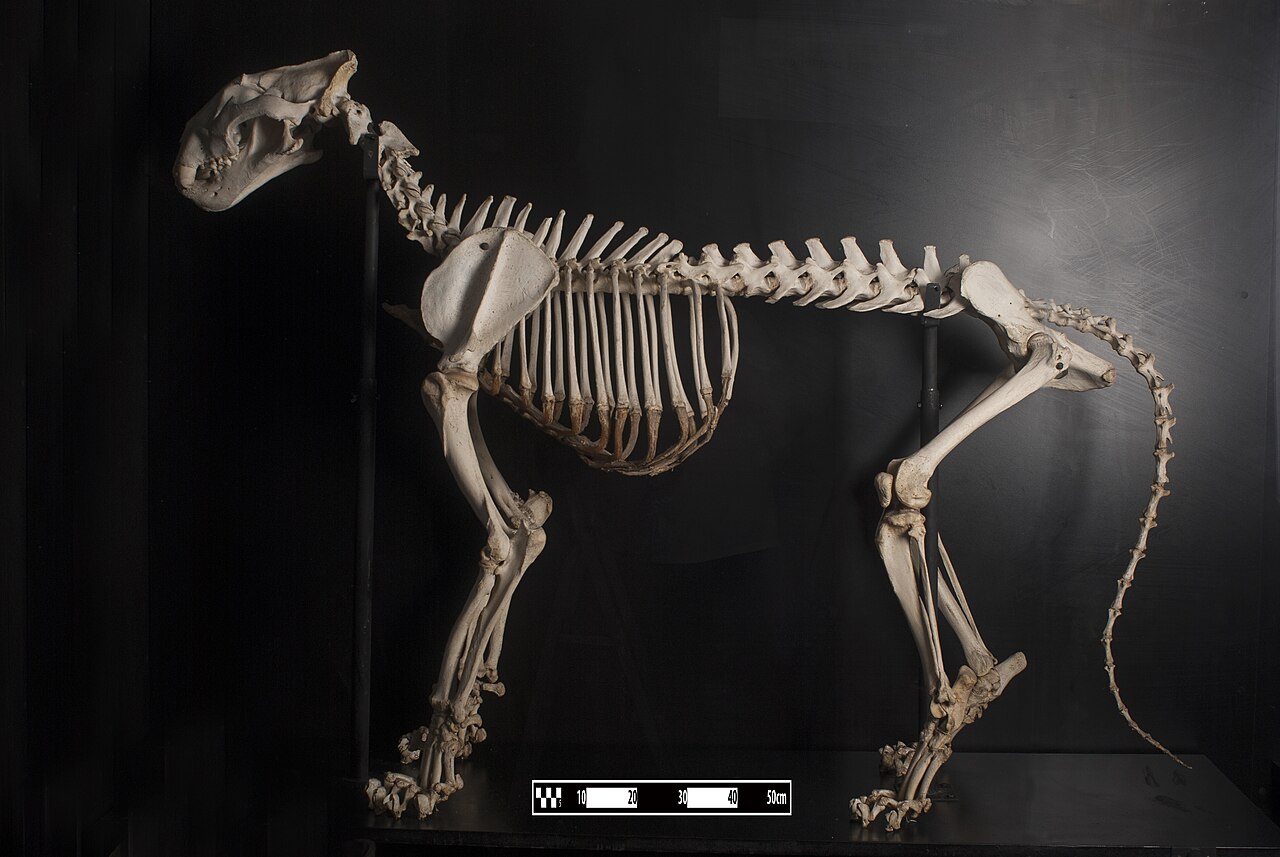
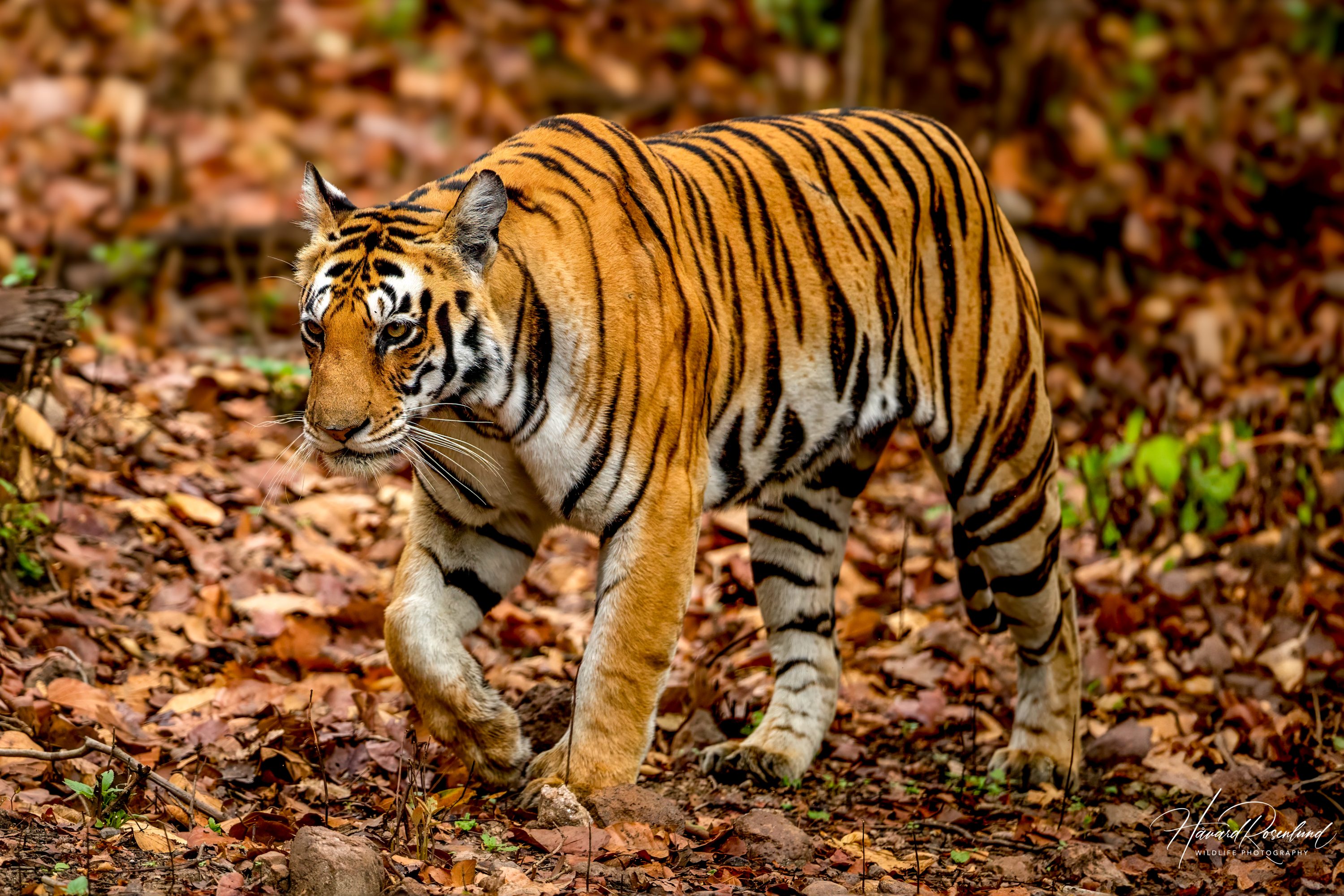
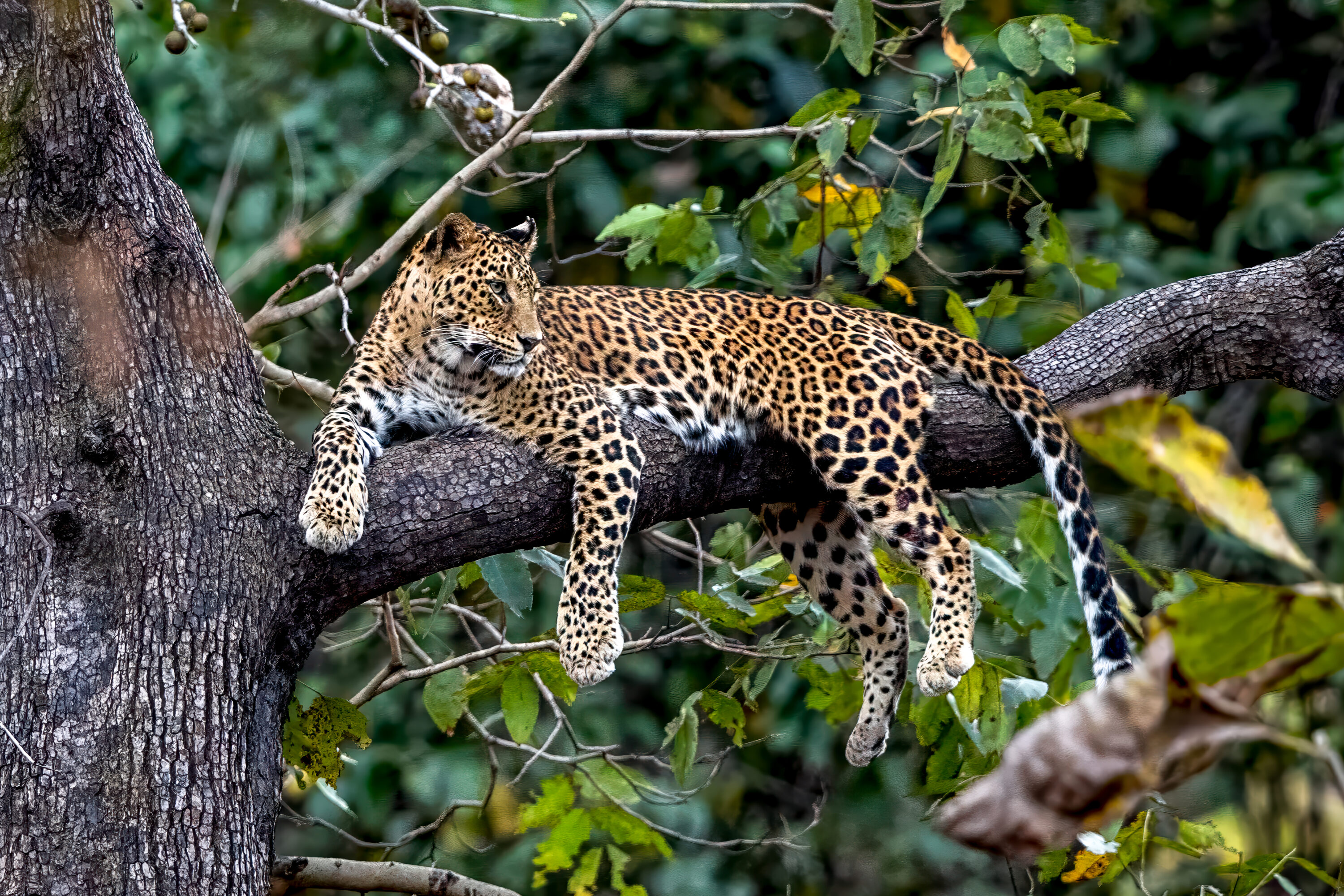
A wildlife-forensics study published on 13 May 2026 used infrared spectroscopy to distinguish bone from Bengal tiger (Panthera tigris tigris), Indian leopard (Panthera pardus fusca) and water buffalo (Bubalus bubalis). The best statistical model classified every sample correctly in the study’s external-validation and blind tests, including bone that had been ground into powder.
The method was developed for a common forensic problem in illegal wildlife trade: once bone has been fragmented or powdered, the anatomical features normally used to identify the animal may disappear. Tiger bone is traded illegally for traditional-medicine products, and bones from other species may be substituted for it.
Infrared light produced a chemical fingerprint of the bone
The researchers used attenuated total reflectance Fourier-transform infrared spectroscopy, or ATR-FTIR. A small amount of bone is placed against the instrument, which measures how strongly it absorbs infrared light across many wavelengths. The resulting spectrum is a chemical fingerprint containing many measurements at once.
Some differences between tiger and leopard spectra were visible directly, but the researchers also used chemometrics — statistical and machine-learning methods that search complex chemical data for patterns that separate known groups. In this study they compared principal component analysis (PCA), support vector machines (SVM) and partial least squares discriminant analysis (PLS-DA).
PLS-DA performed best in the study dataset
The three approaches classified Bengal tiger and Indian leopard reference spectra with reported accuracies of 91.7% for PCA, 97.9% for SVM and 100% for PLS-DA. Cross-validation, in which the model is repeatedly tested on data withheld during model fitting, indicated that PLS-DA performed better than SVM and was therefore taken forward for further validation.
The PLS-DA model then achieved 100% correct classification in both external validation and blind testing. External validation asks the model to classify material that was not used to build it, while a blind test hides the identity of the unknown samples during classification. These results show that the model separated the tested samples cleanly under the study conditions.
They do not establish a universal 100% accuracy for every forensic seizure. The final numbers of specimens used in each validation step were not reported in the accessible results, and the study tested a defined set of reference material rather than every possible source of variation in real-world bone products.
Water buffalo was also separated from the two wild cats
The researchers added water buffalo because bones from other species can occur as substitutes for tiger bone. The PLS-DA model placed Bengal tiger, Indian leopard and water buffalo spectra into three distinct classes with 100% accuracy in the study dataset.
A major practical advantage was that recognizable bone shape was not required. The method also differentiated material in powdered form, where visual anatomy can no longer be used for species identification.
A rapid screening approach for wildlife forensics
The authors present ATR-FTIR combined with chemometric classification as a rapid, relatively inexpensive and minimally destructive approach that could support the examination of suspected wildlife products. Its value is that a chemical spectrum can retain species-related information even after the bone has lost visible morphological features.
The study therefore provides strong proof of performance for the tested tiger, leopard and water-buffalo reference material. Wider forensic use would still require the method to be applied and validated across the range of specimens, processing methods and substitutes encountered in casework.
Trade & poaching
Related news
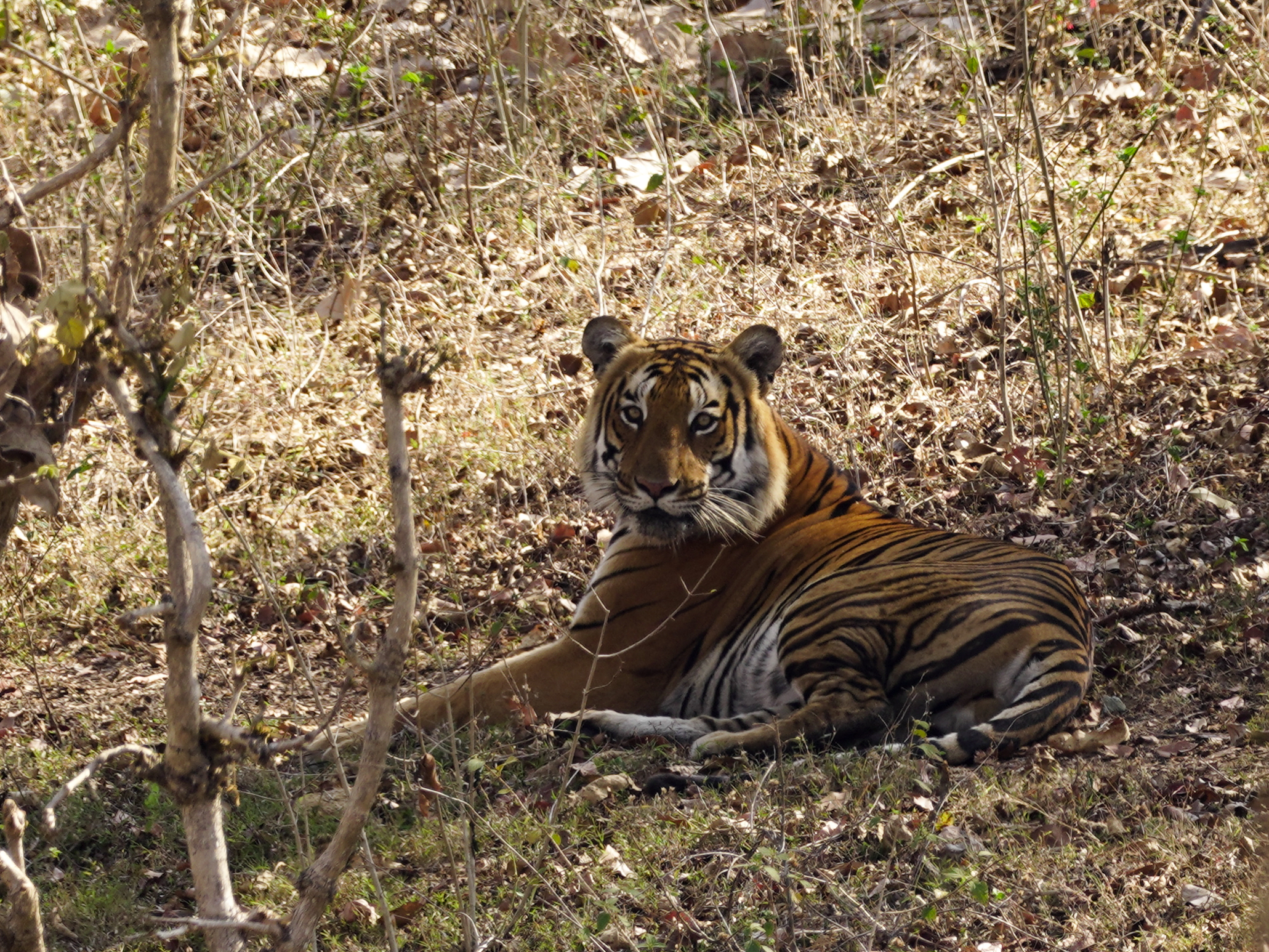
Key Movement Bottlenecks for Five Large Mammals Lay Outside Protected Areas in Tamil Nadu
A 2026 study of tiger, leopard, dhole, Asian elephant and gaur identified modelled movement bottlenecks outside protected areas,…
Read story →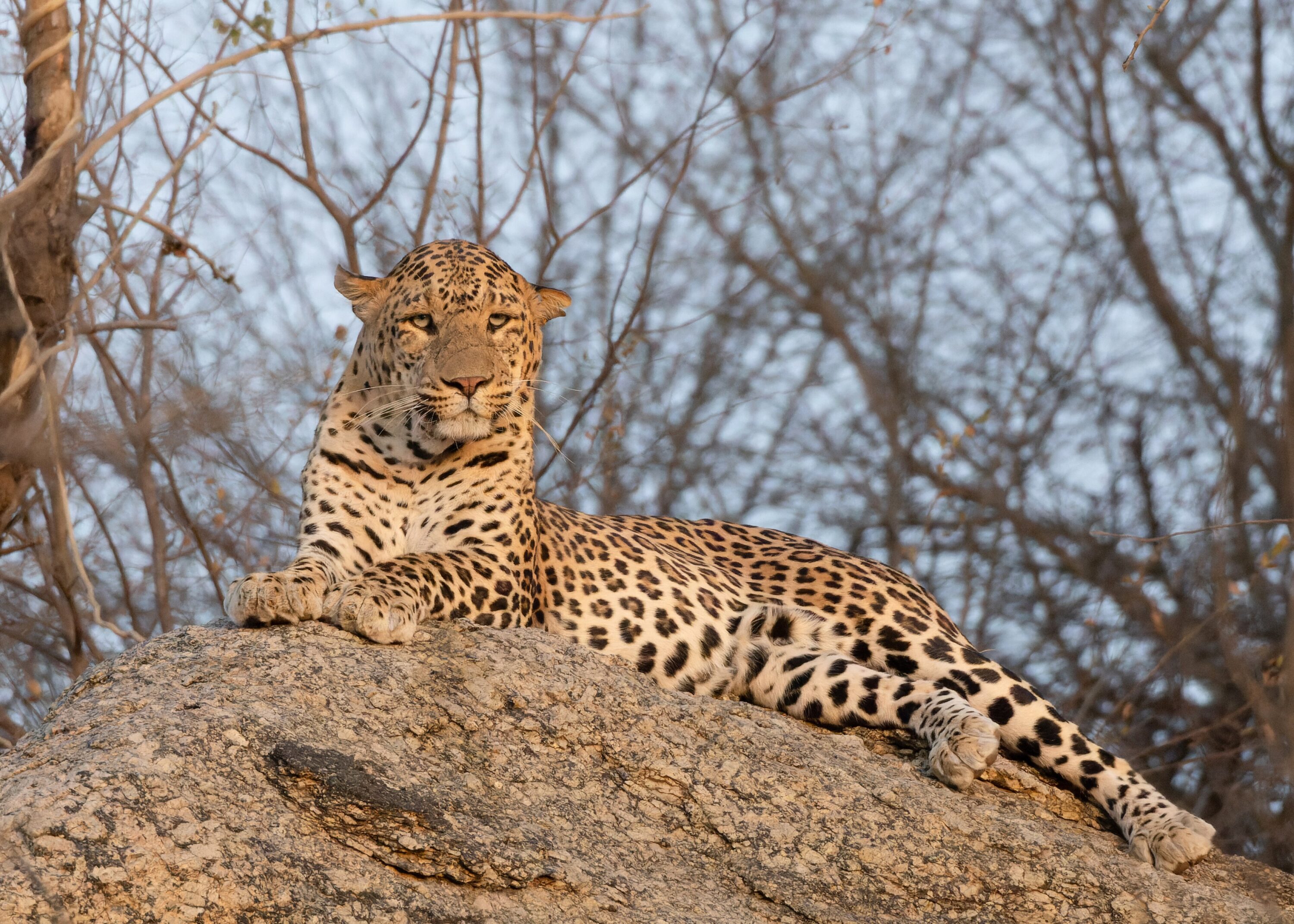
Habitat and Prey Were More Strongly Linked to Leopard Persistence Than Tiger Suppression in Bhutan
Bhutan's first nationwide leopard-density analysis estimated 1.02 leopards per 100 km², while repeated surveys showed that habitat and…
Read story →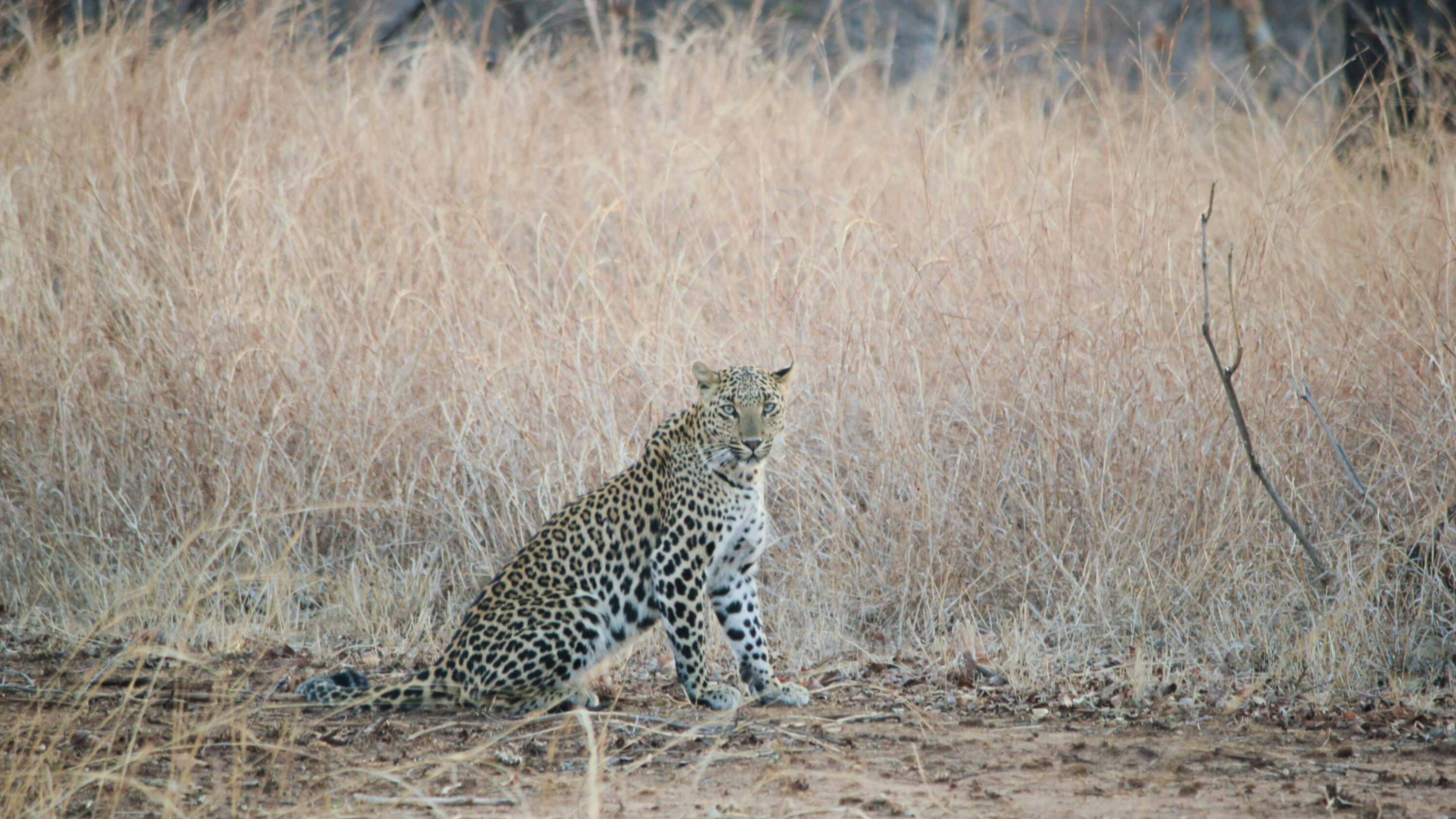
Settlement Proximity Was the Strongest Model Predictor of Tiger and Leopard Livestock Depredation in Panna
A spatial study around Panna Tiger Reserve found settlement distance was the strongest MaxEnt predictor for both tiger…
Read story →SPECIES IN THIS STORY
Species in this story
Independent research and conservation news archive
Did you find this information useful?
Wildlife Vagabond is independently built and maintained. Voluntary support helps cover source verification, hosting and continued work on research and conservation news.
Support Wildlife VagabondThe news archive will remain freely available.