
Japanese Rock Ptarmigan Has a Distinct Mitochondrial Lineage That Diverged About 80,000–120,000 Years Ago
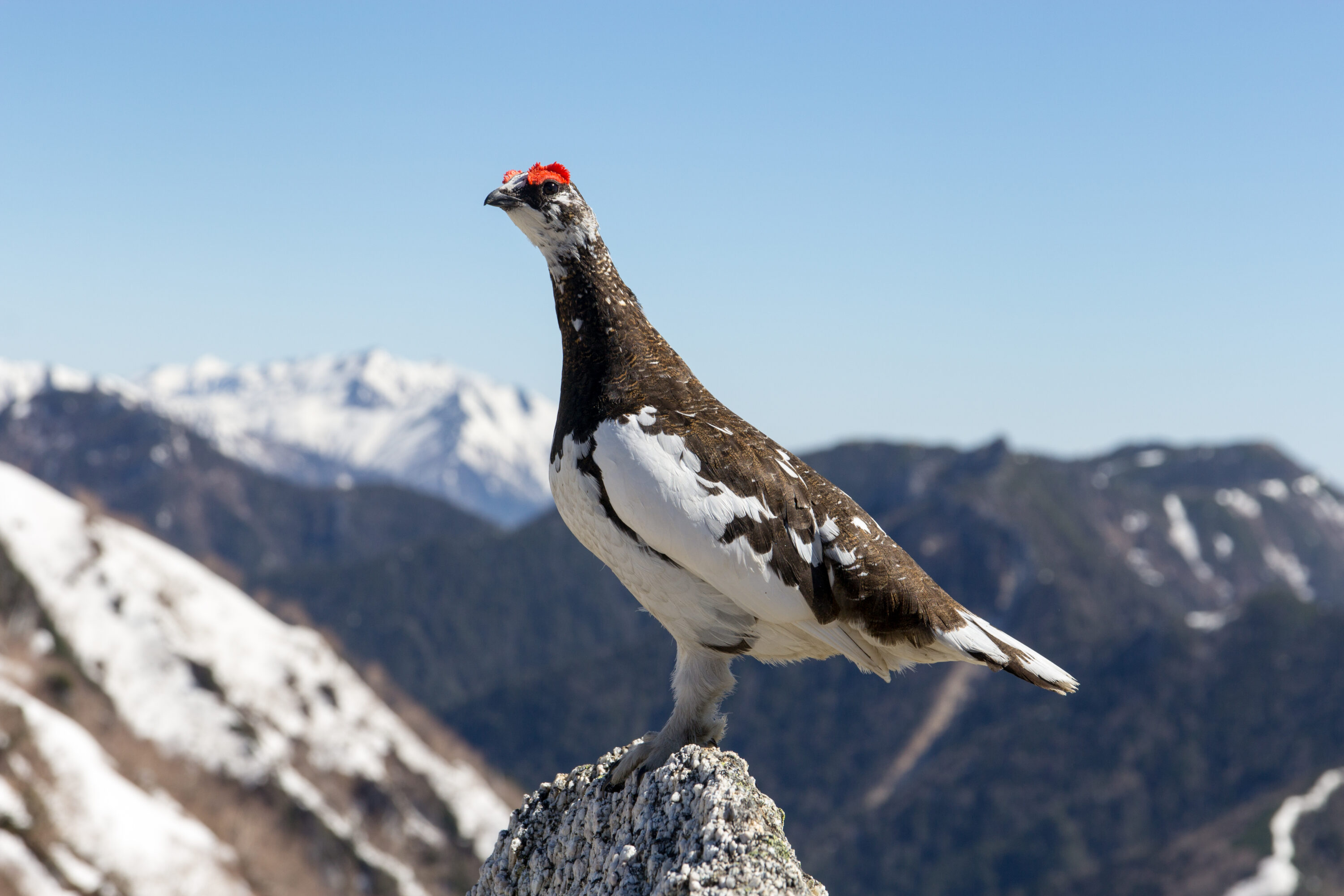
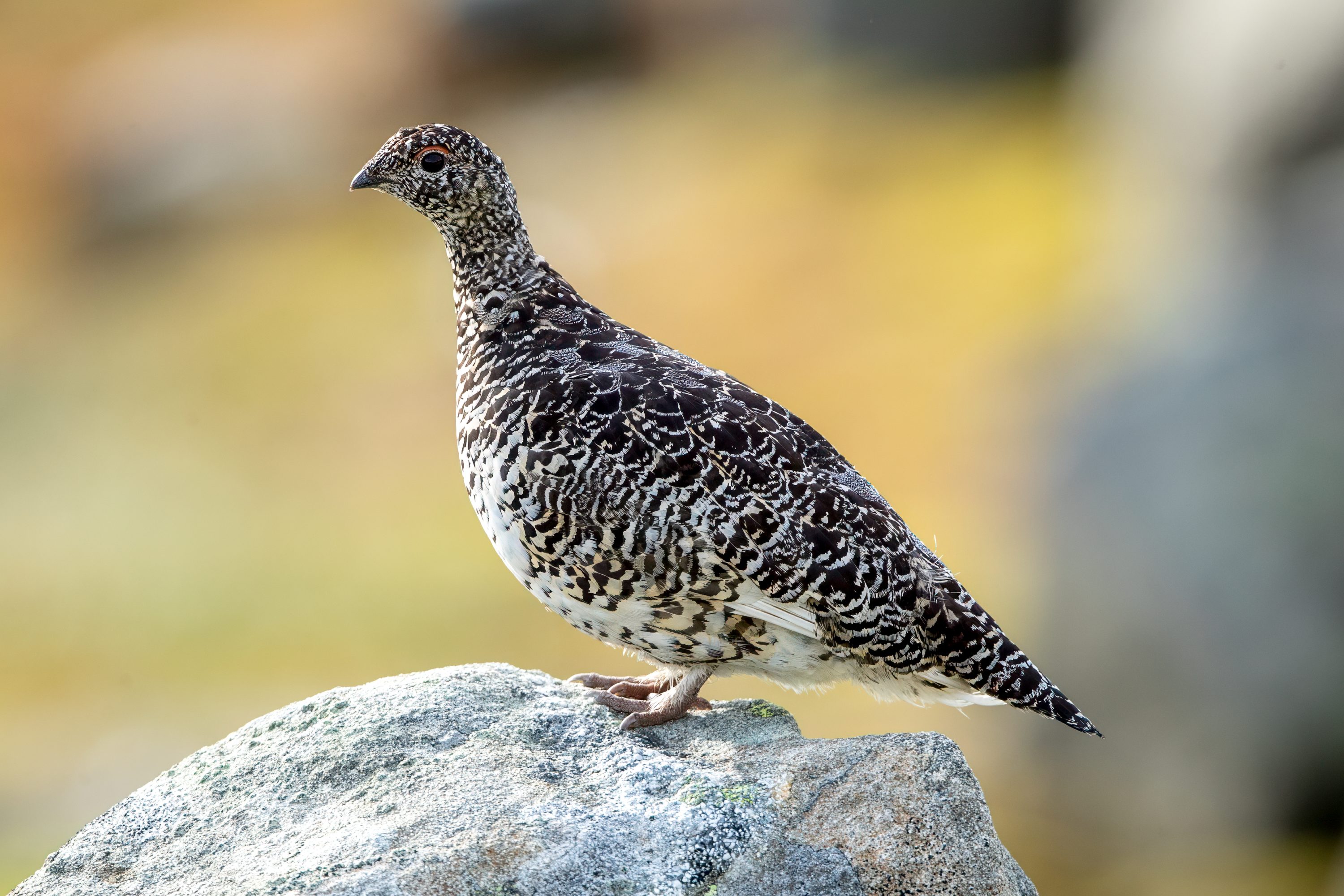
Japanese rock ptarmigan (Lagopus muta japonica) form a genetically distinct mitochondrial lineage that appears to have separated from other rock ptarmigan populations roughly 80,000–120,000 years ago. The result comes from a PLOS ONE study published in February 2026 using museum specimens, including birds collected more than a century ago. Because mitochondrial DNA is inherited through the maternal line, this divergence estimate primarily describes the population’s maternal evolutionary history rather than its complete nuclear-genome history.
The researchers analysed 18 preserved specimens: 16 from Japan, including three associated with extinct Japanese populations, plus one bird from the northern Kuril Islands and one from Scandinavia. Despite highly fragmented DNA in many of the older specimens, they reconstructed the complete mitochondrial genome of every individual. Across the Japanese mitochondrial genomes they identified ten haplotypes. Several mitochondrial regions varied among individuals, but the analyses found no clear geographic genetic subdivision between the sampled Japanese regions.
The Japanese lineage remained distinct in the global comparison
To place the Japanese birds in a wider context, the team also compared control-region sequences from 209 rock ptarmigan across the species’ global range. The Japanese birds formed three unique control-region haplotypes in a monophyletic group and differed by at least three nucleotide substitutions from the closest haplotypes found elsewhere. The closest control-region haplotypes were found in Greenland and Scandinavia, while another closely related haplotype occurred across the northern Kuril Islands, Aleutians, Siberia and Alaska. The Japanese lineage nevertheless remained clearly distinct. Despite that isolation, control-region haplotype and nucleotide diversity in Japan were not markedly lower than in several other regions across the species’ range. In biological terms, the long-isolated Japanese maternal lineage still retained a level of mitochondrial sequence variation comparable to several other sampled regions.
A long-isolated relict lineage
The authors argue that the results strengthen the view of the Japanese population as a long-isolated relict lineage with its own evolutionary history. They also show that old museum specimens kept under challenging storage conditions can still yield complete mitochondrial genomes, providing material for reconstructing population history that would otherwise be inaccessible.
Genetics & genomics
Related news
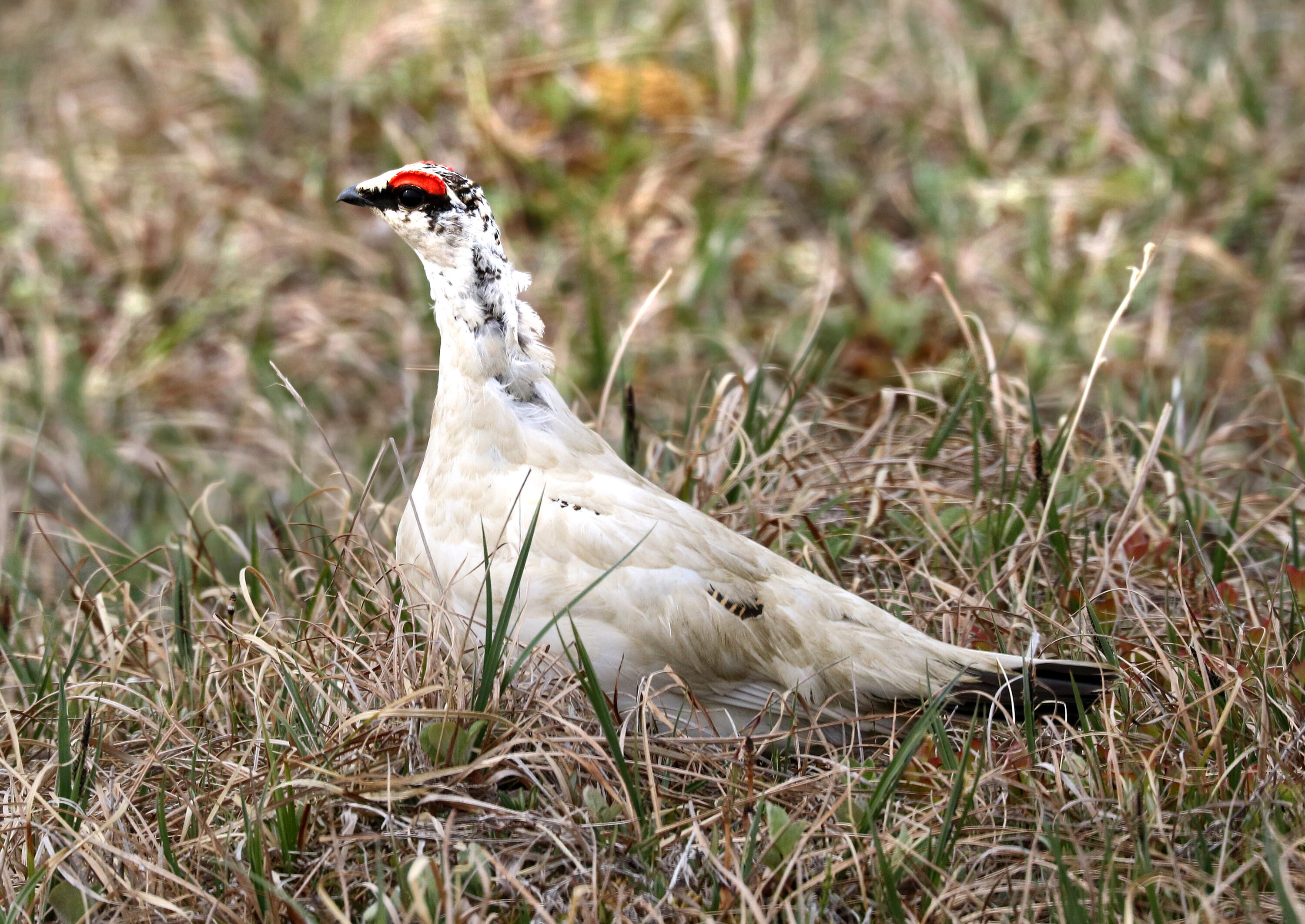
Record Ptarmigan Numbers and a Good Breeding Year for Alaska’s Gyrfalcons
Surveys on Alaska’s Seward Peninsula recorded the highest ptarmigan numbers in eleven years of monitoring. Gyrfalcons also had…
Read story →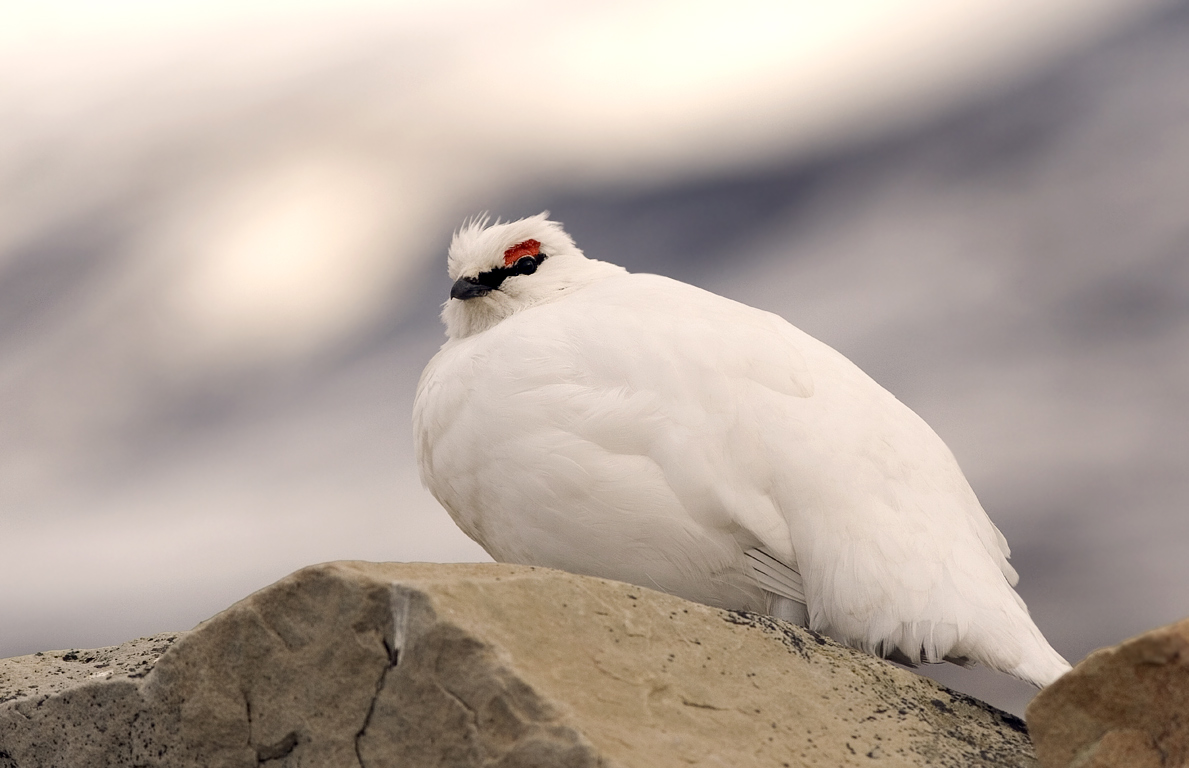
Svalbard Ptarmigan and Golden Hamsters Shared a TSH Pathway for Seasonal Timing
A comparison of neuroendocrine tissue in summer- and winter-like states found the same core TSH seasonal-timing pathway in…
Read story →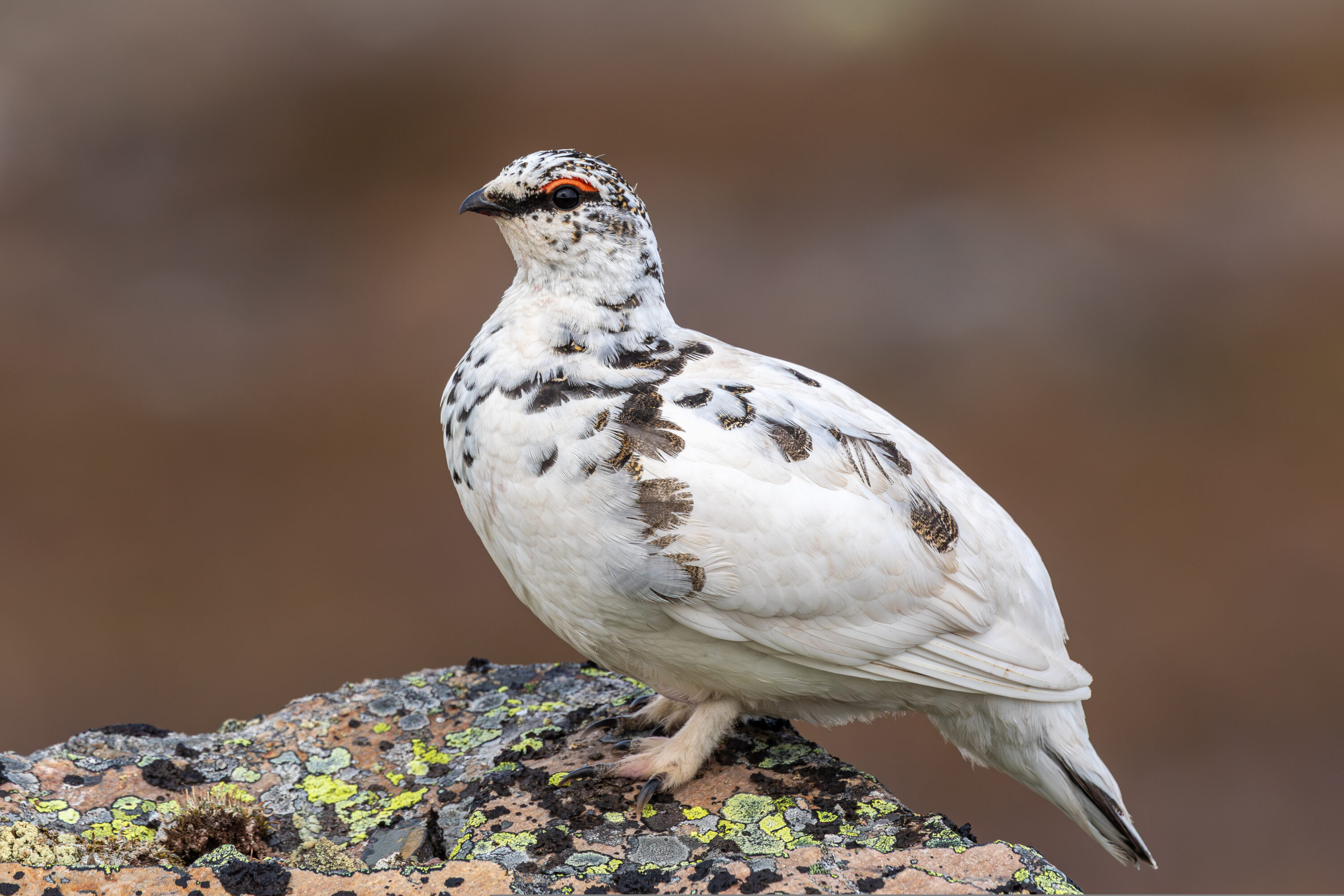
Dry Weather and Snow-Covered Ground Improved Genetic Monitoring From Rock Ptarmigan Droppings
Only 103 of 338 spring fecal samples yielded usable genotypes, but a 2026 study identified field and laboratory…
Read story →SPECIES IN THIS STORY
Species in this story
Independent research and conservation news archive
Did you find this information useful?
Wildlife Vagabond is independently built and maintained. Voluntary support helps cover source verification, hosting and continued work on research and conservation news.
Support Wildlife VagabondThe news archive will remain freely available.