
Japanese Tits Kept Their Distance From Eurasian Sparrowhawks but Defended Nests More Aggressively Against Indian Scops-Owls
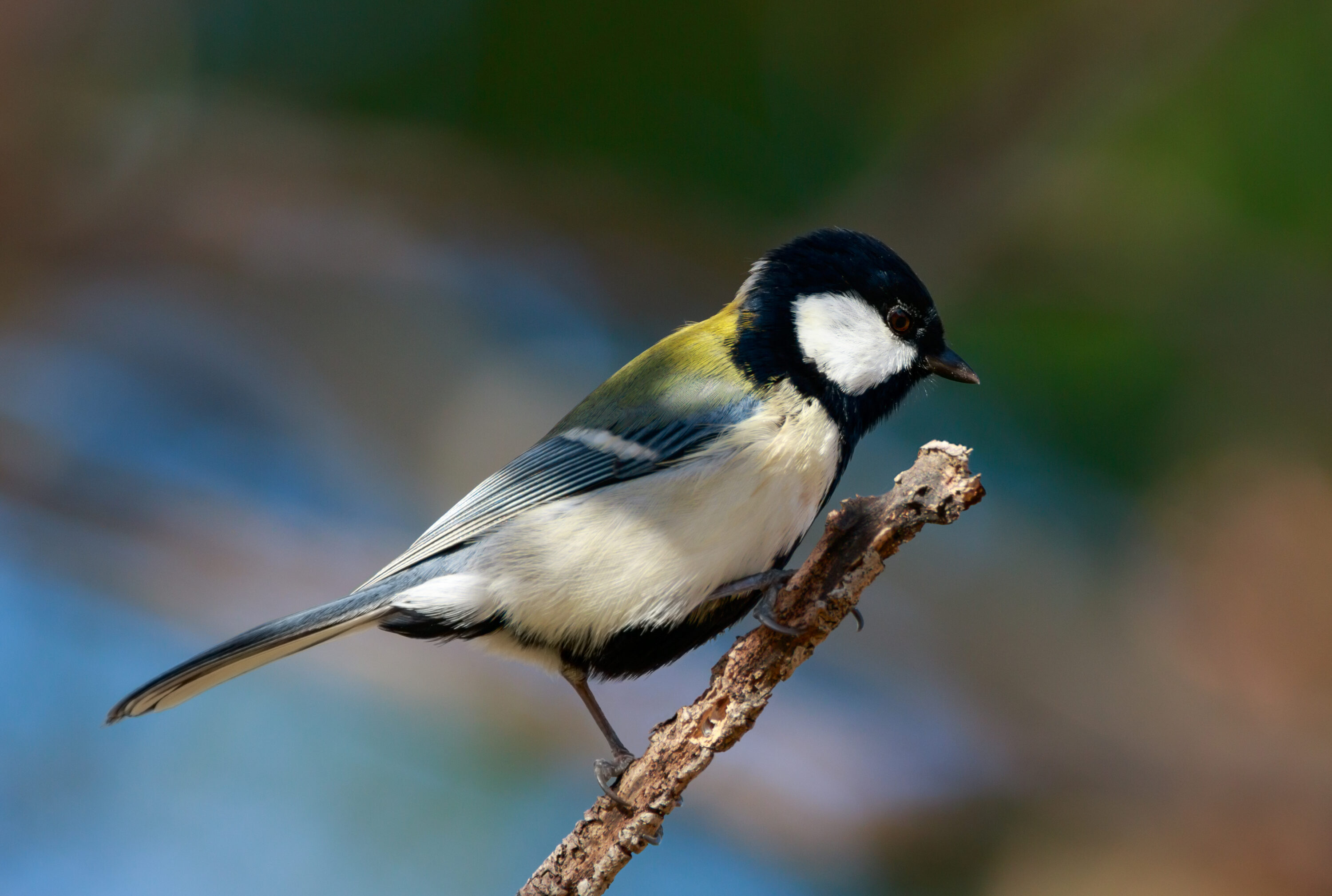
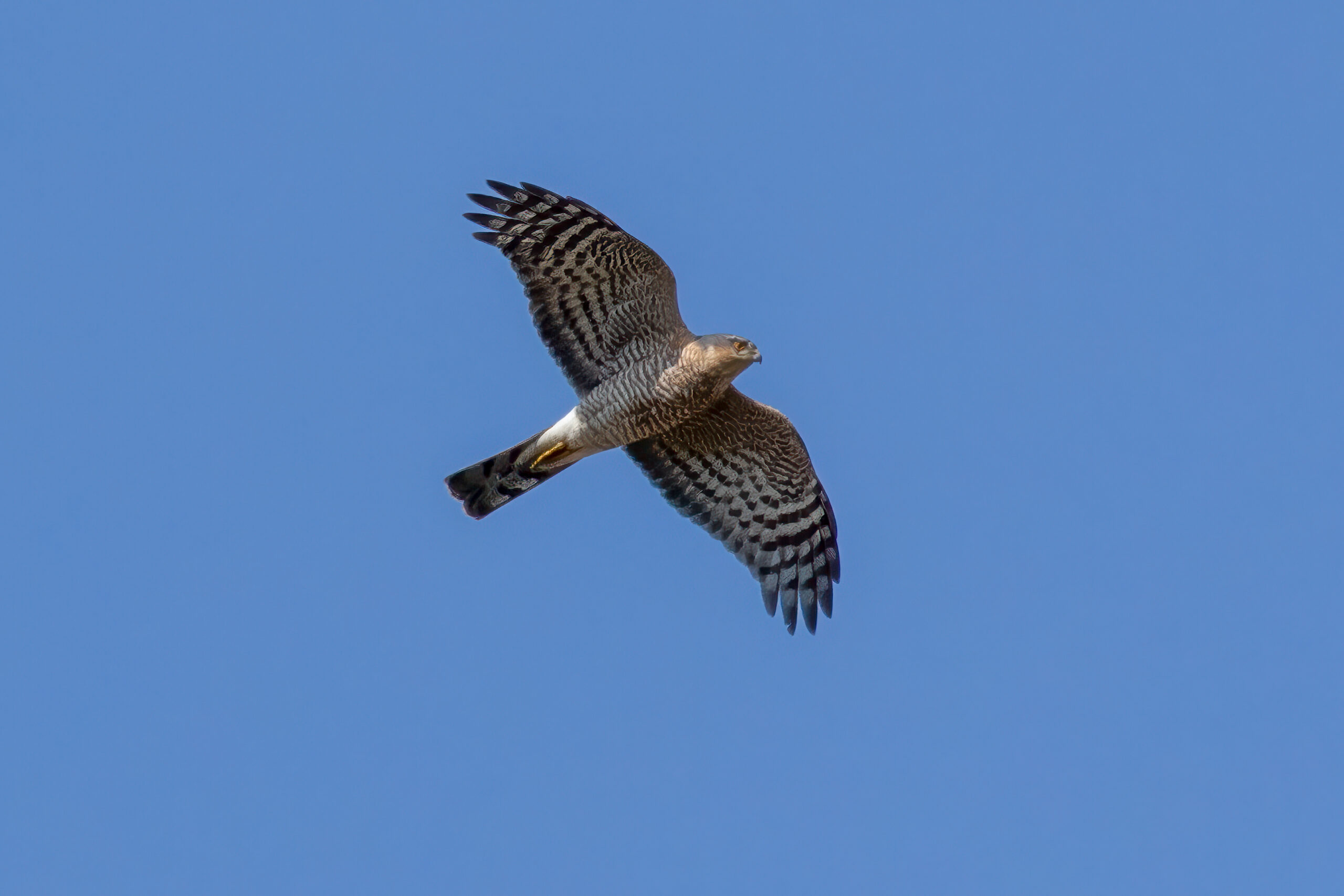
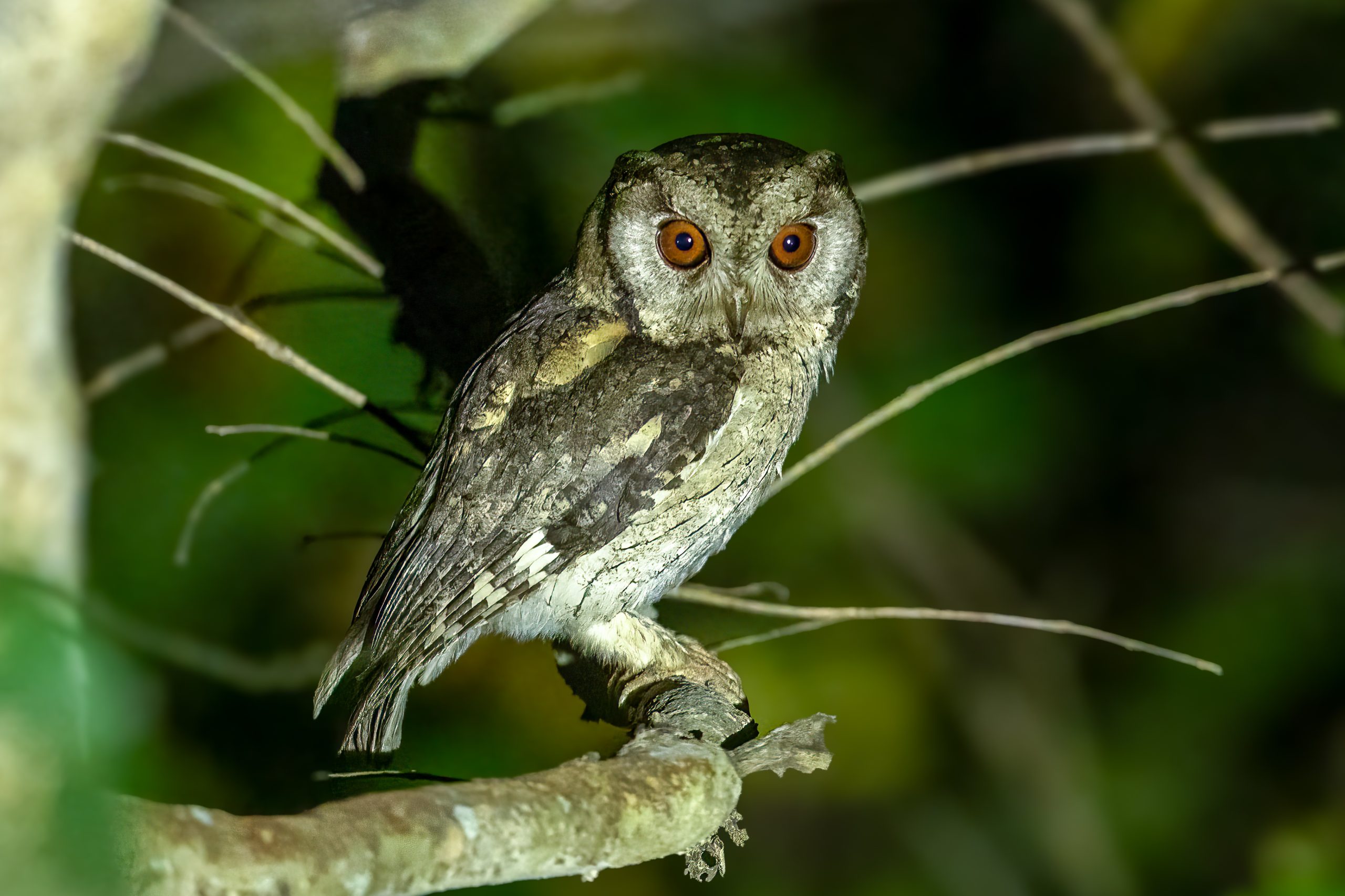
Japanese tits (Parus minor) changed how they defended their nests depending on which raptor appeared nearby. At 24 nests in northeastern China, the birds mostly kept their distance from Eurasian sparrowhawk (Accipiter nisus) models but responded more aggressively to Indian scops-owl (Otus bakkamoena) models. The study was published on 24 July 2026 in Scientific Reports.
The field experiment took place in the Zuojia Nature Reserve in Jilin Province. During the nestling period, researchers presented each nest with taxidermy models of a sparrowhawk, an Indian scops-owl and an oriental turtle dove (Streptopelia orientalis), which served as a harmless control. For each presentation, they recorded the strongest nest-defence response shown by the parents.
The owl triggered stronger active nest defence
The analysis supported stronger nest defence toward the owl than toward either the sparrowhawk or the dove. It did not support a clear difference in the overall defence score between the sparrowhawk and the harmless dove. The behaviour itself was nevertheless different: the tits usually stayed at a distance and watched the sparrowhawk, while the owl more often triggered active vigilance, threat displays and stronger nest defence.
The two predators pose different risks to parents and young
The authors interpret this contrast as a response to different risks for parents and offspring. Sparrowhawks mainly prey on birds, including adults. Approaching them closely can therefore be risky for the parent tits. Indian scops-owls pose less risk to adult tits but can enter cavity nests and threaten eggs and nestlings. The result therefore suggests that Japanese tits adjust their nest defence to the balance between risk to themselves and risk to their young.
Behaviour
Related news
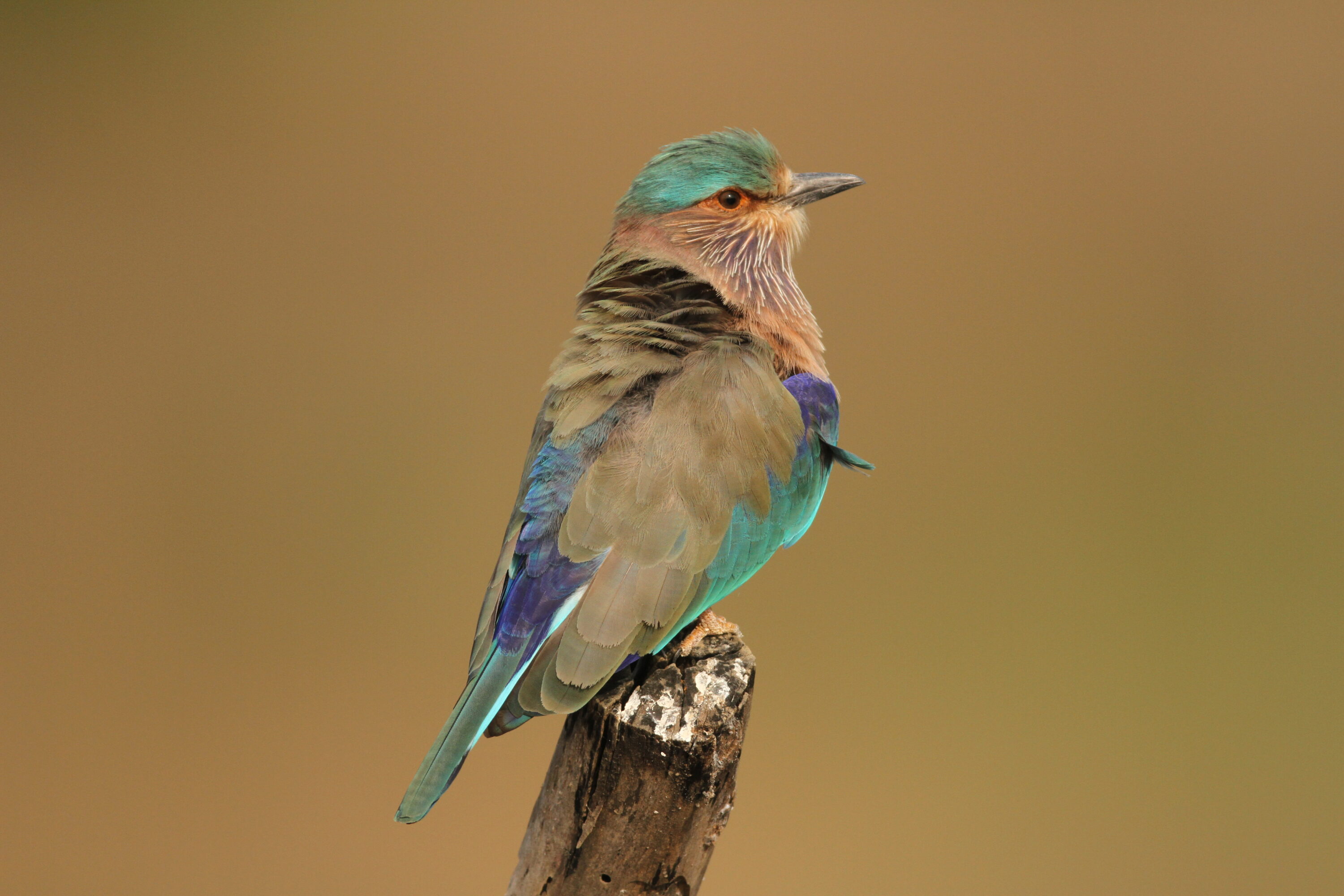
Six Cavity-Nesting Bird Species Bred Successfully in Artificial Nests in Punjab
Punjab Agricultural University reported successful breeding in artificial nests by six cavity-nesting species, including Indian roller, spotted owlet…
Read story →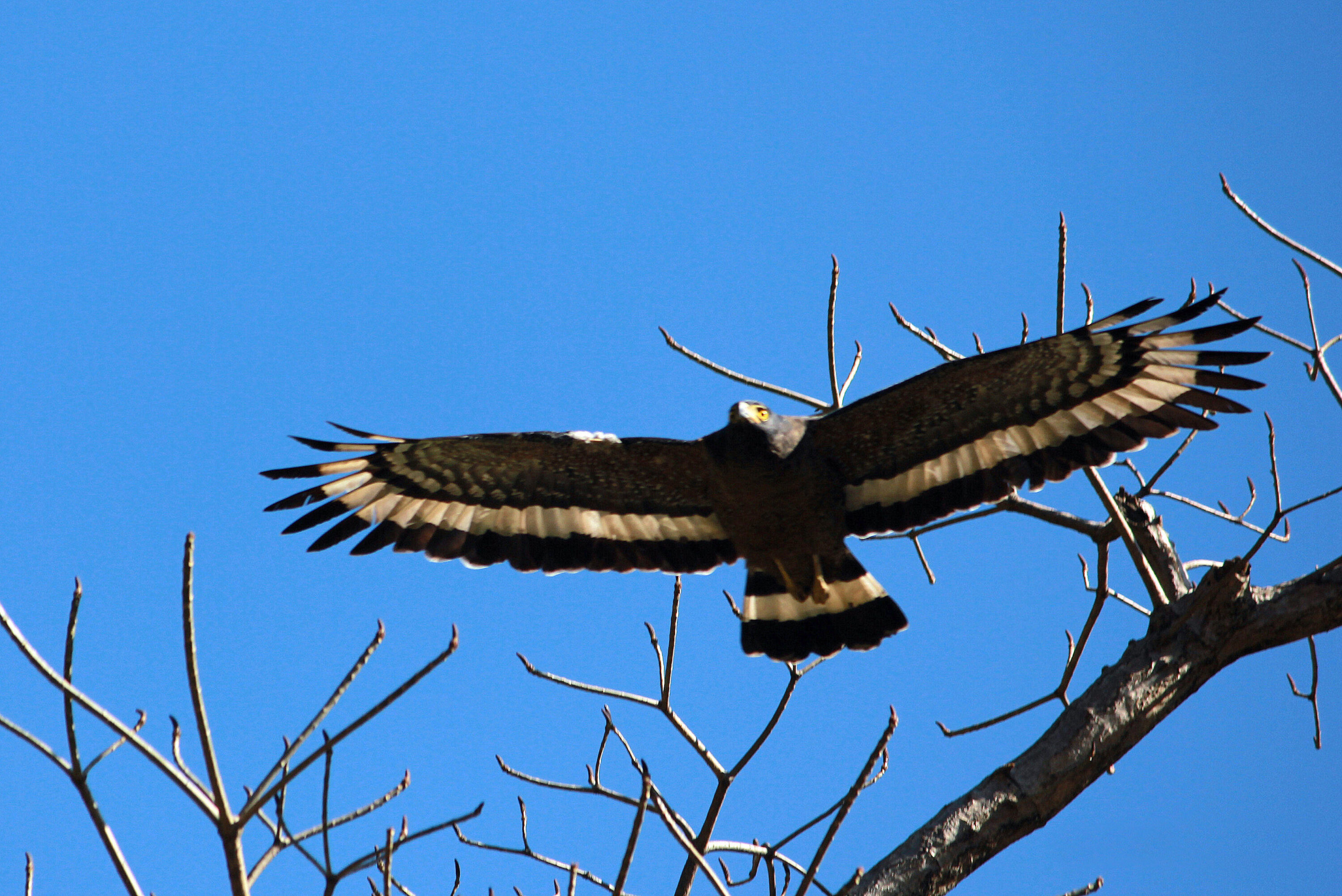
Prototype Used Tail-feather Microstructure to Classify Ten Raptor Species
A YOLOv8–logistic-regression prototype classified ten raptor species from microscopic tail-feather features with 90% accuracy on its constructed test…
Read story →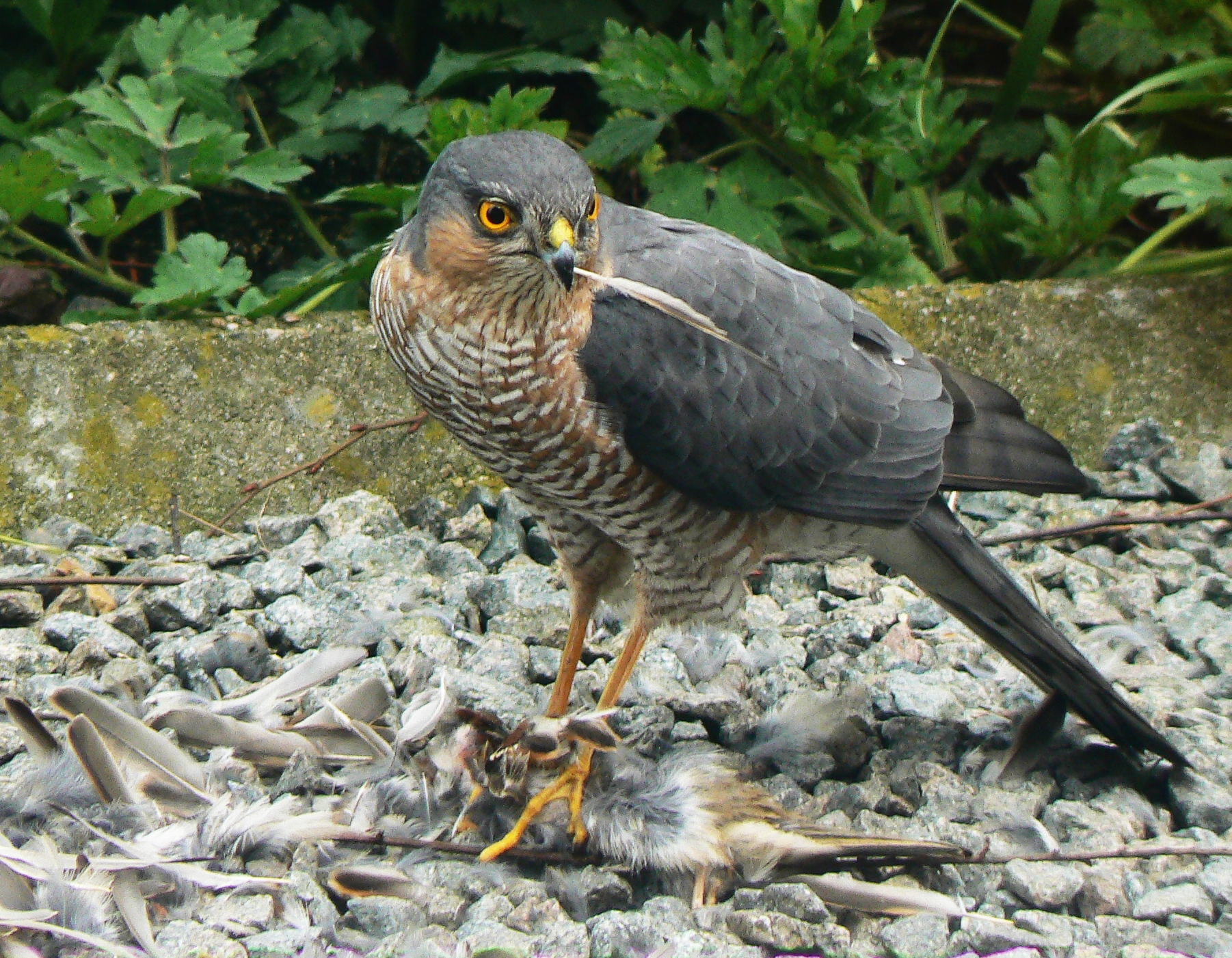
Habitat and Prey Traits Shaped Sparrowhawk Diet Around 62 Czech Nests
A 2026 Czech study of 1,107 prey items from 62 Eurasian sparrowhawk nests found that diet composition varied…
Read story →SPECIES IN THIS STORY
Species in this story
Independent research and conservation news archive
Did you find this information useful?
Wildlife Vagabond is independently built and maintained. Voluntary support helps cover source verification, hosting and continued work on research and conservation news.
Support Wildlife VagabondThe news archive will remain freely available.