
A Missing Tracheal Ring in a Eurasian Sparrowhawk
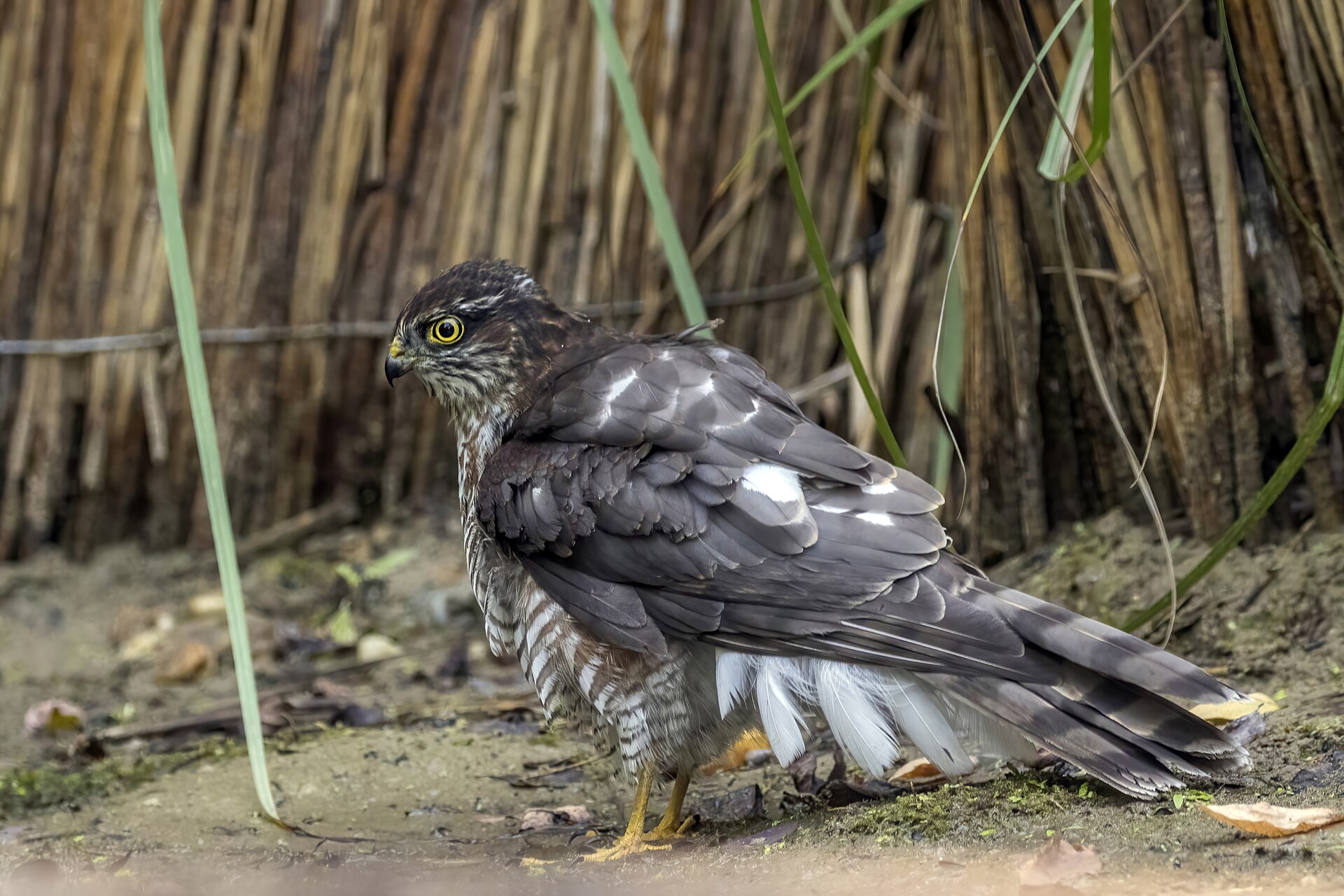
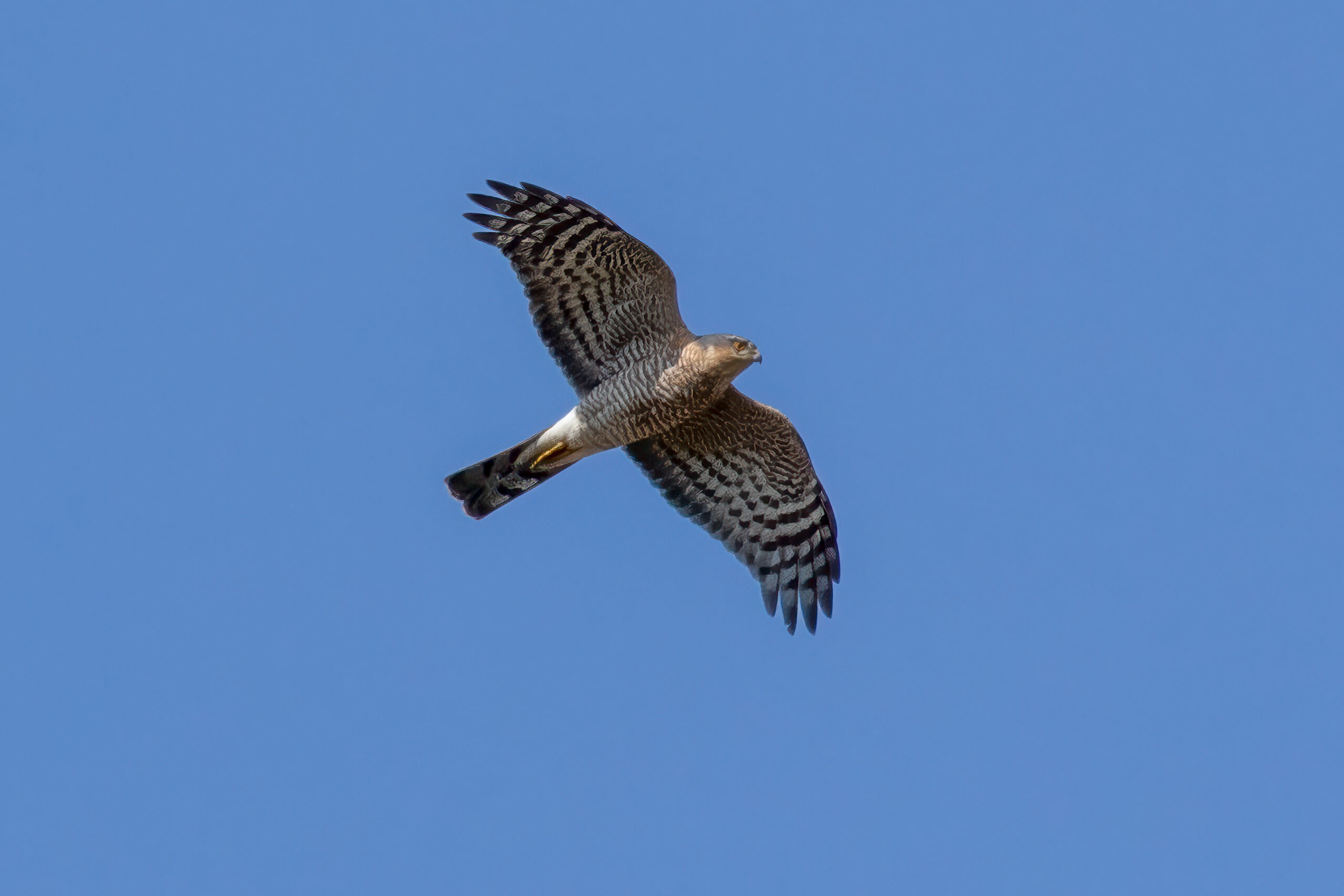
A female Eurasian sparrowhawk (Accipiter nisus) was missing its 45th tracheal ring, a finding revealed by detailed imaging of the bird after death. The authors describe it as the first reported congenital absence of a tracheal ring in a wild bird examined using micro-computed tomography (micro-CT).
Tracheal rings are cartilage supports that help keep the airway open. The researchers used limited dissection and micro-CT imaging to examine the bird’s trachea. The scan showed no other skeletal abnormalities. The bird’s origin and cause of death were unknown.
A wider gap in the airway support
At the missing ring, the space between neighbouring rings measured about 1.0 mm on one side and 1.3 mm on the other. For comparison, the average spacing between rings elsewhere in the trachea was about 0.44 mm. The missing support therefore left an unusually wide gap in the structure that helps hold the airway open.
The scan showed no collapse of the trachea. But a postmortem image cannot show how the airway moves during breathing in a living bird. The authors suggest that the gap could make that section less stable, but this case cannot establish whether the sparrowhawk had breathing problems.
The trachea also helps shape birds’ vocal sounds. The authors note that an abnormality affecting airflow or sound resonance might influence calls, which can matter in territorial behaviour and reproduction. No effect on this bird’s calls was observed, however. The case documents an unusual anatomical finding; whether it had consequences for the individual remains unknown.
Anatomy & morphology
Related news
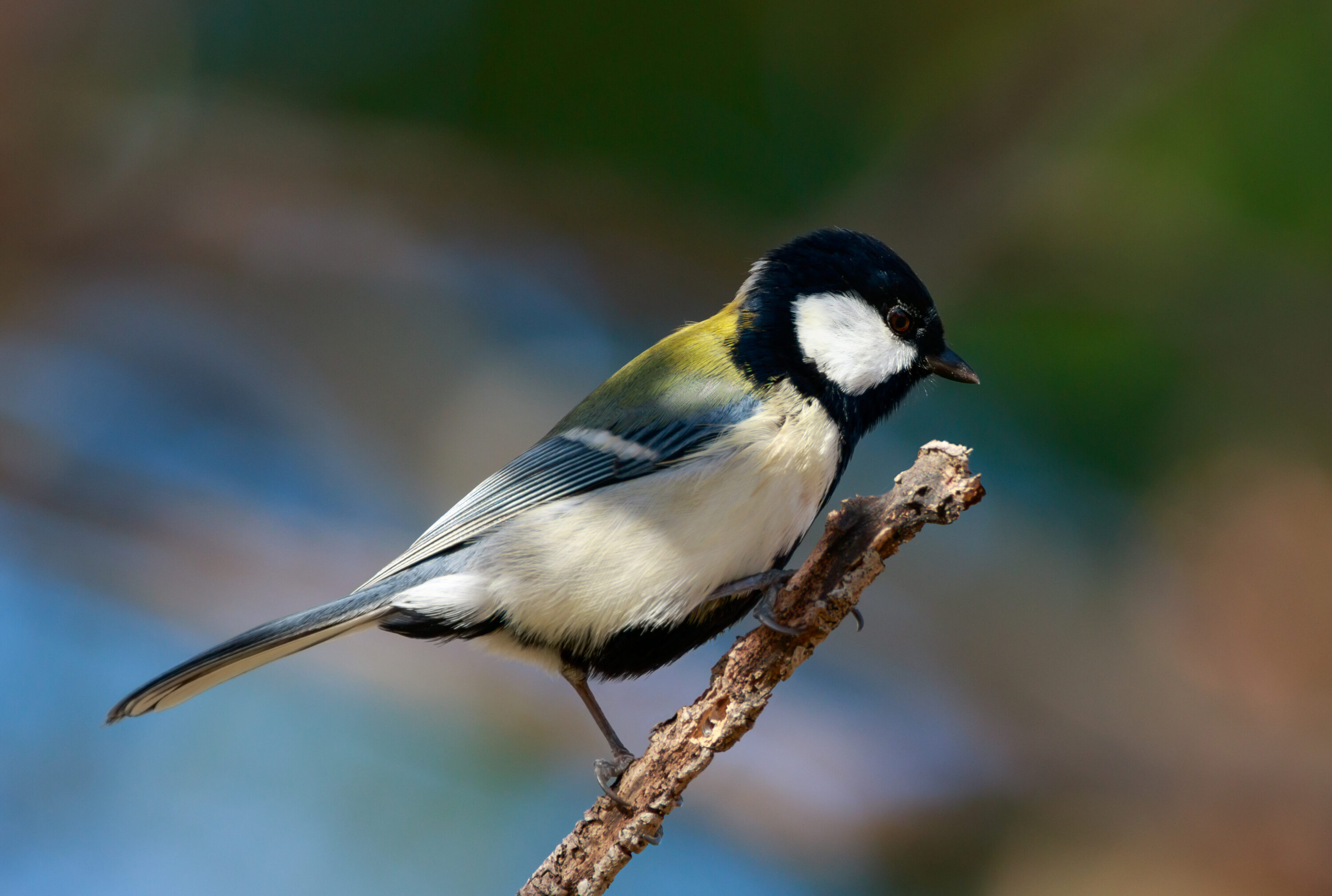
Japanese Tits Kept Their Distance From Eurasian Sparrowhawks but Defended Nests More Aggressively Against Indian Scops-Owls
At 24 nests in northeastern China, Japanese tit parents mostly kept their distance from Eurasian sparrowhawk models but…
Read story →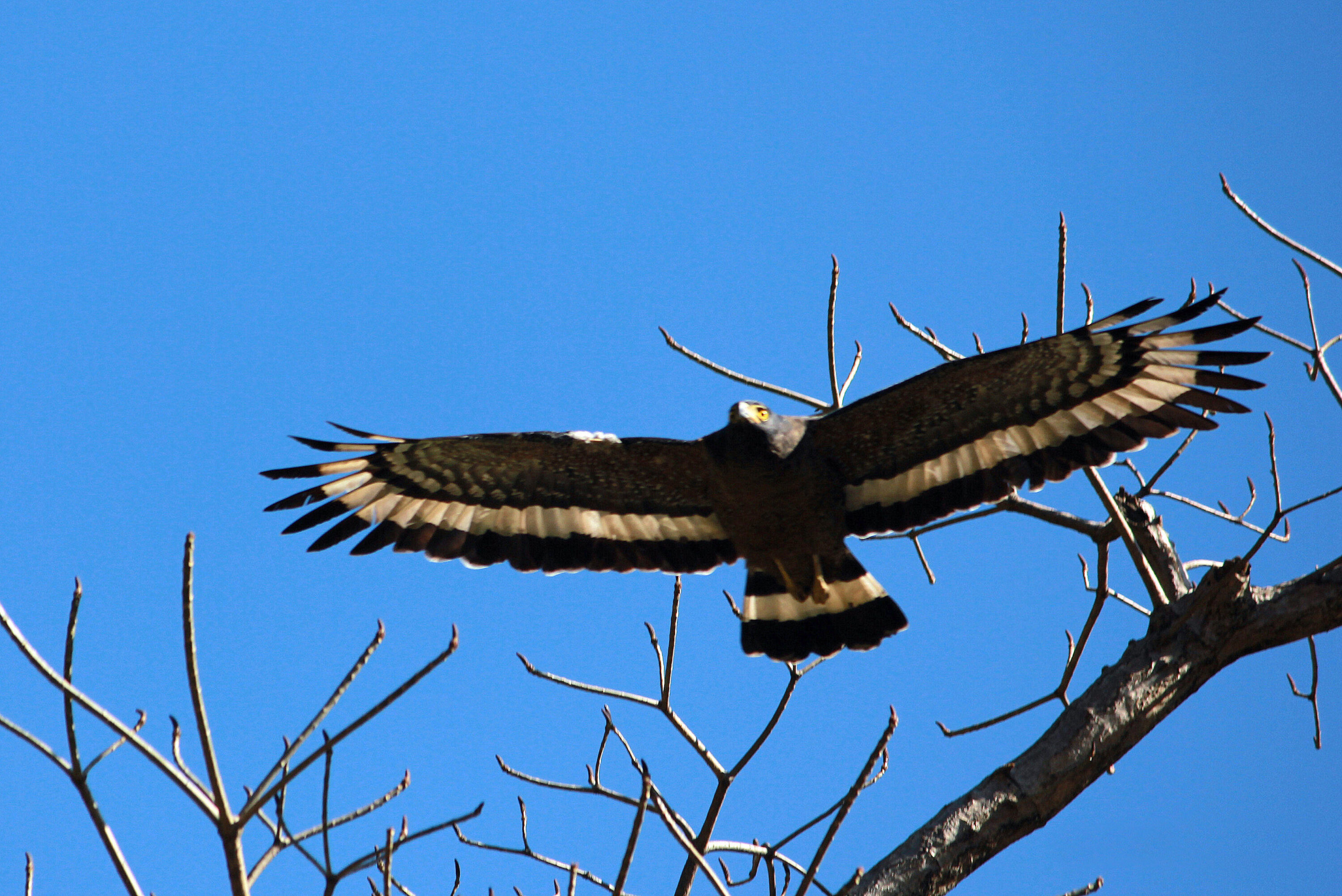
Prototype Used Tail-feather Microstructure to Classify Ten Raptor Species
A YOLOv8–logistic-regression prototype classified ten raptor species from microscopic tail-feather features with 90% accuracy on its constructed test…
Read story →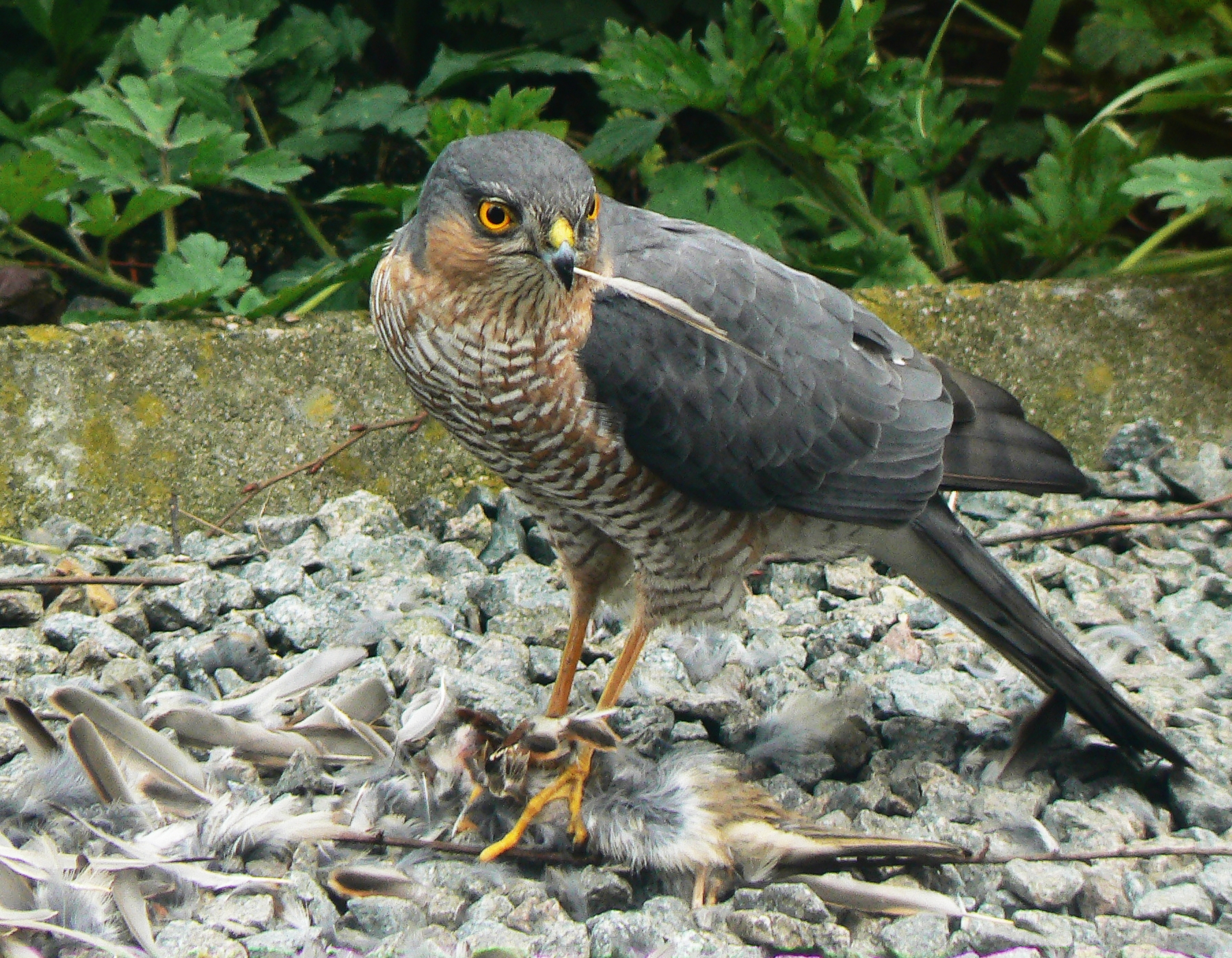
Habitat and Prey Traits Shaped Sparrowhawk Diet Around 62 Czech Nests
A 2026 Czech study of 1,107 prey items from 62 Eurasian sparrowhawk nests found that diet composition varied…
Read story →SPECIES IN THIS STORY
Species in this story
Independent research and conservation news archive
Did you find this information useful?
Wildlife Vagabond is independently built and maintained. Voluntary support helps cover source verification, hosting and continued work on research and conservation news.
Support Wildlife VagabondThe news archive will remain freely available.