
Prototype Used Tail-feather Microstructure to Classify Ten Raptor Species
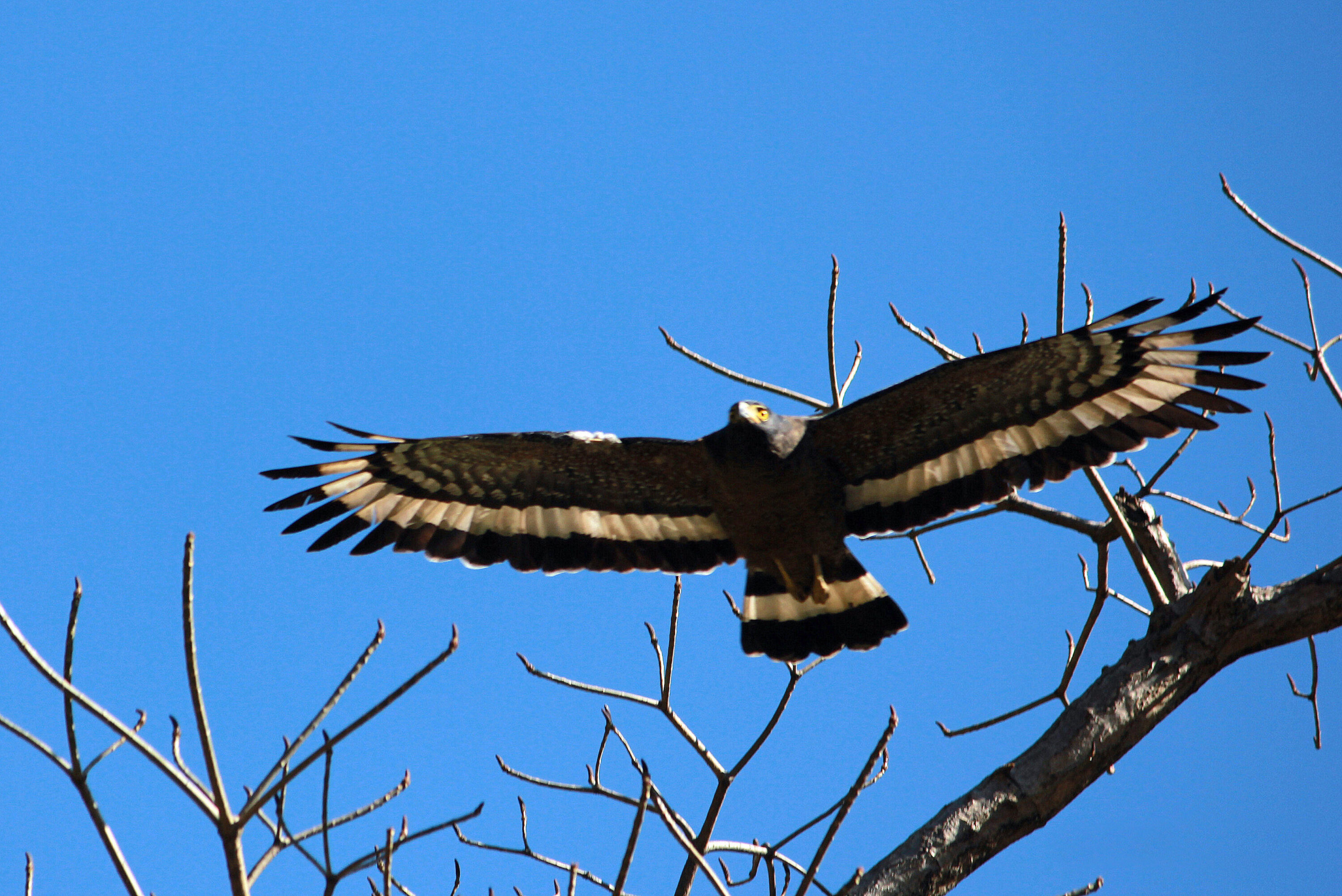
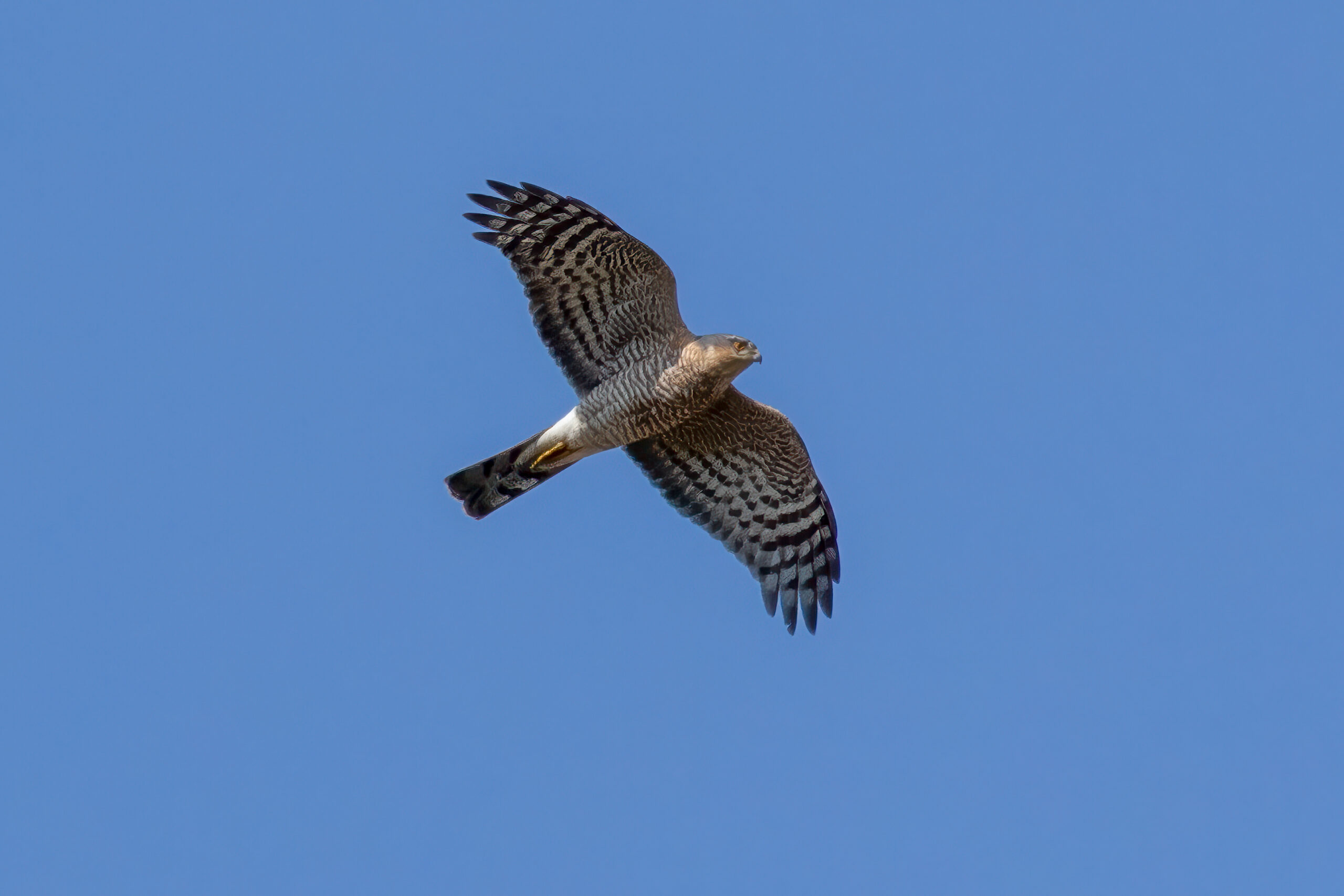
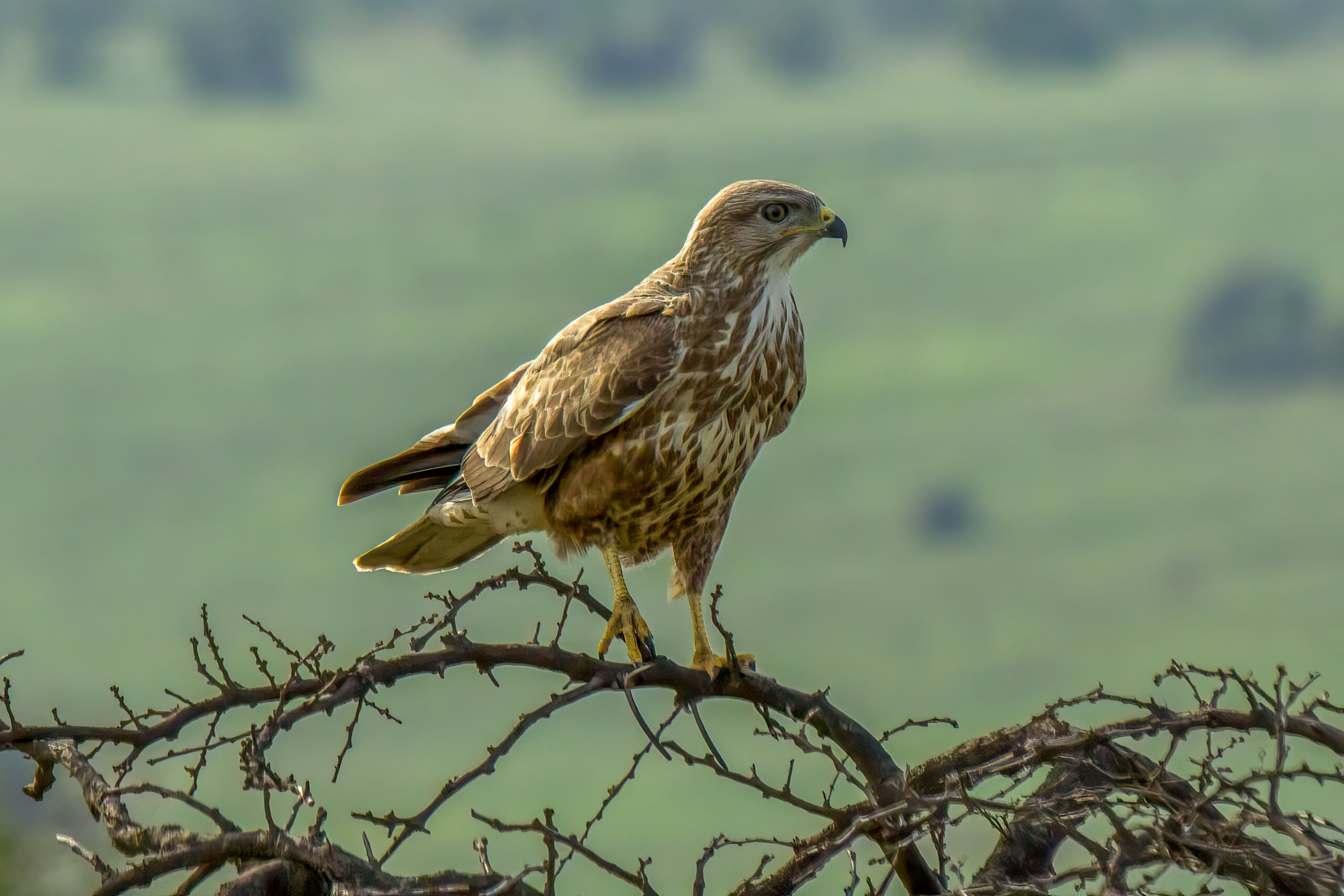
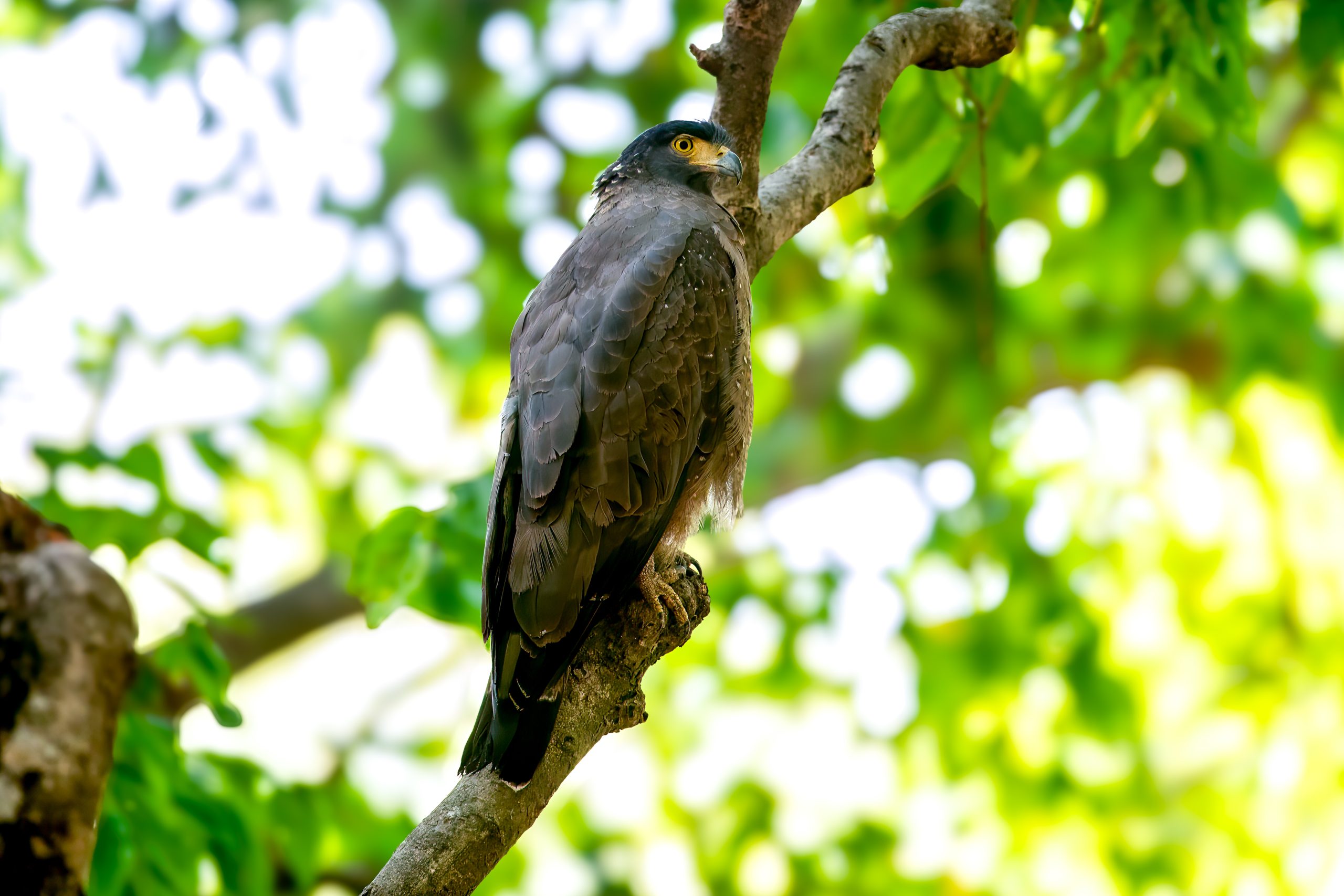
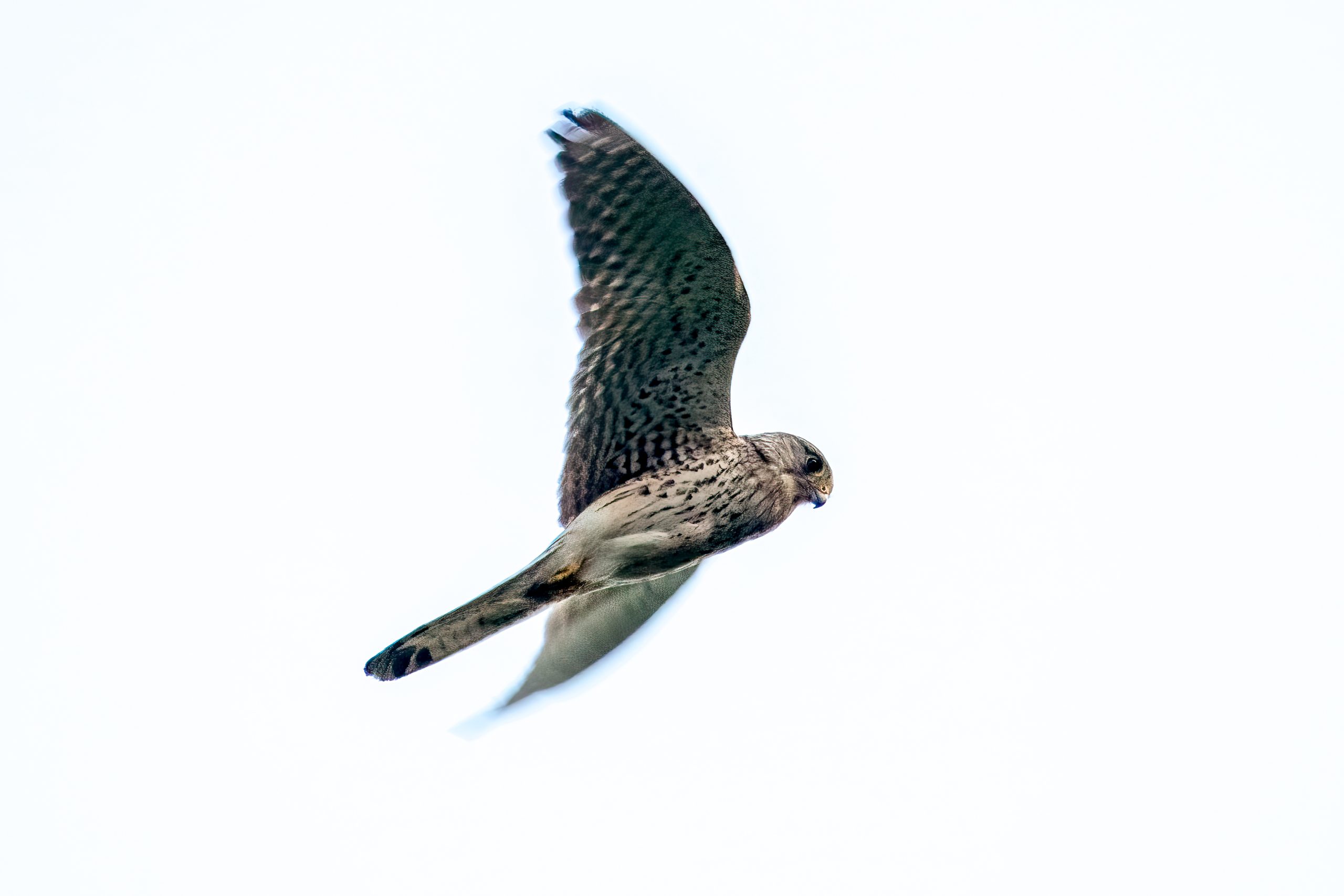
A forensic-methods study published online on 31 May 2026 built a prototype system for distinguishing ten raptor species from microscopic structures in tail feathers. The ten classes were bearded vulture (Gypaetus barbatus), golden eagle (Aquila chrysaetos), crested serpent-eagle (Spilornis cheela), besra (Accipiter virgatus), common kestrel (Falco tinnunculus), black baza (Aviceda leuphotes), Verreaux’s eagle (Aquila verreauxii), Eurasian sparrowhawk (Accipiter nisus), northern goshawk (Accipiter gentilis) and common buzzard (Buteo buteo).
Microscopic feather structures became measurable species features
The researchers used scanning electron microscopy (SEM), which images surfaces with an electron beam at far higher magnification than ordinary light microscopy. About 1,000 cropped micrograph patches were produced. YOLOv8 was trained to locate tiny feather structures such as hooklets, cilia and ventral serrations, after which the detected structures were converted into numerical features for species classification.
These microstructures were used as identification markers. The study did not experimentally test what the differences do aerodynamically or whether they reflect particular flight styles.
The reported 90% accuracy came from the constructed test dataset
The final classification stage used logistic regression. Because real scanning-electron-microscope material from protected raptors was limited, the researchers also generated about 1,000 synthetic feature samples within species-specific ranges reported in earlier studies. These artificial samples were used to provide enough data for the classifier.
The integrated system reported 90% overall classification accuracy on its test set. That result shows that the selected microstructural features could separate the ten species within the study’s constructed dataset; it is not an independent blind validation on new feathers seized in wildlife-crime investigations.
The authors identify sparse real sampling as an important limitation. Closely related species, as well as seasonal, age and subspecies variation, can produce overlapping feather structures and misclassification. They therefore argue that much broader sampling of real feathers is needed before the system can become a robust forensic identification tool.
The intended application is wildlife forensics, where loose or damaged feathers may be evidence in cases involving poaching or illegal trade. The study is best viewed as a prototype showing that quantified tail-feather microstructure can contribute to automated species identification, rather than as a field-validated replacement for established forensic identification methods.
Other research
Related news
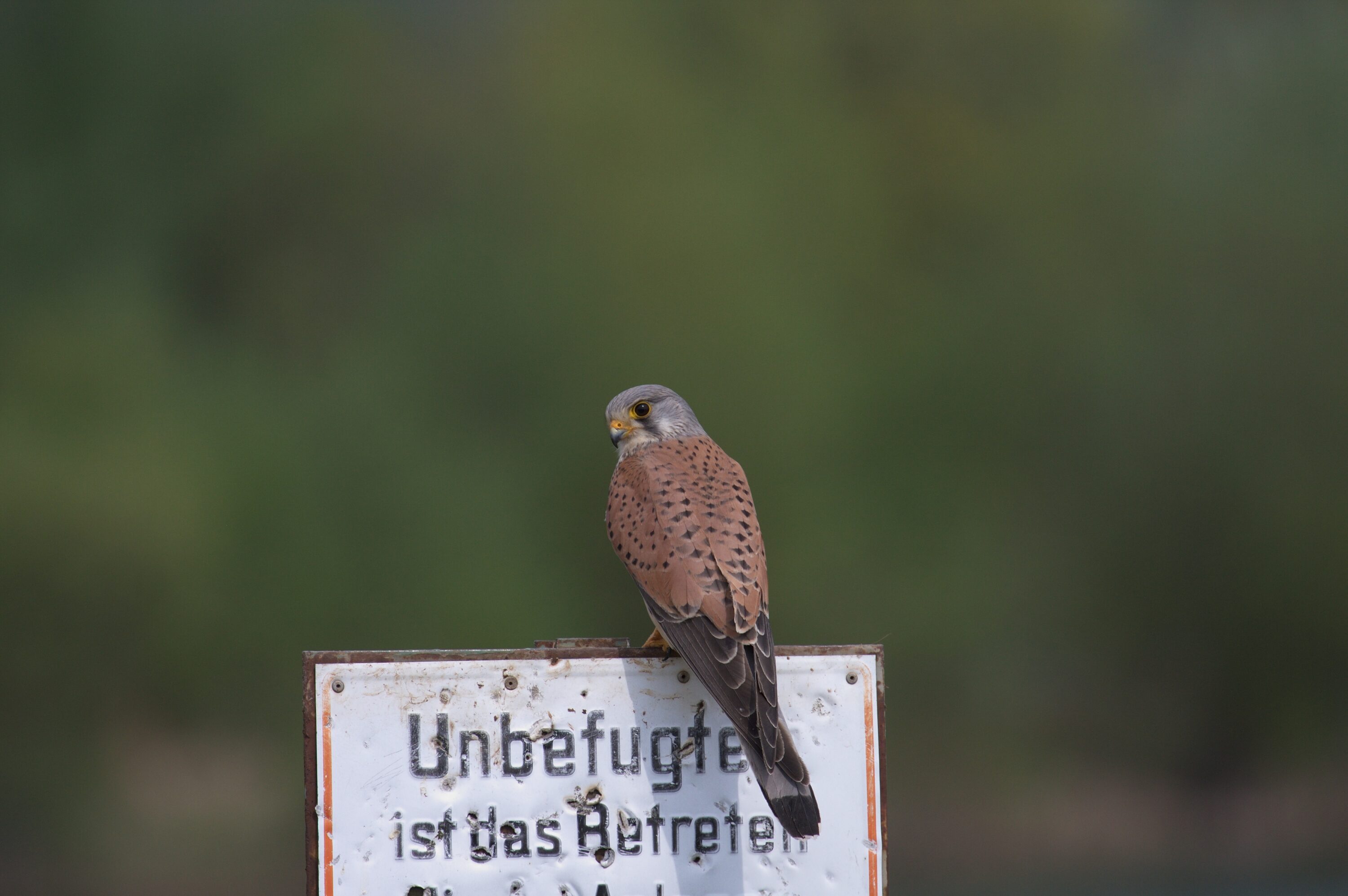
Winter Surveys Estimated 5.59 Common Kestrels and 2.61 Common Buzzards per km² in Parma Farmland
Roadside distance sampling in northern Italy estimated 5.59 common kestrels and 2.61 common buzzards per km², while the…
Read story →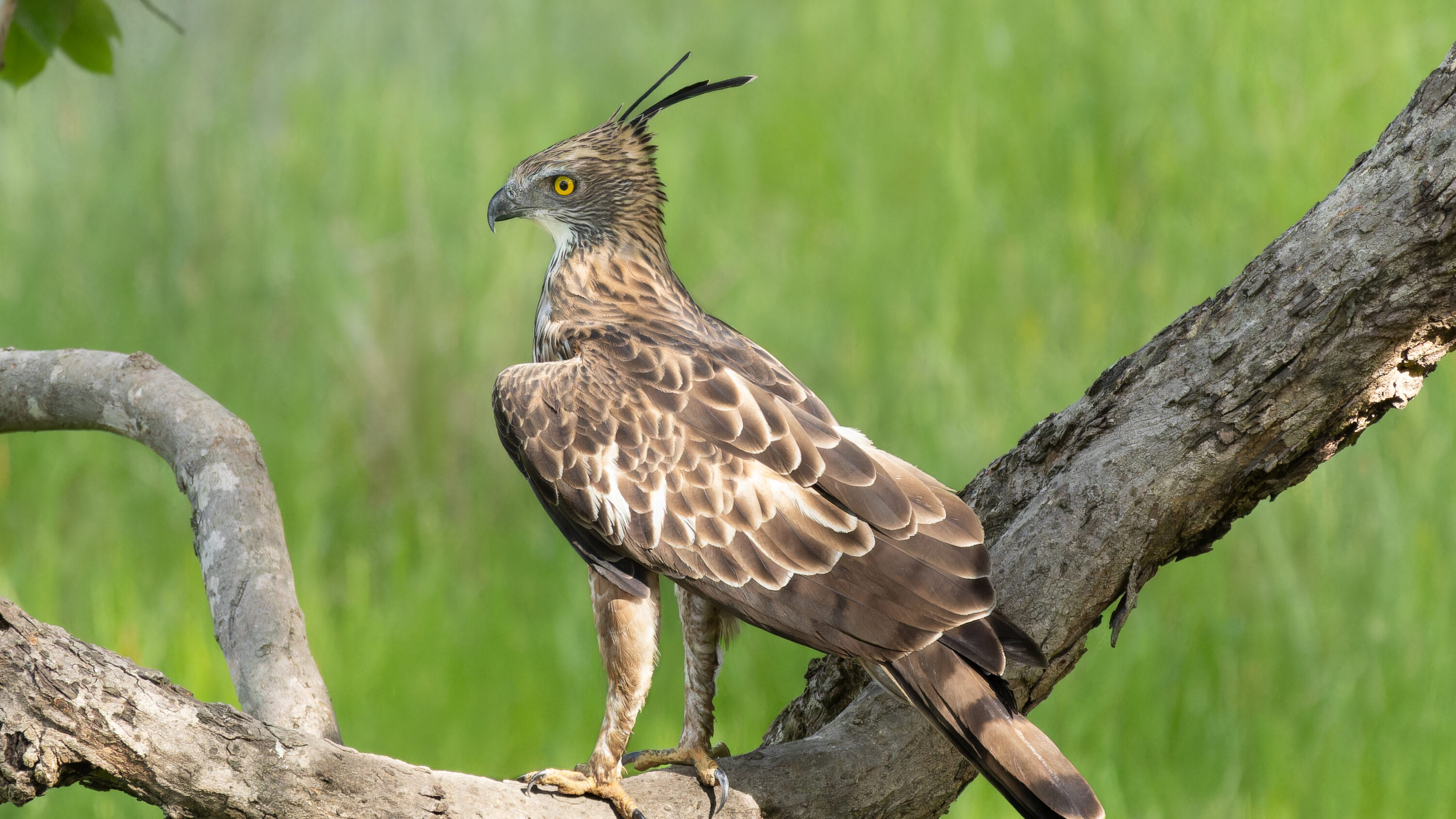
Indian Raptors Separated Across Forest, Water, Cropland and Human-Dominated Landscapes
Surveys at 445 points across seven Indian localities found distinct raptor associations with water, forest, cropland and human-dominated…
Read story →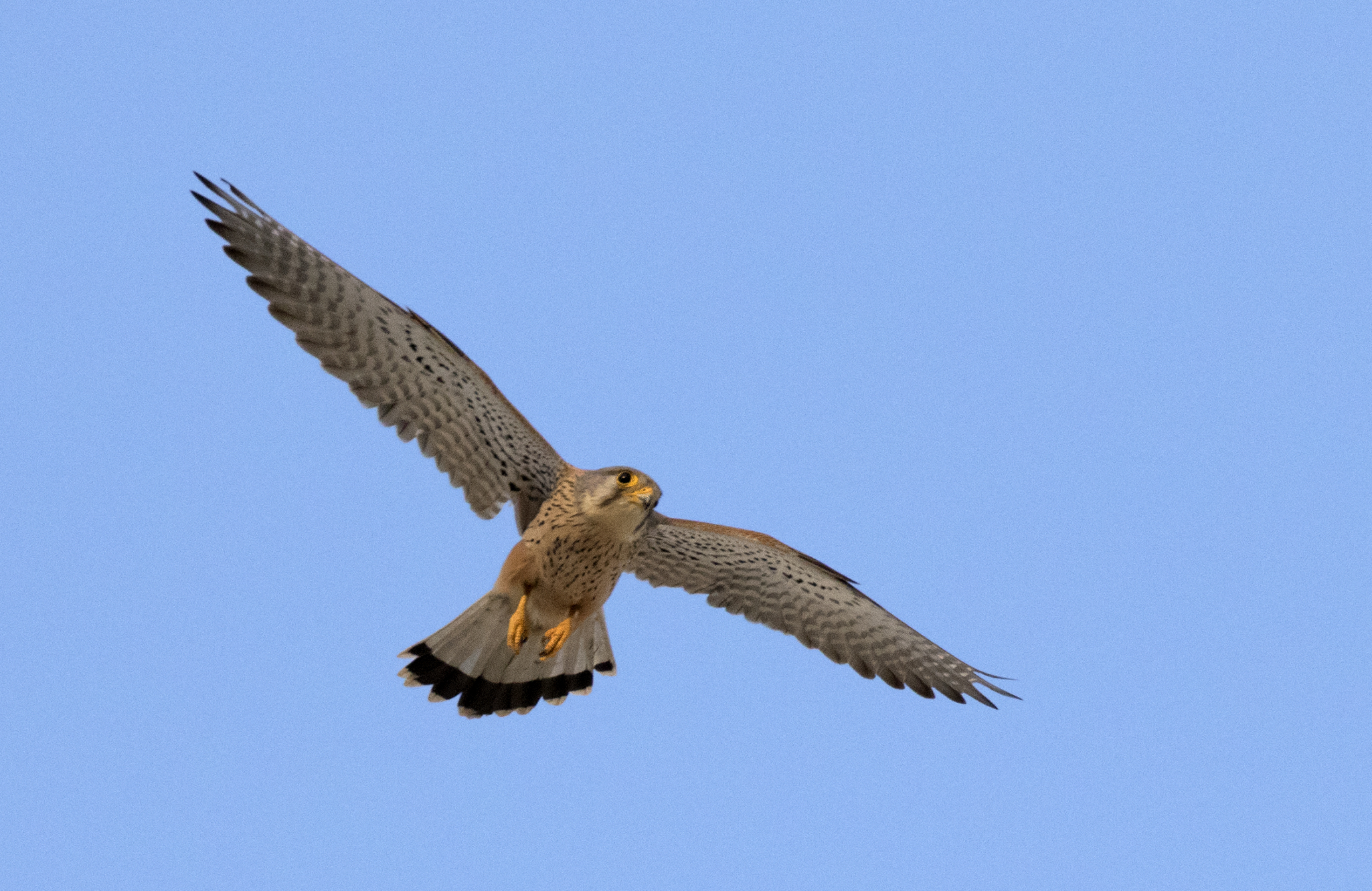
Kestrels Had More Densely Packed Mucous Glands Than Storks
A small study in Türkiye found roughly twice the density of mucus-producing glands in common kestrels’ windpipes as…
Read story →SPECIES IN THIS STORY
Species in this story
Independent research and conservation news archive
Did you find this information useful?
Wildlife Vagabond is independently built and maintained. Voluntary support helps cover source verification, hosting and continued work on research and conservation news.
Support Wildlife VagabondThe news archive will remain freely available.