
Juvenile foxes were reported earlier in built-up Switzerland—but elevation erased the gap
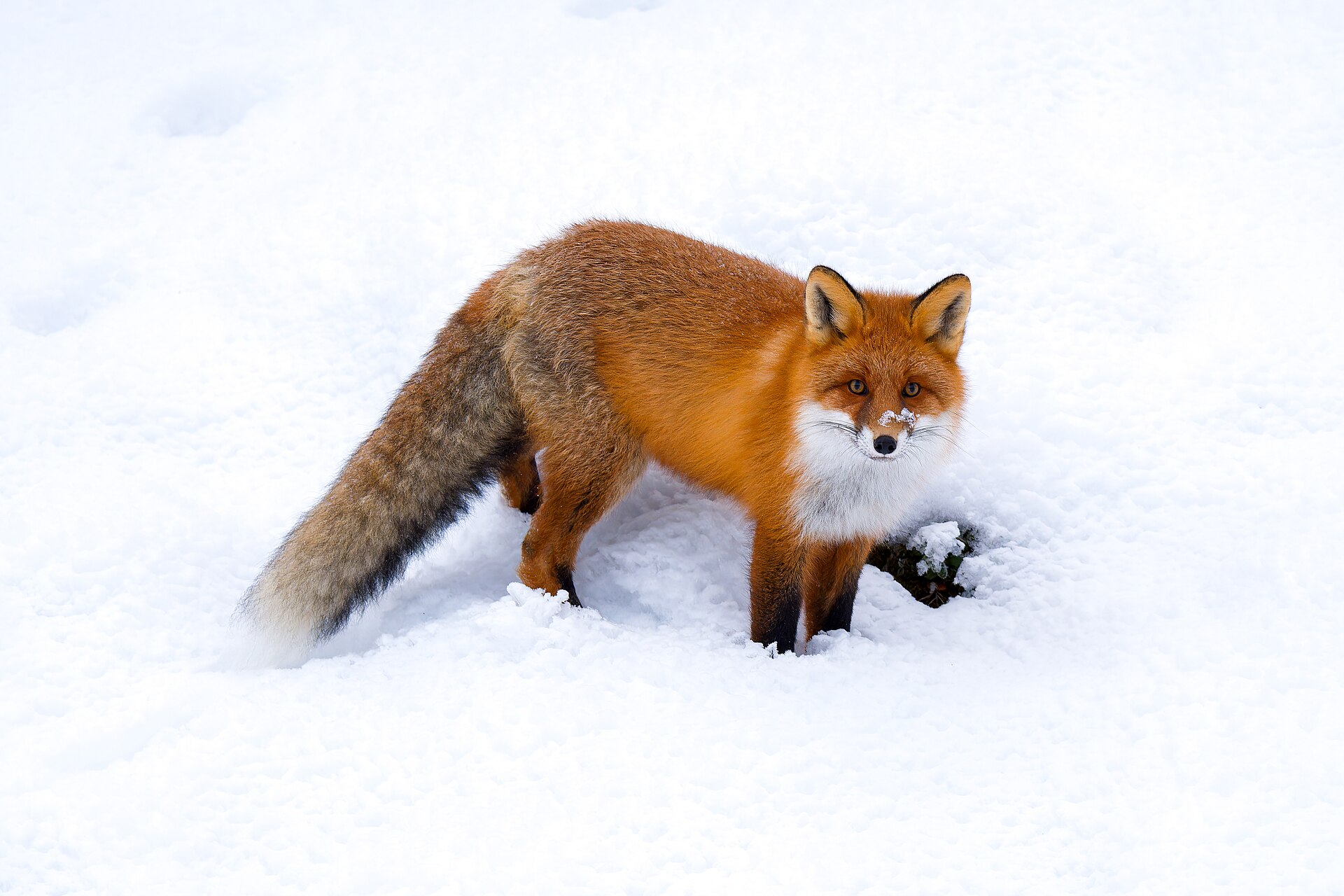
Spring reports containing juvenile Red Foxes (Vulpes vulpes) appeared earlier in Switzerland’s most built-up areas than in its least built-up areas. But the apparent difference largely disappeared when researchers accounted for the country’s elevational structure.
The study analysed 4,295 public reports of red foxes from 2018 to 2024, spread across 496 grid cells measuring 5 × 5 kilometres. Rather than estimating when cubs were born or first left their dens, the researchers compared when the estimated probability that a spring report from each area contained juveniles reached 30%. In the most built-up cells, this threshold was reached about 4.7 days earlier than in the least built-up cells.
The more built-up cells were also at substantially lower elevations. Temperature made little difference to the apparent contrast, but accounting for both elevation and temperature changed the estimate: the most built-up areas were then estimated to reach the threshold 0.7 days later. The uncertainty was wide enough that the data did not establish a clear difference between more and less built-up areas. Because Switzerland’s most built-up cells were also lower, the initial comparison mixed urbanization with geography; the study found no clear independent urban advance in the timing of records containing juveniles. This is version 1 of a preprint and has not yet been peer reviewed.
Ecology
Related news
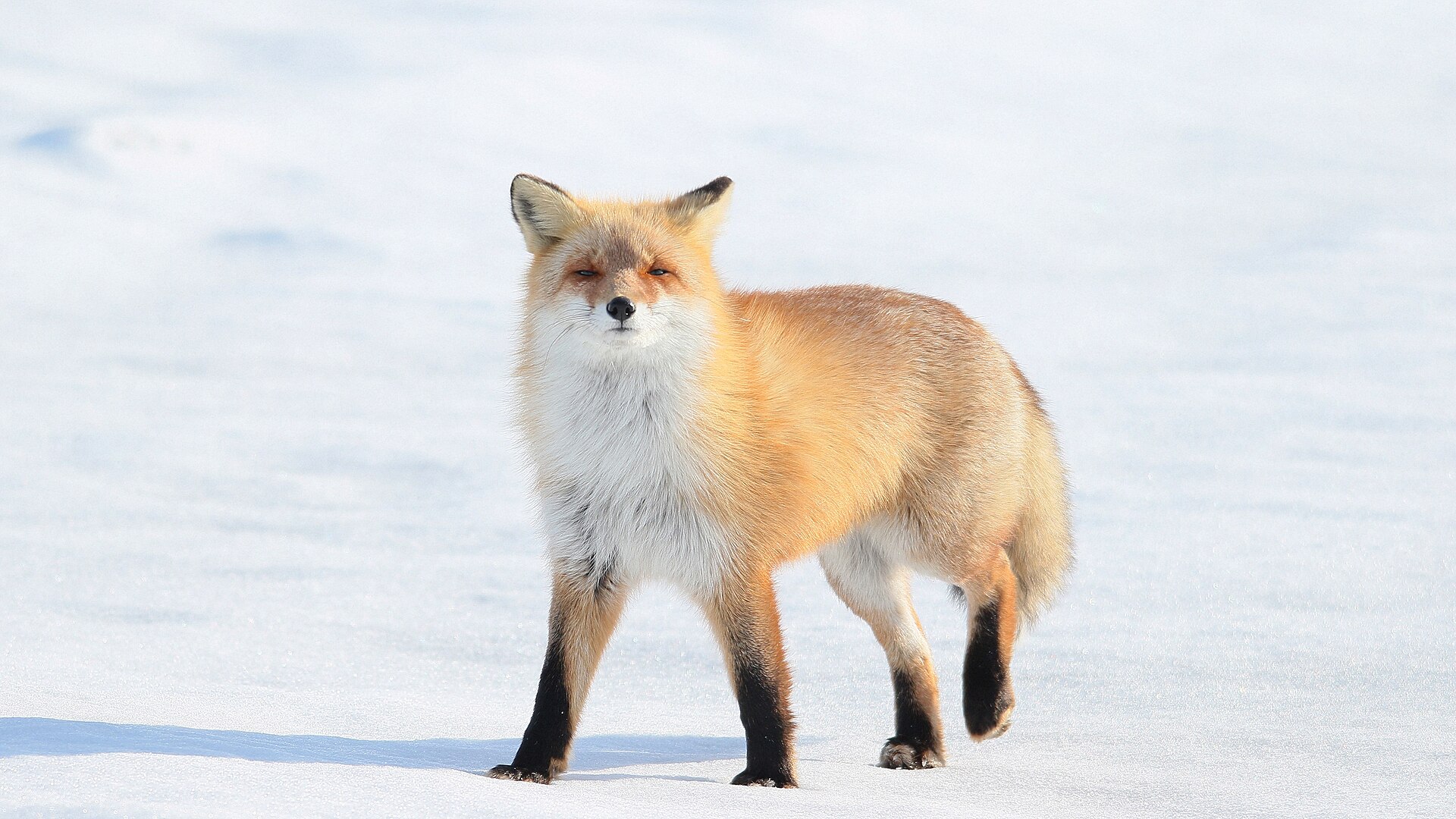
Freshwater and Rice Fields Linked to Spirometra Infection in Hokkaido Foxes
Among 251 red foxes surveyed in Hokkaido, 6.4% were infected with the zoonotic parasite Spirometra mansoni. Infection was…
Read story →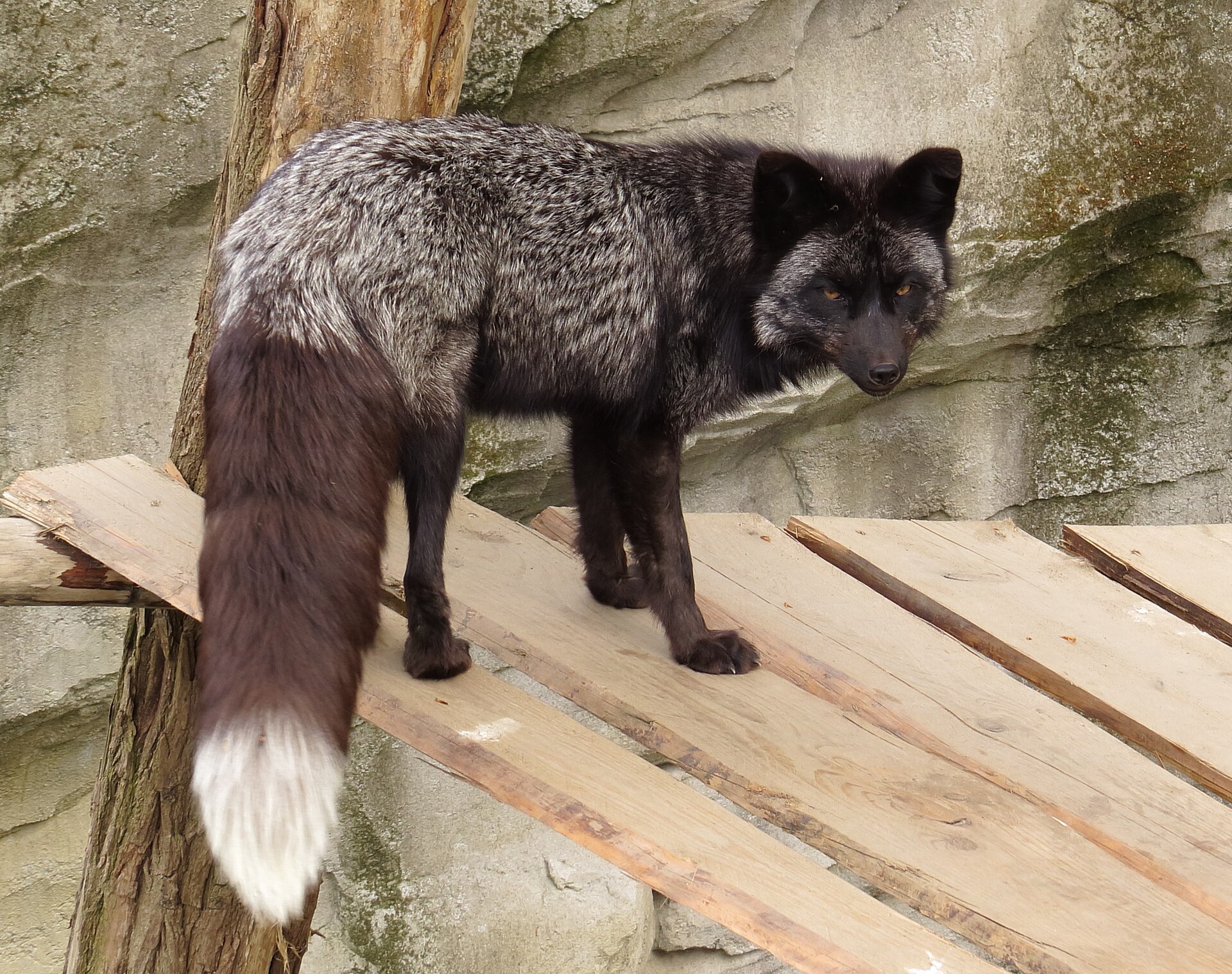
Foxes bred for tameness had fewer estrogen-receptor neurons in a hypothalamic region
A study of silver foxes in Russia found fewer estrogen-receptor-expressing neurons in one hypothalamic subdivision in foxes bred…
Read story →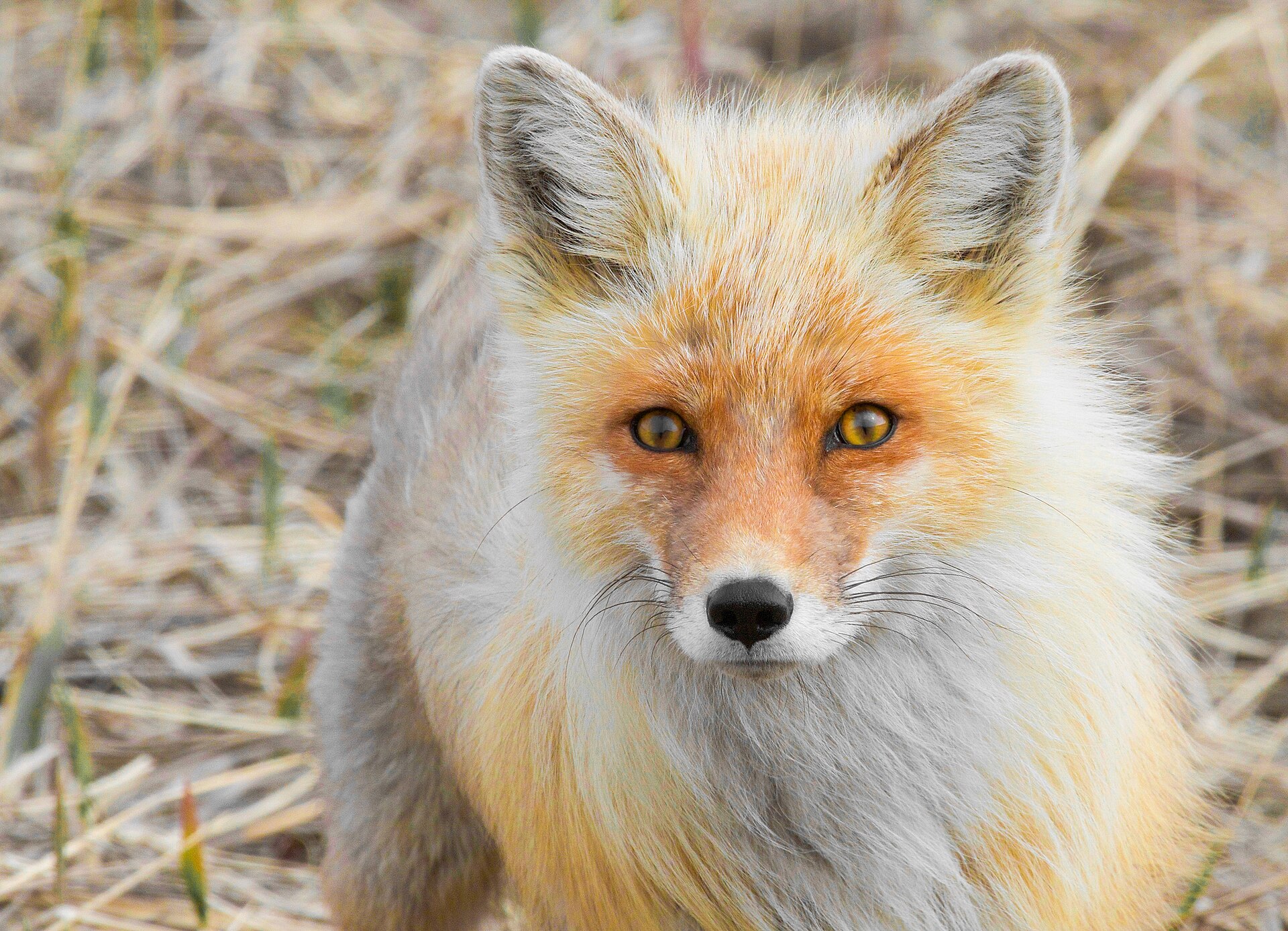
Rodents Were the Most Frequent Food Remains in Red Fox Scats from Kashmir
An autumn survey of 33 red fox scats from Limber Wildlife Sanctuary found rodent traces more often than…
Read story →SPECIES IN THIS STORY
Species in this story
Independent research and conservation news archive
Did you find this information useful?
Wildlife Vagabond is independently built and maintained. Voluntary support helps cover source verification, hosting and continued work on research and conservation news.
Support Wildlife VagabondThe news archive will remain freely available.