
Large-billed Crow MC1R Was Active Without Hormone Stimulation and May Contribute to Black Plumage
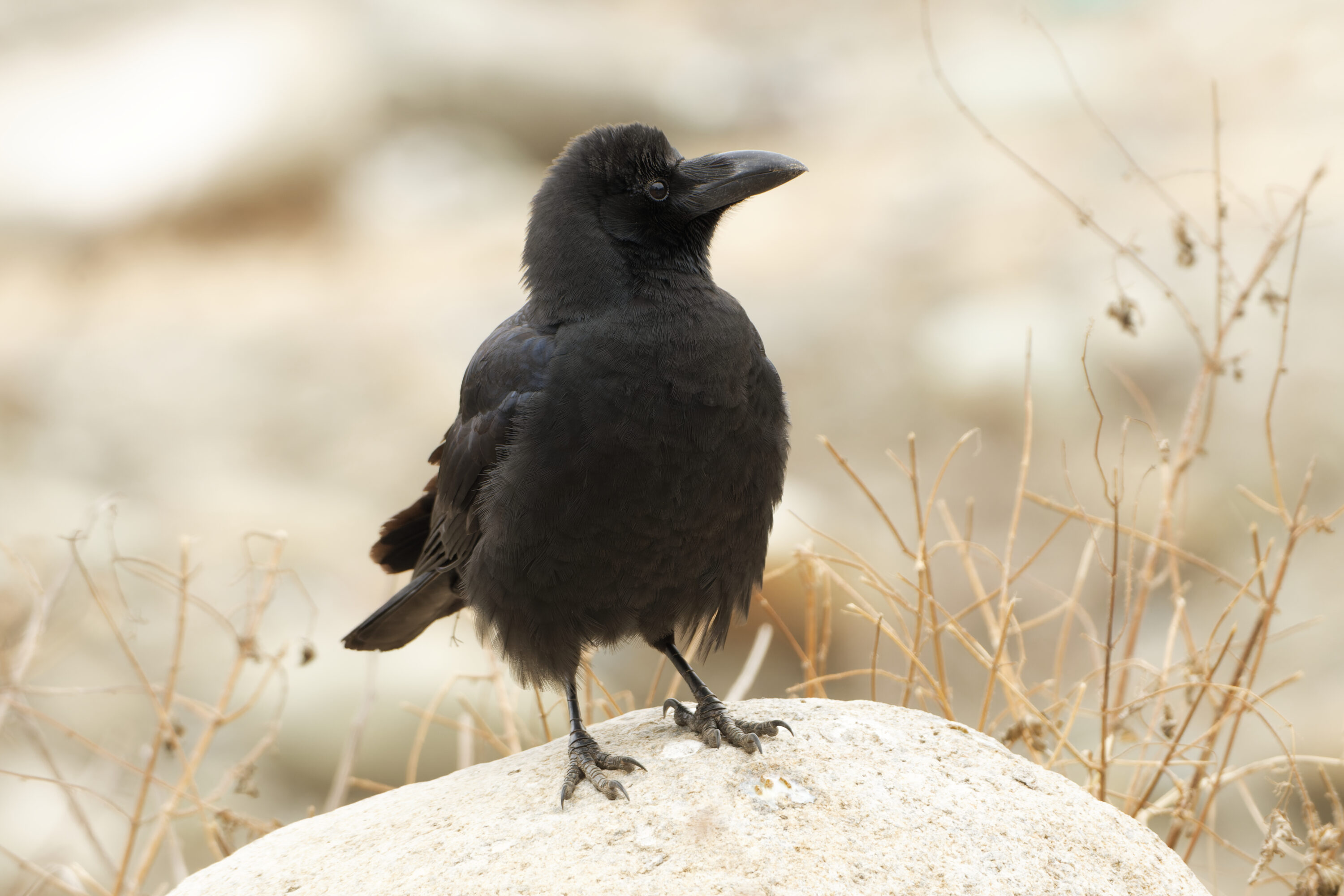
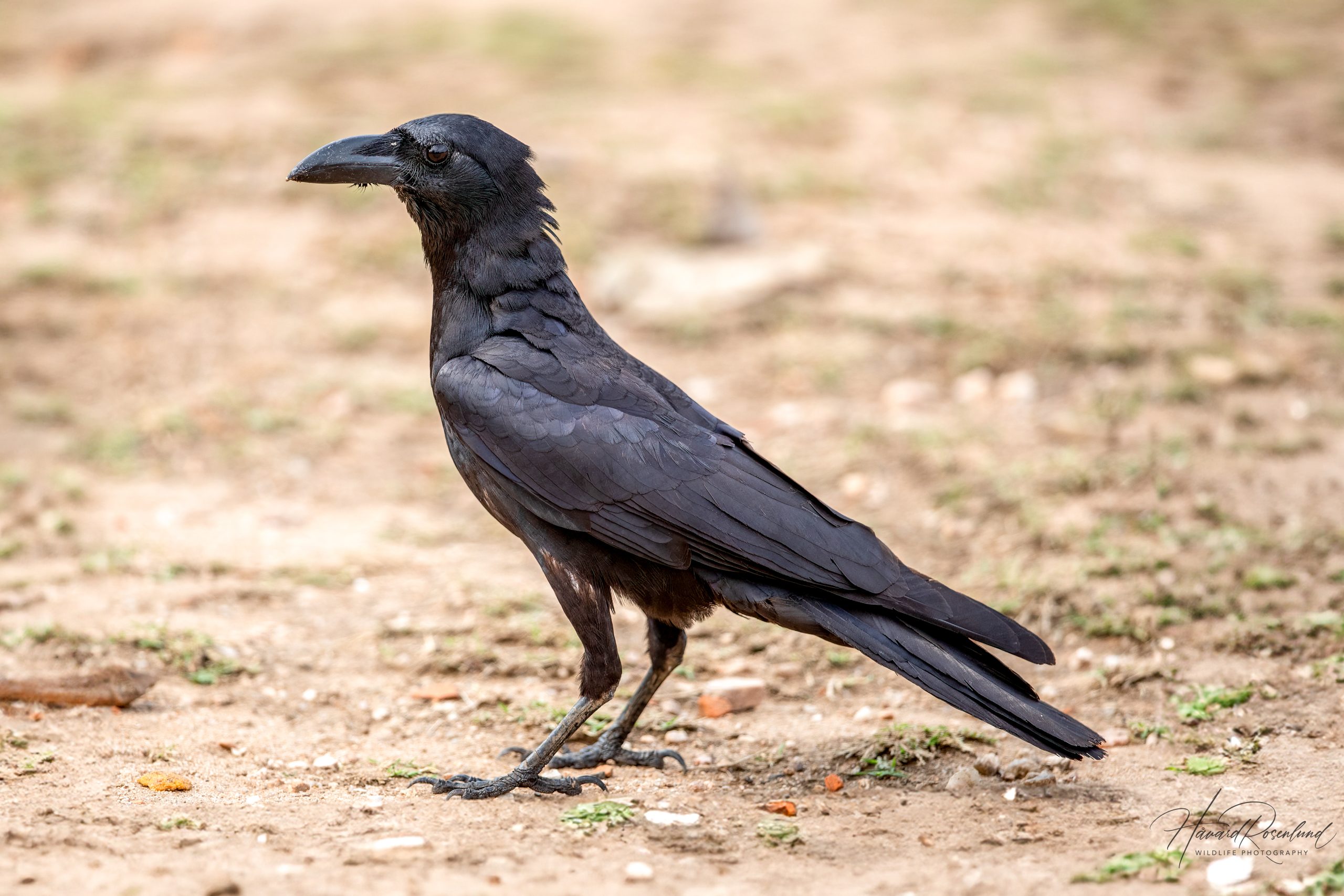
The melanocortin 1 receptor of large-billed crow (Corvus macrorhynchos) showed strong activity even without stimulation by its usual hormone signal, according to a study published in April 2026. The researchers investigated whether this continuously active receptor could help explain the species’ strongly eumelanin-dominated black plumage.
MC1R is a receptor on pigment-producing cells. When activated by α-melanocyte-stimulating hormone, it raises intracellular cAMP levels and promotes production of dark eumelanin. In laboratory cell assays, the crow version of MC1R already produced elevated cAMP signalling in the absence of added hormone and responded only weakly when α-MSH was supplied.
The receptor behaved like a switch that was already on
The researchers tested crow MC1R in two different cell systems, using both Chinese hamster ovary cells engineered to stably produce the receptor and human HEK293T cells that produced it temporarily. Both approaches showed ligand-independent signalling. The basal activity was comparable to that of a known melanising MC1R variant in domestic chicken that causes dark plumage.
The result provides experimental evidence that constitutive MC1R activity occurs in a wild bird with uniformly dark plumage. The authors describe this as a plausible molecular mechanism that may contribute to the black coloration of large-billed crows.
No single tested mutation explained the high activity
Comparative sequence analysis identified several amino-acid substitutions shared among Corvus species. The team focused experimentally on two substitutions, E12K and E18K, because similar changes have previously been associated with melanism in other birds.
E12K modestly increased basal signalling when introduced into chicken MC1R, but neither E18K alone nor the combination of E12K and E18K reproduced the high constitutive activity of the crow receptor. Reversing the same sites in crow MC1R also failed to remove its ligand-independent activity.
The unusual signalling properties of crow MC1R are therefore more consistent with a combination of lineage-specific molecular changes than with one simple activating mutation.
The authors caution that although constitutive MC1R activity is a plausible contributor to black plumage, the study does not establish a direct causal relationship between this receptor activity and the colour of feathers in living large-billed crows.
Molecular biology & biochemistry
Related news
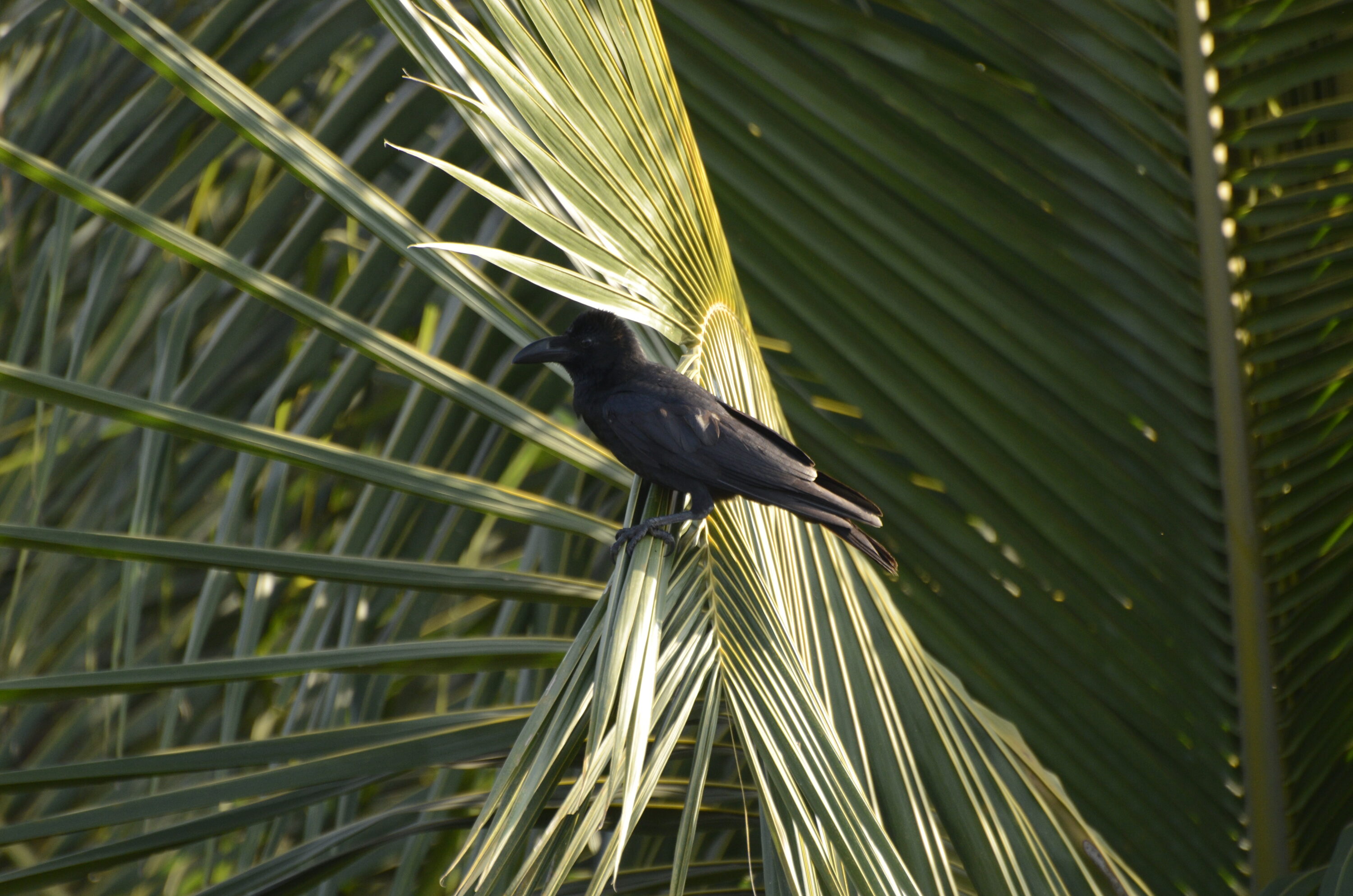
Two House Crows Began Anting After Watching a Large-billed Crow in Coonoor
In Coonoor, India, a Large-billed Crow rubbed yellow crazy ants through its plumage. Three House Crows arrived; one…
Read story →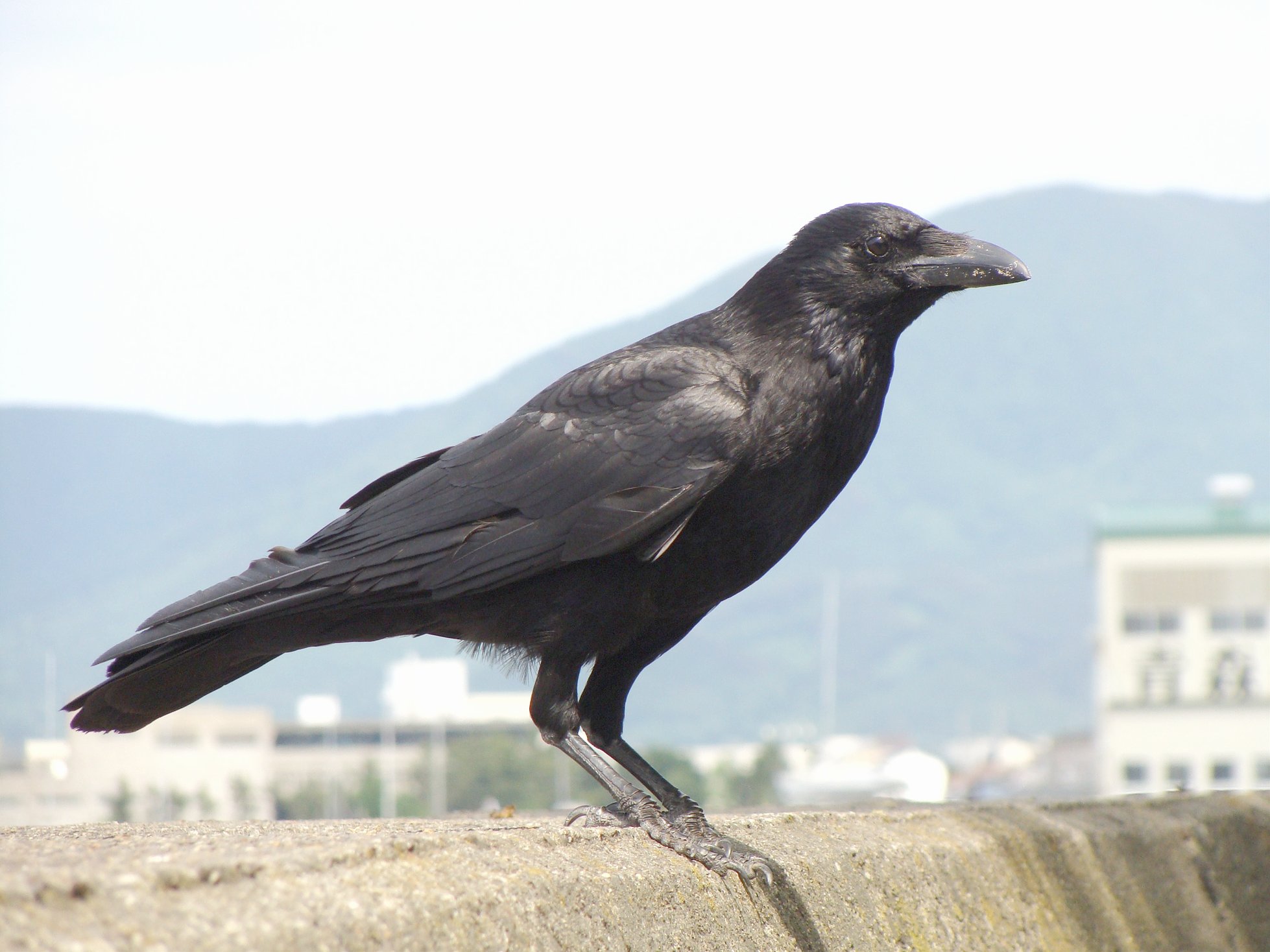
Carrion and Large-billed Crows Used Different Foods Until Winter Snow Narrowed Their Options
GPS tracking and year-round field observations in northern Japan found that non-breeding carrion crows mainly used farmland, large-billed…
Read story →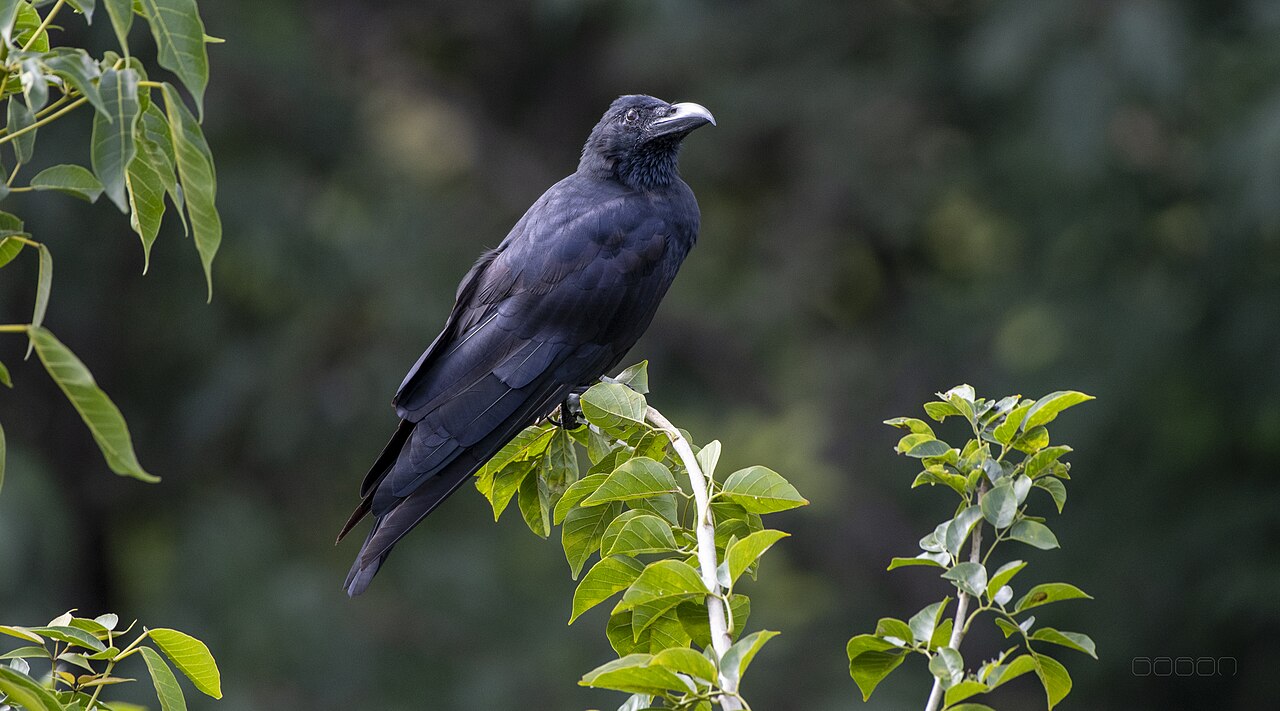
Updated India Index Estimated a 1.7% Annual Decline for Large-billed Crow
The 2026 State of India’s Birds interim update estimated a current annual decline of 1.7% in India’s large-billed…
Read story →SPECIES IN THIS STORY
Species in this story
Independent research and conservation news archive
Did you find this information useful?
Wildlife Vagabond is independently built and maintained. Voluntary support helps cover source verification, hosting and continued work on research and conservation news.
Support Wildlife VagabondThe news archive will remain freely available.