
Latitude Shaped Redshank Arrival While Breeding Outcome Shaped Departure Across Europe
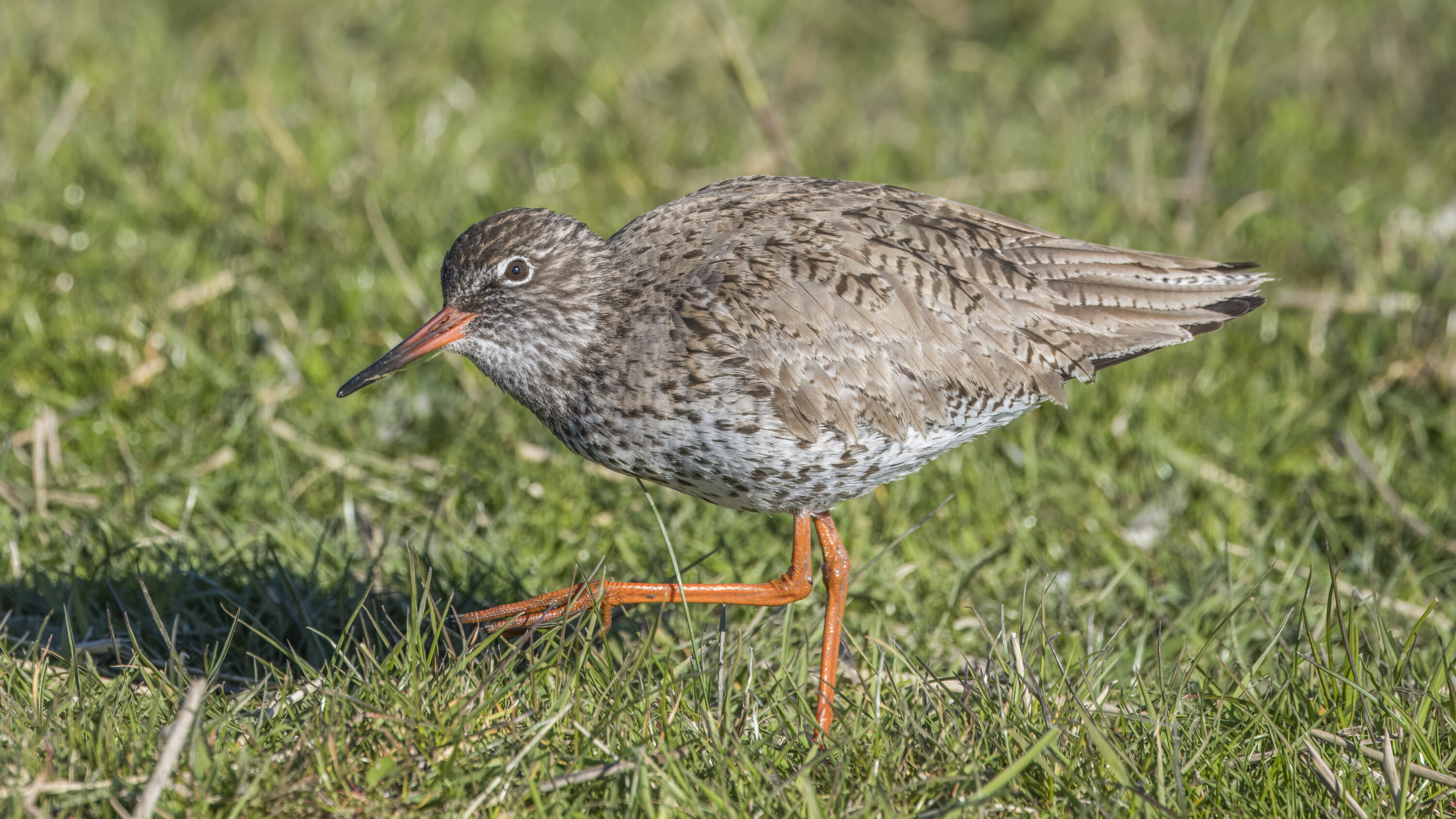
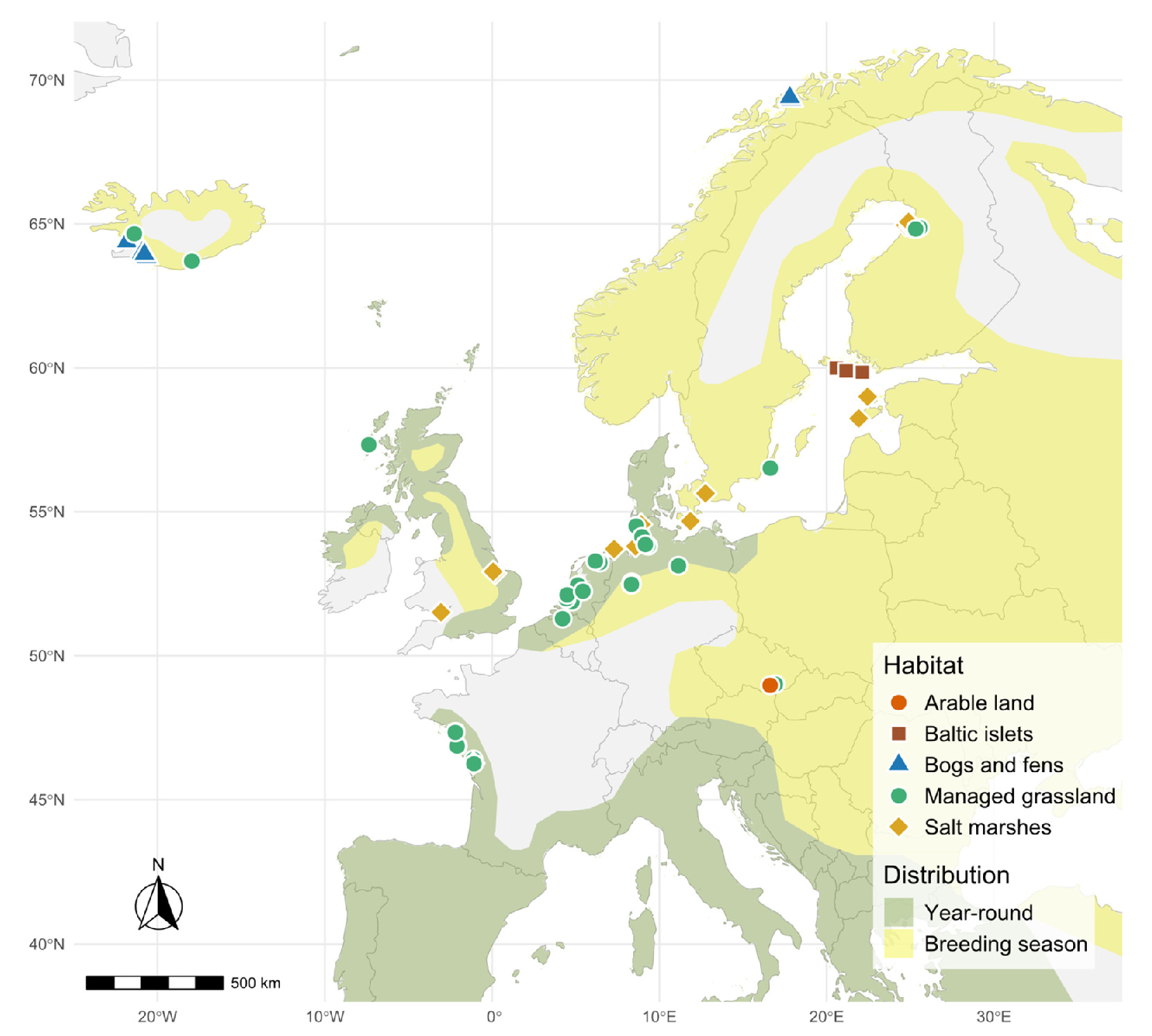
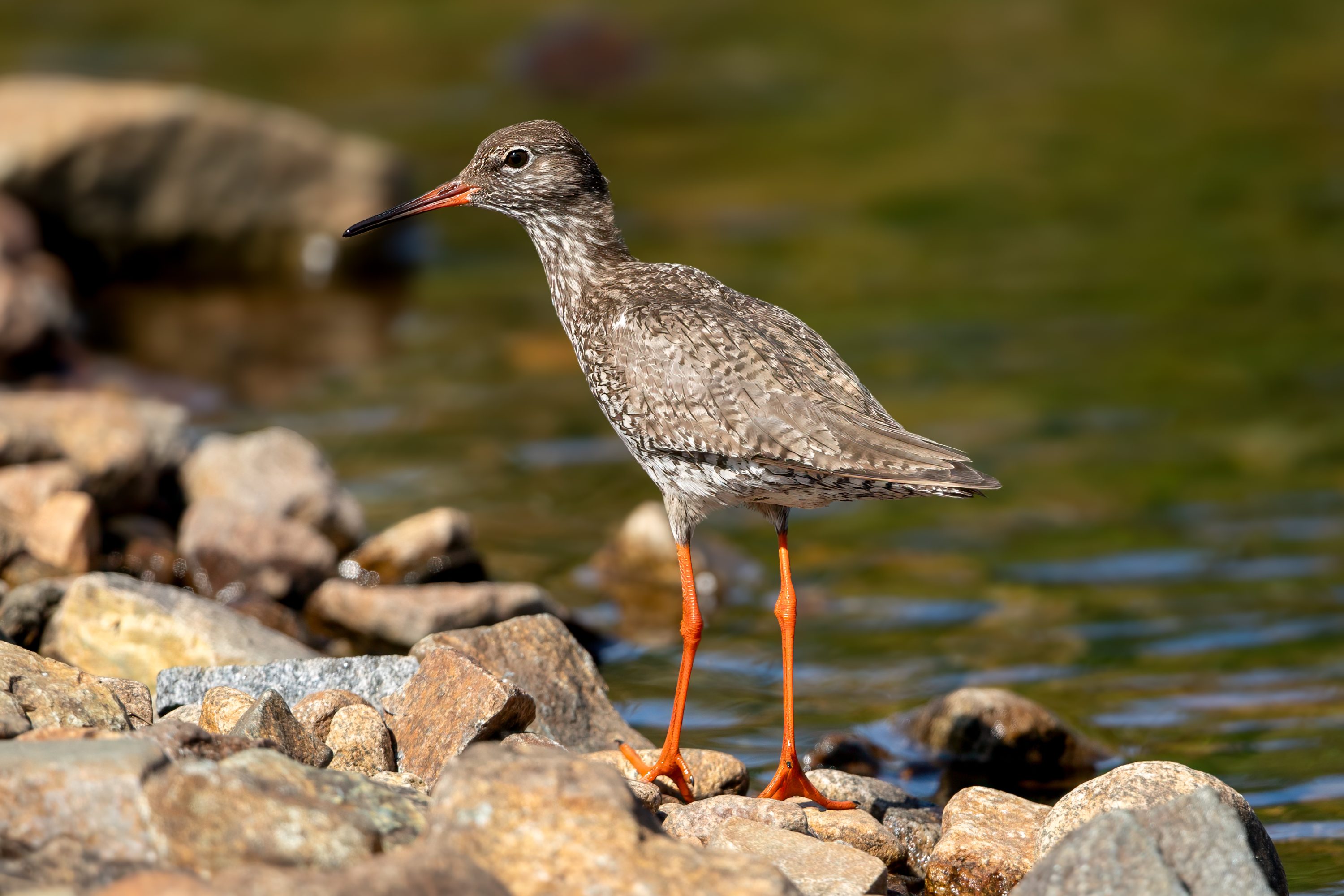
A study first published online on 9 June 2026 used high-resolution GPS tracking to follow 85 adult common redshanks (Tringa totanus) through breeding seasons across European coastal, bog and agricultural landscapes. The solar-powered tags could record positions at intervals as short as five minutes, allowing the researchers to compare arrival, egg-laying and departure timing with movements and habitat use during incubation and chick-rearing.
Later arrivals compressed the time before laying
Spring arrival shifted strongly with latitude. Birds breeding farther north arrived about two days later for each degree of latitude. Across all birds, the interval from arrival to egg laying averaged about 26 days, but later-arriving individuals shortened this pre-laying period. This behavioural adjustment partly compressed geographic differences before nesting began rather than simply carrying a late arrival forward unchanged. Across birds with complete timing data, redshanks spent about 79 days on the breeding grounds on average. Latitude also affected departure, but much more weakly than arrival.
Breeding outcome shaped departure more than latitude did
Reproductive outcome was more important for when birds left after breeding. After incubation failure, both sexes departed about 20 days after the nesting attempt ended. Following successful hatching, males stayed for about 33 days after incubation ended, compared with about 24 days for females. The roughly nine-day difference is consistent with males remaining involved in chick care longer, although the tracking data alone cannot fully establish the parental roles.
Failed breeders also changed how they used space. Their home range — the area repeatedly used during a period, estimated from the spread of GPS positions — expanded markedly after incubation failed. Successful birds remained more concentrated around the area where they were rearing chicks. The expansion therefore reflects loss of territorial attachment and more exploratory movement after breeding failure rather than simply a larger permanent territory.
Habitat structure changed how much space birds used
Space use differed strongly among landscapes. Birds whose breeding home ranges were dominated by intertidal flats used about 113 hectares on average, compared with about 32 hectares for birds mainly using low-intensity grassland. A larger home range here means that the tracked birds spread their movements over a broader area during breeding, which can reflect more dispersed feeding or other required resources rather than poorer habitat by itself. Mudflats remained important to many coastal breeders throughout the breeding cycle, while birds breeding in bogs increasingly used bog habitat during chick-rearing.
In Germany and the Netherlands, the tracked grassland breeders nested in nature reserves or grasslands under agri-environment schemes. These included wet fields, delayed mowing and water-table management. The study therefore shows that agricultural grassland can form part of suitable breeding habitat, but the tracked birds in these countries were mainly using land where management had already been modified for wader conservation.
Ecology
Related news
Common Redshank Food Intake Rate Fell as Nephtys Worms Became More Abundant
A 2026 re-analysis of field data from 16 estuarine mudflats in southern England and South Wales found that…
Read story →
Bangladesh-Wintering Redshanks Used a Narrower Himalayan Corridor Than Singapore Birds
Nine Common Redshanks tracked from southern Bangladesh used a much narrower trans-Himalayan migration corridor than previously tracked Singapore-wintering…
Read story →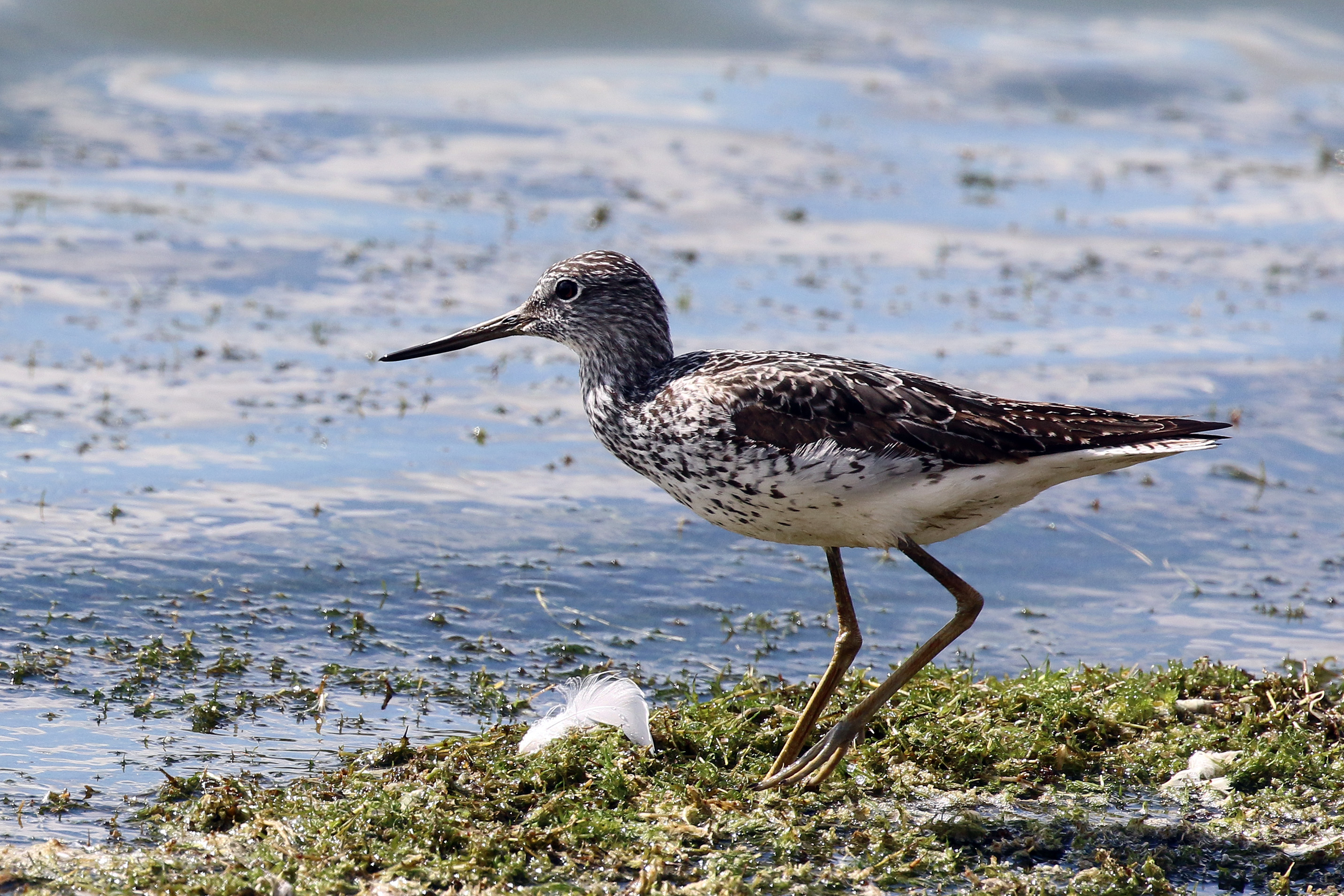
Coastal Stopover Dependence Best Predicted Which Shorebirds Declined in Bangladesh Counts
Fourteen years of counts on Sonadia Island found downward trends in 12 of 20 migratory shorebirds. Seven of…
Read story →SPECIES IN THIS STORY
Species in this story
Independent research and conservation news archive
Did you find this information useful?
Wildlife Vagabond is independently built and maintained. Voluntary support helps cover source verification, hosting and continued work on research and conservation news.
Support Wildlife VagabondThe news archive will remain freely available.