
Fifteen of 39 Pole-mounted Nest Boxes Were Used by Kestrels in Latvia in 2025
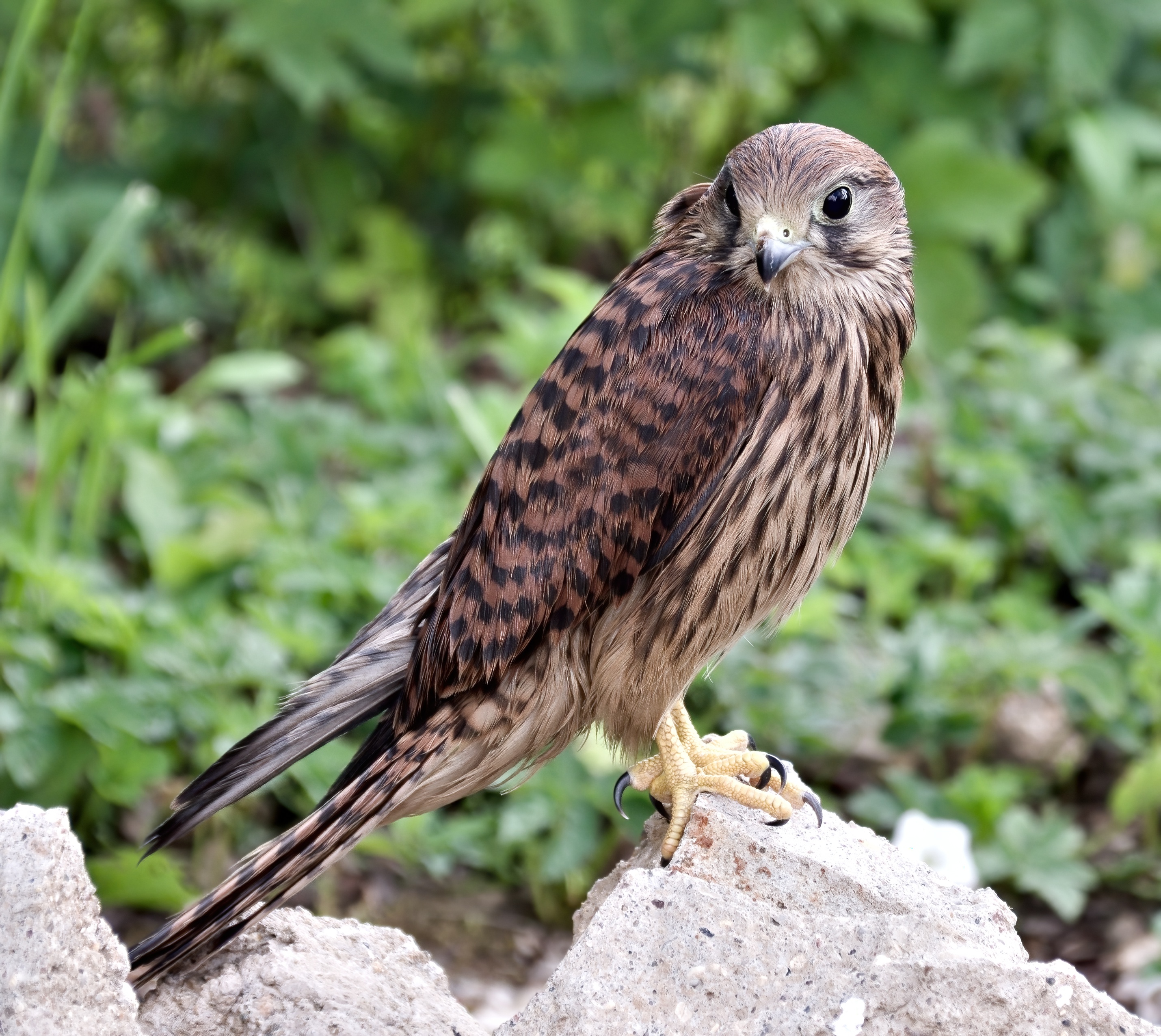
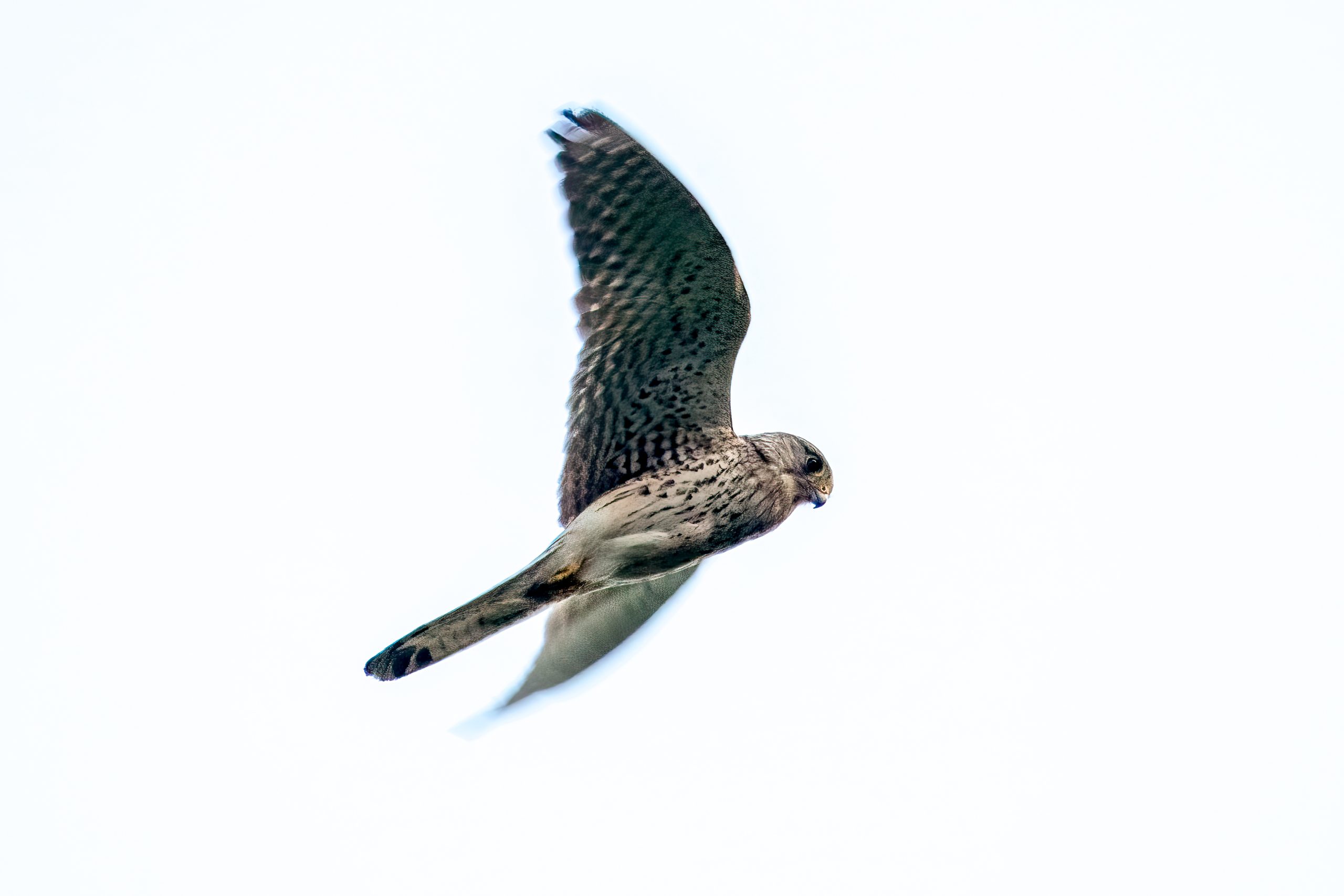
A Latvian conservation programme for common kestrel (Falco tinnunculus) has increasingly moved nest boxes onto wooden electricity poles in open fields after camera traps documented repeated nest destruction by pine martens (Martes martes). A 2026 paper summarises the programme’s results and the status of the declining Latvian kestrel population.
In 2025, kestrels occupied 33 of 105 installed nest boxes and 23 of those nests were successful. Successful nests produced an average of 5.40 nestlings, while the average across all occupied boxes was 4.22. The programme colour-ringed 128 chicks.
Pine martens drove the shift toward pole-mounted boxes
Camera monitoring recorded at least eight nests destroyed by pine martens between 2022 and 2025. From 2024, nest boxes were therefore installed on wooden electricity poles in the middle of fields, where martens were considered less likely to reach them. In 2025, kestrels used 15 of the 39 pole-mounted boxes. The paper reports breeding success in 85% of occupied pole-mounted boxes, compared with 67% of occupied boxes in trees. One pole-mounted nest box was destroyed by a pine marten in 2024, while none were recorded destroyed by pine martens in 2025.
The nest-box programme responds to a national decline
The authors place the nest-box work in the context of a strong national decline. During the second European Breeding Bird Atlas survey period, breeding kestrels were confirmed in only 17 Latvian 5 × 5 km squares. In the Third Latvian Breeding Bird Atlas period of 2020–2024, breeding was confirmed in 33 squares; the authors consider nest-box provision a likely contributor to that increase in occupied squares. Colour ringing also showed regional connectivity: six females and one male ringed as chicks in Finland later bred in Latvia, while one female hatched in Latvia was later recorded breeding in Finland.
Management
Related news
Kestrels Had More Densely Packed Mucous Glands Than Storks
A small study in Türkiye found roughly twice the density of mucus-producing glands in common kestrels’ windpipes as…
Read story →
No Common Kestrels Were Recorded at Rani for Three Consecutive Winters
Fourteen winters of surveys at Rani in Assam produced 422 common kestrel records, but sightings declined after 2020…
Read story →
Winter Surveys Estimated 5.59 Common Kestrels and 2.61 Common Buzzards per km² in Parma Farmland
Roadside distance sampling in northern Italy estimated 5.59 common kestrels and 2.61 common buzzards per km², while the…
Read story →SPECIES IN THIS STORY
Species in this story
Independent research and conservation news archive
Did you find this information useful?
Wildlife Vagabond is independently built and maintained. Voluntary support helps cover source verification, hosting and continued work on research and conservation news.
Support Wildlife VagabondThe news archive will remain freely available.