
Laughing Dove Preen Secretions Showed Strong Antimicrobial Activity
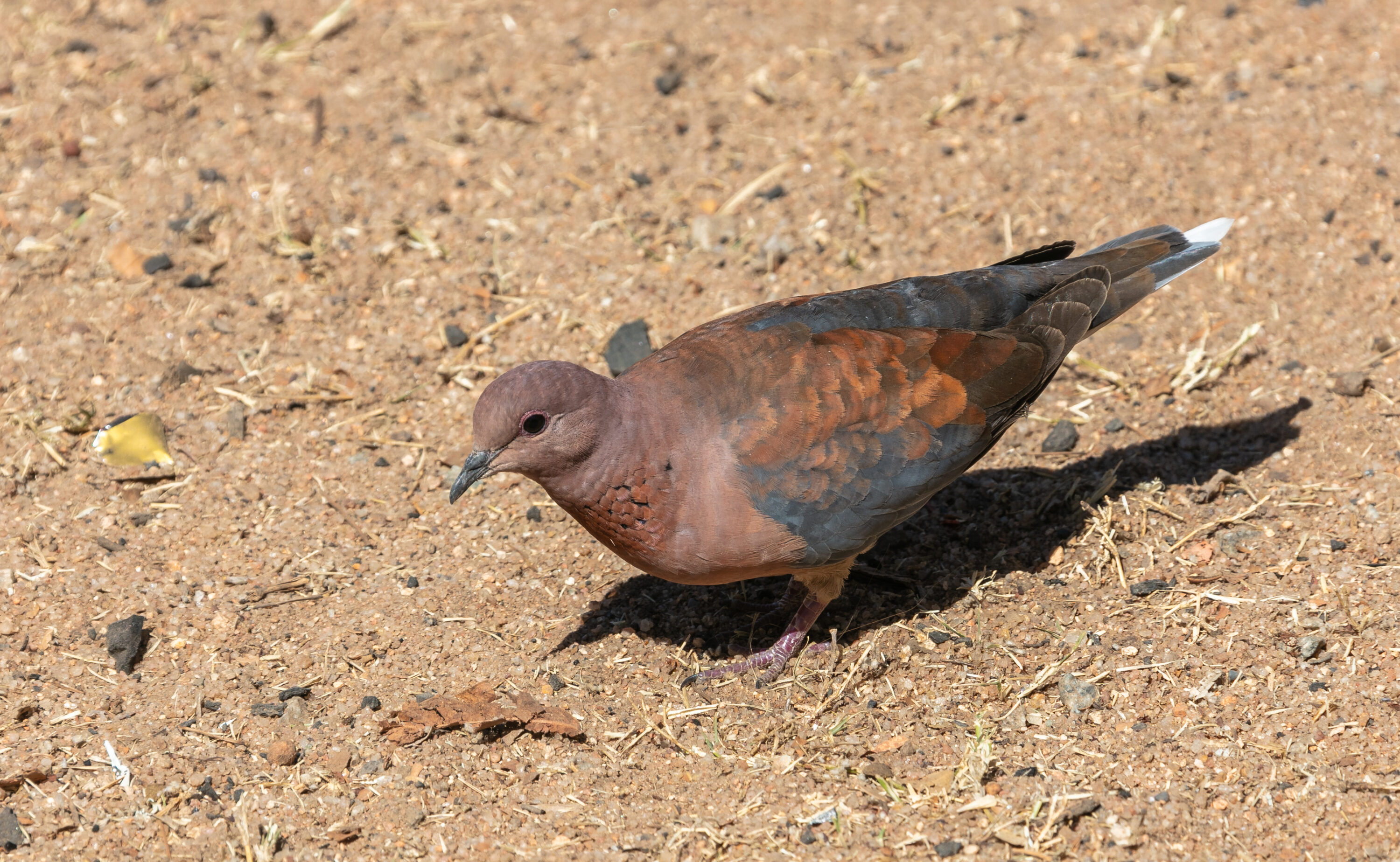
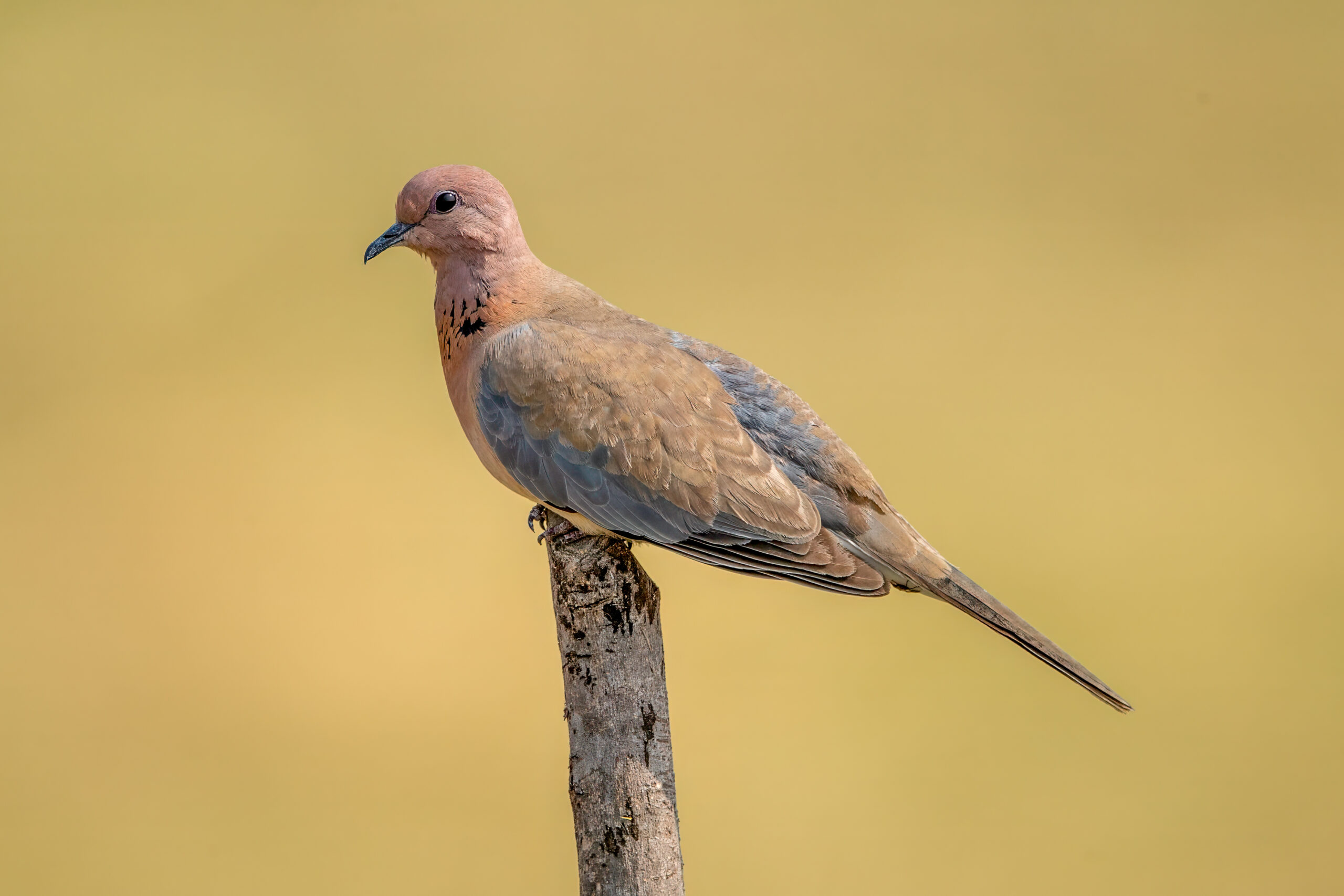
A comparative study of three bird species found that the skin and feather-associated microbial communities of the laughing dove (Spilopelia senegalensis) differed markedly from those of common quail (Coturnix coturnix) and muscovy duck (Cairina moschata). The study was first published on 10 June 2026 in Journal of Experimental Zoology Part A: Ecological and Integrative Physiology.
Researchers examined five healthy adult males of each species. The birds were collected alive from a local bird market in Al-Jouf Province, Saudi Arabia, and the study combined histological and histochemical examination of the skin with analyses of feather-associated microorganisms and secretions from the uropygial, or preen, gland.
Among the three species, the laughing dove had the thinnest epidermis, averaging 12.85 micrometres. Its skin also contained numerous Herbst corpuscles, sensory structures associated with detecting mechanical stimuli, as well as pigment cells beneath the epidermis.
Laughing dove preen oil inhibited microbes most strongly in the laboratory
The researchers cultured bacteria and fungi from belly and wing feathers, so the reported microbial load refers to the number of recoverable cultured isolates rather than a complete DNA inventory of every microbe present. Muscovy ducks had the highest cultured microbial load, while laughing doves and quail carried less.
To test the preen-gland secretions, the team placed paper discs containing fresh preen oil onto agar inoculated with one bacterial species and five fungi or yeasts. Microbes grew less around an effective secretion, producing a clear inhibition zone; a wider zone therefore meant stronger antimicrobial activity in this laboratory assay. Laughing dove oil produced the strongest inhibition among the three bird oils, quail was intermediate and Muscovy duck the weakest. The authors interpret the duck secretion as being more strongly associated with feather waterproofing, but the study did not directly test hydrophobic performance.
The authors relate the differences in skin structure and gland function to the contrasting lifestyles of the three species. They suggest that the laughing dove’s thin, pigmented skin and abundant sensory structures are consistent with the demands of a highly mobile bird exposed to intense sunlight in arid environments, while the duck’s thicker skin and feather microbiota reflect a semi-aquatic lifestyle.
The researchers note, however, that additional quantitative analyses would be needed to establish a direct relationship between these anatomical and microbial differences and the ecological niches occupied by the species. The study compared only five adult males per species, all obtained from a bird market, and the antimicrobial test was performed on selected microbes in vitro. It therefore shows strong laboratory inhibition by laughing-dove preen oil, not that those birds experience fewer infections in the wild. The work provides a comparative description of skin, sensory structures, cultured feather microbes and preen secretions across three species with different ways of life.
Anatomy & morphology
Related news
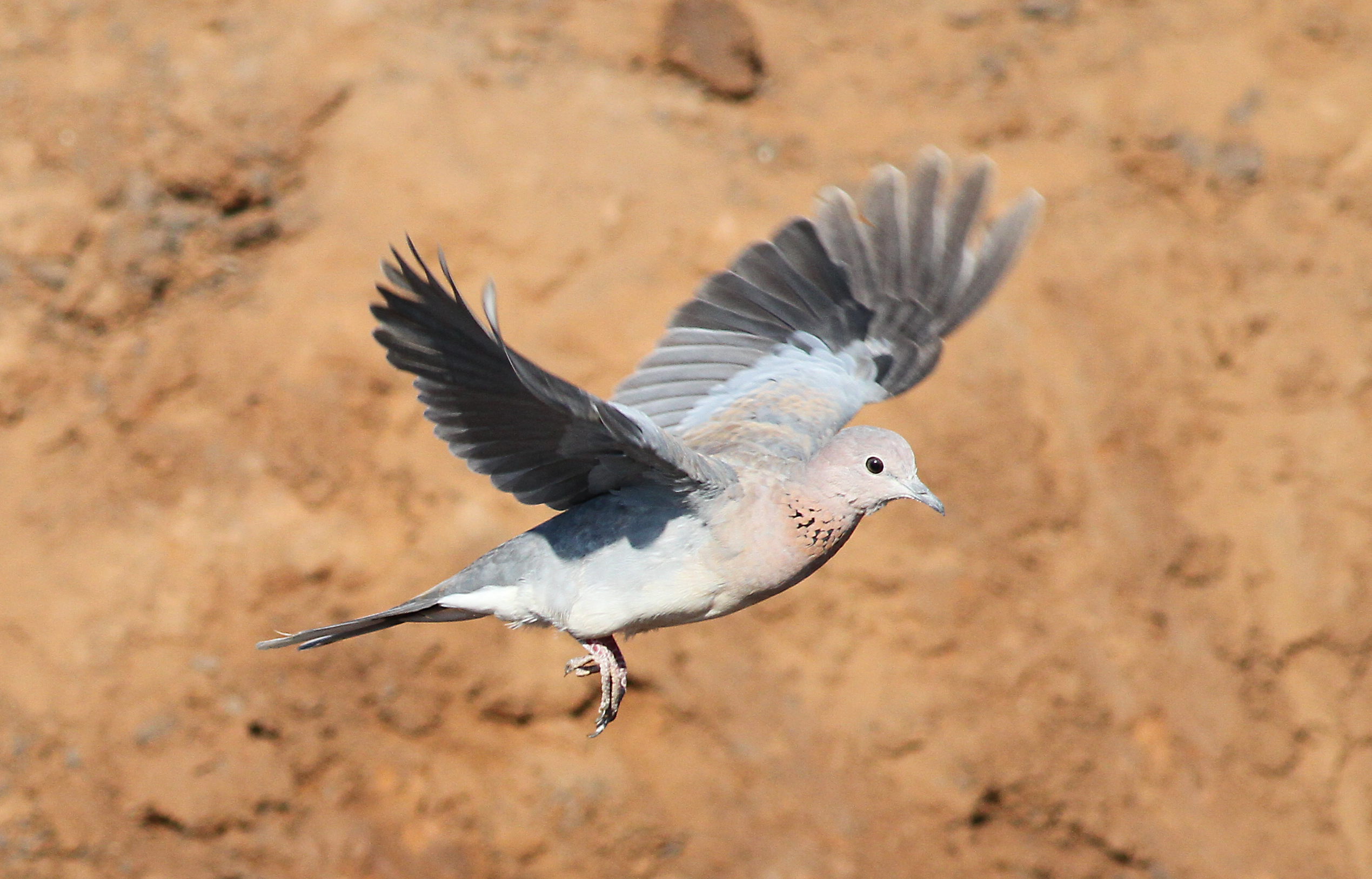
Laughing Dove Eye Pecten Mapped From 12–13 Pleats to Cell Markers
Researchers mapped the pecten oculi, a vascular structure unique to bird eyes, in the laughing dove. Its 12–13…
Read story →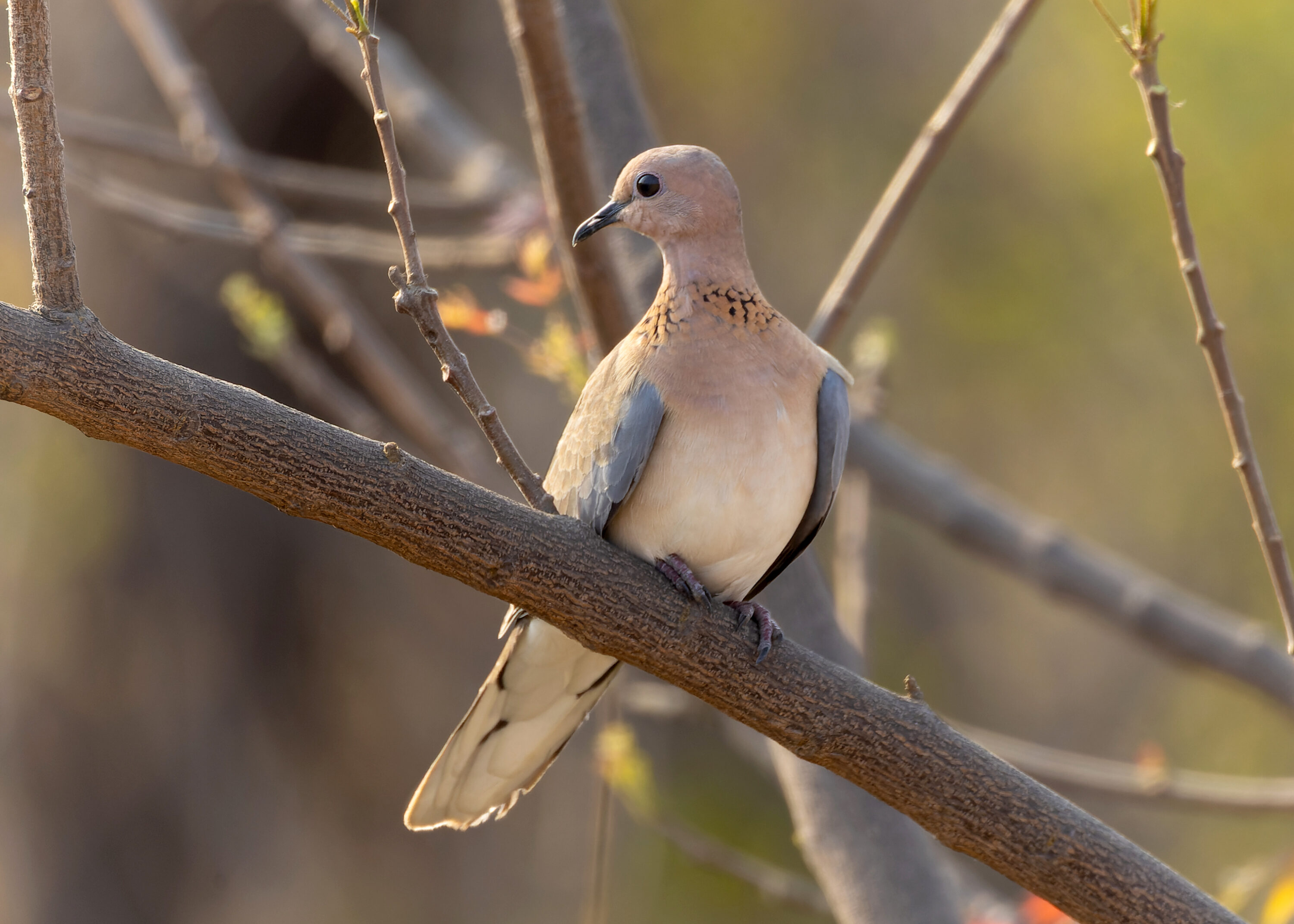
Progressive Greying Recorded in a Laughing Dove in Asia for the First Time
An adult laughing dove photographed in Karnataka, India, had localised white feathers on the head and shoulder region.…
Read story →
South African Nest Records Revealed Species-specific Shifts in Breeding Timing
A 2026 thesis using thousands of South African nest records found no single national shift in breeding timing:…
Read story →SPECIES IN THIS STORY
Species in this story
Independent research and conservation news archive
Did you find this information useful?
Wildlife Vagabond is independently built and maintained. Voluntary support helps cover source verification, hosting and continued work on research and conservation news.
Support Wildlife VagabondThe news archive will remain freely available.