
South African Nest Records Revealed Species-specific Shifts in Breeding Timing
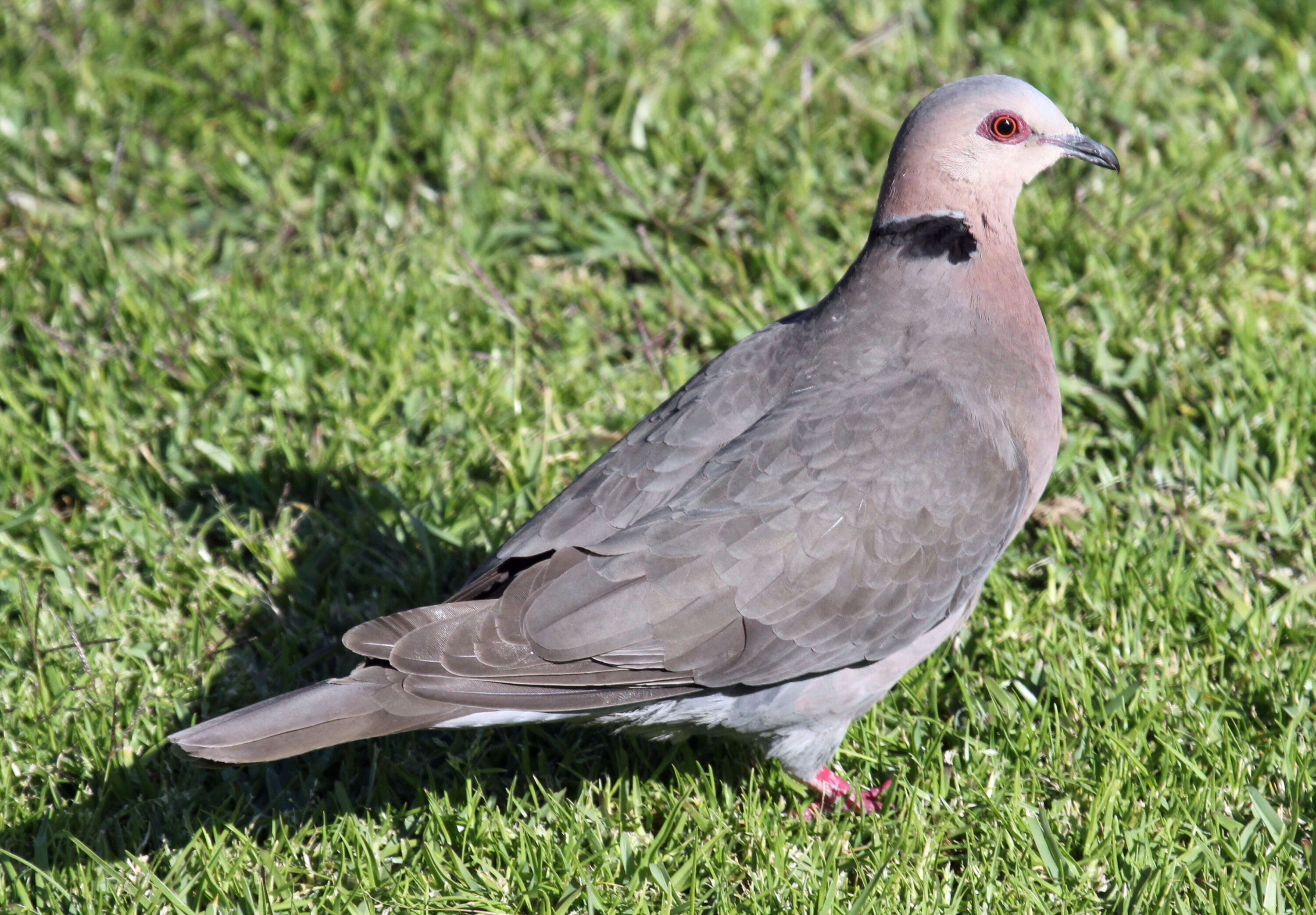
A 2026 doctoral thesis used thousands of historical nest records collected over roughly 50 years to examine long-term changes in breeding timing among South African birds. The records came from the South African Nest Record Scheme, a citizen-science archive in which volunteers recorded what they found at nests, including dates and breeding stage. The thesis found no single national response: some species shifted breeding earlier, others later, and many changed the length of their breeding season.
Nest cards can reconstruct when egg-laying began
A methodological study from the same doctoral project tested how reliably the archive could be used to estimate lay dates. Some cards came from repeated visits to the same nest and could give relatively precise dates; others contained only a single visit, so laying date had to be inferred from the eggs or nestlings present at that time. Across four well-represented species, the single-visit and multi-visit records produced broadly similar estimates of the start, peak and duration of egg-laying, showing that the much larger pool of single-visit cards could still contribute useful historical information.
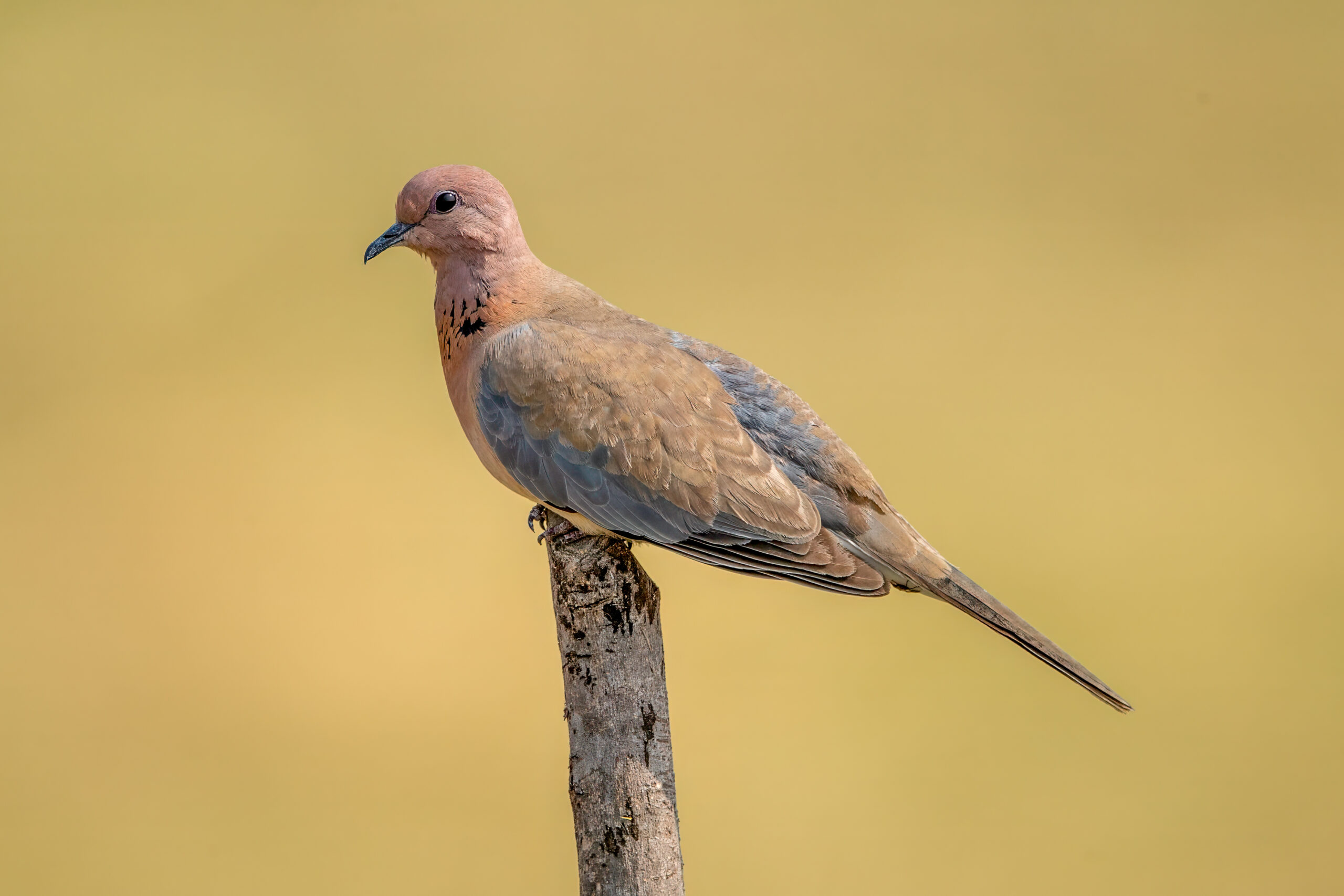
That methodological analysis also illustrates why the direction of change should not be assumed from Northern Hemisphere studies. Between 1950 and 1999, three of its four test species shifted toward later laying. Laughing doves (Spilopelia senegalensis) showed the largest estimated shift, about 35 days later across five decades, while Cape turtle doves showed no clear temporal shift. The authors treated this as an initial demonstration of what the archive could reveal rather than a universal pattern for South African birds.
Rainfall often mattered more than temperature
Across the broader thesis, changes in breeding timing were associated with local climate in different ways. Rainfall often emerged as a more important correlate than temperature, contrasting with the strong emphasis on spring temperature in many European and North American studies. The thesis therefore argues against expecting a single climate response across South African birds: species differed in whether breeding shifted earlier or later, and many also changed the length of their breeding season. These are statistical associations with climate and do not by themselves show that rainfall or temperature directly caused every phenological shift.
The author concludes that historical nest cards can reveal long-term biological change even when volunteer records are incomplete, provided the uncertainty and uneven sampling are handled carefully. The archive is especially valuable because comparable long-term breeding data are scarce in the Southern Hemisphere, allowing changes in timing to be reconstructed for decades that otherwise have little standardised monitoring.
Reproduction & development
Related news
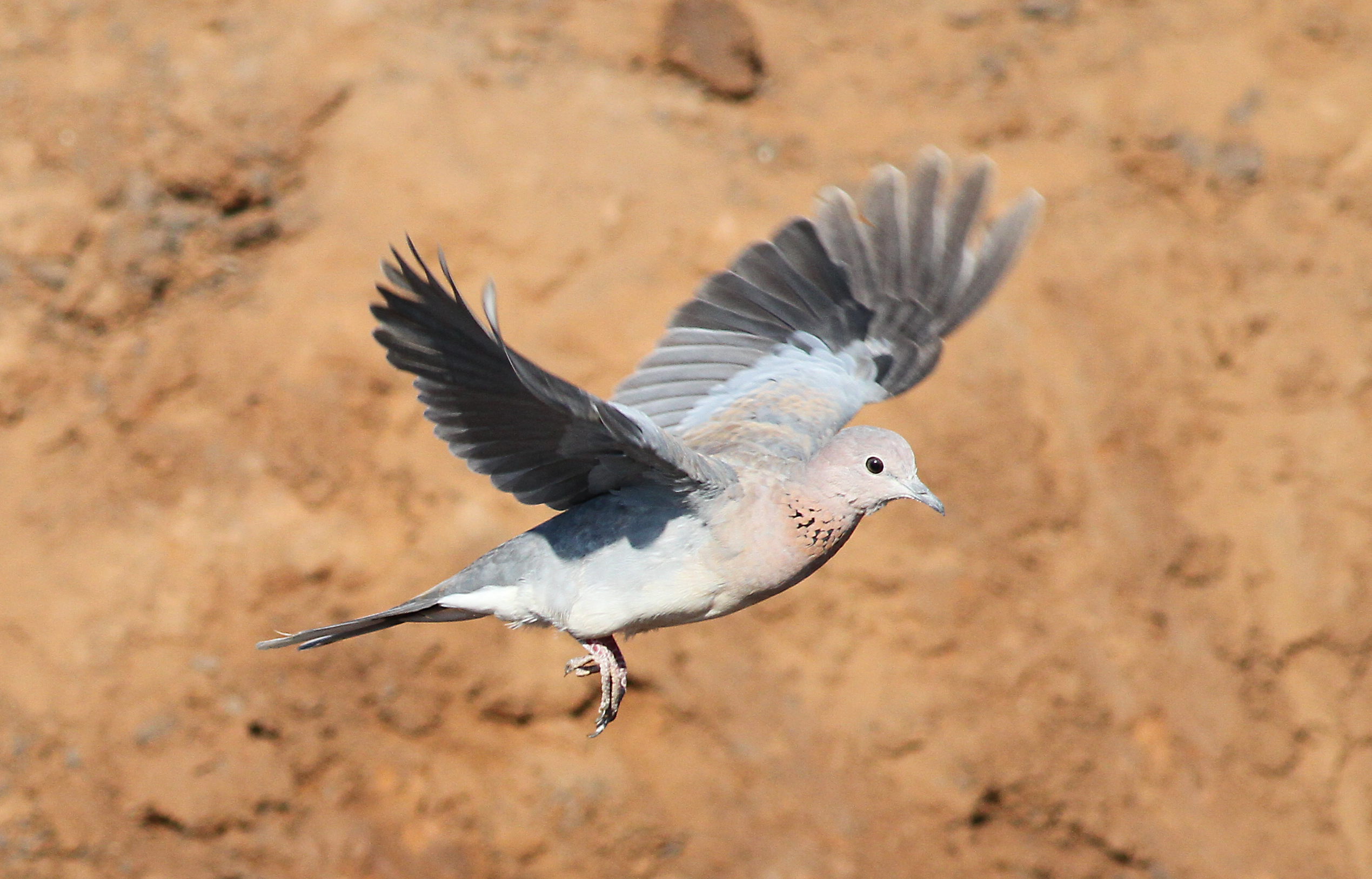
Laughing Dove Eye Pecten Mapped From 12–13 Pleats to Cell Markers
Researchers mapped the pecten oculi, a vascular structure unique to bird eyes, in the laughing dove. Its 12–13…
Read story →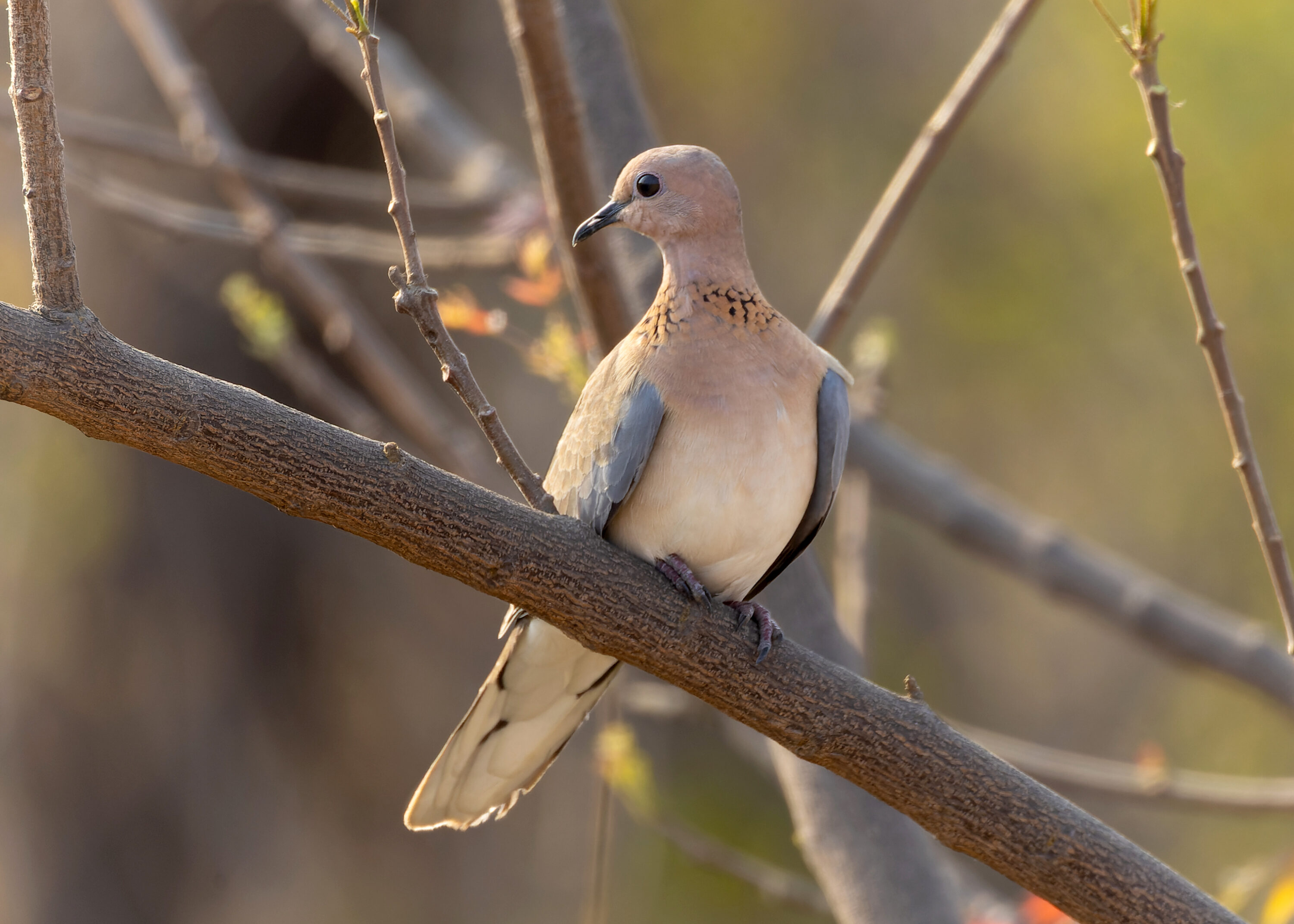
Progressive Greying Recorded in a Laughing Dove in Asia for the First Time
An adult laughing dove photographed in Karnataka, India, had localised white feathers on the head and shoulder region.…
Read story →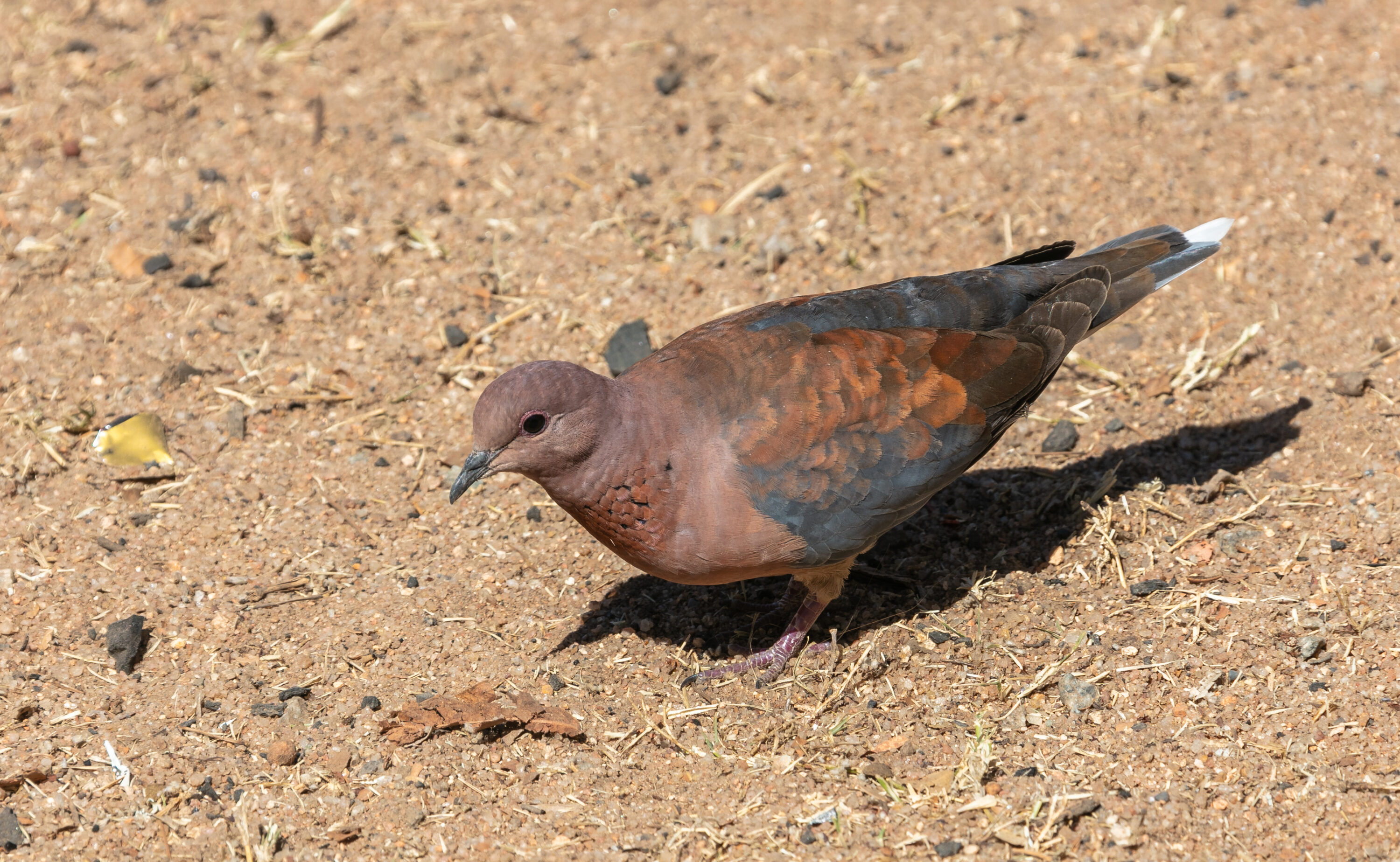
Laughing Dove Preen Secretions Showed Strong Antimicrobial Activity
A 2026 comparative study found that laughing doves had the thinnest epidermis of three bird species and that…
Read story →SPECIES IN THIS STORY
Species in this story
Independent research and conservation news archive
Did you find this information useful?
Wildlife Vagabond is independently built and maintained. Voluntary support helps cover source verification, hosting and continued work on research and conservation news.
Support Wildlife VagabondThe news archive will remain freely available.