
Molecular Typing Identified Four Leptospira Serogroups in Wild Boar and Sika Deer in Yamaguchi
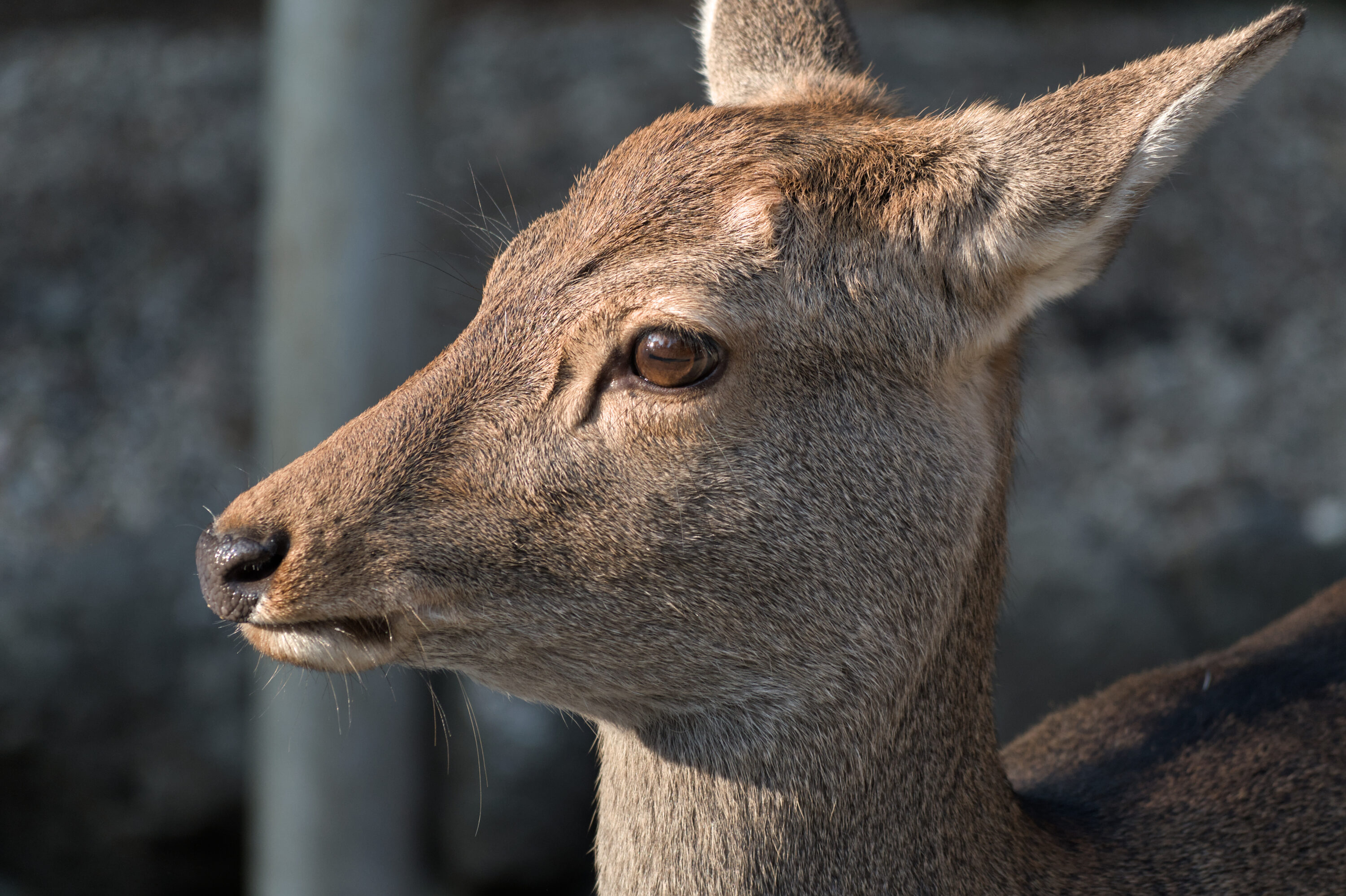
Pathogenic Leptospira DNA was detected in kidney samples from wild boar (Sus scrofa) and sika deer (Cervus nippon) in Yamaguchi Prefecture, Japan. Leptospira are spiral-shaped bacteria; pathogenic forms can cause leptospirosis, a zoonotic disease commonly spread when urine from infected animals contaminates water, soil or other parts of the environment. An improved molecular method then identified the same four serogroups in both wildlife hosts: Autumnalis, Australis, Canicola and Hebdomadis, with Autumnalis most frequently detected.
The study was first made public as a preprint on 1 July 2026; the peer-reviewed article followed later that month. Researchers analysed animals collected in Yamaguchi between 2016 and 2025, using 190 wild boar and 275 sika deer for the molecular screening.
Pathogenic Leptospira DNA was found in both wildlife hosts
Real-time PCR targeting the lipL32 gene detected pathogenic Leptospira DNA in 23 of 190 wild boar, or 12.1%, and 22 of 275 sika deer, or 8.0%. These results show that pathogenic Leptospira DNA was present in kidney samples from both species; they do not by themselves describe clinical disease in the sampled animals.
The researchers then applied an improved molecular serogroup-typing method optimised for Japanese Leptospira isolates. Serogroups are antigenically related groups within Leptospira that are useful for epidemiological surveillance. They are not interchangeable with bacterial species names: different species or strains can belong to the same serogroup, so identifying the serogroup adds a different layer of information from simply detecting pathogenic DNA.
Autumnalis dominated the molecular typing results
Molecular typing identified Autumnalis, Australis, Canicola and Hebdomadis in both wild boar and sika deer. Autumnalis was the most frequent molecular result. The overlap between the two host species indicates that the same set of serogroups was present in wildlife sampled within the prefecture.
The study’s methodological comparison is important because conventional serology gave a different picture. Using the microscopic agglutination test, or MAT, with standard reference strains, antibodies were detected mainly against Hebdomadis and Australis rather than Autumnalis.
A local Autumnalis strain changed the antibody-test picture
MAT does not detect bacterial DNA. It measures antibodies that react with Leptospira strains included in the test panel and therefore reflects immune exposure rather than direct molecular detection in a kidney sample. How well the panel represents locally circulating strains can influence what the test detects.
When the researchers added a locally isolated Autumnalis strain to the MAT panel, antibodies against Autumnalis were detected in both wild boar and sika deer. That brought the serological results into better agreement with the molecular typing and showed why standard reference panels can underrepresent a locally important serogroup.
The two methods therefore answer related but different questions. PCR and molecular serogroup typing identify Leptospira DNA present in the sampled tissue and assign that DNA to a serogroup when typing succeeds. MAT detects the host’s antibody response to the strains used in the assay. A mismatch between them is not necessarily contradictory; it can reveal limits in the available reference strains or differences between current molecular detection and past immune exposure.
Molecular typing can complement regional serology
The authors conclude that improved molecular serogroup typing can complement conventional serological surveillance by revealing locally circulating serogroups that may be poorly represented in standard MAT panels. In Yamaguchi, the combined approach highlighted Autumnalis in both wild boar and sika deer while also confirming Australis, Canicola and Hebdomadis.
The study does not show that every PCR-positive animal was clinically ill, nor does it by itself establish how the two wildlife species contribute to transmission to other animals or people. Its main contribution is methodological and epidemiological: combining direct molecular detection with locally informed serology produced a more complete picture of the pathogenic Leptospira serogroups present in wildlife in Yamaguchi.
Disease, parasites & microbiology
Related news
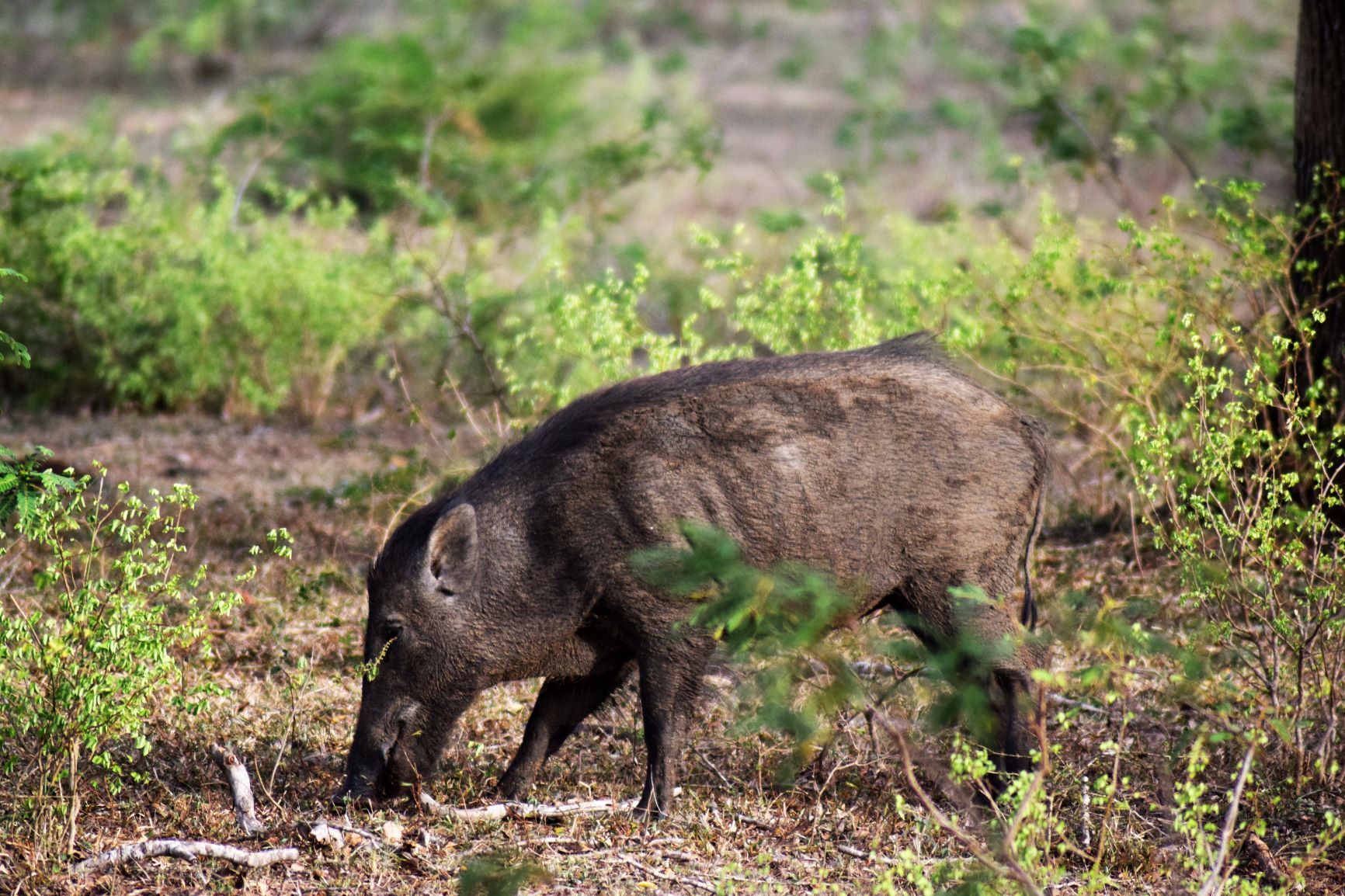
Maps Show Where Wild Boar Could Thrive and Spread on Jeju Island
Researchers mapped potentially suitable wild-boar habitat across roughly 36% of Jeju Island and identified eight possible corridors linking…
Read story →
Roe Deer and Wild Boar Remained Key Wolf Prey as Diet Shifted Across North-western Italy
From 2021 to 2025, wolves in north-western Italy continued to feed mainly on wild prey. In the Po…
Read story →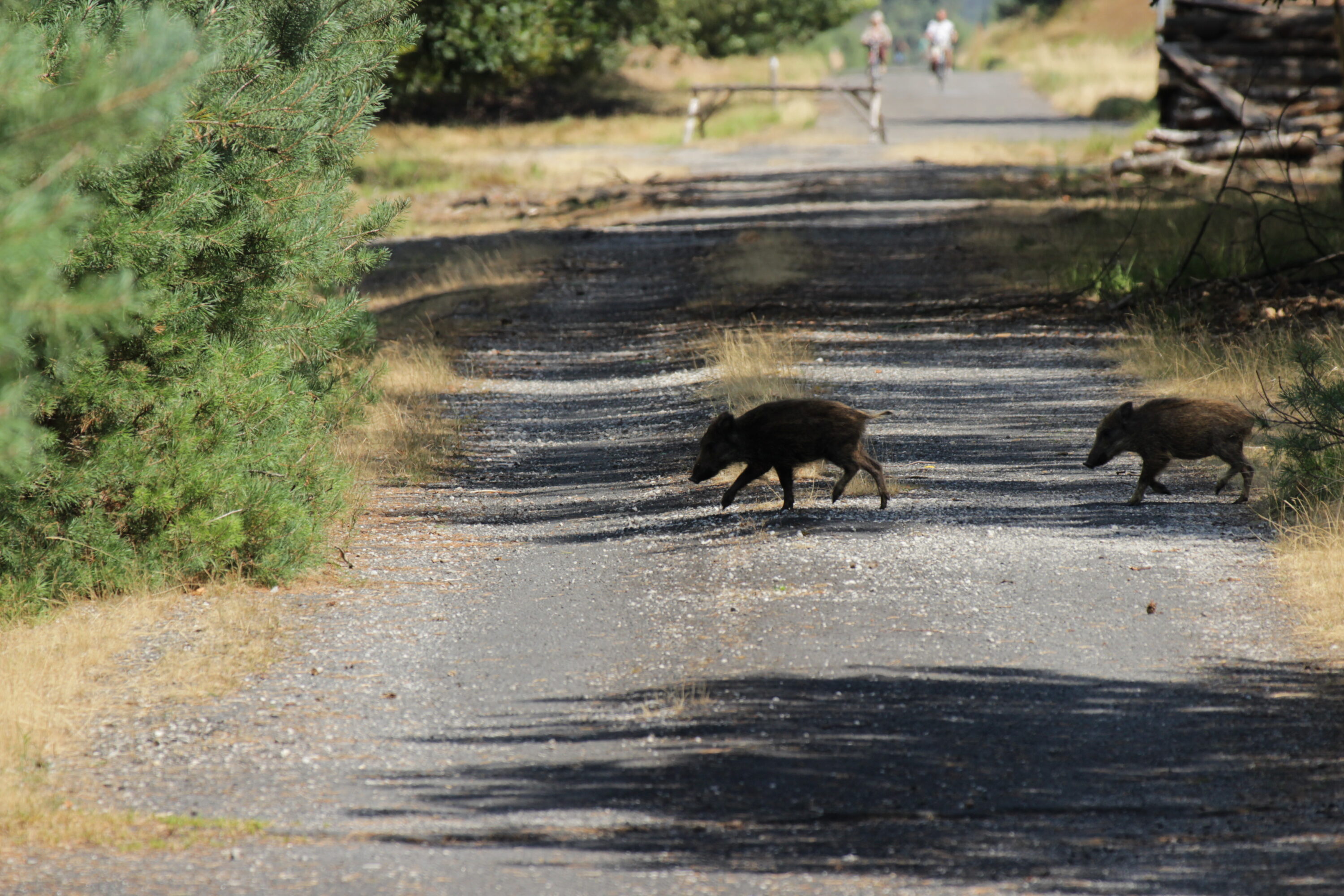
Copper levels in wild boar differed across Slovak districts
An analysis of kidney, liver and muscle from 147 wild boar in four districts found that iron and…
Read story →SPECIES IN THIS STORY
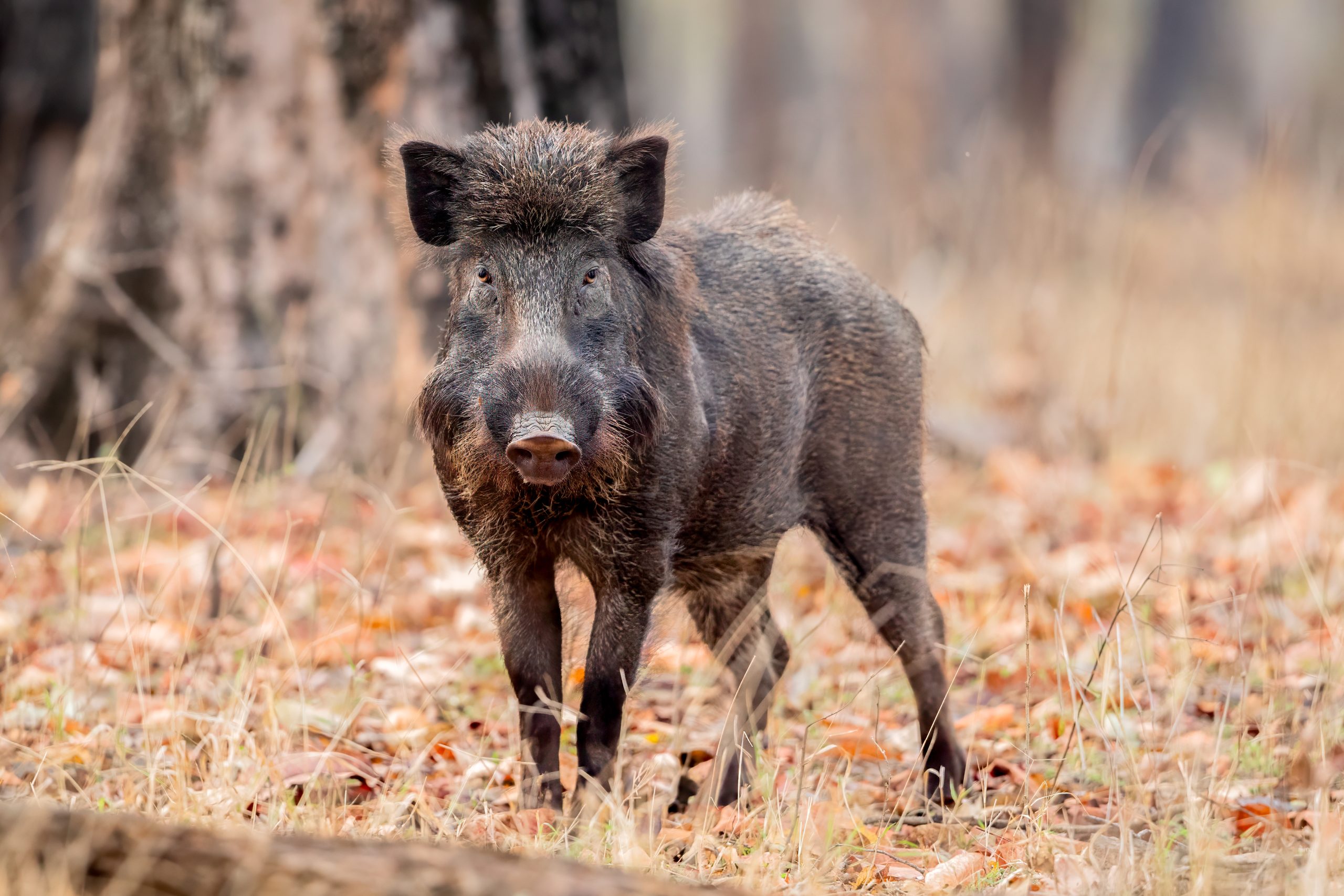
Species in this story
Independent research and conservation news archive
Did you find this information useful?
Wildlife Vagabond is independently built and maintained. Voluntary support helps cover source verification, hosting and continued work on research and conservation news.
Support Wildlife VagabondThe news archive will remain freely available.