
DNA Analysis Found Traces of 71 Species in Lesser Black-backed Gull Diet Samples
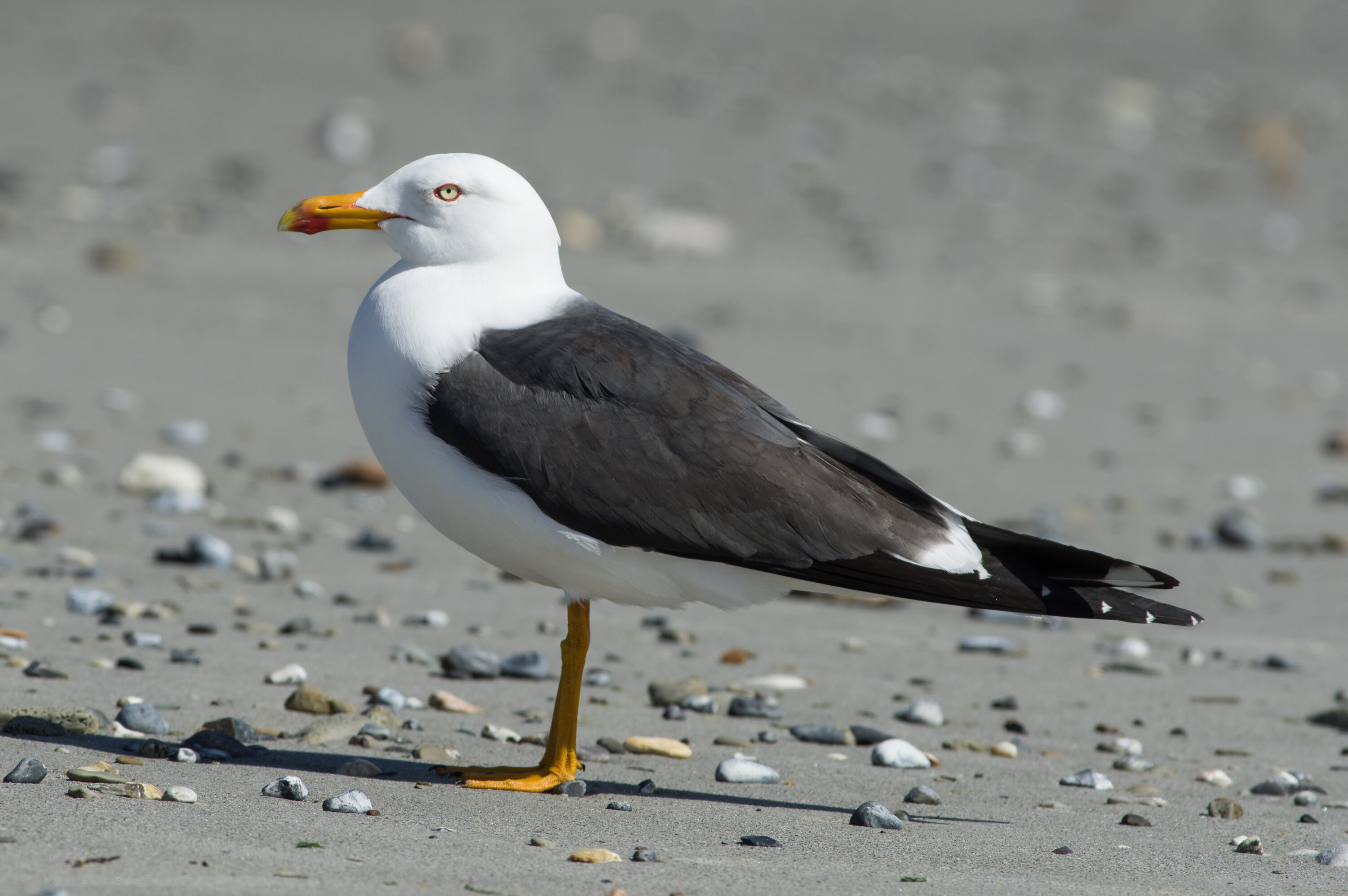
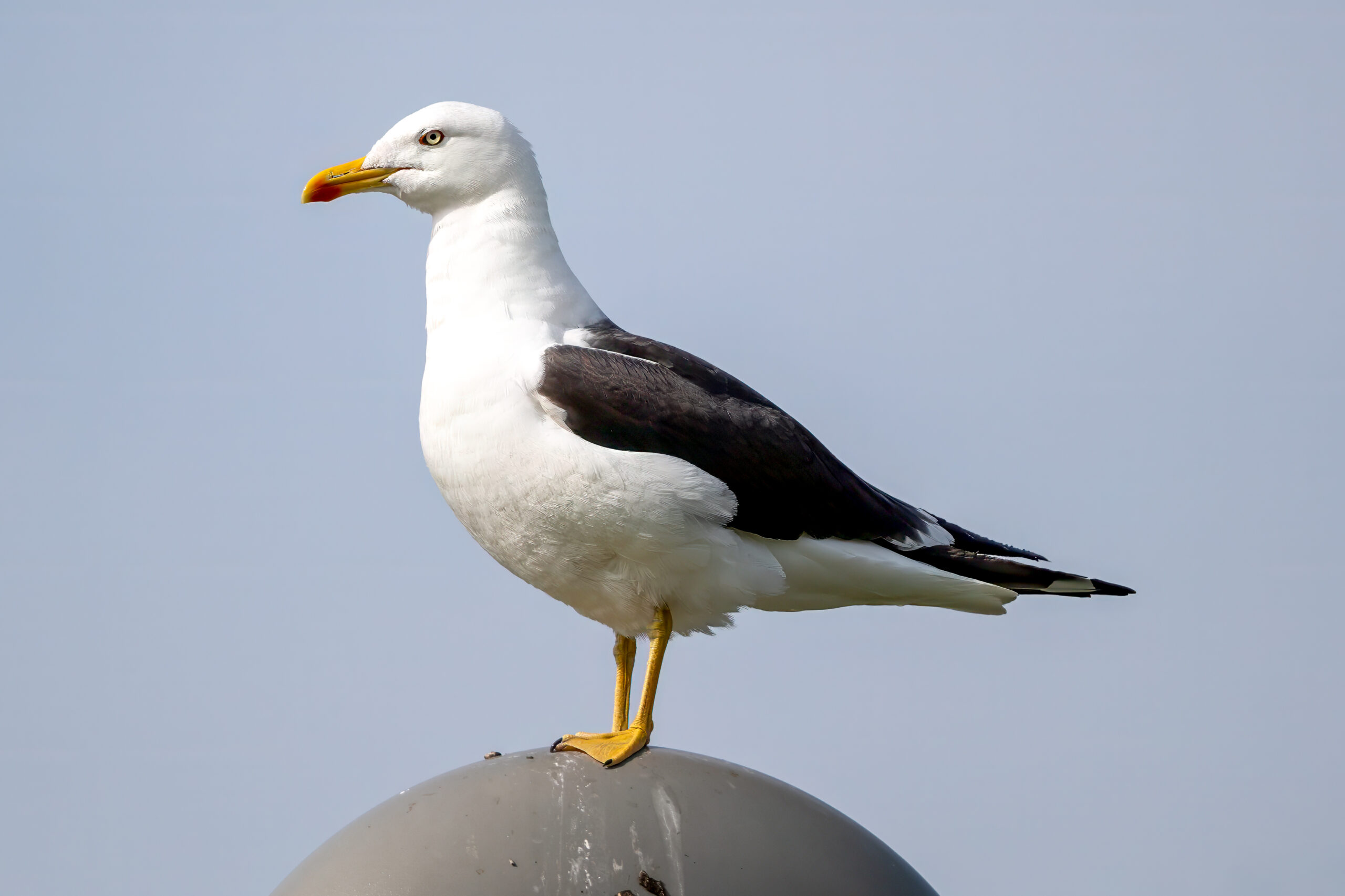
A DNA metabarcoding study of lesser black-backed gull (Larus fuscus) diet detected 71 species across 61 genera in samples from chicks and adults in northwest England. The work was posted as a bioRxiv preprint on 20 July 2026 and has not yet been peer reviewed.
The researchers tested how well DNA metabarcoding can describe the highly varied diet of a generalist predator. DNA metabarcoding reads standard genetic markers from mixed biological material and matches the sequences to reference databases, allowing many food taxa to be identified from the same sample. They collected faecal and regurgitated material from pre-fledging chicks at two breeding colonies, one coastal and one inland, together with pharyngeal, stomach, intestinal and cloacal swabs from adult gull carcasses.
Different sample types gave different results
The samples were analysed with two genetic markers. COI was used to target animal DNA, while 12S focused on vertebrate DNA. The researchers also developed three blocking primers — short DNA sequences used to suppress copying of the gulls’ own DNA — so that food DNA would be easier to detect in the 12S analyses.
Without these blocking primers, useful dietary information was recovered from regurgitated and stomach samples, but not from intestinal or faecal samples. Adding blocking primers improved recovery of dietary DNA from faeces. At the same time, it increased amplification of contaminants and therefore raised the risk of false-positive detections.
This methodological difference was important because the preprint was designed not only to catalogue diet, but also to evaluate which samples and laboratory approaches are most informative when studying a species with a very broad diet.
Seventy-one species were detected
Across all sample types, the analyses identified 71 species belonging to 61 genera. The detections included earthworms, small mammals, commercial and non-commercial fish, northern lapwing (Vanellus vanellus) and livestock-derived food associated with urban environments.
The dietary profiles formed distinct groups associated with urban, agricultural and marine foraging. They also differed between age groups and between the two breeding colonies, indicating that lesser black-backed gulls in the study did not all use the same mixture of food resources.
A molecular view of a highly generalist diet
The authors conclude that DNA metabarcoding can reveal substantial dietary diversity and differences in resource use among colonies and age groups. They also show that the method is sensitive to both sample type and primer choice, particularly when faecal material is used.
Because blocking primers increased both dietary DNA recovery and contaminant amplification, the 71 detected species should be understood as metabarcoding detections produced through the study’s filtering and analytical workflow, rather than simply as a count of 71 directly observed prey items. The preprint presents the approach as a way to improve understanding of how dietary differences may relate to survival, reproduction and population change in gulls.
Ecology
Related news
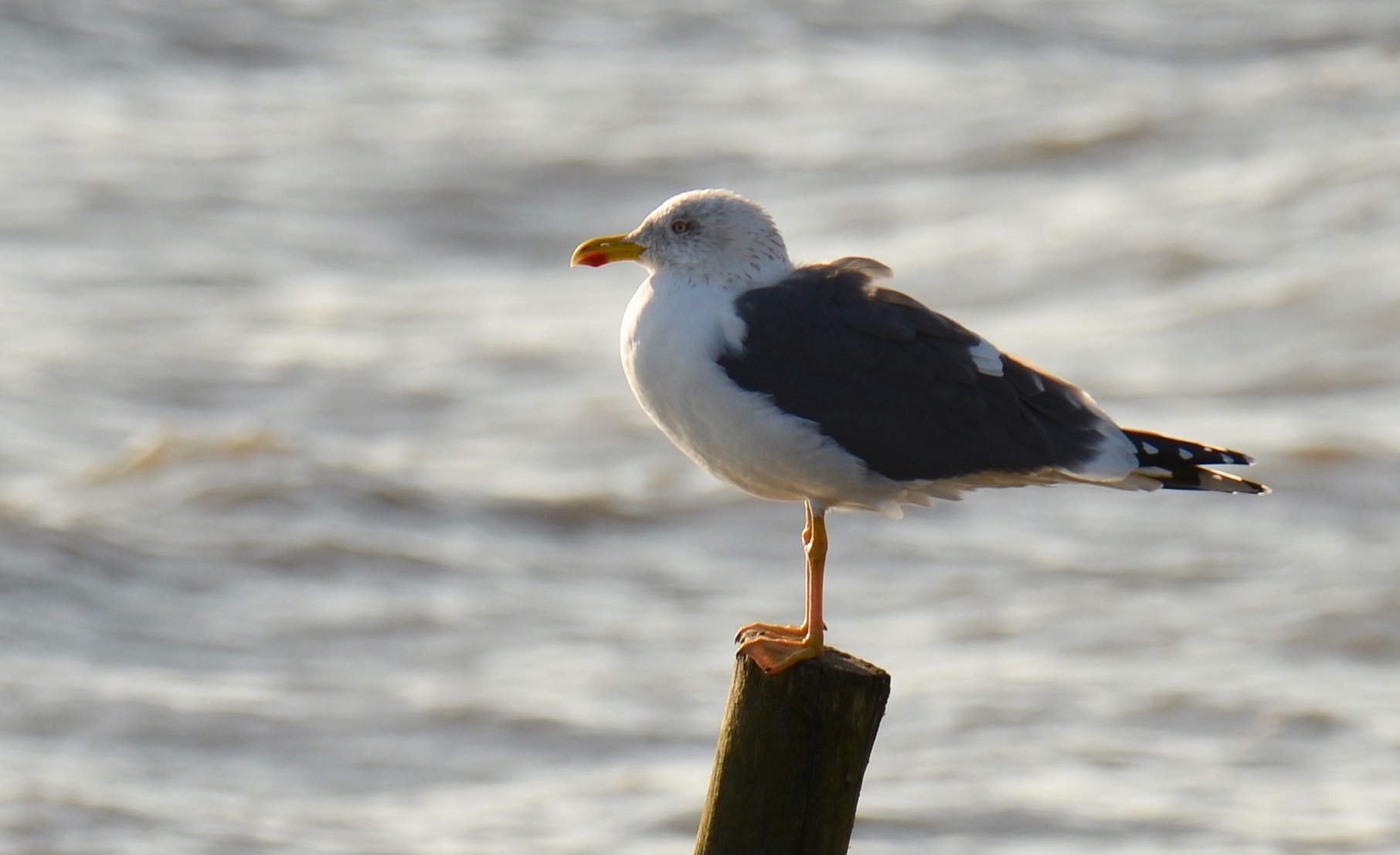
Lesser Black-backed Gulls Made Up 73% of Paresis Cases in Lisbon
A ten-year review of gull admissions from Lisbon and Setúbal found that lesser black-backed gulls dominated paresis cases,…
Read story →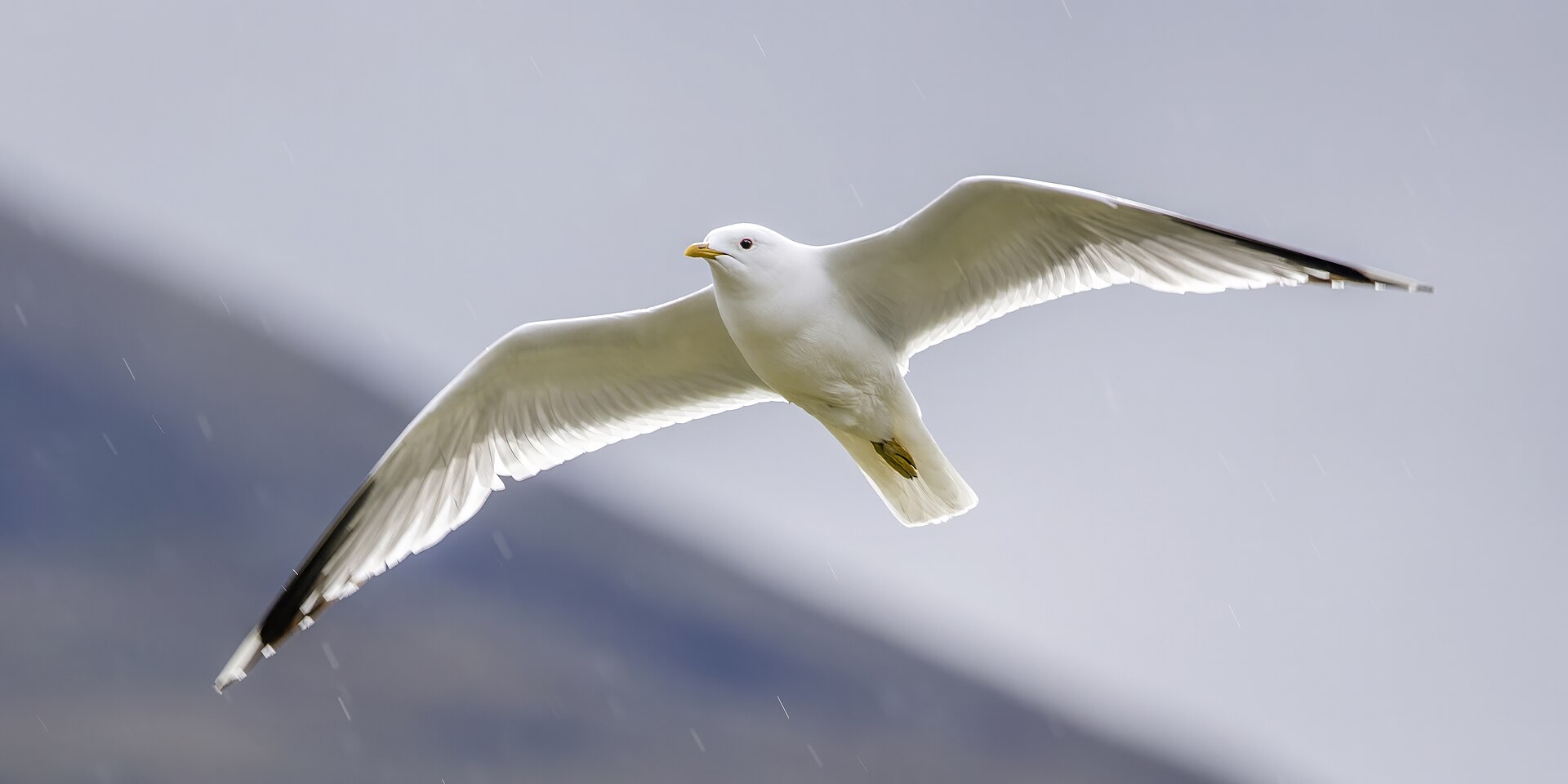
Norwegian Surveillance Found HPAI H5N5 and H5Nx in Common Gulls and Other Influenza A in Lesser Black-backed Gulls
Three common gulls had HPAI H5N5 and one had HPAI H5Nx, while active surveillance separately detected non-H5 influenza…
Read story →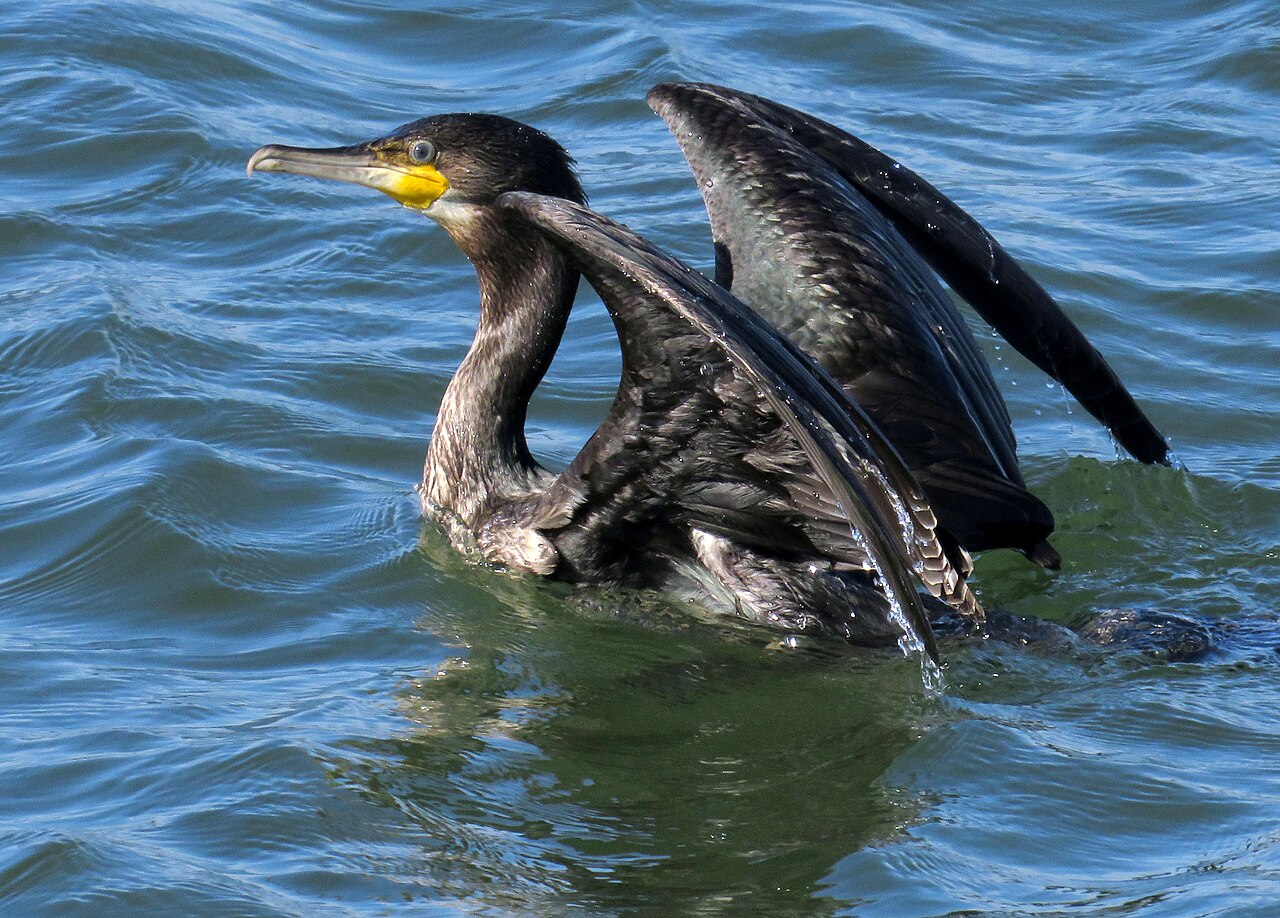
Cormorant and Large-Gull Counts Fell at a Danish Pound Net, but the Difference Disappeared Within Weeks
At one Danish pound net fitted with Looming-Eye Buoys, great cormorant and large-gull counts dropped sharply relative to…
Read story →SPECIES IN THIS STORY
Species in this story
Independent research and conservation news archive
Did you find this information useful?
Wildlife Vagabond is independently built and maintained. Voluntary support helps cover source verification, hosting and continued work on research and conservation news.
Support Wildlife VagabondThe news archive will remain freely available.