
A graph-based tool helps researchers match wildlife photos to individual animals
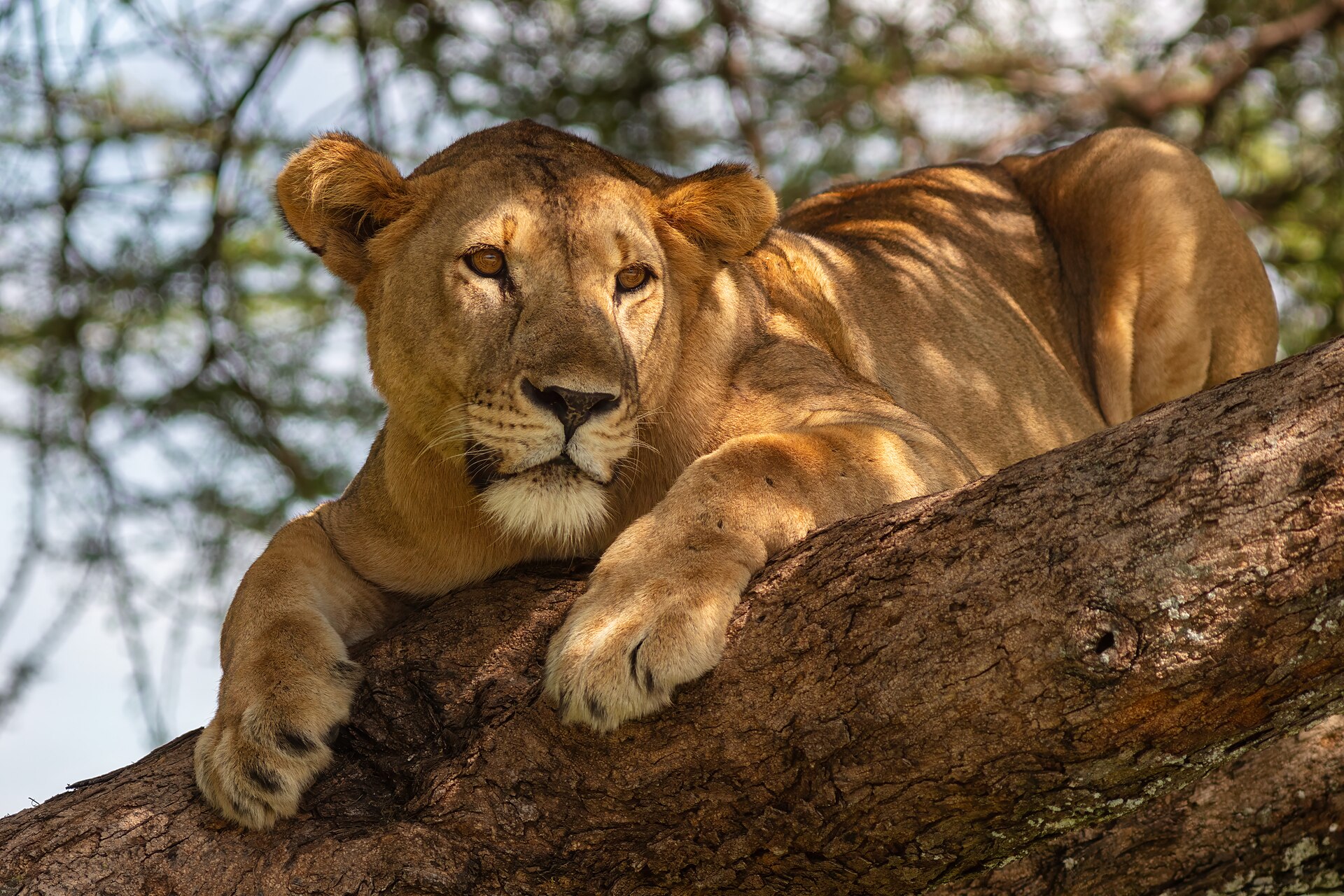
Photographs can help researchers follow individual wild animals without capturing or marking them. But turning thousands of images into reliable records of which photos show the same animal can take substantial human effort. A new system called β-Stability is designed to reduce that workload while keeping people involved in important decisions. The findings are reported in a bioRxiv preprint that has not yet been peer reviewed.
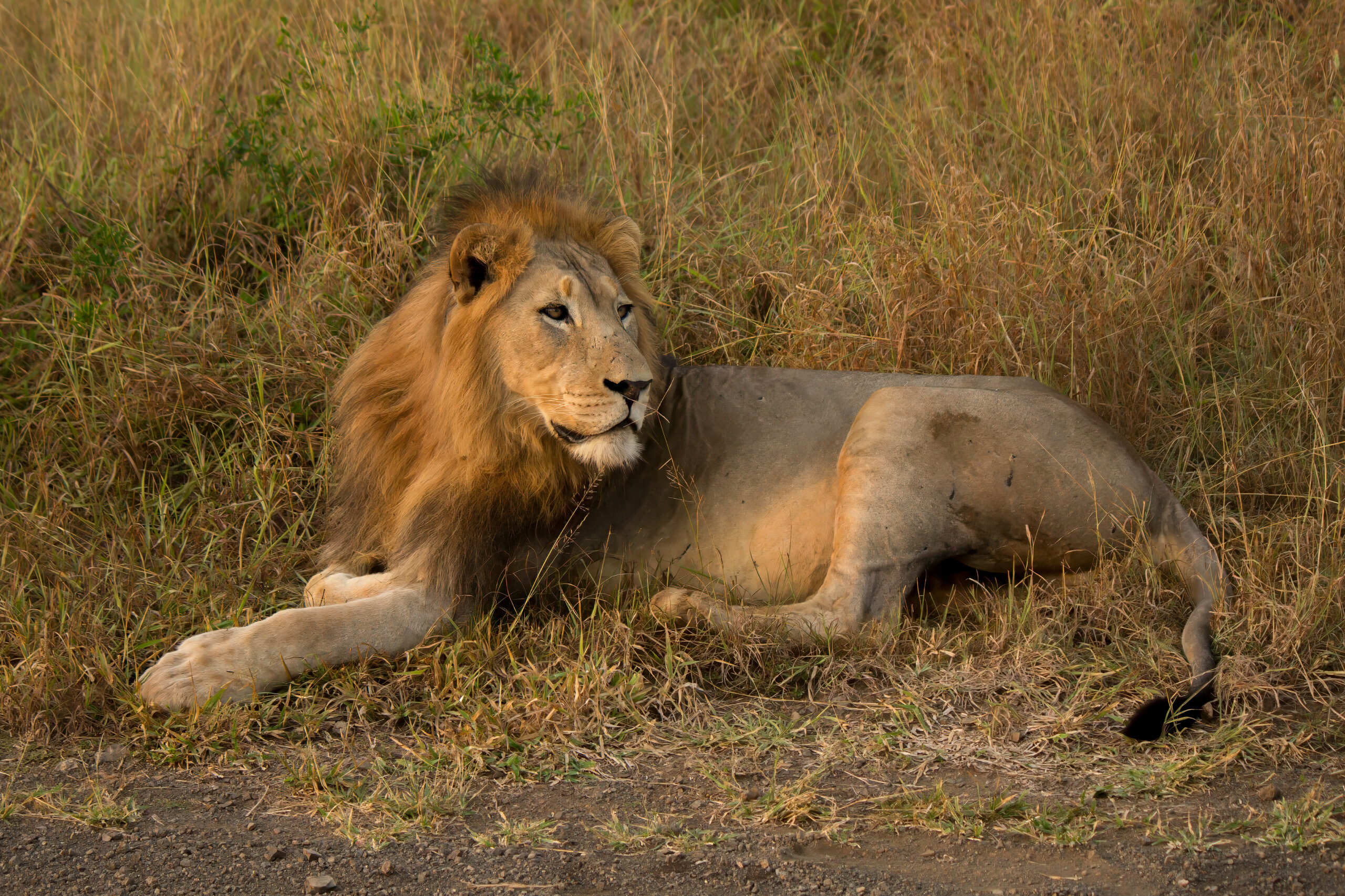
The researchers evaluated it on seven image datasets, including photographs of Grevy’s zebras, giraffes, lions (Panthera leo), belugas, forest elephants and whale sharks.
Connecting photographs into a network
β-Stability represents each photograph as a point in a network and each possible match between two photos as a link. The links record whether the photos are thought to show the same or different animals, along with how confident that match is. The system adjusts the links automatically, then directs human reviewers to the decisions most likely to improve the consistency of the overall grouping. Photos joined into the same group are assigned to one individual.
Across the seven datasets, the method produced more accurate identity assignments than previous approaches for the same amount of review. In a dataset of 3,764 Grevy’s zebra photographs, it reached the correct population count after 580 human reviews. The CEAF F1 score was about 0.99, indicating that the photo groups closely matched the known identities; the correct count did not mean every assignment was perfect.
The system also remained the best-performing method across all seven datasets when 5% errors were introduced into expert reviews. Its final F1 score fell by an average of only 0.041. This suggests the approach can tolerate some mistakes in human review while still producing reliable groupings.
Finding errors in existing records
β-Stability was also tested as an auditing tool on a dataset that had already been curated. It identified 60 labeling errors, and the reported F1 score rose from 0.988 to 0.996 after those errors were corrected.
Reliable identification of individuals in photographs can support studies of animal abundance, movement, behavior and population change. β-Stability does not itself estimate those ecological trends; it aims to make the identity records that researchers rely on more dependable, both when building them and when checking existing data.
Other research
Related news
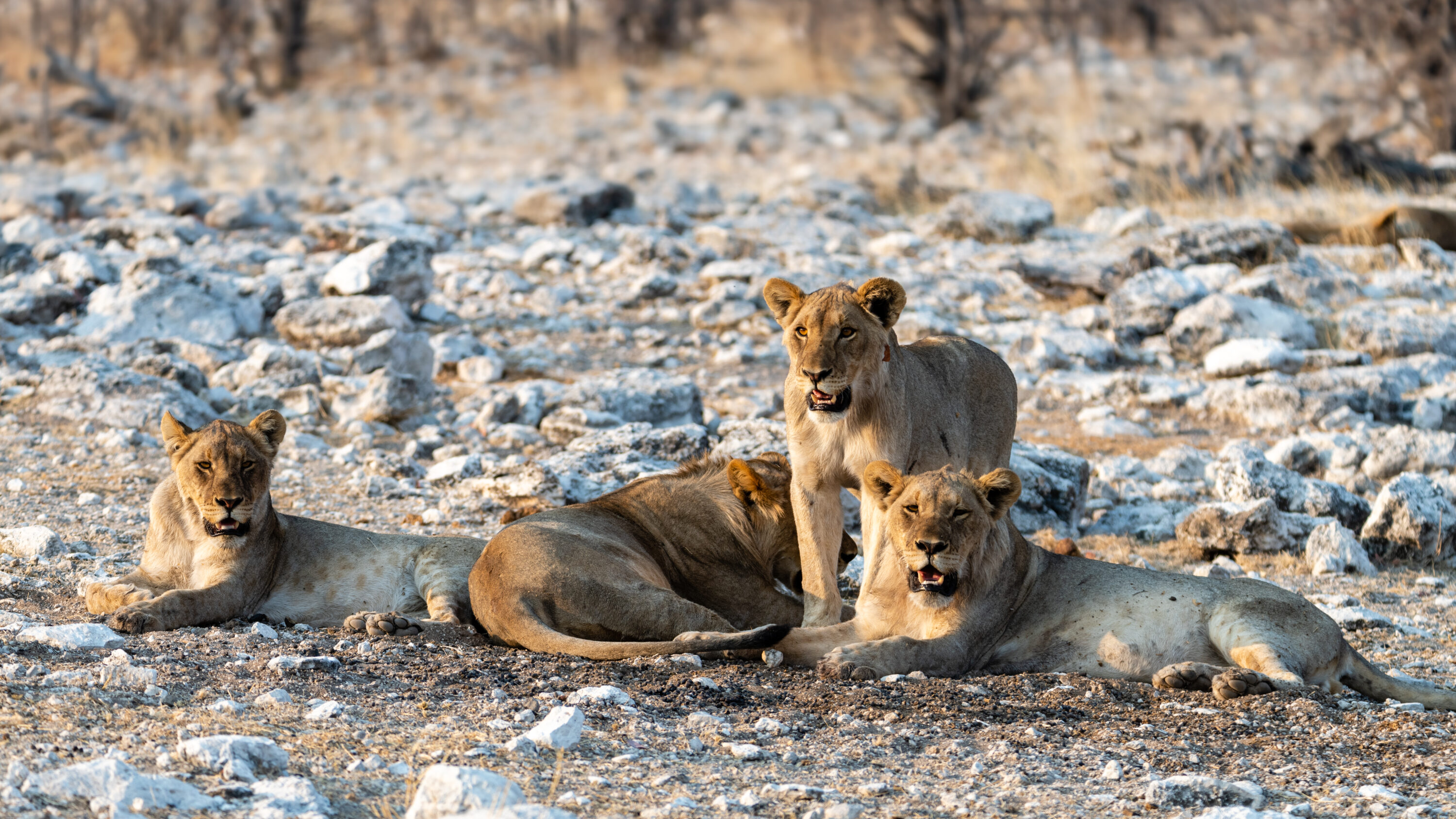
A Little-Known Microbial World Inside Lions’ Guts
Faecal samples from wild lions in Namibia gave researchers a much clearer picture of their gut bacteria. Microbial…
Read story →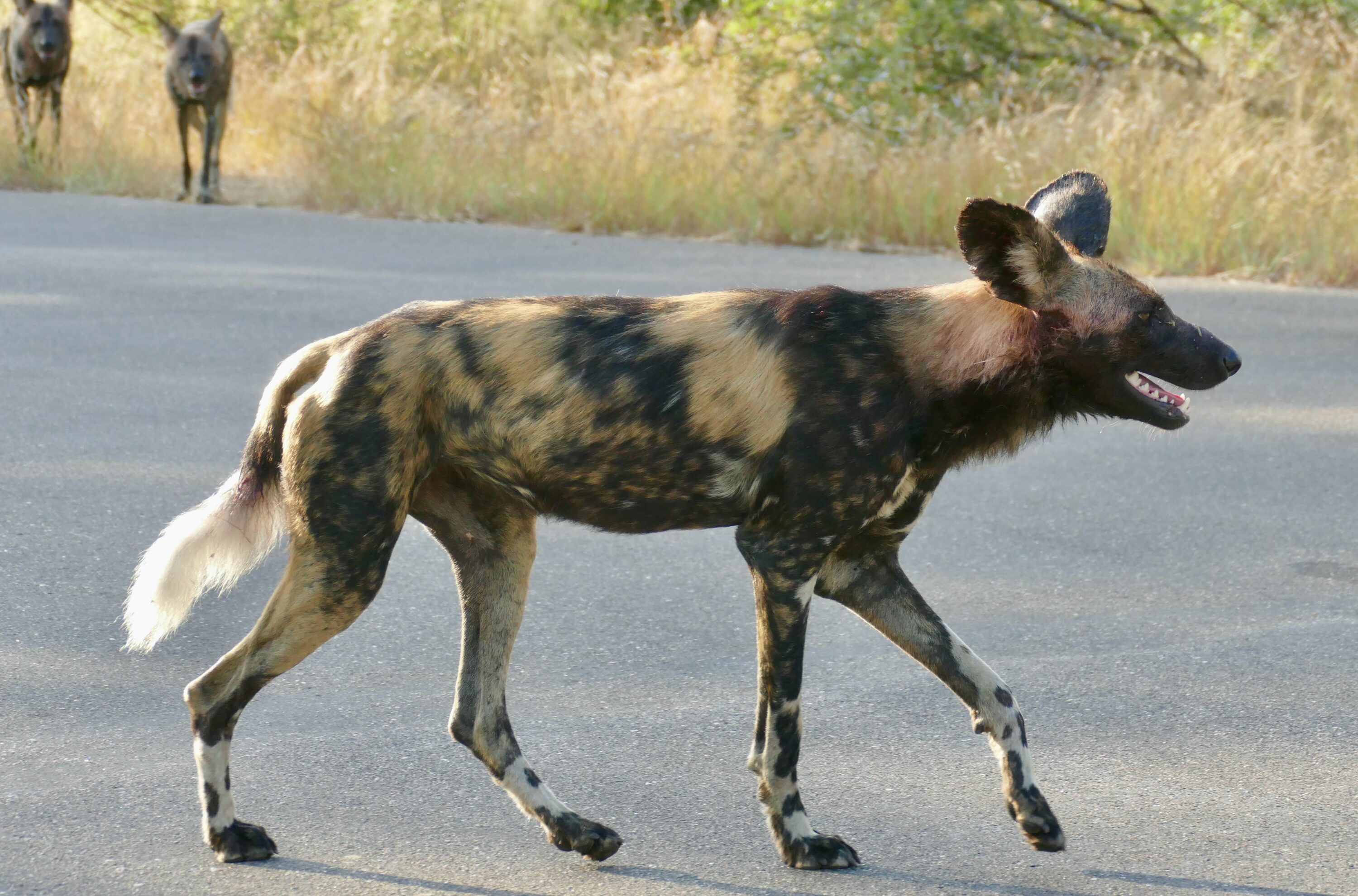
Food Leaves Its Mark on the Gut Bacteria of Kruger’s Wildlife
Gut bacteria in nine mammal species from Kruger National Park followed clear patterns linked to food and digestion.…
Read story →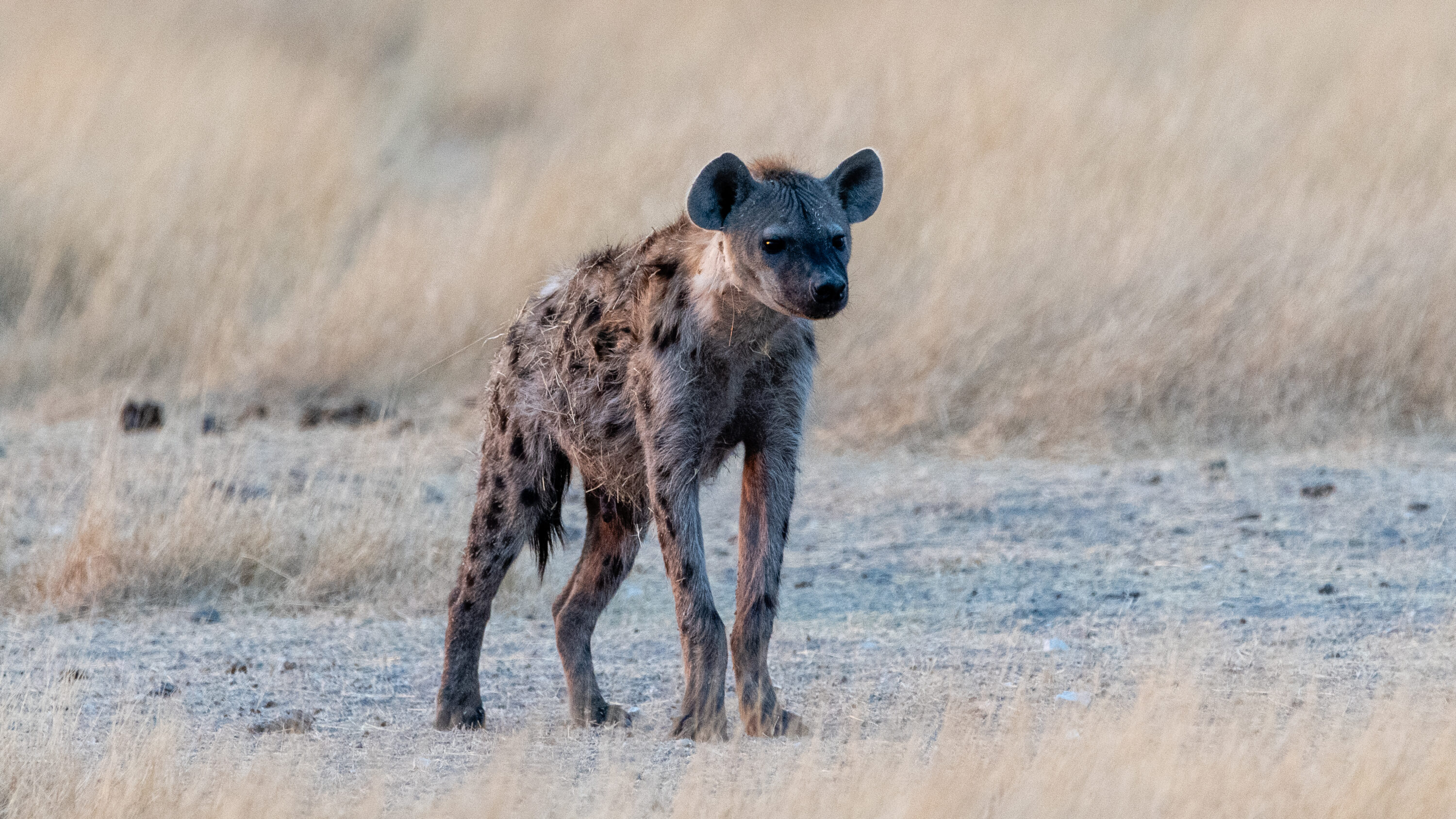
Spotted Hyenas Repeatedly Moved Away From Lions in Five-Minute GPS Data
High-frequency GPS data from Namibia and Botswana showed a robust retreat bias in spotted hyenas around lions, while…
Read story →SPECIES IN THIS STORY
Species in this story
Independent research and conservation news archive
Did you find this information useful?
Wildlife Vagabond is independently built and maintained. Voluntary support helps cover source verification, hosting and continued work on research and conservation news.
Support Wildlife VagabondThe news archive will remain freely available.