
Locally Hatched Young Willow Warblers Declined 74% in Gotland Ringing Data
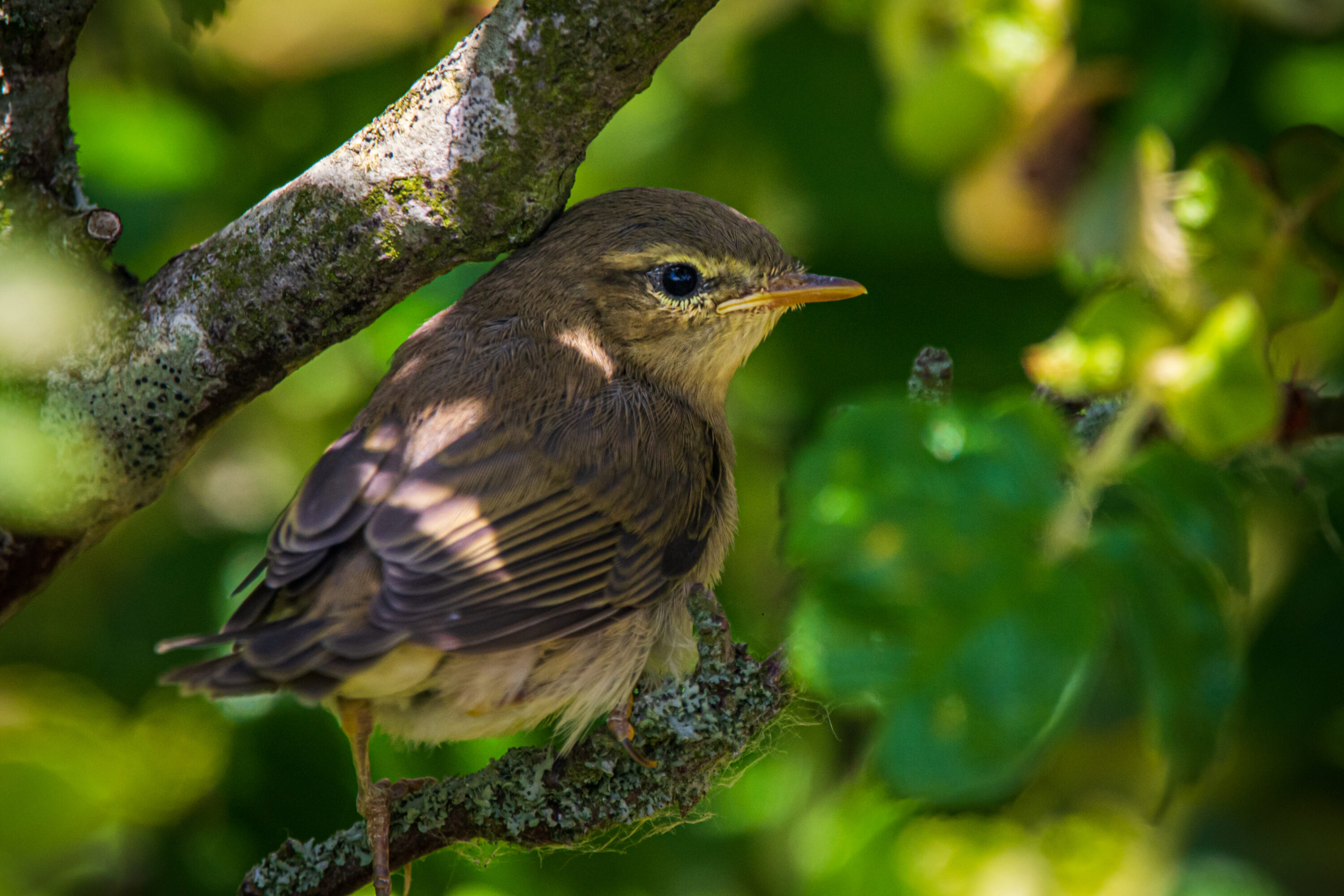
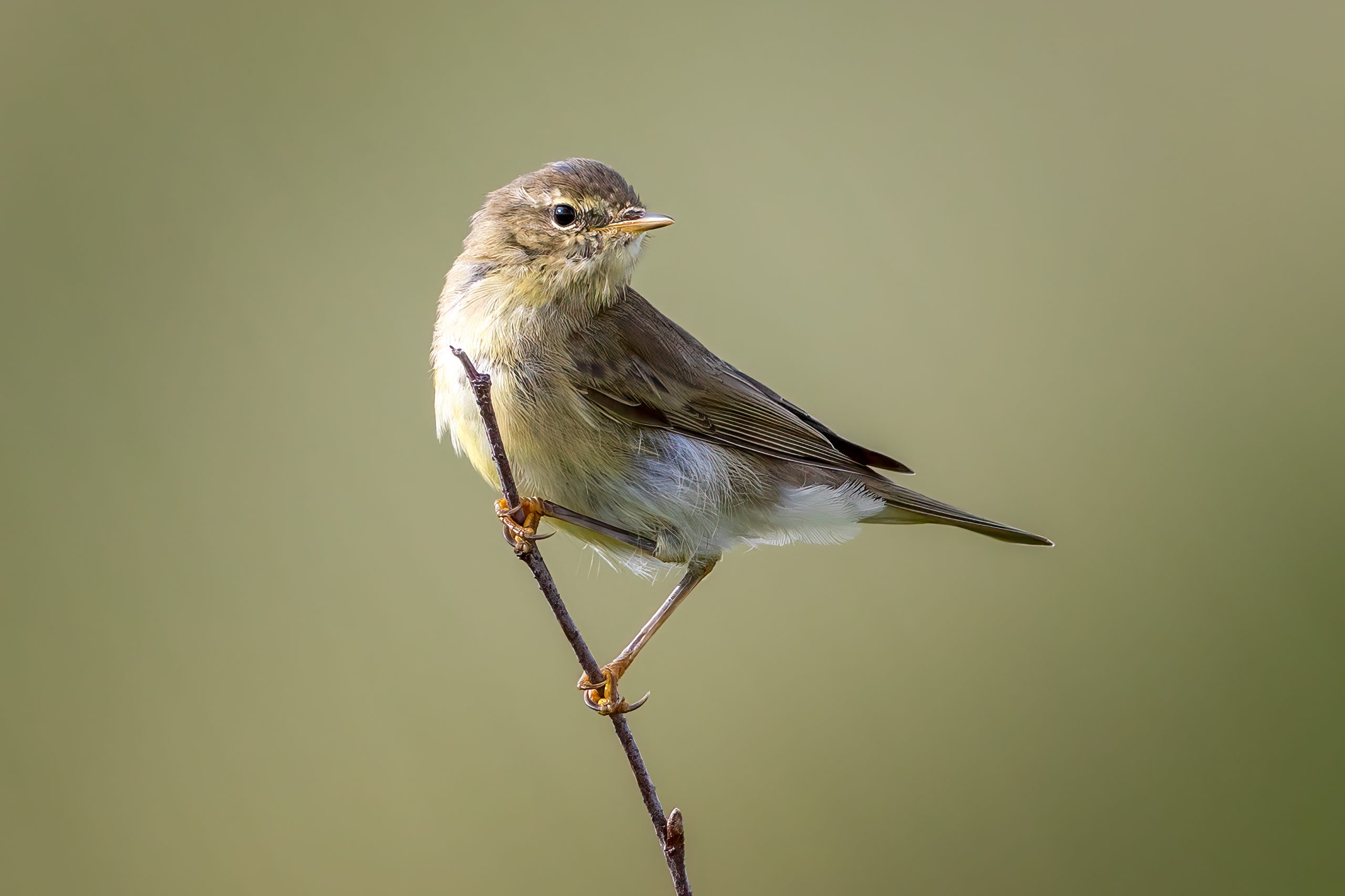
A 35-year series of standardised ringing at Sundre Bird Observatory on southern Gotland found a sharp decline in locally hatched young willow warblers. From 2016 to 2024, the number of first-year birds identified as local was 74 per cent lower than in 1990–2006. The study, published in Ornis Svecica on 31 August 2026, concerns the southern subspecies Phylloscopus trochilus trochilus.
Moult stage separated local young from migrants
Ringing was carried out from 25 July to 15 September each year from 1990 to 2024. Young willow warblers replace part of their juvenile plumage before their first autumn migration, and birds in early post-juvenile moult stages 0–4 are still making local dispersal movements. At Gotland these birds can therefore be used as an index of young produced in the surrounding breeding population, whereas birds in later moult stages include migrants arriving from farther north.
Across the full series, an average of 317 first-year birds in moult stages 0–4 was recorded each year, ranging from 50 to 591. The average was 431 birds in 1990–2006, but only 112 from 2016 onwards. The local breeding population itself has also declined: Swedish Bird Survey data cited by the authors indicate a 34 per cent reduction on Gotland between 1998 and 2022. The researchers therefore also examined whether annual numbers were unusually high or low relative to the long-term decline when comparing them with weather.
Warmer incubation and nestling periods were linked to fewer young
Warmer conditions during incubation and the nestling period were associated with fewer locally produced first-year birds, while temperature after fledging showed no clear relationship. Precipitation likewise showed no clear relationship with the number of birds. Temperatures during the nestling period were especially high in recent years: from 2016 onwards, apart from 2024, they averaged 16.3 °C compared with 14.0 °C in 1990–2015. Among the eight warmest years, all eight had fewer young birds than expected during the nestling-period comparison.
The bottleneck appears to occur before fledging
The body mass of surviving young birds in moult stage 4 did not decline over the study period. The authors therefore place the main bottleneck earlier, during incubation and the nestling stage rather than after fledging. They discuss several possible mechanisms, including reduced insect food, a mismatch between chick demand and insect availability, and temperature-related shifts in the timing of breeding and moult. The underlying mechanism is not yet resolved.
Willow warblers are long-distance migrants, and the southern subspecies winters in western sub-Saharan Africa. Conditions during migration and winter can therefore also influence population development. The authors describe the wider decline as a complex process, but the Gotland data indicate that reduced local offspring production—particularly in warmer breeding seasons—is an important part of the pattern.
Population & status
Related news
Ten Migrants Followed Early-slow and Late-fast Passage Strategies Through Nigeria
Twenty-four years of ringing data from Jos showed striking species differences in migration timing: Icterine Warblers were among…
Read story →
Chiffchaff Subspecies Followed Different Migration Routes and Diverged Most Strongly at MARB
Tracking and genomic data from Baltic-region common chiffchaffs showed contrasting southwest and southeast migration routes, while the strongest…
Read story →
Northern Willow Warbler Moult Lasted About 15 Days
A 2026 study in Russia’s far north found a highly synchronous willow warbler moult lasting about 15 days,…
Read story →SPECIES IN THIS STORY
Species in this story
Independent research and conservation news archive
Did you find this information useful?
Wildlife Vagabond is independently built and maintained. Voluntary support helps cover source verification, hosting and continued work on research and conservation news.
Support Wildlife VagabondThe news archive will remain freely available.