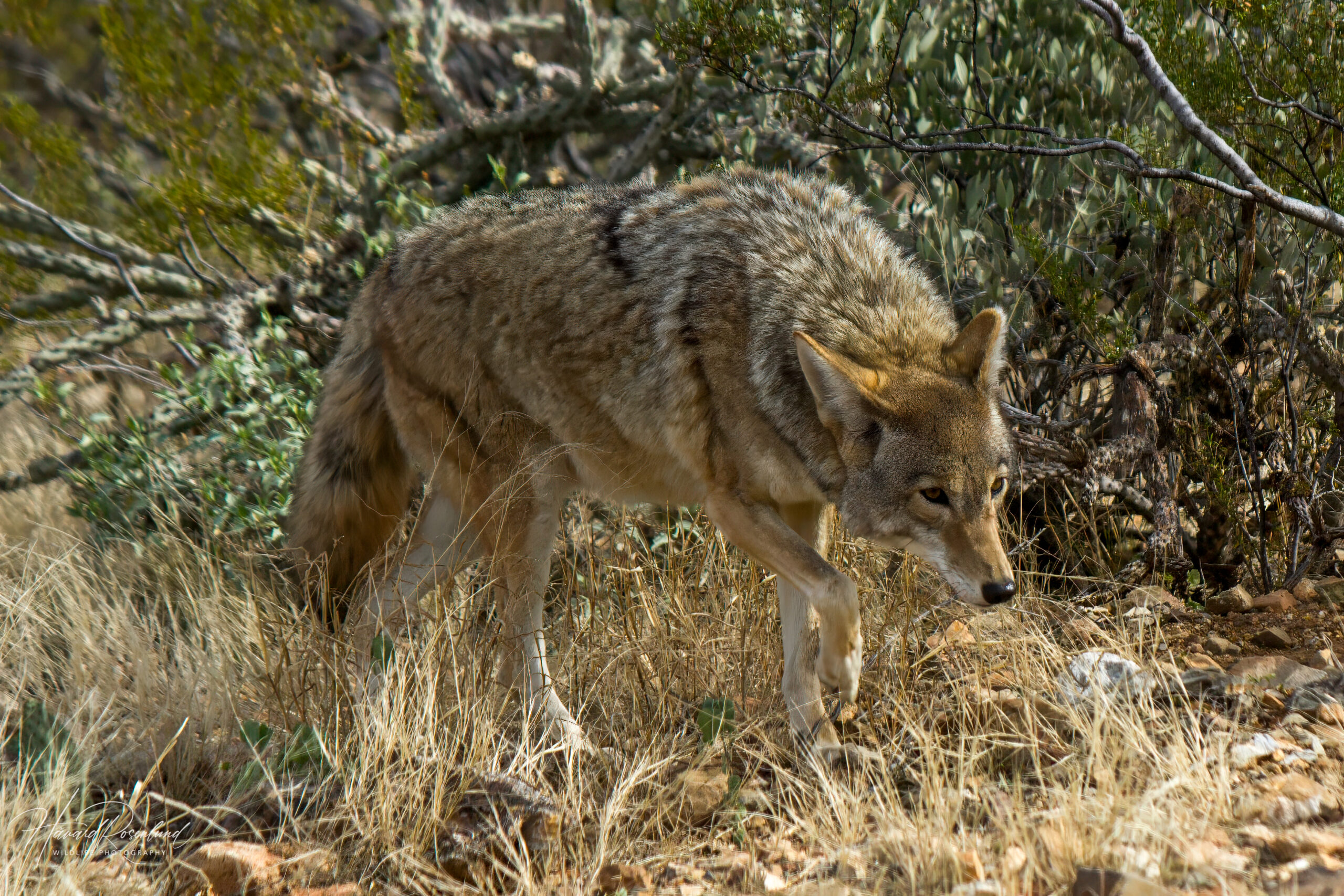
Los Angeles’s Urban Cores Absorb and Pass On Coyote Gene Variants
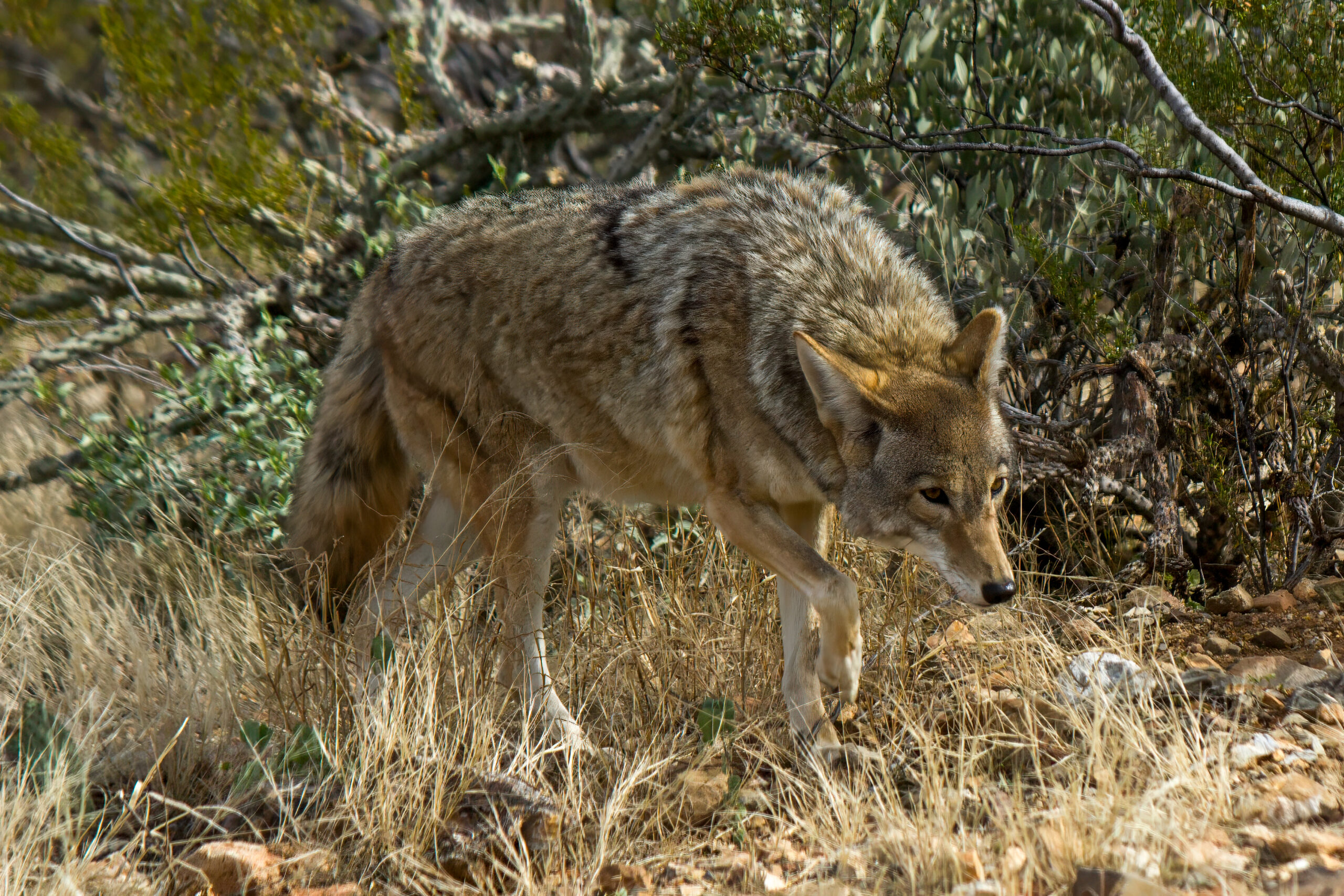
Major highways and dense development have not divided coyotes (Canis latrans) across Greater Los Angeles into genetically isolated populations. A study found gene flow across the region, including across four major highways. Its striking finding: the urban cores received genetic variants from surrounding populations but also passed them onward.
Researchers compared genetic markers from coyotes in urban areas and the less-developed outskirts. Genetic differences between locations were weak, and much of the structure that did appear was associated with family groups. The urban landscape was not a set of disconnected population islands.
Urban cores take in and pass on variants
Gene flow occurs when animals reproduce outside their population of origin, introducing their genetic variants into another population. The researchers found strongly asymmetric flow from less-developed outskirts toward the urban cores. This pattern supports the idea of an ecological sink: an area where local losses exceed local replacement, leaving the population dependent on immigrants. Genetic patterns support this interpretation but do not directly measure local births and deaths.
The cores were not genetic dead ends. Both exported gene flow to other parts of the region, while one also absorbed distinctive, transient variants from several surrounding sources. The authors describe these urban areas as “leaky sinks”: populations may depend on newcomers yet still connect other populations genetically.
Connections across the city
When gene flow is restricted, populations can become isolated and lose genetic variation. In Los Angeles, built-up areas and highways pose barriers, but do not prevent all genetic exchange. The findings point to the importance of permeability through the urban landscape and connections between habitat patches for maintaining regional genetic diversity. Genetic connectivity reflects successful reproduction over generations; it does not mean every highway crossing is safe.
The study was posted as a preprint on September 29, 2026, and had not yet been peer reviewed.
Ecology
Related news

Coyotes Increased Across Illinois Over Four Decades, but County Trends Varied
Four long-running Illinois surveys together showed a statewide coyote increase from 1980–2023, while county-level populations followed more variable…
Read story →
Mange in Coyotes Varied With Urban Density and Habitat Connectivity Across North American Cities
Camera-trap data linked visible mange in coyotes to urban intensity and habitat connectivity at two spatial scales, while…
Read story →
Coyotes Chose Steep Slopes and Stable Soils for Dens in Elk Island National Park
A study of 42 coyote dens in Elk Island National Park found that steep slopes, stable soils and…
Read story →SPECIES IN THIS STORY