
H1N1 From a Ukrainian Fieldfare Combined Gene Segments From Several Eurasian Bird Viruses
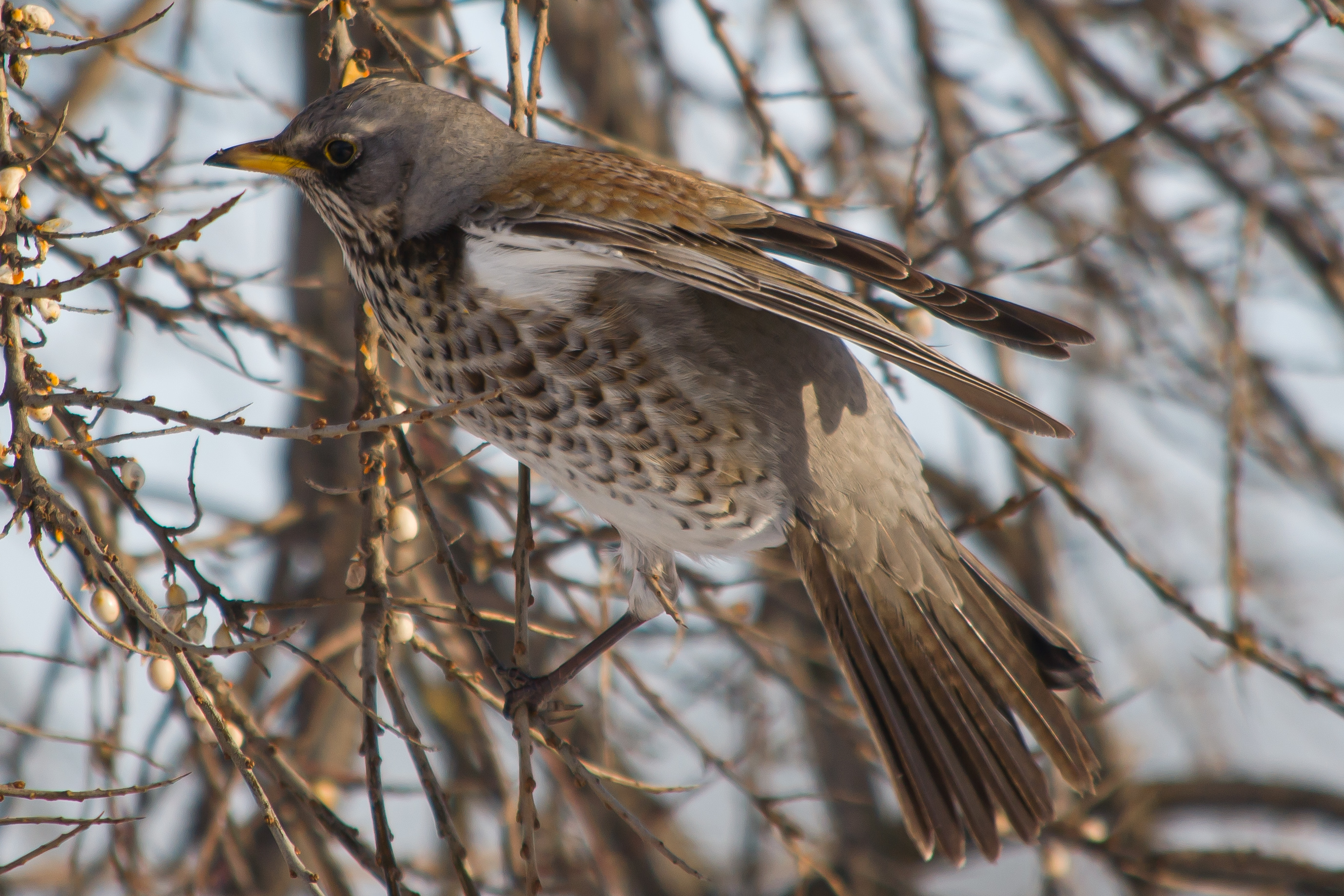
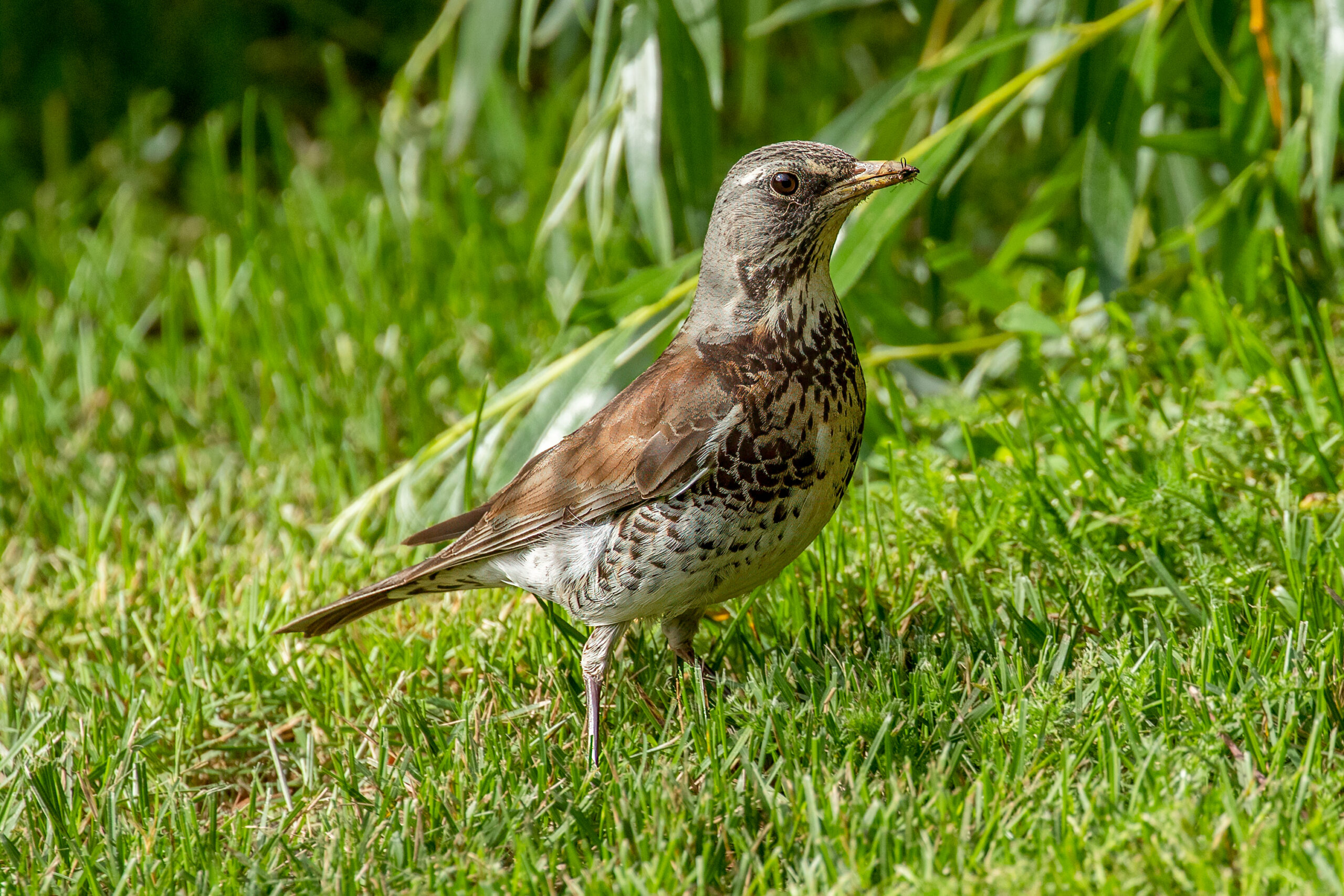
A low-pathogenic H1N1 avian influenza virus was isolated from an apparently healthy fieldfare (Turdus pilaris) in Zaporizhzhia Oblast, Ukraine, in February 2021. Because avian influenza viruses are detected far more often in waterfowl and shorebirds than in passerines, the researchers sequenced all eight genome segments to examine the virus’s evolutionary origin and markers associated with changes in host range.
The same local sampling of fieldfares yielded two avian influenza A isolates, H1N1 and H7N1, giving a local infection rate of 11.1%. The detailed genomic analyses in this paper focused on the H1N1 isolate.
The genome pointed back to Eurasian avian influenza viruses
Phylogenetic analysis placed all eight genome segments within the wider Eurasian avian-influenza gene pool. Their closest relatives were not all H1N1 viruses: seven segments were most similar to low-pathogenic influenza viruses of several subtypes circulating mainly in wild waterfowl across Europe and Asia, while the PA segment was the important exception.
The HA (haemagglutinin) and NA (neuraminidase) segments were especially close to viruses detected in wild waterfowl in Ukraine and other parts of Eurasia around the same period. One notable exception in the pattern of nearest relatives was the PA polymerase segment, which was closely related to contemporary highly pathogenic H5N1 viruses from western Siberia and China. The authors therefore describe the fieldfare virus as a multi-gene reassortant assembled from the wider Eurasian avian-influenza gene pool.
The virus retained the main hallmarks of low-pathogenic avian H1N1
The PA relationship to H5N1 does not mean that the fieldfare isolate itself was highly pathogenic. Its HA cleavage site had the low-pathogenic form expected for avian influenza, and the virus lacked the PB2 substitutions that the authors specifically screened as well-known markers of mammalian adaptation. They also found no major change in the receptor-binding region that would indicate a clear shift away from the typical avian pattern.
No behavioural abnormalities or mortality were observed among the monitored wild fieldfares. In embryonated chicken eggs, however, the H1N1 isolate replicated efficiently and caused embryo death. The authors present this as biological activity in an experimental system, not as evidence that the virus caused disease in the wild thrushes.
Several amino-acid substitutions were nevertheless noteworthy. The HA changes D204E, S207T and D239G occur in or near regions involved in antigen recognition or receptor interactions. The nucleoprotein also carried N319K, a substitution previously reported in H5N1 viruses and linked in earlier work to altered host specificity and mammalian virulence. Its presence here is a molecular observation, not evidence that this H1N1 isolate had become adapted to mammals.
How the fieldfare acquired H1N1 remains unresolved
The study could not determine whether the infection represented spillover from wild waterfowl at shared winter feeding or watering sites, or whether transmission had occurred among fieldfares. The sampled bird appeared healthy, and the detection does not show that fieldfares are an important reservoir of H1N1.
For the authors, the significance lies in finding a waterfowl-like influenza genome in a poorly studied passerine host. They argue that broader surveillance of passerines can help reveal host shifts and circulation of avian influenza viruses that would be missed when monitoring is concentrated mainly on waterfowl.
Disease, parasites & microbiology
Related news
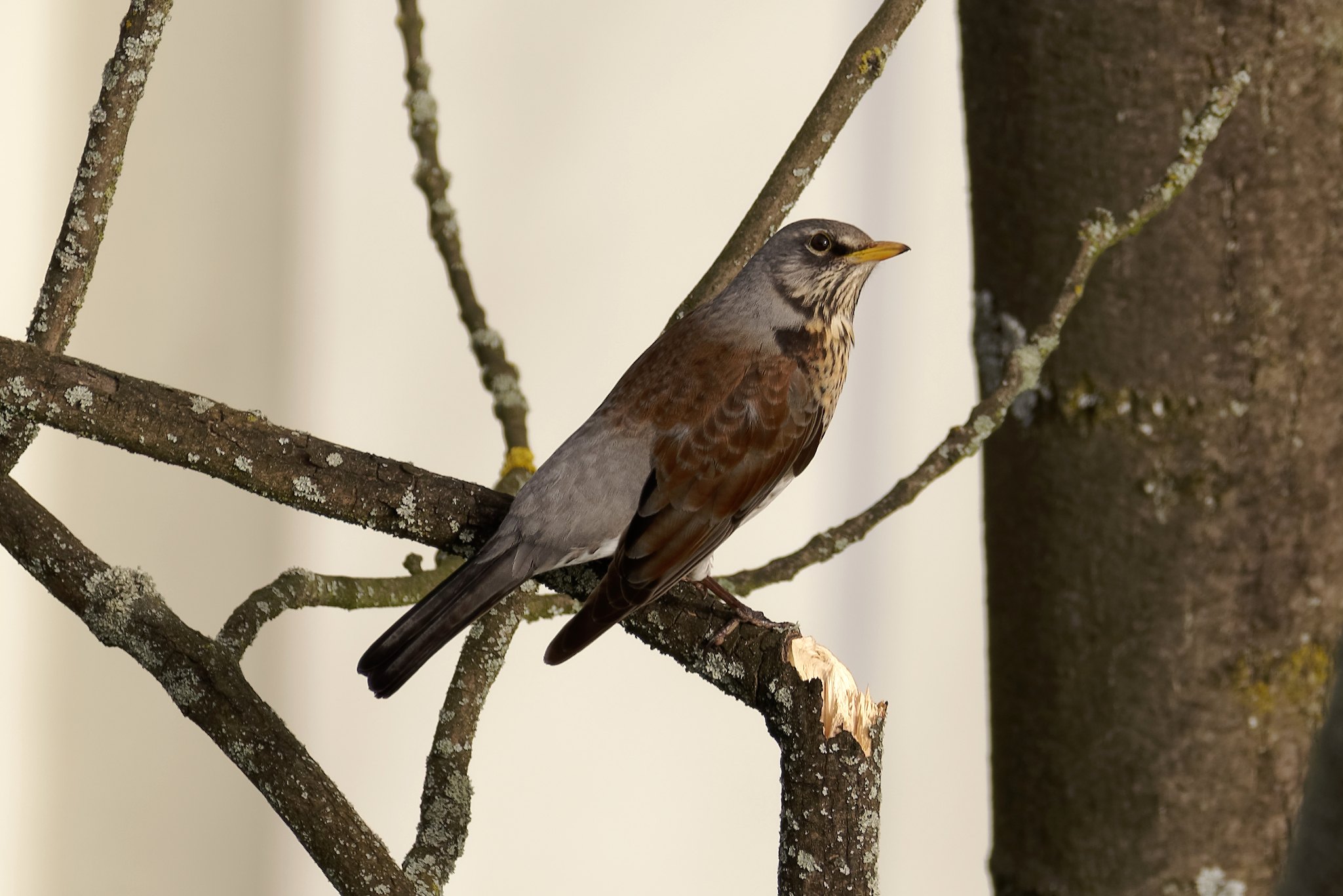
Fieldfare and Song Thrush Confirmed as New Intermediate Hosts of Sarcocystis turdusi
Across 72 dead thrushes from Lithuania and Russia’s Kaliningrad region, DNA confirmed fieldfare and song thrush as new…
Read story →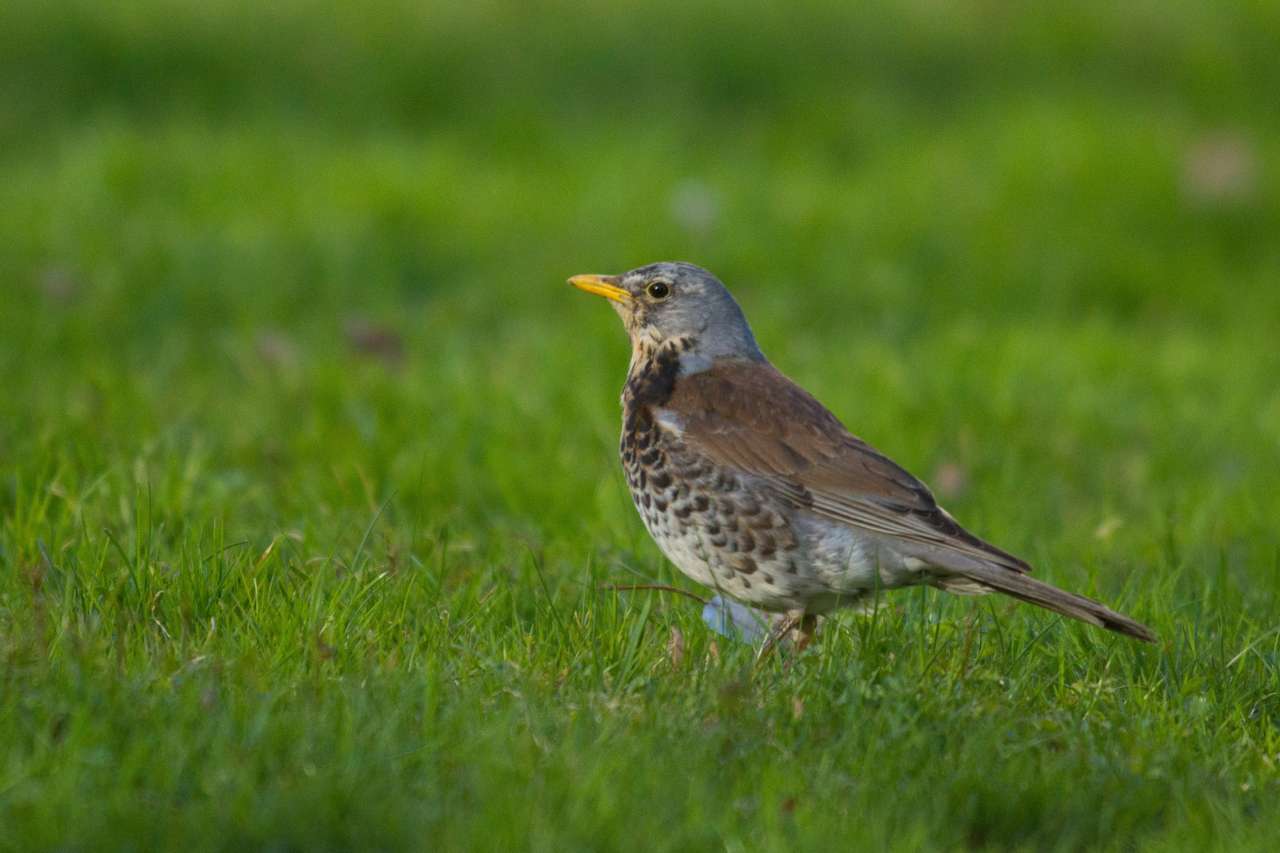
Fieldfare Declined 56 Percent in Norway’s Farmland Bird Index
NIBIO’s farmland monitoring showed that the fieldfare index fell 56% from 2000 to 2023, while the combined index…
Read story →
Bird Droppings Contained Both Plant Nutrients and Resistance Genes
Droppings from wintering waterbirds at Caohai in China contained phosphorus that can readily become available to algae. Researchers…
Read story →SPECIES IN THIS STORY
Species in this story
Independent research and conservation news archive
Did you find this information useful?
Wildlife Vagabond is independently built and maintained. Voluntary support helps cover source verification, hosting and continued work on research and conservation news.
Support Wildlife VagabondThe news archive will remain freely available.