
Male Elephants Made Most Visits to the Bones of a Long-Dead Bull
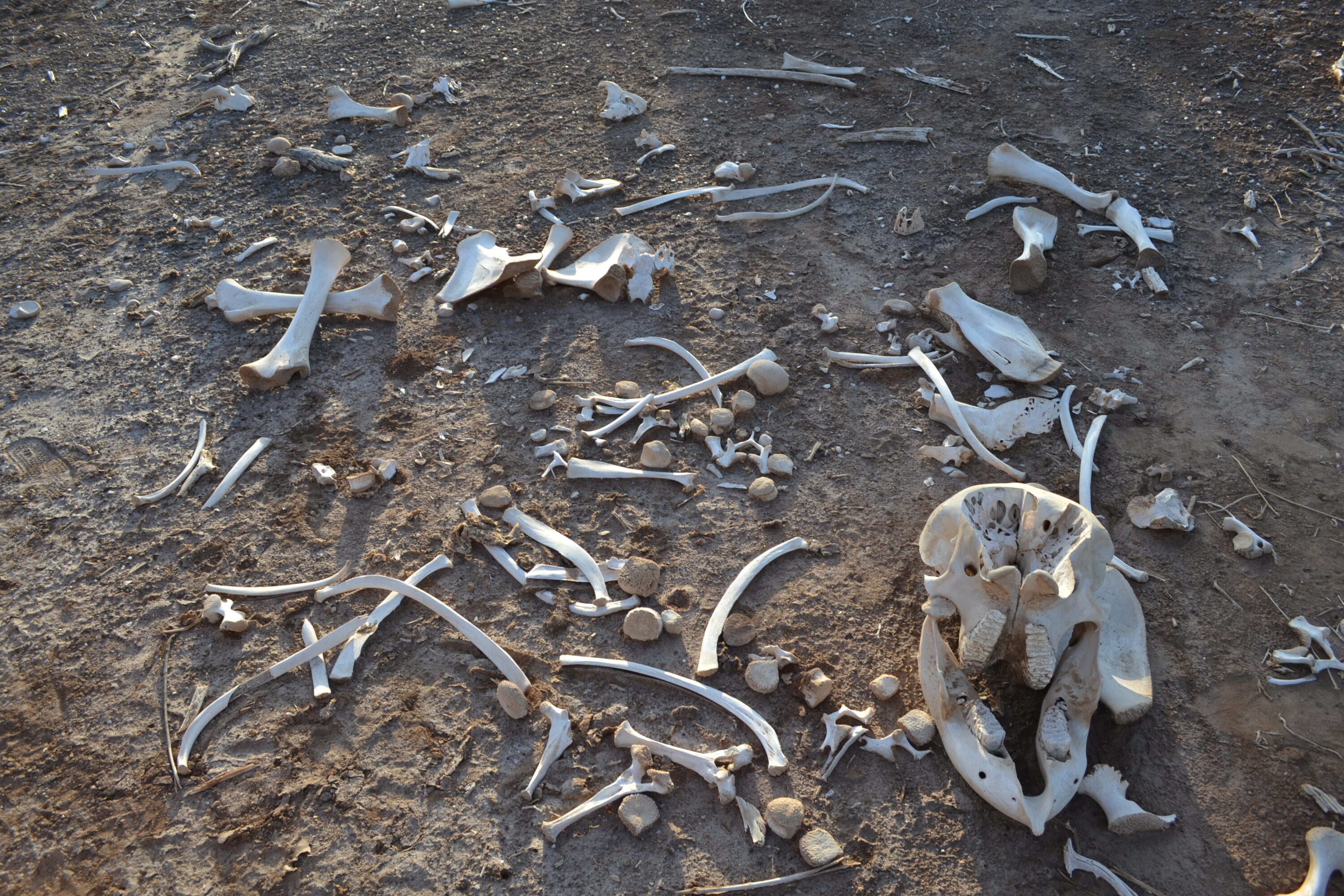
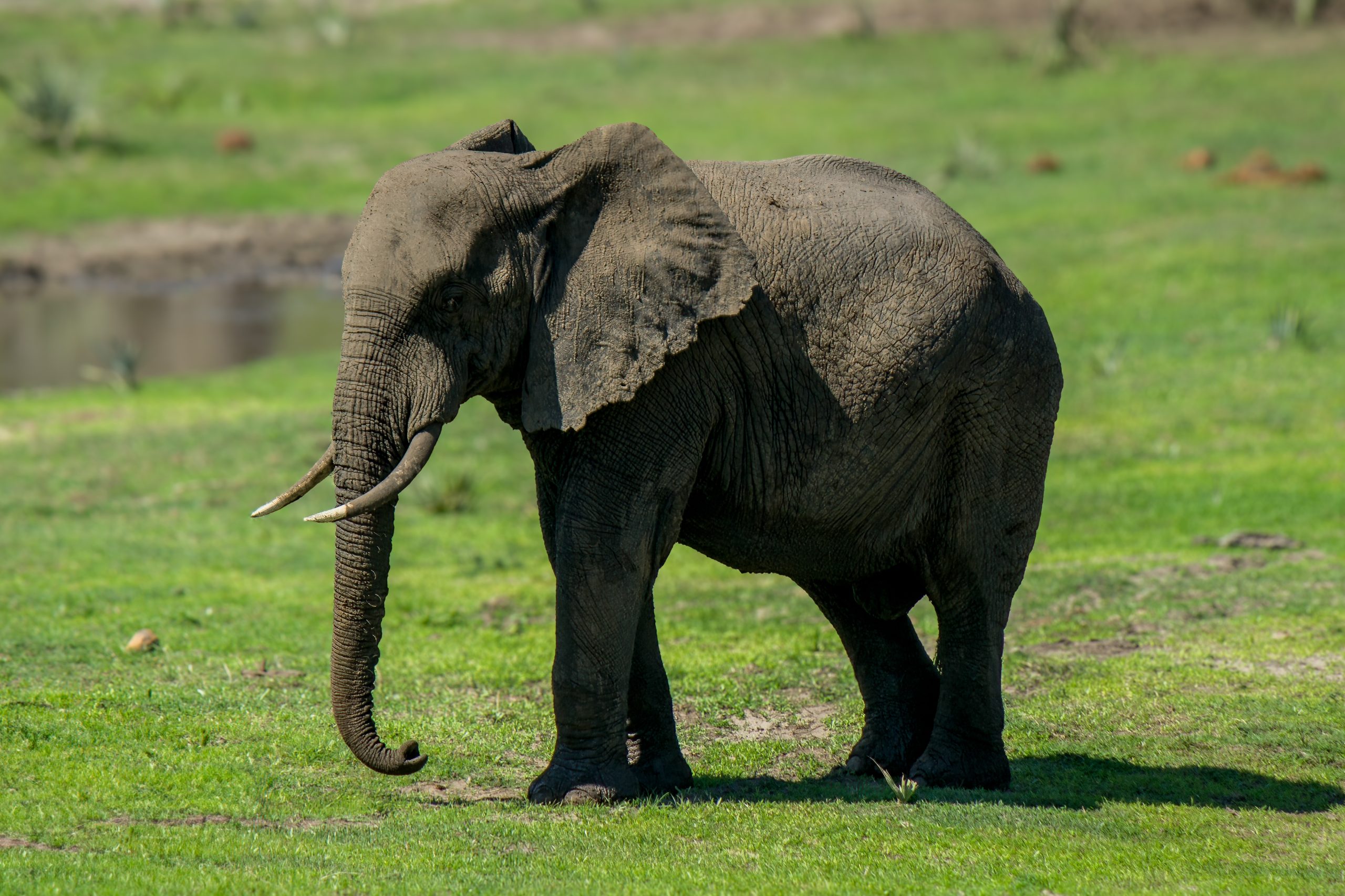
Researchers recorded repeated visits by African bush elephants (Loxodonta africana) to the bones of a long-dead adult bull in southern Kenya. A camera monitored the mortality site for 3.5 months in 2023 and recorded 34 separate elephant visits. The study adds a different setting to earlier work, which has focused mainly on fresh carcasses of females or calves.
Lone males or bachelor groups accounted for 85.3% of the recorded visit events. Elephants often investigated the remains by touching or sniffing the bones. This event pattern does not mean that most unique visitors were male: the researchers could not identify every elephant, and they identified at least 16 males compared with at least 19 females or juveniles.
Previous studies have shown that elephants approach and investigate dead members of their own species, including carcasses, skulls and ivory. The Kenyan observations extend this evidence to the bones of a bull that had been dead for a long time, showing that close investigation can continue well beyond the period of a fresh carcass.
The authors discuss whether visits to old remains may depend more on memory and cognitive mapping as chemical cues fade with time. This was not tested directly. The mortality site also lay near frequently used elephant trails, so elephants may sometimes have arrived there incidentally, although their repeated touching and sniffing of the bones showed active investigation once they encountered the remains.
The observations do not establish whether the visitors recognised the dead bull or experienced grief. They document a behavioural pattern at a single mortality site: repeated inspection of old conspecific bones, with most recorded visit events involving males. This broadens the evidence on elephant responses to the dead beyond the fresh female and calf carcasses that dominate earlier field studies.
Behaviour
Related news
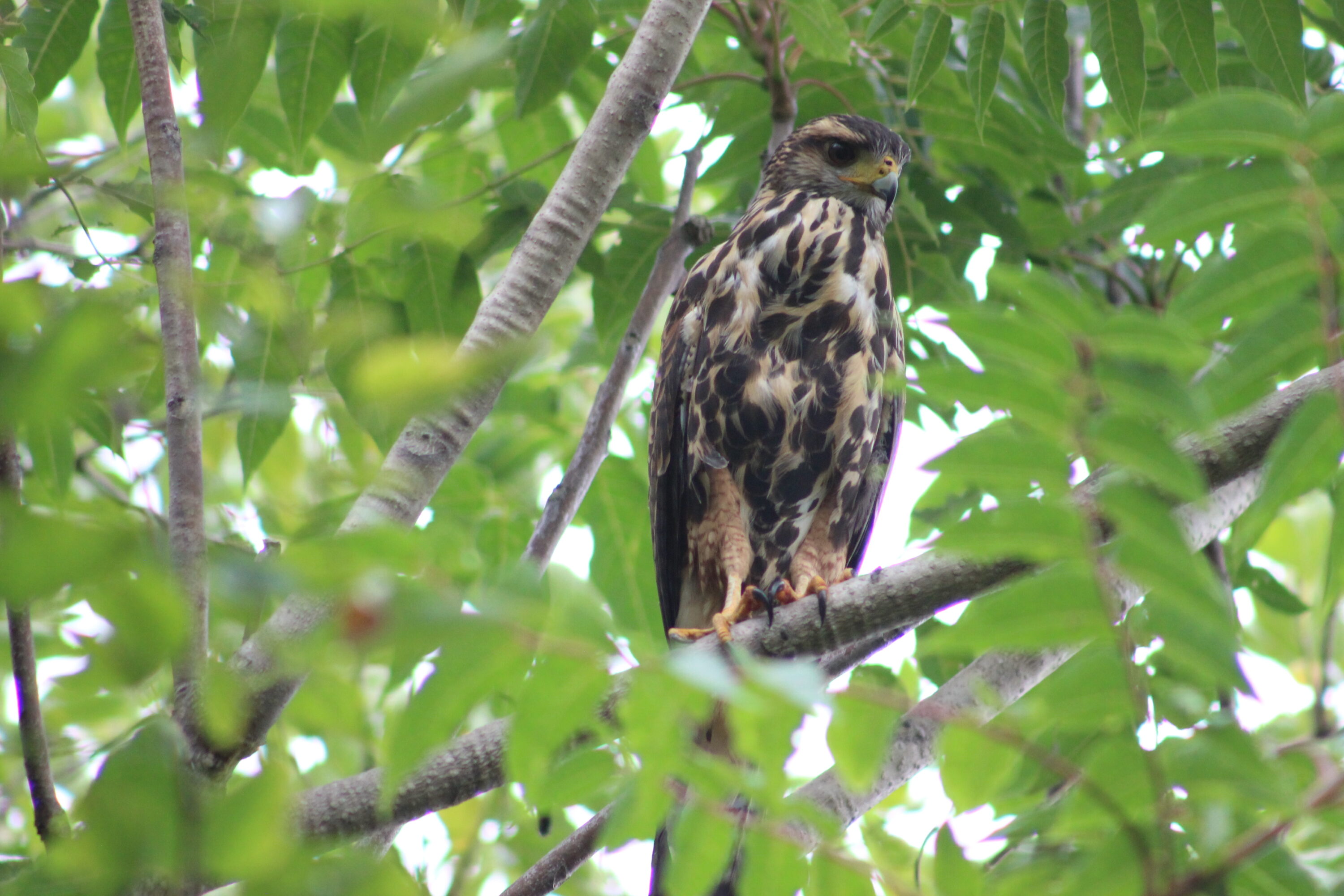
Juvenile Harris's Hawks Manipulated Pine Cones for About Five Minutes
Two juvenile Harris's hawks in Buenos Aires Province tore pine cones from trees, carried them to new perches…
Read story →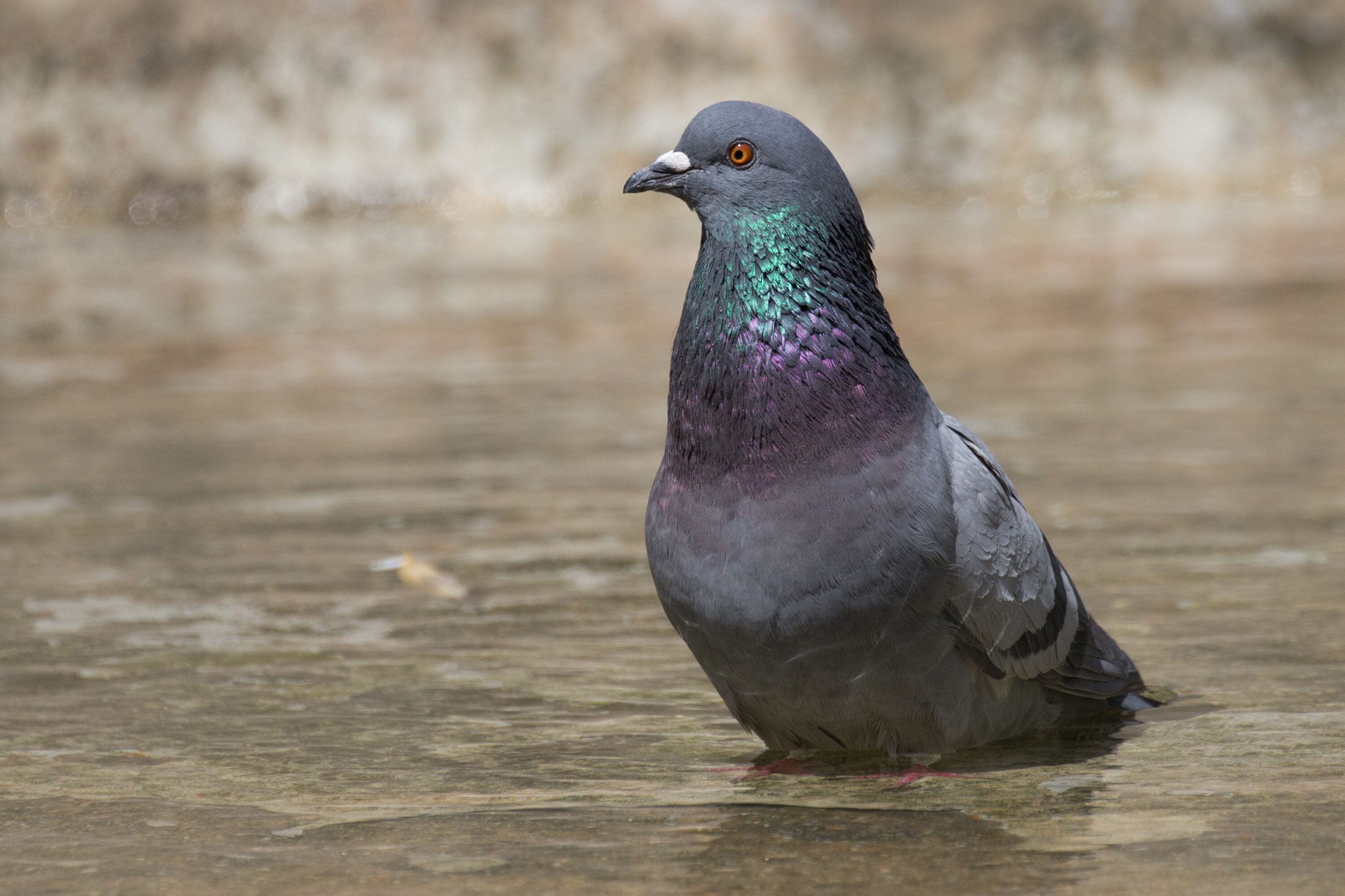
Rock Doves Preferred Predictive Information Despite a Lower Food Payoff
Seven rock doves preferred an informative option that paid on 20% of trials over a non-informative option that…
Read story →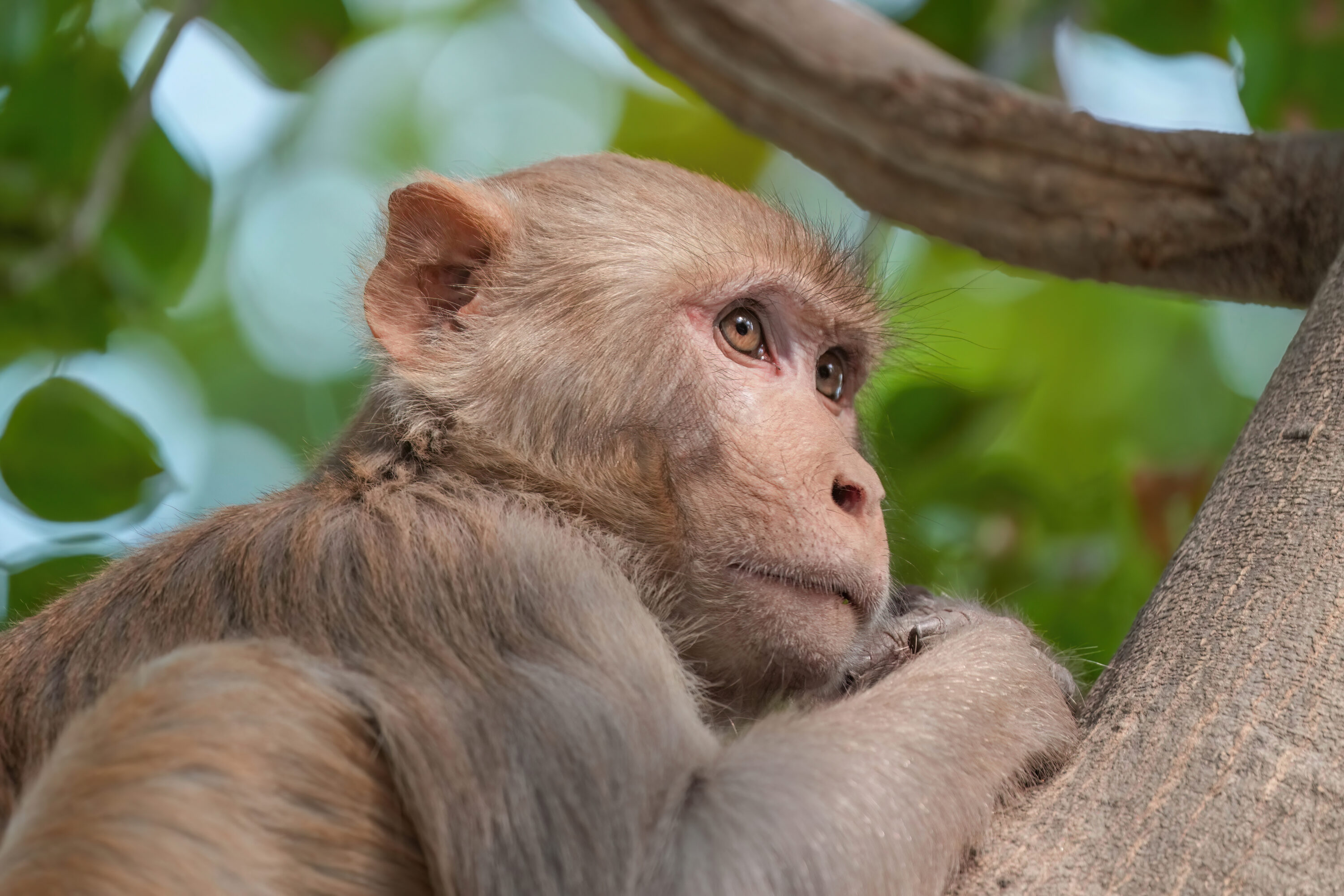
Task Uncertainty Increased Interference From Irrelevant Visual Information in Rhesus Macaque Decisions
Two rhesus macaques made less accurate visual decisions under task uncertainty; recordings and microstimulation in primary visual cortex…
Read story →SPECIES IN THIS STORY
Species in this story
Independent research and conservation news archive
Did you find this information useful?
Wildlife Vagabond is independently built and maintained. Voluntary support helps cover source verification, hosting and continued work on research and conservation news.
Support Wildlife VagabondThe news archive will remain freely available.