
Mallards in Algeria Had Larger Nests and Eggs and Higher Breeding Success Later in the Season
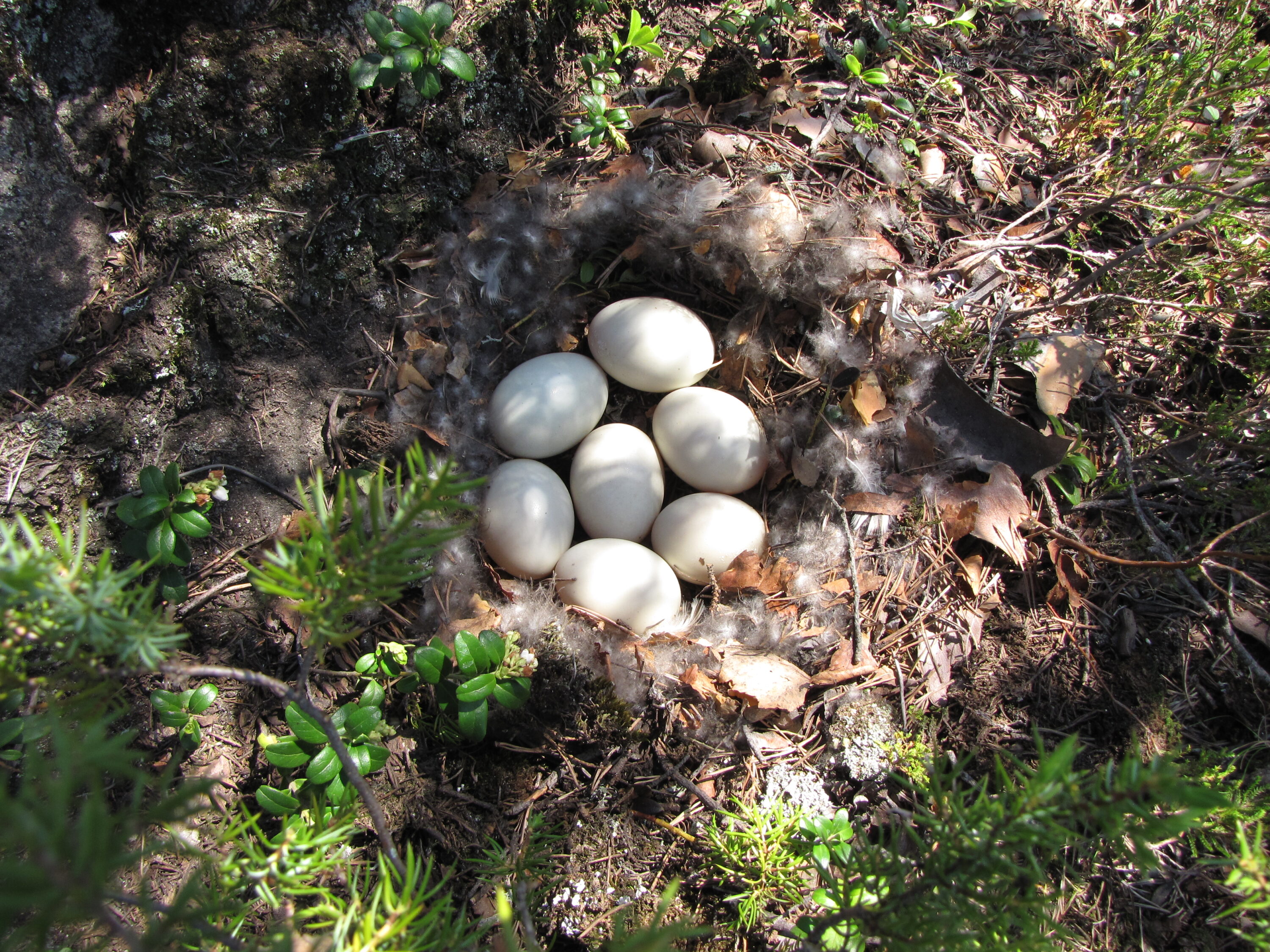
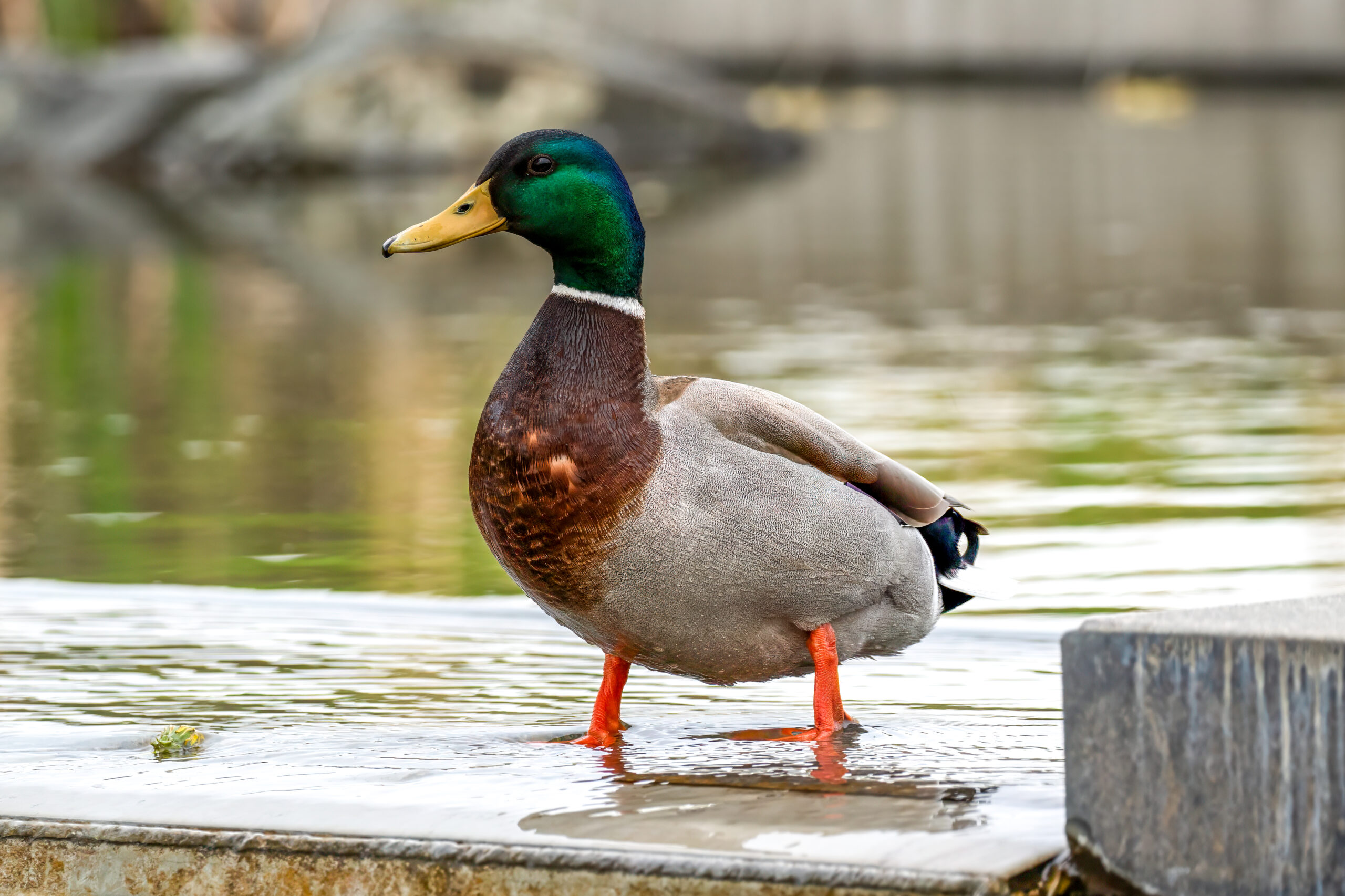
A study of 20 wild mallard (Anas platyrhynchos) nests on a small island in Oued Charef Dam in northeastern Algeria found a clear seasonal pattern in several reproductive traits. Nests were larger and deeper later in the breeding season, eggs were generally larger and heavier, and both hatching success and overall breeding success were higher. Clutch size, however, did not show a clear difference among the four parts of the season.
The study was published on 14 July 2026, but the fieldwork itself covered one breeding season, from early October 2018 to early June 2019. This distinction matters because the results describe temporal differences within one population at one site rather than a multi-year trend.
Twenty Nests Across Four Calendar Periods
The researchers monitored nests weekly and measured their external and internal diameter and depth. Eggs were individually marked and measured for length, width and mass, with volume calculated from egg dimensions. The study also followed clutch size, hatching success, nest outcome and chick productivity for up to 20 days after hatching.
For the analysis, the breeding season was divided into four periods: early breeding from early October to mid-December, mid-breeding I from mid-December to early March, mid-breeding II from early March to late April, and late breeding from late April to early June. These were calendar-based categories rather than physiological or behavioural stages measured in individual females. The author used them as a practical way to compare how nesting and reproductive traits varied through the season.
Nests and Eggs Were Larger Later in the Season
Nest dimensions increased strongly across the four periods. External nest diameter was smallest during early breeding and largest during late breeding, with an early-to-late difference of 7.4 centimetres. Internal diameter showed a similarly strong increase, while nest depth was 1.5 centimetres greater in the late than in the early period.
Egg length, width, volume and mass followed the same broad pattern. The largest reported pairwise differences reached 10.7 cubic centimetres for egg volume and 5.45 grams for egg mass. The analyses showed clear differences among breeding periods for these egg traits.
Clutch size was different. The number of eggs tended to be higher in the middle and later parts of the season, but the univariate comparison did not give clear support for a difference. The paper therefore treats this as a tendency rather than a demonstrated stage effect.
Hatching and Breeding Success Also Increased
Hatching success and overall breeding success were lowest in the early period and higher later in the season. Some of the reported pairwise contrasts were large: differences in hatching success reached 58.2 percentage points, while differences in overall breeding success reached 48.9 percentage points.
Multivariate analyses produced the same overall picture. Nest dimensions, egg traits, clutch size and reproductive success varied together along a dominant gradient, and the four calendar periods separated sequentially in the multivariate analysis. The author interprets this as coordinated seasonal variation in reproductive investment rather than a change in just one isolated trait.
The Study Shows a Pattern, Not Its Cause
In the discussion, the author proposes biological reasons why larger nests and eggs could matter. Larger or deeper nests may affect insulation and protection, while larger eggs contain more resources for developing embryos. These ideas are drawn from previous research; this study did not experimentally test whether larger nests or eggs caused the higher reproductive success observed later in the season.
The paper also notes two important limits. Data came from a single site and a single breeding season, which restricts how widely the pattern can be generalized. In addition, environmental variables such as temperature, rainfall and food availability were not incorporated into the analysis, so the study cannot identify which environmental changes drove the seasonal differences.
The result is therefore best read as a detailed baseline for this semi-arid Mediterranean wetland: within the 2018–2019 season at Oued Charef Dam, several measures of nest construction, egg investment and reproductive success were greater later in the season, while clutch size did not show a clear difference.
Reproduction & development
Related news
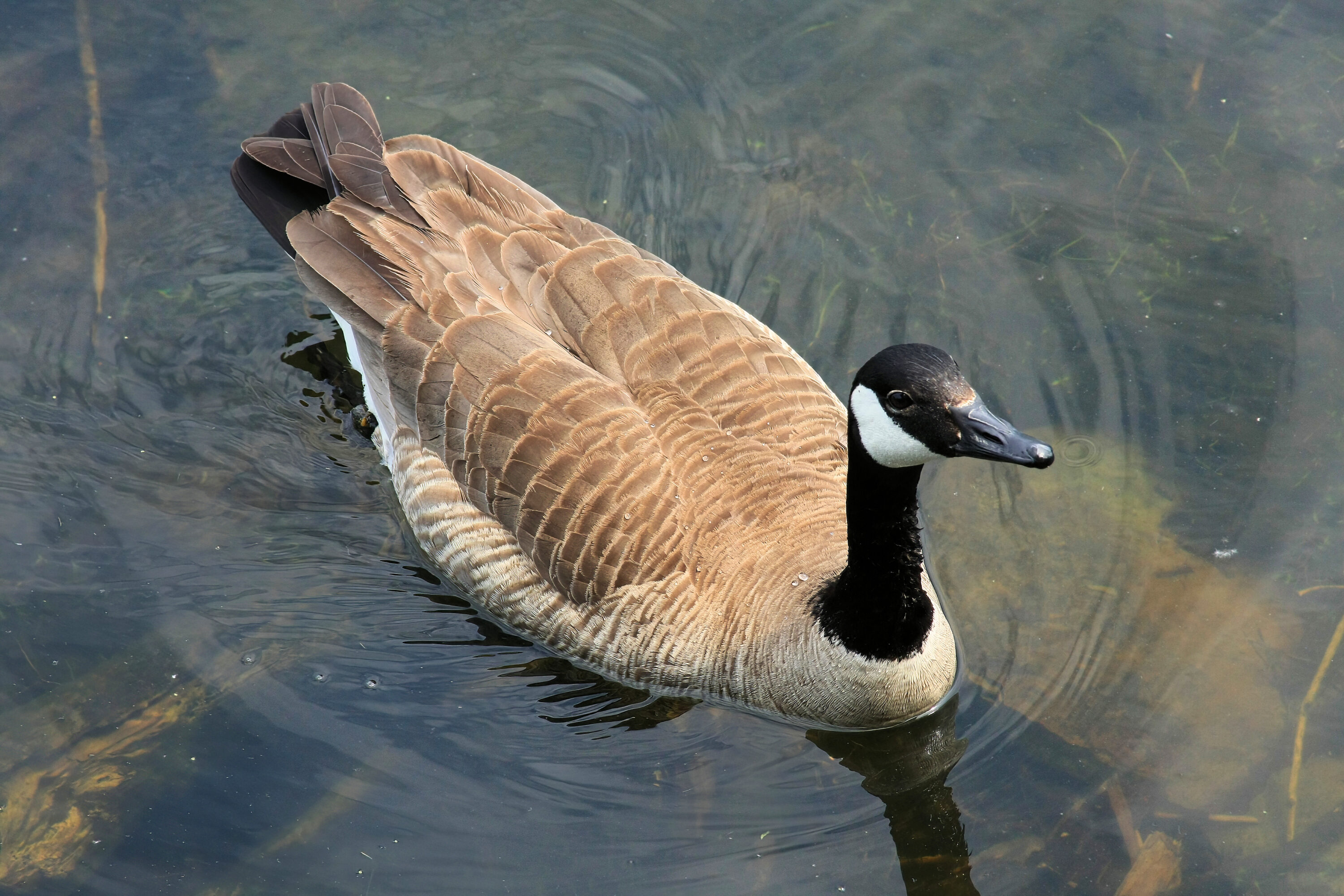
Seven overlaps linked wild-bird H5 clusters with poultry outbreaks in the US
Across seven periods between 2022 and 2025, clusters of H5 detections in wild waterfowl overlapped in time and…
Read story →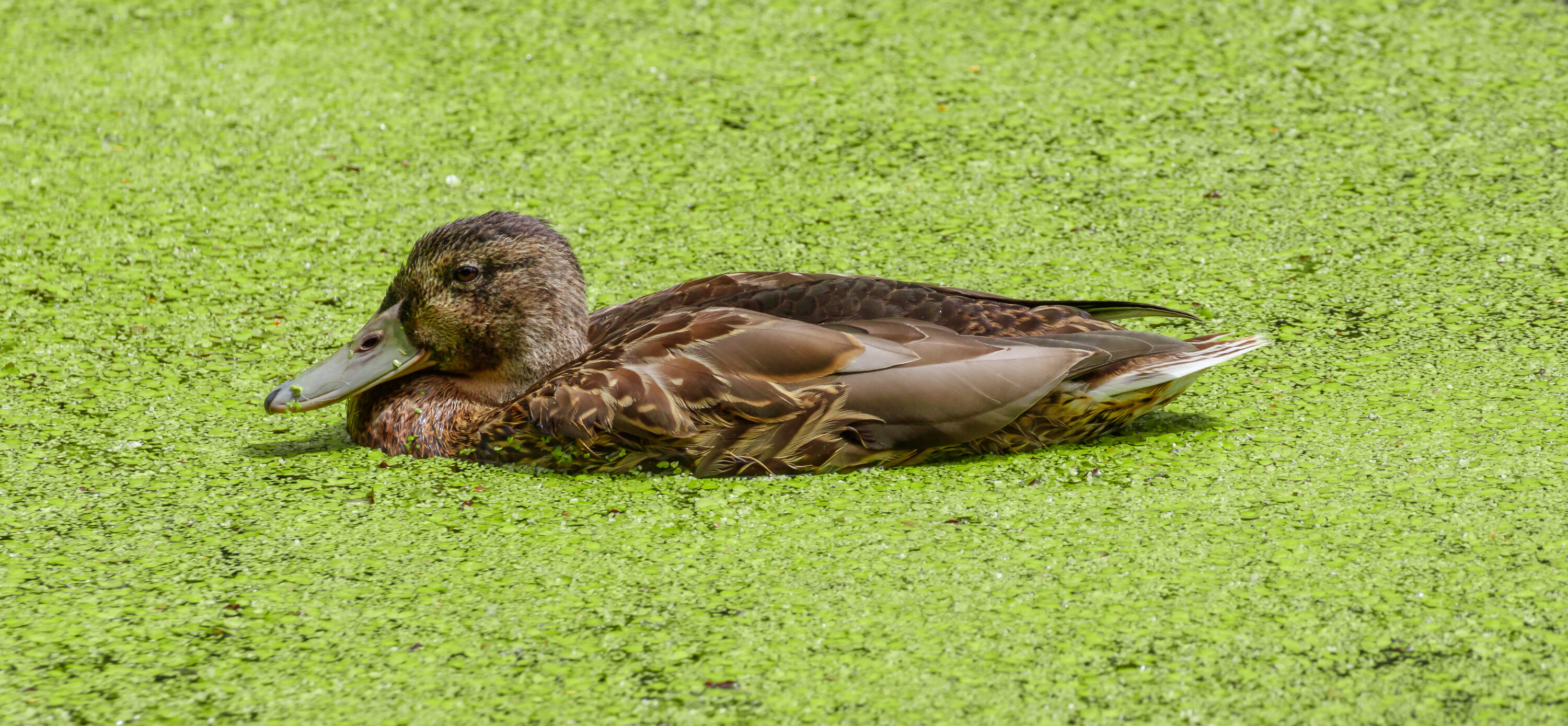
H5 Avian Influenza RNA and ESBL E. coli Detected in Water Bins Used by Wild Mallards in Germany
Water from baited bins visited mainly by wild mallards on Germany’s Baltic coast contained RNA from highly pathogenic…
Read story →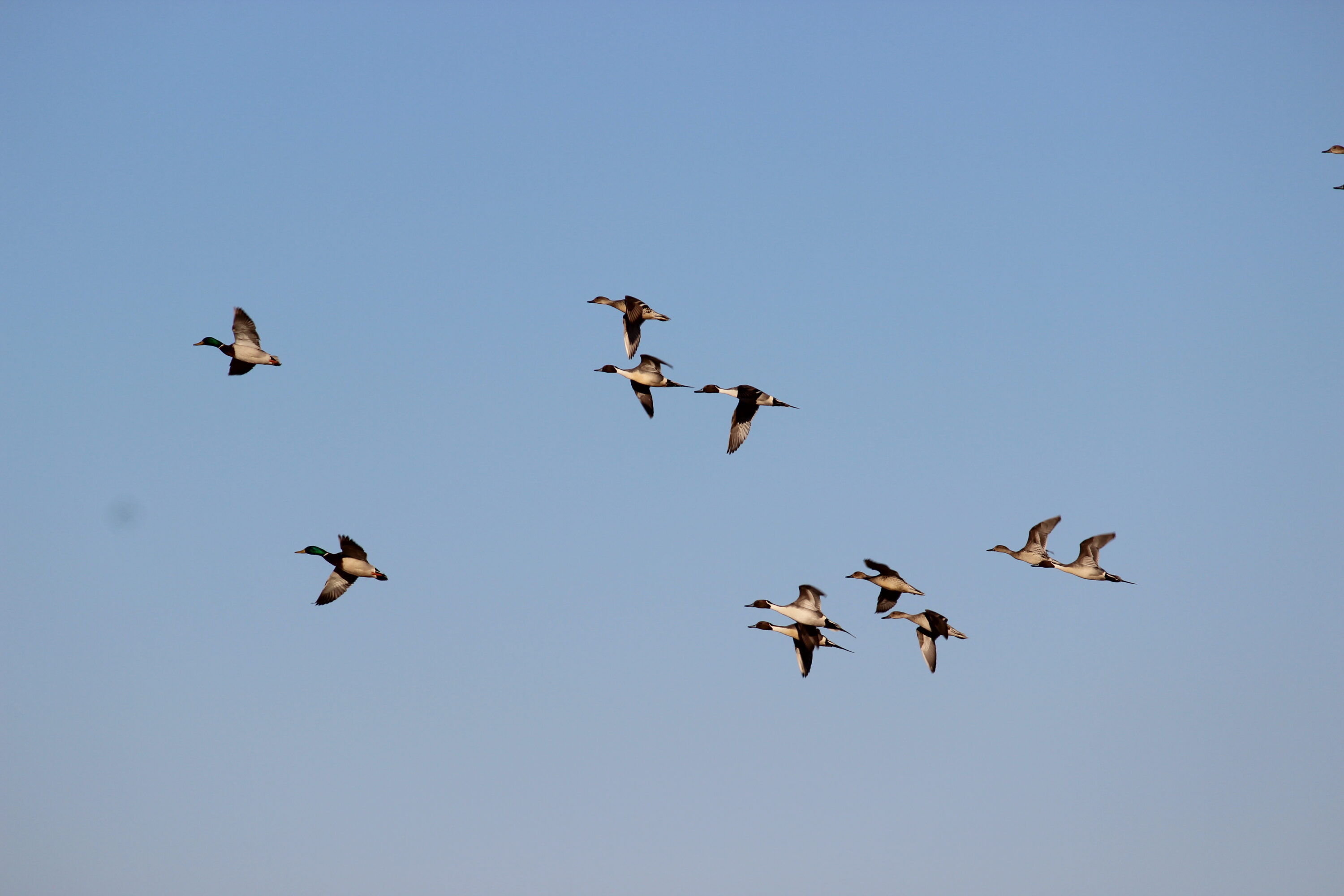
Papillomavirus Genomes Recovered from Three Northern Pintails and One Mallard in New Mexico
Cloacal swabs from three northern pintails and one mallard in New Mexico yielded four complete papillomavirus genomes. All…
Read story →SPECIES IN THIS STORY
Species in this story
Independent research and conservation news archive
Did you find this information useful?
Wildlife Vagabond is independently built and maintained. Voluntary support helps cover source verification, hosting and continued work on research and conservation news.
Support Wildlife VagabondThe news archive will remain freely available.