
Mallards from Siedlce had higher manganese levels than mallards from Leszno
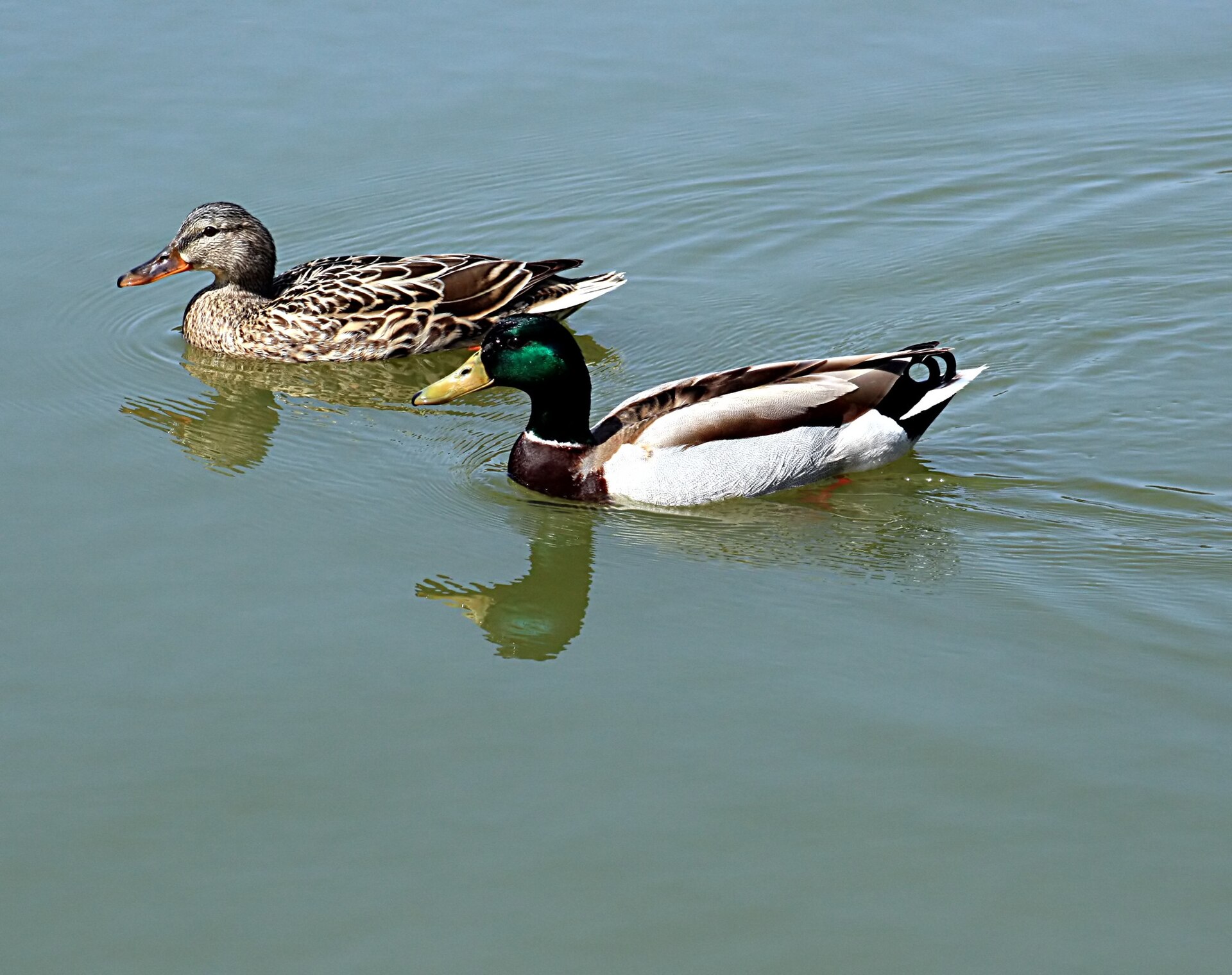
Wild mallards (Anas platyrhynchos) from two hunting districts in Poland differed in the trace elements measured in their tissues. Manganese was significantly higher in birds from Siedlce than in birds from Leszno in all three tissues tested: breast muscle, leg muscle and liver. Molybdenum showed the opposite, but weaker, district pattern: levels tended to be higher in Leszno, though the differences were not statistically significant.
Manganese and molybdenum are essential trace elements: animals need small amounts, but too much can be harmful. Mallards have been studied as indicators of metal contamination, yet relatively little was known about how these two elements vary in their tissues with habitat. The study, published in Animals on 22 October 2026, compared 28 legally harvested mallards—12 from Siedlce and 16 from Leszno. Researchers collected breast muscle, leg muscle and liver and analyzed the samples for both elements. The birds were harvested between 15 August and 15 October, before migration; most were estimated to be about a year old.
Manganese varied by district, molybdenum by sex
The size of the manganese difference depended on the tissue. In breast muscle, the average concentration was about ten times higher in Siedlce birds than in Leszno birds: 0.665 versus 0.065 milligrams per kilogram of wet tissue. In leg muscle, it was about four times higher (0.693 versus 0.174 mg/kg), while in the liver it was nearly twice as high (4.319 versus 2.481 mg/kg). The liver had the highest concentration of both elements among the tissues examined.
For molybdenum, the clear difference was between the sexes in the liver. Males averaged 0.0292 mg/kg, compared with 0.0231 mg/kg in females. The study did not find statistically significant sex differences in manganese. Nor were the district differences in molybdenum statistically significant, despite the generally higher averages in Leszno.
The authors suggest that local habitat, diet or exposure could help explain the manganese pattern. Mallards in both districts were hunted at ponds in agricultural landscapes, where cereal grains made up a substantial part of their diet. But the study did not measure what the ducks ate or their exposure to metals, so it cannot identify the cause of the difference. It shows instead that manganese levels in the sampled mallards varied significantly between the two districts, while the detectable sex difference was specific to molybdenum in the liver.
Ecology
Related news
Hunted birds showed hidden differences in survival
Records for 61,432 ringed birds from six hunted species, collected between 1953 and 2020, revealed hidden survival differences…
Read story →
Northern Pintails Got Less Energy from Wetland Seeds Than Other Ducks
Feeding trials comparing Mallards, Northern Pintails and Green-winged Teal found that usable energy from seeds of six moist-soil…
Read story →
Non-hunting deaths drove the decline in adult female mallard survival
A 50-year analysis of banding and recovery records across the Prairie Pothole Region found that adult female mallard…
Read story →SPECIES IN THIS STORY
Species in this story

Independent research and conservation news archive
Did you find this information useful?
Wildlife Vagabond is independently built and maintained. Voluntary support helps cover source verification, hosting and continued work on research and conservation news.
Support Wildlife VagabondThe news archive will remain freely available.