
Non-hunting deaths drove the decline in adult female mallard survival
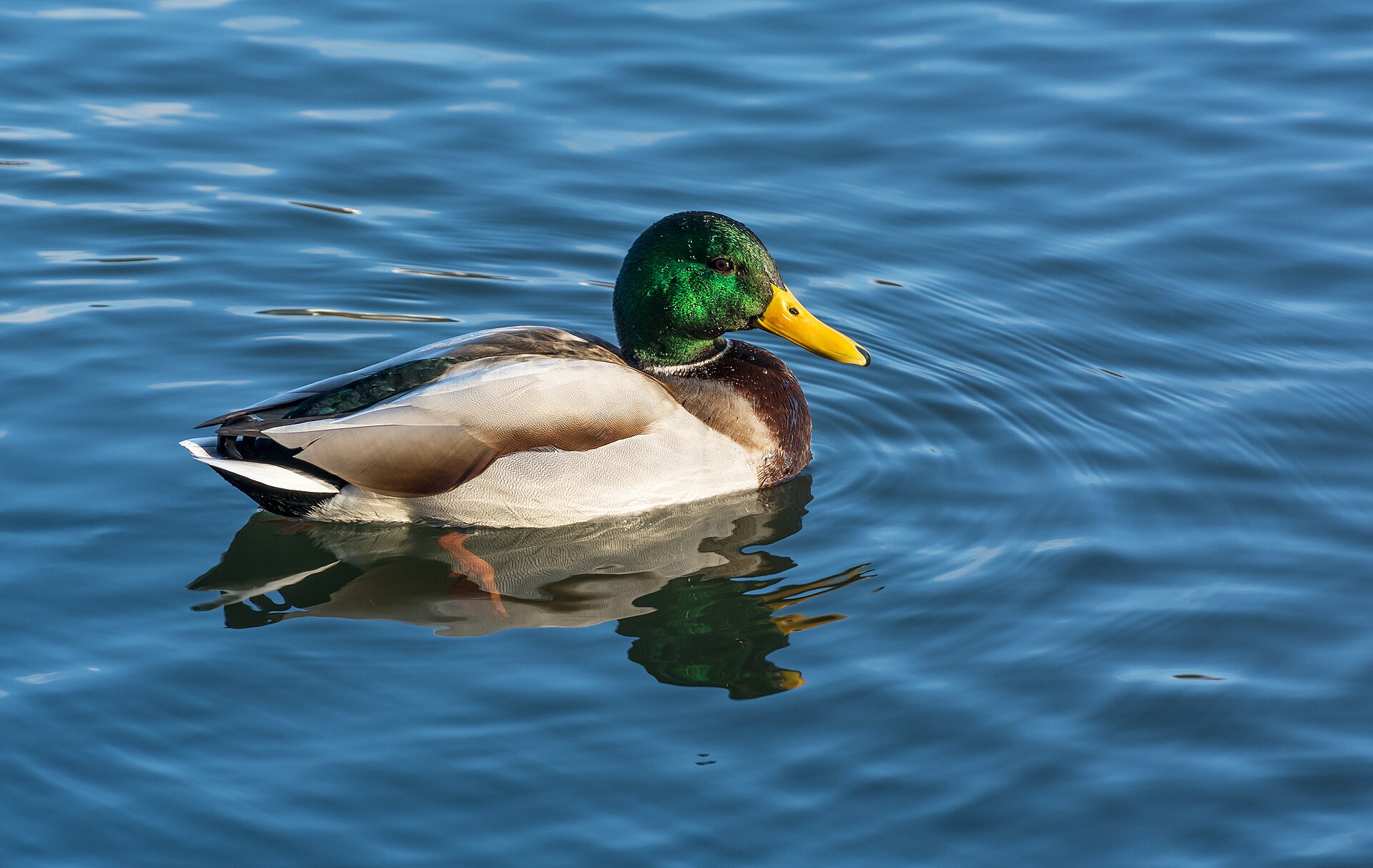
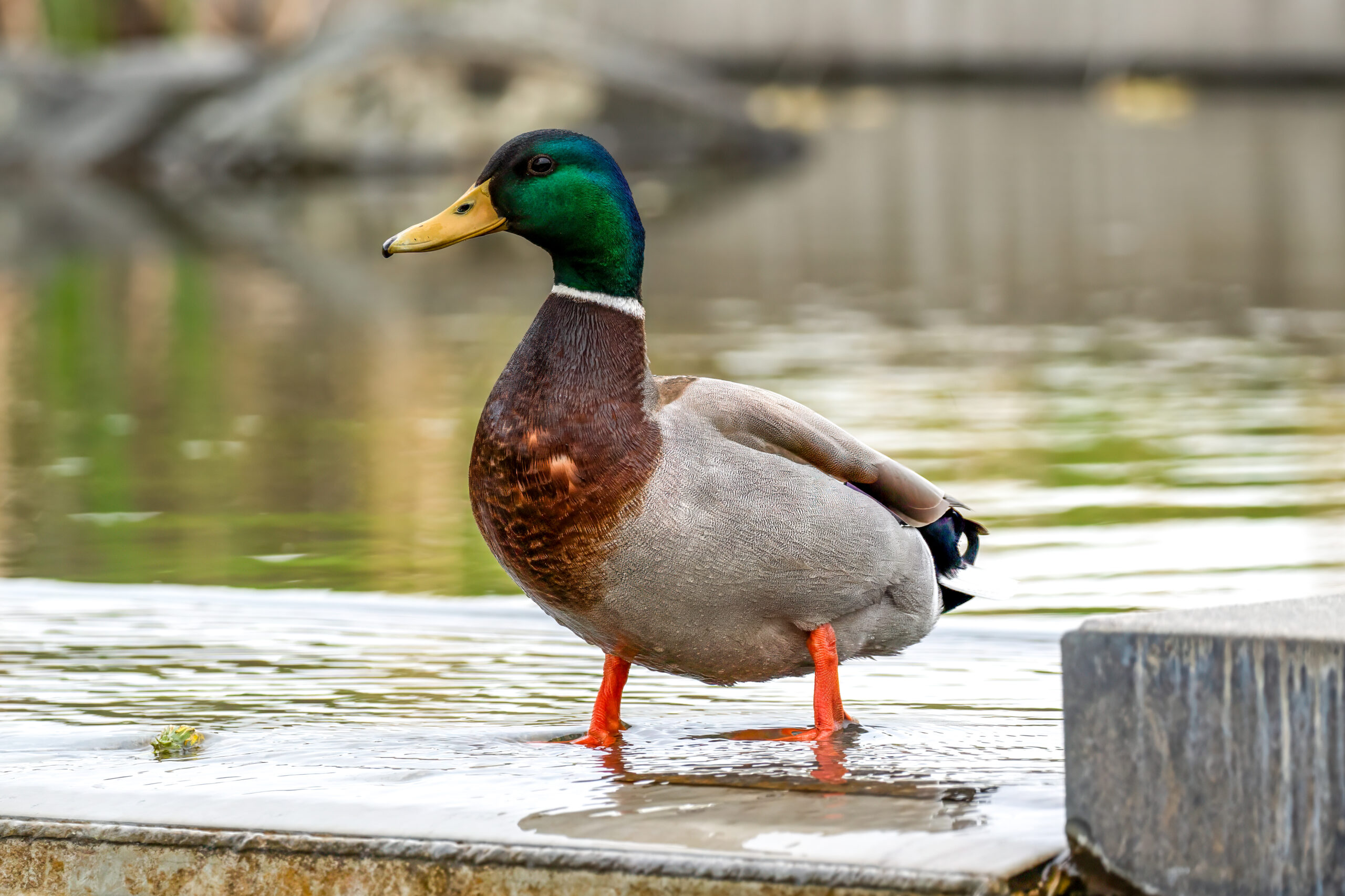
Across the Prairie Pothole Region of the United States and Canada, mallard (Anas platyrhynchos) survival varied by age, sex, place and time. Researchers analysed banding and recovery records for more than 1.1 million birds from 1974 to 2023. By following where and when banded ducks were reported shot, they estimated survival and separated harvest mortality from mortality due to other causes. The latter is an estimated category, not a record of the specific causes of death. The researchers compared four groups—adult and juvenile males and females—across 59 study cells, each 100 by 100 kilometres.
Survival varied across the region and was generally highest in its central areas, but the pattern differed by group. Adult female survival was highest in the northern Canadian prairies and lowest in the eastern Dakotas. From the late 2000s, areas with the highest survival shifted southeast. Over time, survival declined in both female groups from the late 1980s onward, especially among juvenile females. Juvenile male survival increased, while adult males showed no clear overall trend.
Natural mortality shaped adult female survival
For adult females, mortality from causes other than hunting increased and became more variable after the 1990s. Male natural mortality generally declined or levelled off. The researchers’ estimates indicate that natural mortality, rather than harvest mortality, drove adult survival trends, particularly for females. Hunting mortality followed a different pattern: it was generally higher in the eastern part of the region, in juveniles rather than adults, and in males rather than females. It was low during the late-1980s and early-1990s drought and period of restrictive regulations, rose in the early 1990s, and then declined in the early to mid-2000s.
Breeding conditions may bring a survival cost
Associations with local conditions differed among groups. Wetter conditions from March to August were associated with higher natural mortality among adults, but not juveniles. More crop acreage was associated with lower natural mortality in adult females but higher mortality in juvenile females and males. More fallow acreage was also associated with lower natural mortality in adult females, while in juvenile males it was associated with higher mortality. The authors caution that the fallow-land association could reflect parallel trends over time rather than an effect of fallow land itself.
The authors suggest that wetter breeding conditions may bring a trade-off. Wetlands and ponds can support nesting and brood survival, but conditions that allow greater reproductive effort may also carry risks for adult females. The authors discuss predation while incubating or re-nesting, and poorer nutritional condition after breeding, as possible costs. The study did not establish these as the causes of the observed deaths.
The findings show why adult female survival cannot be understood from hunting pressure alone—and why the patterns for adults and young birds should not be treated as interchangeable. They also point to a biological tension: breeding conditions that support more young may coincide with higher natural mortality among adult females. Understanding that balance matters when interpreting changes in mallard populations and the habitat conditions associated with them.
Ecology
Related news
Hunted birds showed hidden differences in survival
Records for 61,432 ringed birds from six hunted species, collected between 1953 and 2020, revealed hidden survival differences…
Read story →
Northern Pintails Got Less Energy from Wetland Seeds Than Other Ducks
Feeding trials comparing Mallards, Northern Pintails and Green-winged Teal found that usable energy from seeds of six moist-soil…
Read story →
Mallards from Siedlce had higher manganese levels than mallards from Leszno
In 28 wild mallards from two Polish hunting districts, manganese was significantly higher in birds from Siedlce across…
Read story →SPECIES IN THIS STORY
Species in this story
Independent research and conservation news archive
Did you find this information useful?
Wildlife Vagabond is independently built and maintained. Voluntary support helps cover source verification, hosting and continued work on research and conservation news.
Support Wildlife VagabondThe news archive will remain freely available.