
Mitochondrial Respiration Rose 58–87% After Homing Flights in Pigeons
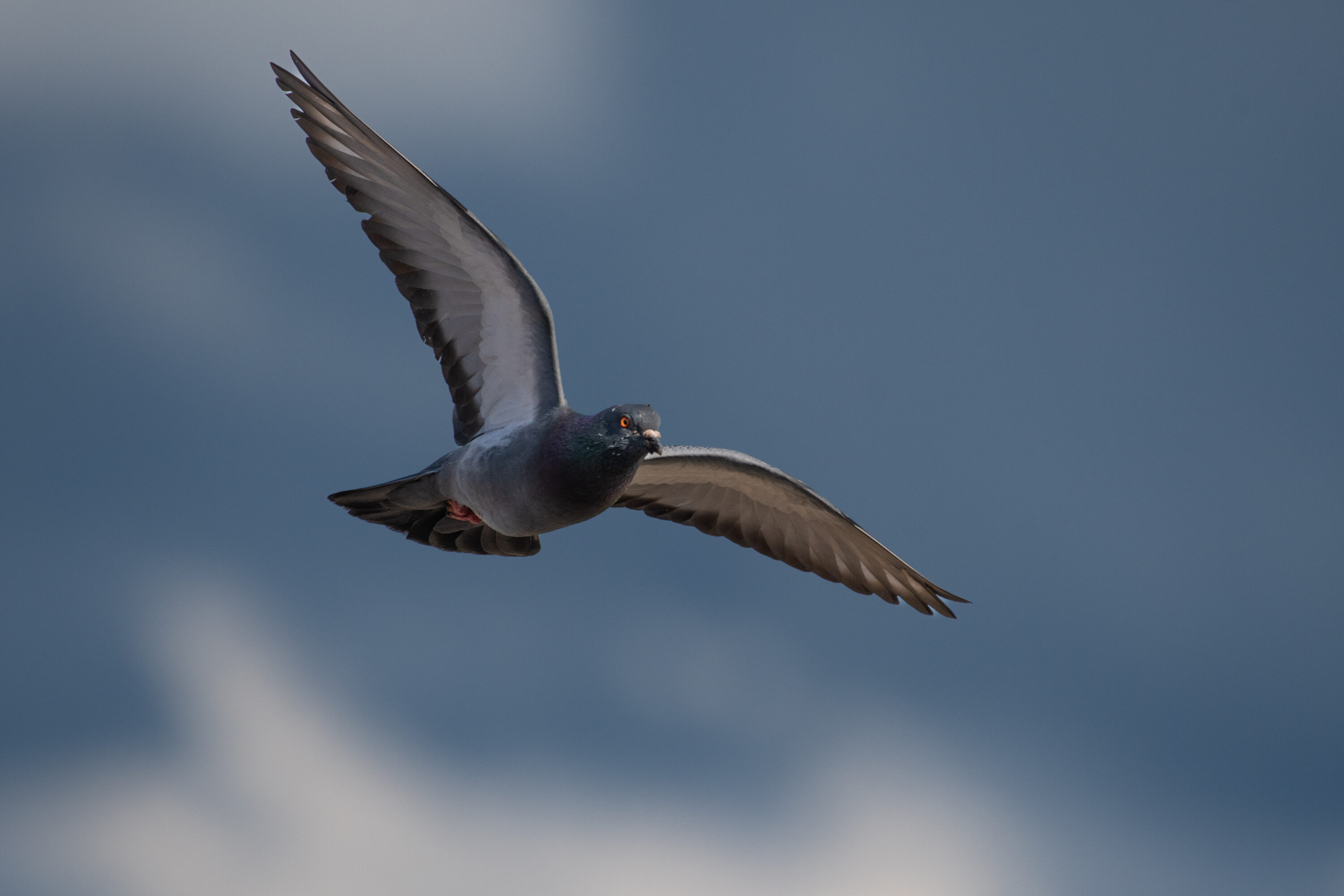
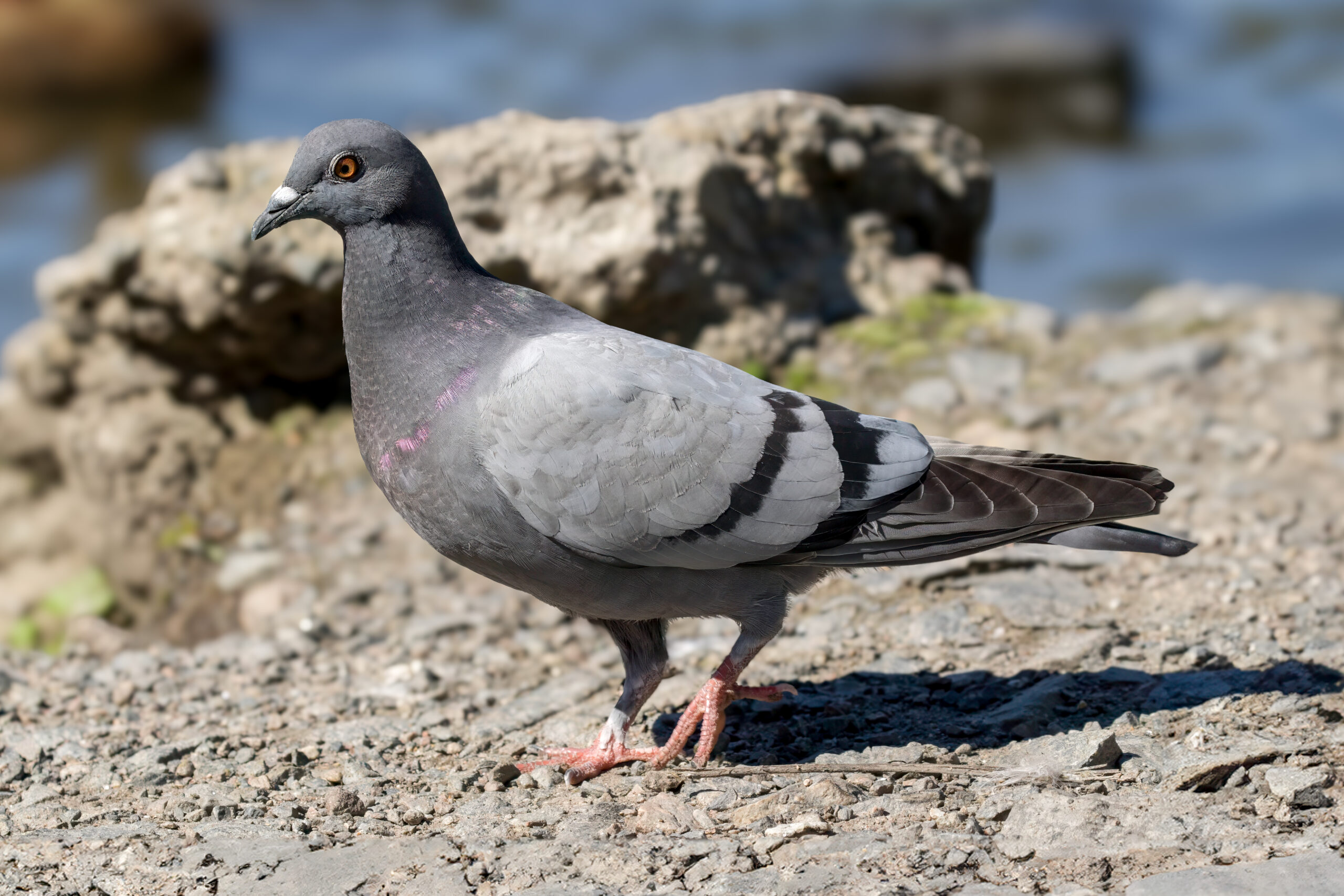
Red-blood-cell mitochondria responded strongly after free homing flights in pigeons (Columba livia) studied in Guidonia near Rome, Italy. Unlike mature mammalian red blood cells, avian red blood cells retain mitochondria, making it possible to measure their cellular respiration directly. Researchers combined GPS and accelerometer data with mitochondrial measurements taken before and after flight to test whether cellular energy metabolism reflected the effort of free flight.
The study used homing pigeons from a loft in Guidonia in experiments conducted in 2021 and 2025. Thirty-two birds — 17 males and 15 females — were selected, and 20 returned to the loft on the same day and could be sampled while their physiology still represented the immediate post-flight response.
Three respiration measures rose after flight
ROUTINE respiration, which reflects overall oxygen use by intact cells, increased by 58.2% after flight. OXPHOS, the component linked to ATP production, increased by 62.8%, while the maximum electron-transport-system capacity, ETS, increased by 87.3%. The increases occurred in both sexes.
The homing trips averaged 78.7 kilometres. Males and females did not differ clearly in flight duration, distance, speed, altitude or number of stops. Females nevertheless had higher vectorial dynamic body acceleration, or VeDBA, which reflects the intensity of body movement, and higher post-flight aerobic mitochondrial metabolism.
Similar flights hid different energetic patterns
The relationship between movement effort and mitochondrial metabolism differed between the sexes. In males, higher VeDBA was associated with higher post-flight ROUTINE and OXPHOS respiration. In females, both measures decreased as VeDBA increased. The authors discuss several possible physiological and behavioural explanations and do not attribute the pattern to a single mechanism.
Males appeared to have higher mitochondrial coupling efficiency — a greater share of respiration linked to ATP production — than females in models that did not account for body mass. Once body mass was included, the sex difference was no longer clear, indicating that the apparent difference was explained by males being heavier.
The study shows that outwardly similar flight performance can coincide with different physiological responses. It also demonstrates that mitochondrial measurements from avian red blood cells can reflect energetic changes associated with free flight, linking biologging of movement directly with cellular metabolism.
Physiology
Related news
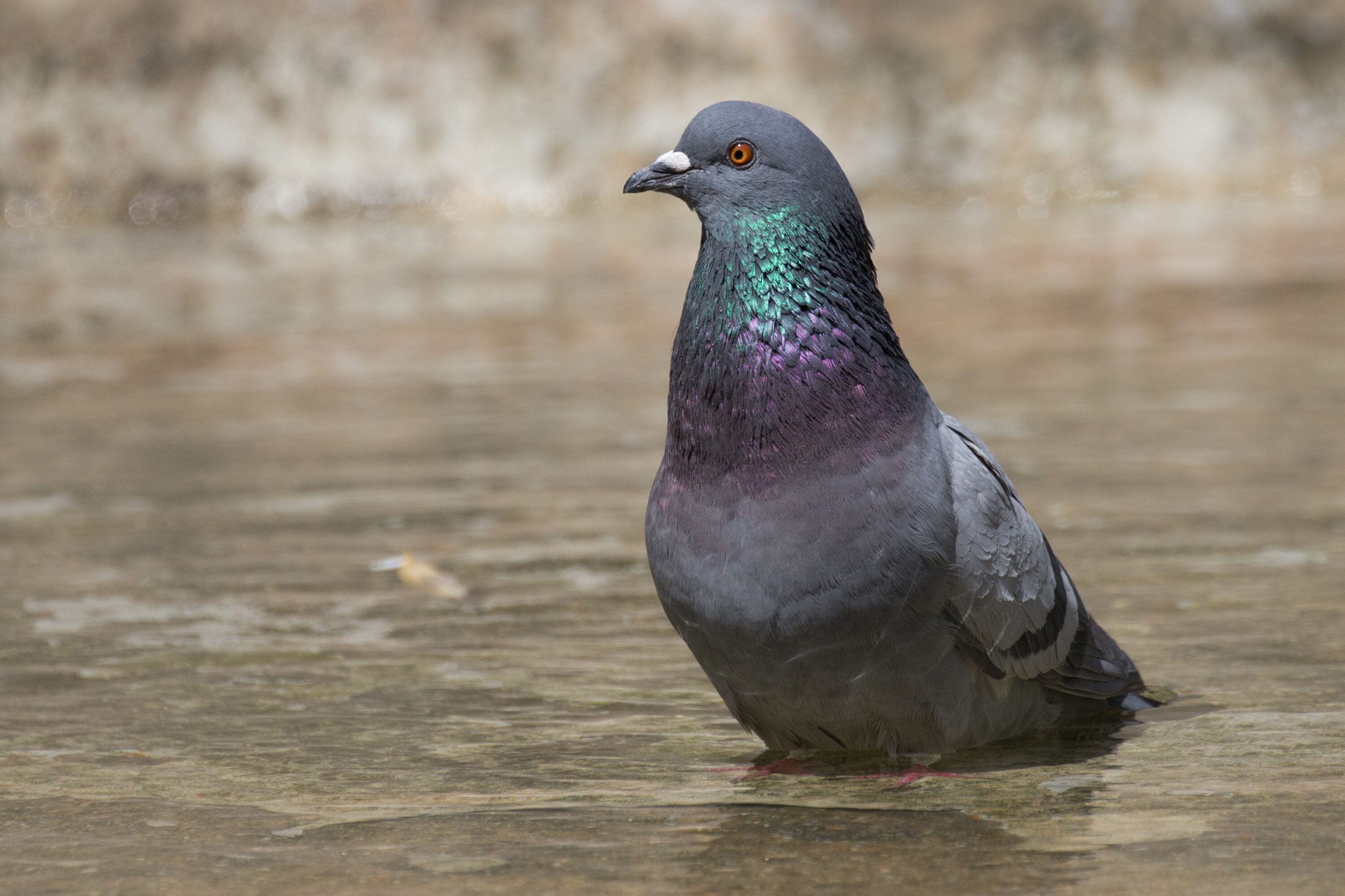
Rock Doves Preferred Predictive Information Despite a Lower Food Payoff
Seven rock doves preferred an informative option that paid on 20% of trials over a non-informative option that…
Read story →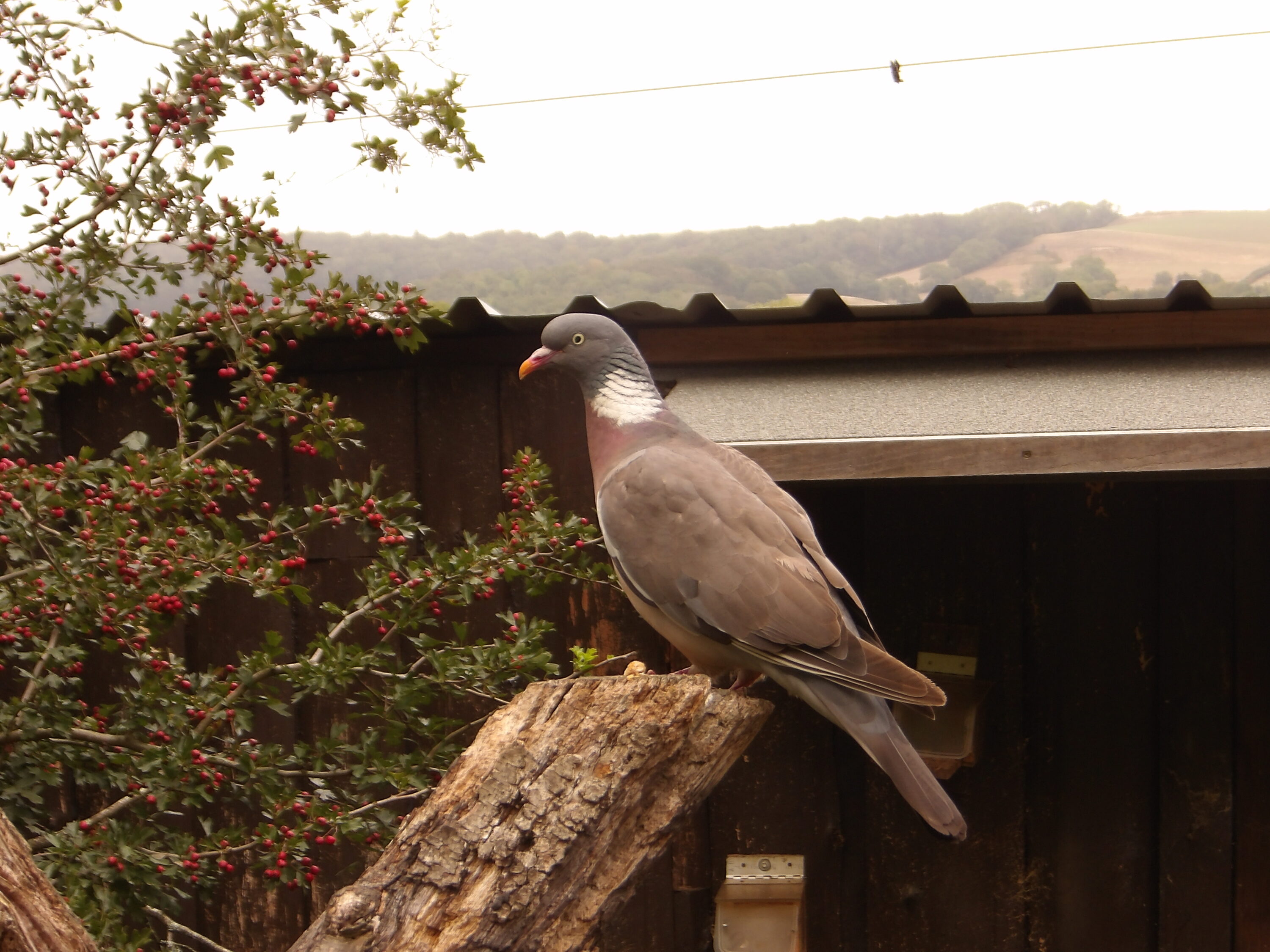
Rotavirus A Antibodies Were Common in Feral Pigeon Samples but Rare in Wood-Pigeon Samples in Germany
A German study detected rotavirus A-reactive antibodies in 79.2% of free-ranging feral pigeons and 77.0% of domestic pigeons,…
Read story →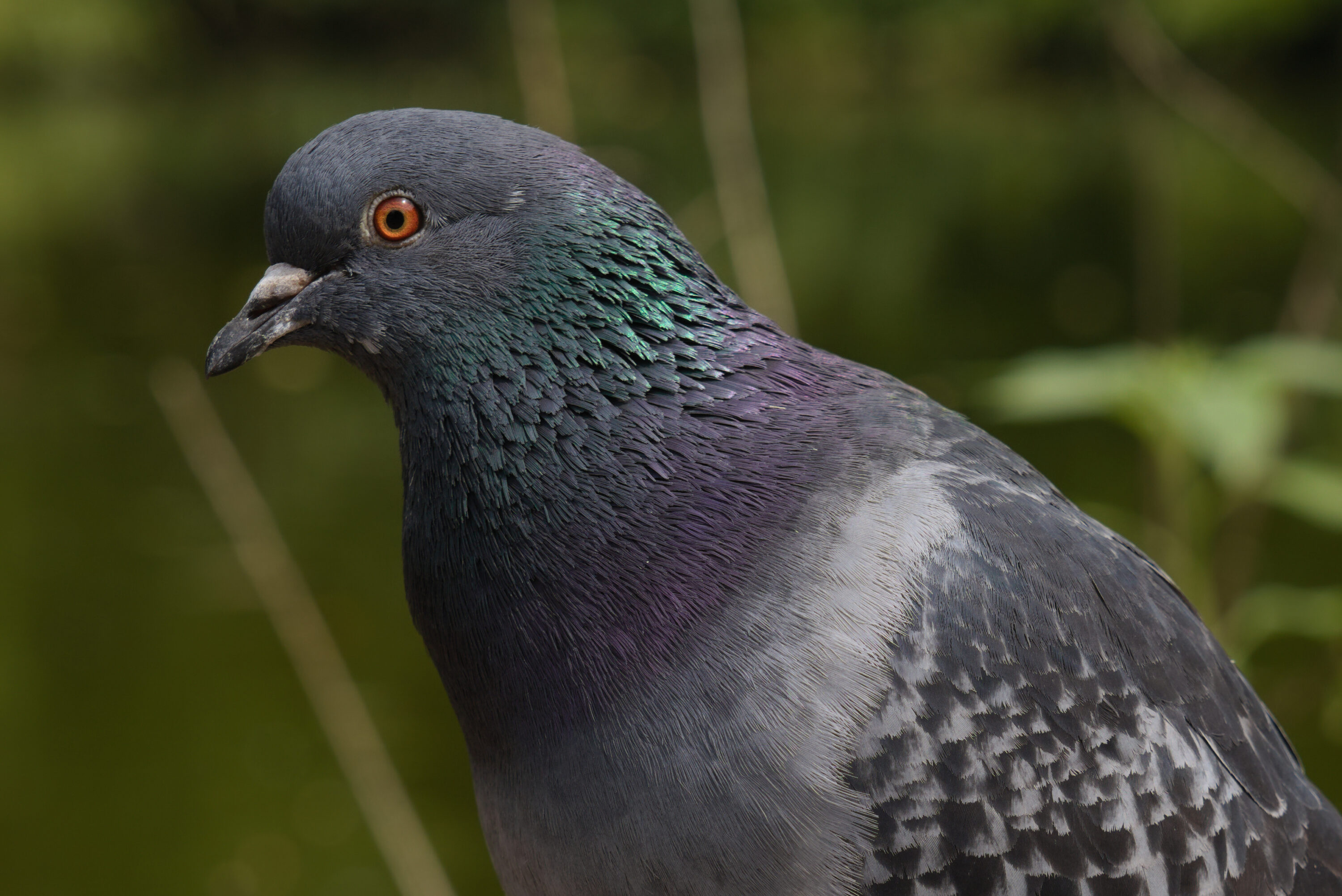
New Shiqi Pigeon Genome Placed 97.8% of Its Sequence on 41 Chromosomes
A chromosome-level genome from a female Shiqi pigeon in Zhongshan, China spans about 1.24 billion DNA bases, places…
Read story →SPECIES IN THIS STORY
Species in this story
Independent research and conservation news archive
Did you find this information useful?
Wildlife Vagabond is independently built and maintained. Voluntary support helps cover source verification, hosting and continued work on research and conservation news.
Support Wildlife VagabondThe news archive will remain freely available.