
Model Predicted Blue Aircraft Lights Could Reduce Canada Goose Collision Risk by 32%
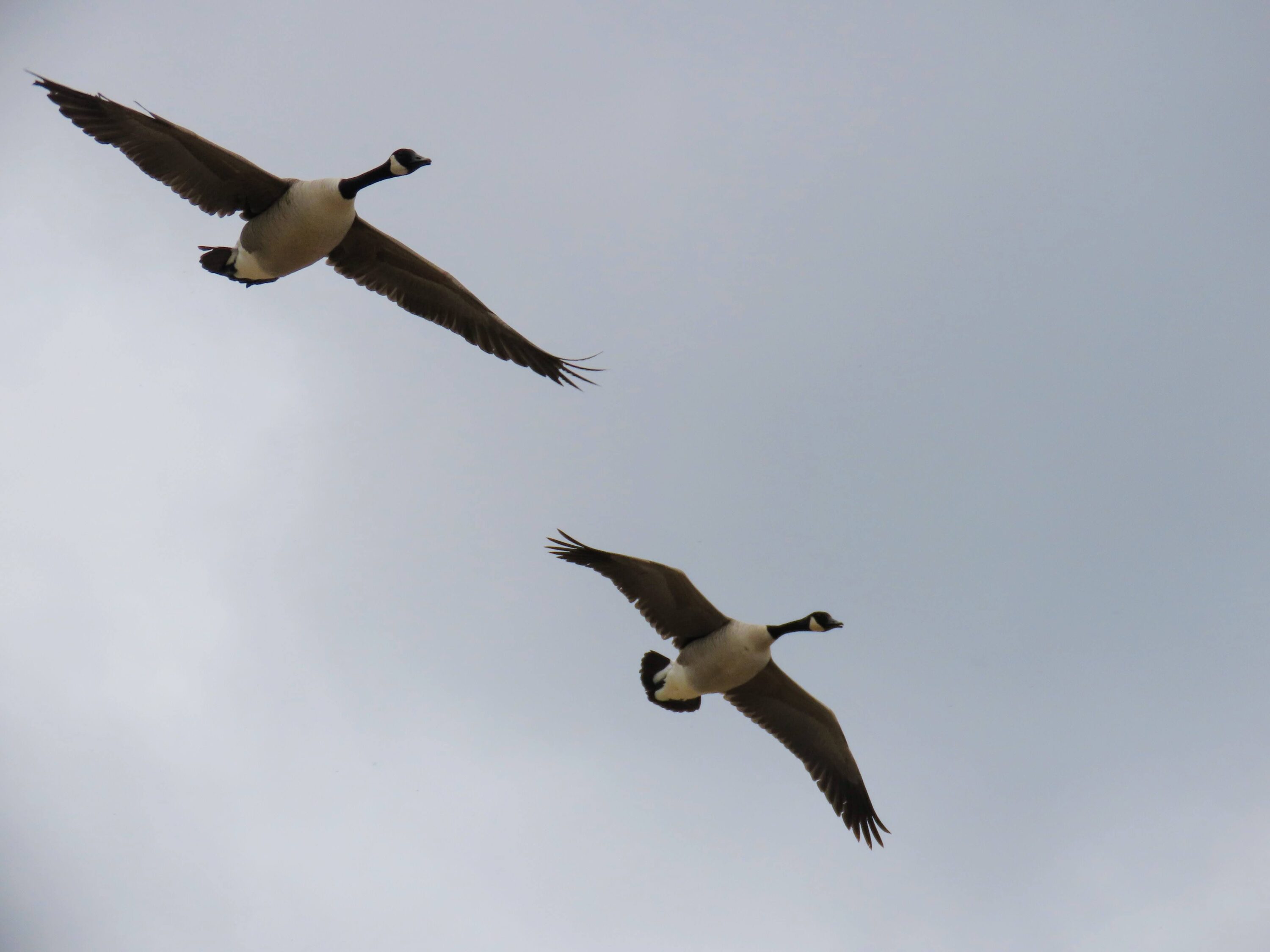
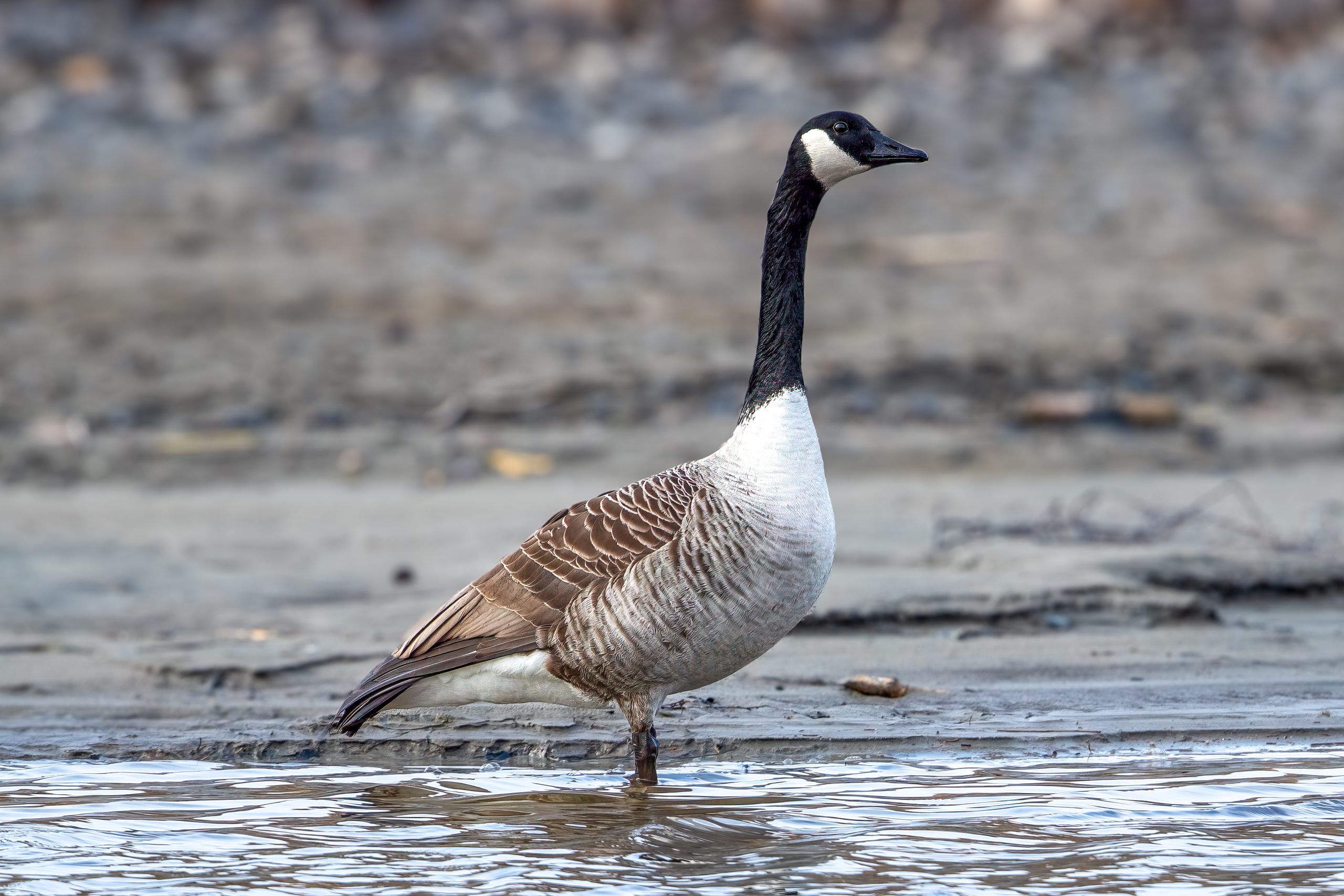
A U.S. modelling study published in 2026 used Canada goose (Branta canadensis) escape behaviour to estimate the risk of collision with an approaching Boeing 737. When a goose was within the aircraft’s trajectory, the model estimated an average collision probability of about 43% without onboard warning lights.
The researchers adapted theoretical models of predator–prey encounters to animal–vehicle collisions. Their framework first asked whether the bird had enough time to clear the aircraft’s trajectory and, if not, estimated collision probability from the goose’s position and the aircraft’s frontal area.
Blue light produced the largest modelled reduction
The model compared an aircraft without warning lights with red and blue onboard lights designed around the visual system of the bird. Across the simulated scenarios, the mean collision probability was 42.9% without light, 34.7% with red light and 29.2% with blue light. Relative to the no-light scenario, this corresponded to average reductions of about 19% for red light and 32% for blue light.
The light scenarios were based on earlier experimental evidence showing that conspicuous onboard lights can cause birds to detect an approaching aircraft sooner. The 2026 study did not fly aircraft toward geese; it combined published empirical data on Canada goose escape responses with simulations of aircraft approaches.
Earlier escape mattered most
Among the behavioural variables examined, flight-initiation distance had the largest effect on modelled collision probability, followed by escape speed. In the no-light scenario, increasing flight-initiation distance from zero to more than 120 metres reduced the modelled probability from 46.0% to 36.1%, while increasing escape speed from zero to 17 metres per second reduced it from 46.7% to 37.7%.
The researchers also found that collision probability increased with aircraft approach speed and was highest when the goose occupied parts of the aircraft trajectory corresponding to the fuselage and engines. Those model predictions agreed qualitatively with the locations most often recorded for Canada goose strikes on Boeing 737 aircraft in the Federal Aviation Administration wildlife-strike database.
Human–wildlife conflict
Related news
Seven overlaps linked wild-bird H5 clusters with poultry outbreaks in the US
Across seven periods between 2022 and 2025, clusters of H5 detections in wild waterfowl overlapped in time and…
Read story →
Adult Canada Geese Became Less Likely to Be Harvested Despite More Liberal Hunting Rules in Arkansas
From 2005 to 2020, estimated adult harvest probability declined while adult survival increased among Canada geese breeding in…
Read story →
Quebec Restored the Combined Daily Limit for Canada and Cackling Geese From Three to Five
Federal rules published on 1 July 2026 removed a temporary restriction in Quebec hunting districts A, C, D…
Read story →SPECIES IN THIS STORY
Species in this story
Independent research and conservation news archive
Did you find this information useful?
Wildlife Vagabond is independently built and maintained. Voluntary support helps cover source verification, hosting and continued work on research and conservation news.
Support Wildlife VagabondThe news archive will remain freely available.