
Models project a halving of suitable habitat for African Bush Elephants in East Africa
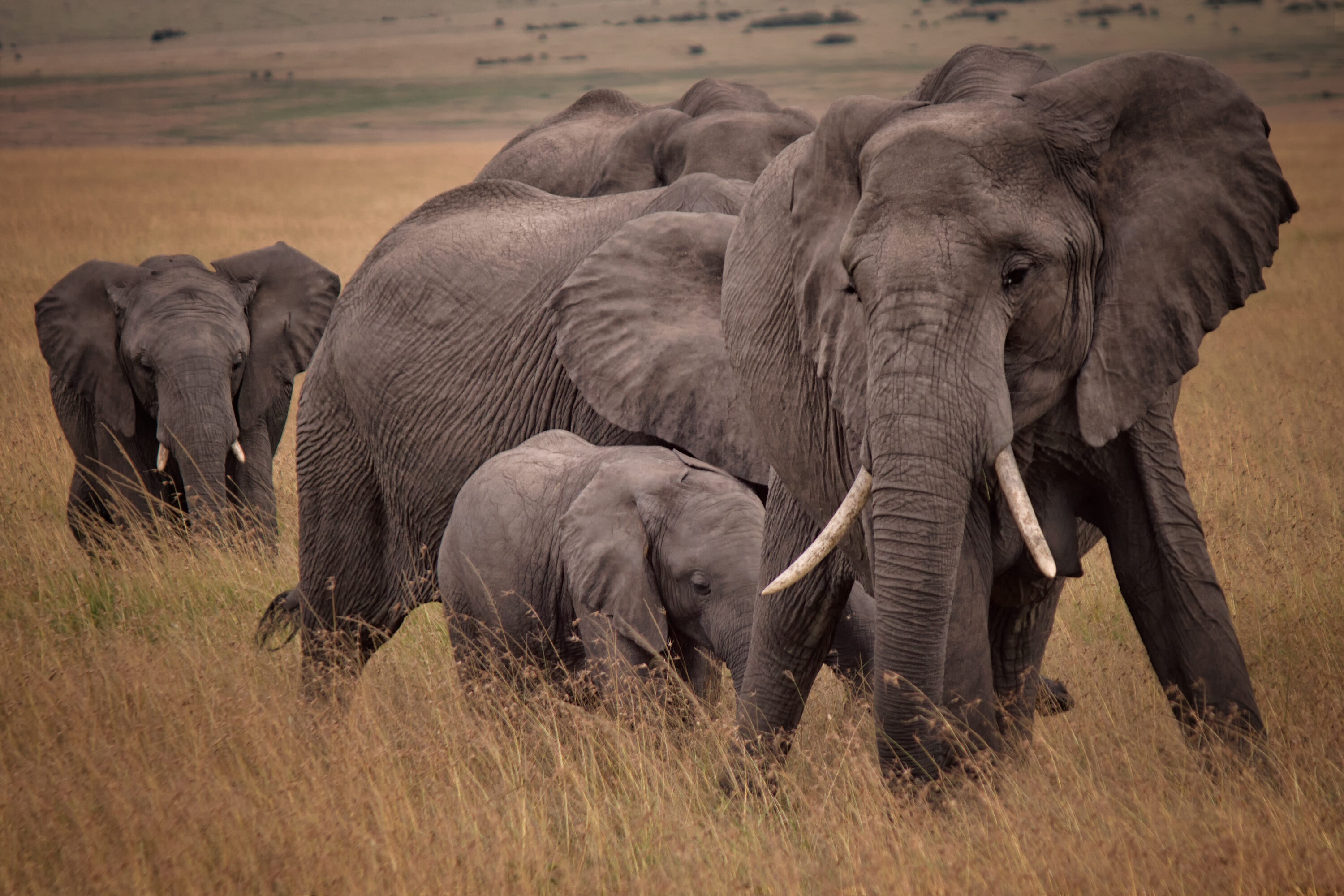
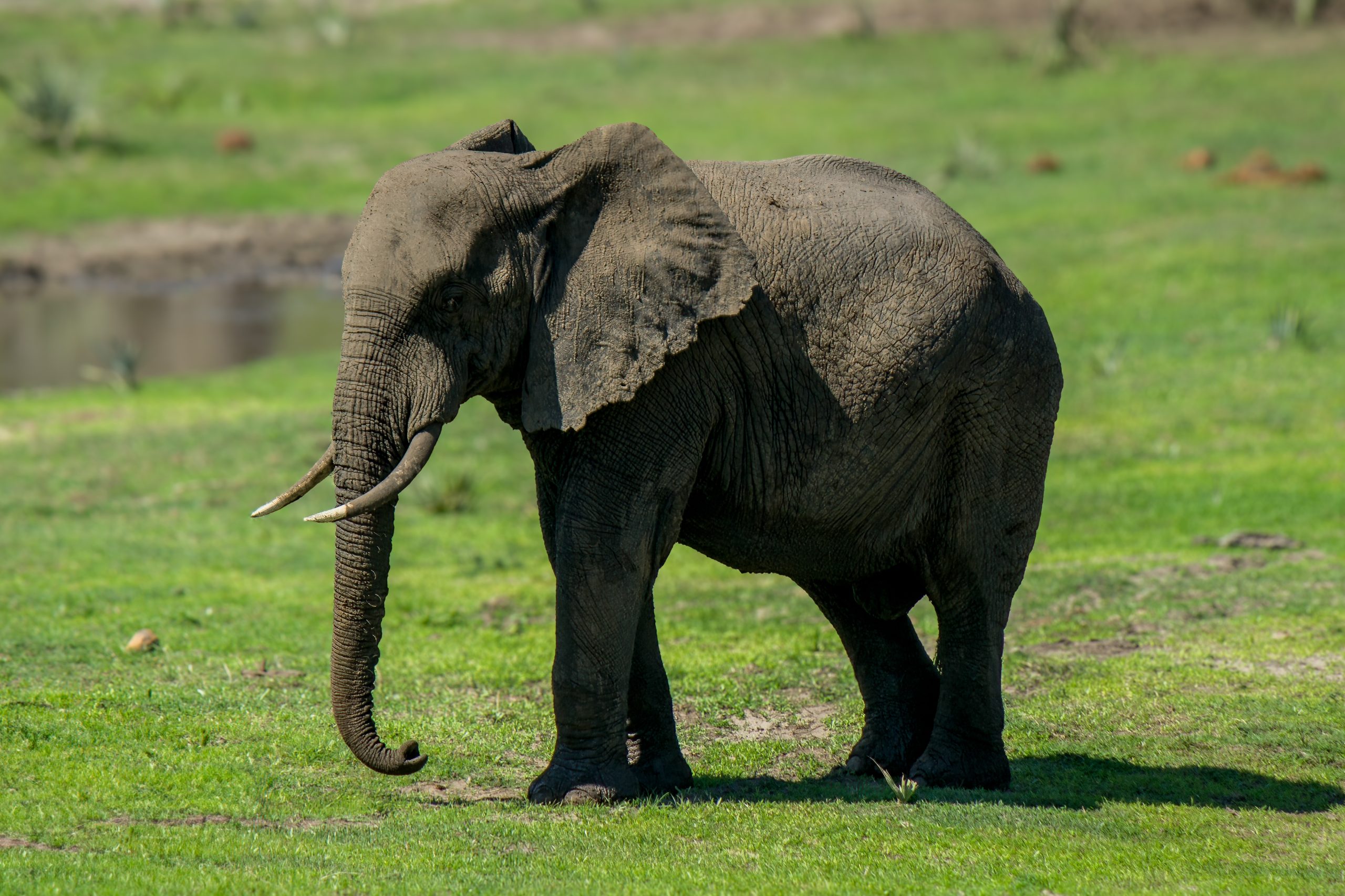
Areas with a climate suitable for African Bush Elephants (Loxodonta africana) in East Africa could shrink by about half by 2050, according to a new modelling study. Researchers examined eight countries—Eritrea, Ethiopia, South Sudan, Somalia, Kenya, Uganda, Tanzania and Rwanda—and also found that most of the area currently classified as suitable lies outside protected areas.
Using elephant occurrence records and environmental data, the researchers estimated that about 755,000–887,000 square kilometres currently have suitable climatic conditions, depending on the classification threshold used. Their projections showed an average reduction of 51.9% by 2050 and 52.6% by 2070. Losses were greatest under scenarios with higher greenhouse-gas emissions, and suitable areas were also projected to become more fragmented.
Rainfall and temperature help determine suitability
The researchers worked with 4,298 geographically filtered elephant records and compared them with environmental variables. Rainfall and temperature were most influential in the models, including rainfall during the warmest part of the year and conditions during dry periods.
Such conditions can affect the water and vegetation available to elephants. However, the models identify places where environmental conditions resemble those associated with elephant records; they do not measure exactly how much food or water will be available at each location. Agricultural expansion, roads and other human pressures can also make climatically suitable land difficult for elephants to use.
About 82% of suitable areas are outside protected land
When the researchers compared the maps with protected-area boundaries, they found that only 17.2–17.9% of the currently modelled suitable area lay within protected areas. About 82% was outside. The projections also suggested that some existing reserves could become less climatically suitable, meaning legal protection alone may not secure favourable habitat conditions in the long term.
The authors therefore recommend safeguarding suitable habitat today, protecting places that may become important in future, and maintaining connections between them. The projections do not predict that elephant numbers will fall by half: they concern the amount of land the models classify as environmentally suitable. Nevertheless, they indicate how substantial the changes in potential habitat could be and why conservation beyond existing reserves may matter.
Ecology
Related news
An ancient viral gene may have been repurposed in elephant placenta
An ancient viral gene that appears to have been inherited for at least 79 million years is strongly…
Read story →
Three Ways of Analysing Elephant Calls Gave Different Results
Recordings from a semi-free herd in South Africa show how the method used to classify call timing can…
Read story →
African Bush Elephants Distinguished Artificial Food-Quantity Patterns at Close Range
In experiments in South Africa, four semi-tame elephants chose between visual patterns representing canopy size and leaf density.…
Read story →SPECIES IN THIS STORY
Species in this story
Independent research and conservation news archive
Did you find this information useful?
Wildlife Vagabond is independently built and maintained. Voluntary support helps cover source verification, hosting and continued work on research and conservation news.
Support Wildlife VagabondThe news archive will remain freely available.