
Moose Largely Stayed Within Their Ranges as Two British Columbia Wildfires Spread
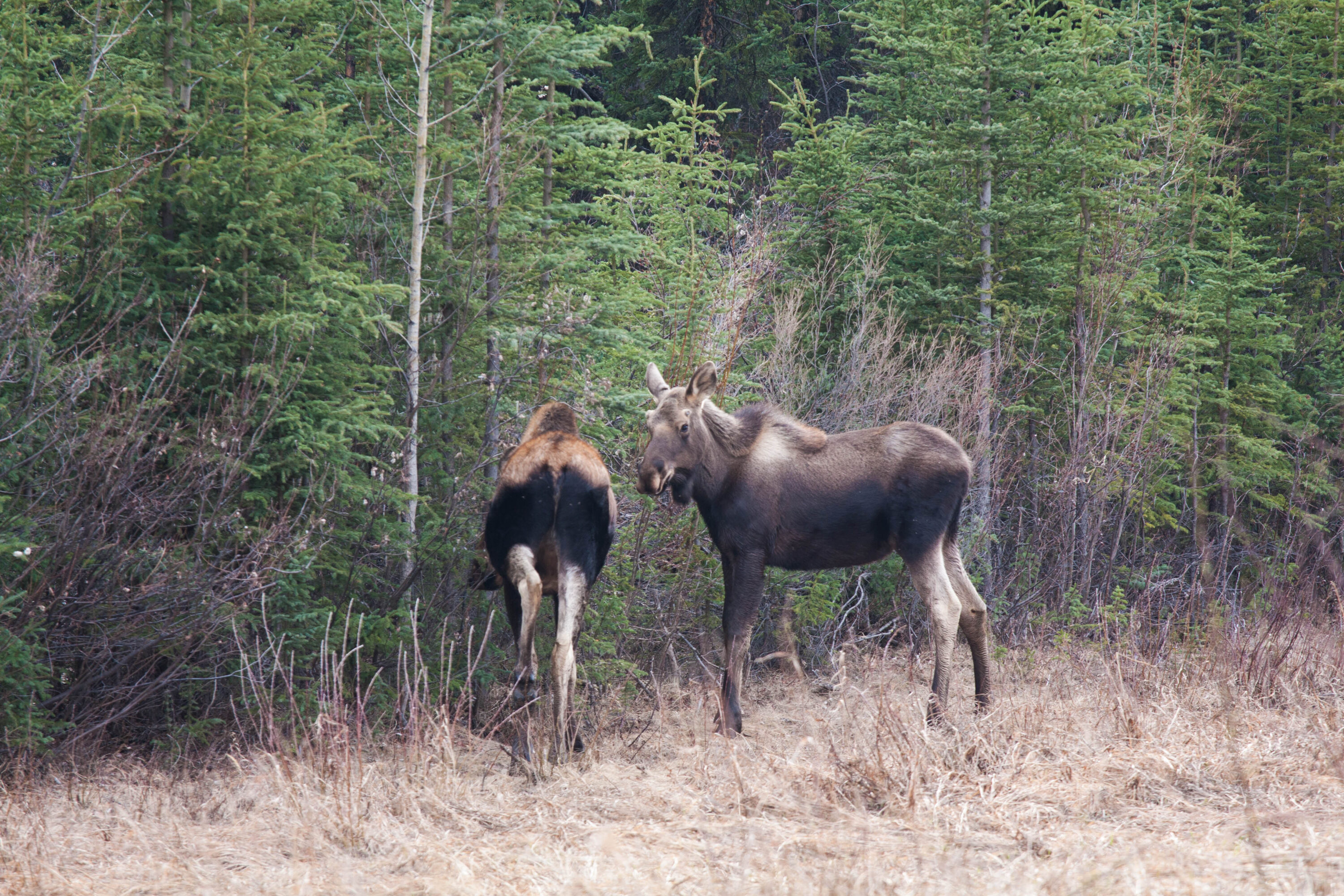
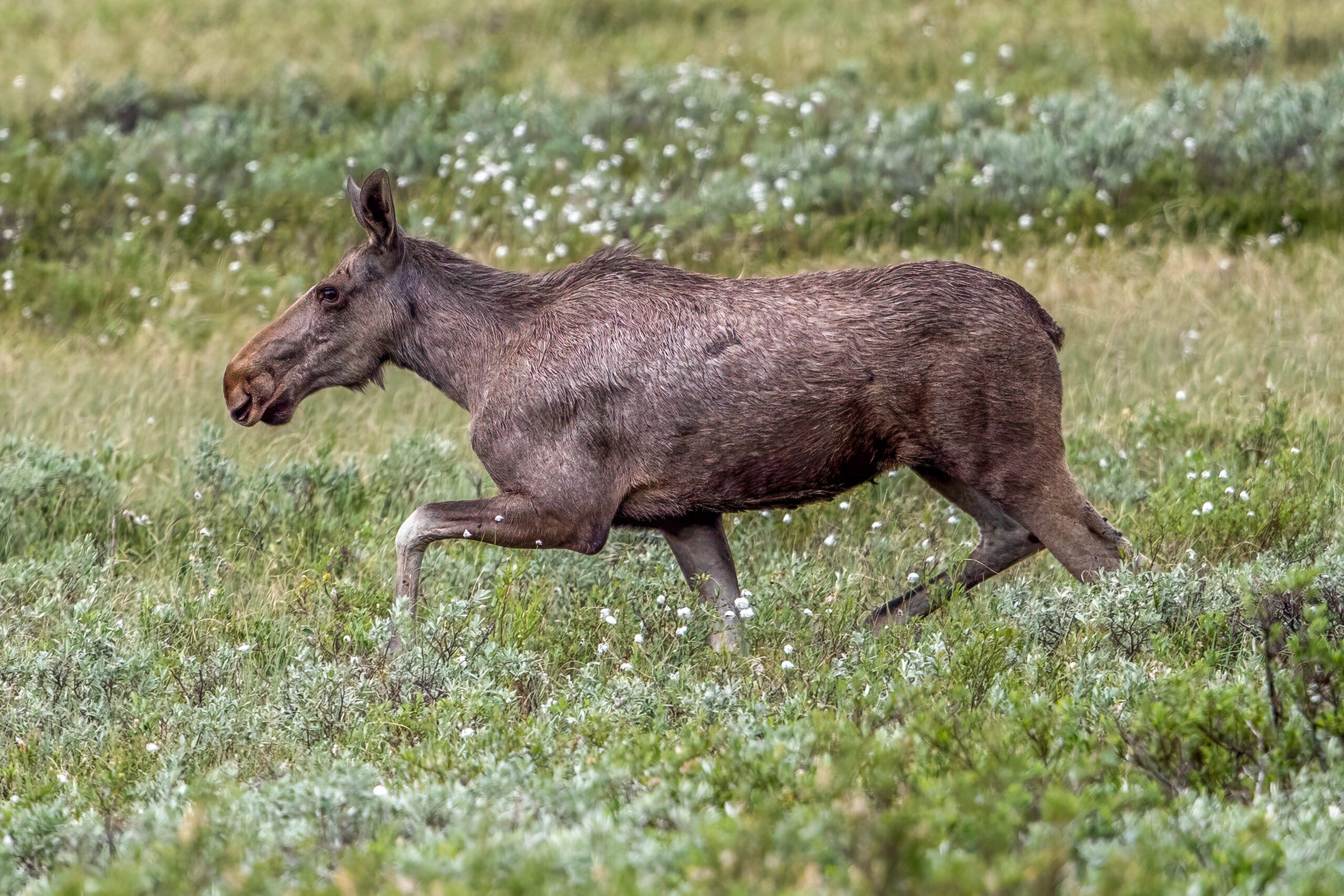
Twenty adult female moose (Alces alces) were already wearing GPS collars when the Sparks Lake and Tremont Creek wildfires spread through interior British Columbia, Canada in 2021. Ten used summer ranges that later fell within the final mapped fire perimeters, while ten occupied nearby areas outside them. None of the tracked animals died during the fires, and those within the fire areas showed no consistent increase in movement or broad displacement from their established ranges. The study was published in Alces on 24 July 2026.
The collars had been fitted for other research, giving the researchers an unusual opportunity to follow animals while two large wildfires were actively advancing. They divided each fire’s progression into periods and compared how much area the moose used, whether their ranges shifted as the fire approached and how far they moved between GPS positions.
The tracked moose showed no broad displacement
The moose whose ranges later fell within the fire perimeters did not consistently move faster, expand their space use or relocate into unburned areas beyond the final fire boundaries. Once fire and moose ranges began to overlap, nine of the ten animals continued to use areas inside the final perimeter. Differences in movement were stronger between the two study sites than between moose inside and outside the fires.
A muted short-term response is not the same as no effect
The authors describe this as a muted short-term response rather than evidence that wildfire has little effect on moose. Burning was relatively low in severity around the Sparks Lake animals and higher at Tremont Creek, and unburned patches or lightly burned areas may have provided places to avoid direct heat and flames. Even so, the study found no consistent inside-versus-outside movement response at either site. The fires also coincided with an extreme heat event, and the researchers could not separate any influence of heat stress from the effects of wildfire itself.
The study was based on only two fires and 20 adult females, and the mapped fire perimeters were much coarser than the GPS tracks. Brief or fine-scale reactions could therefore have been missed. The results show that these particular moose largely maintained their established areas and movement rates while active fires spread around them; they do not rule out subtler behavioural responses or longer-term effects from smoke, heat exposure and habitat change.
Ecology
Related news
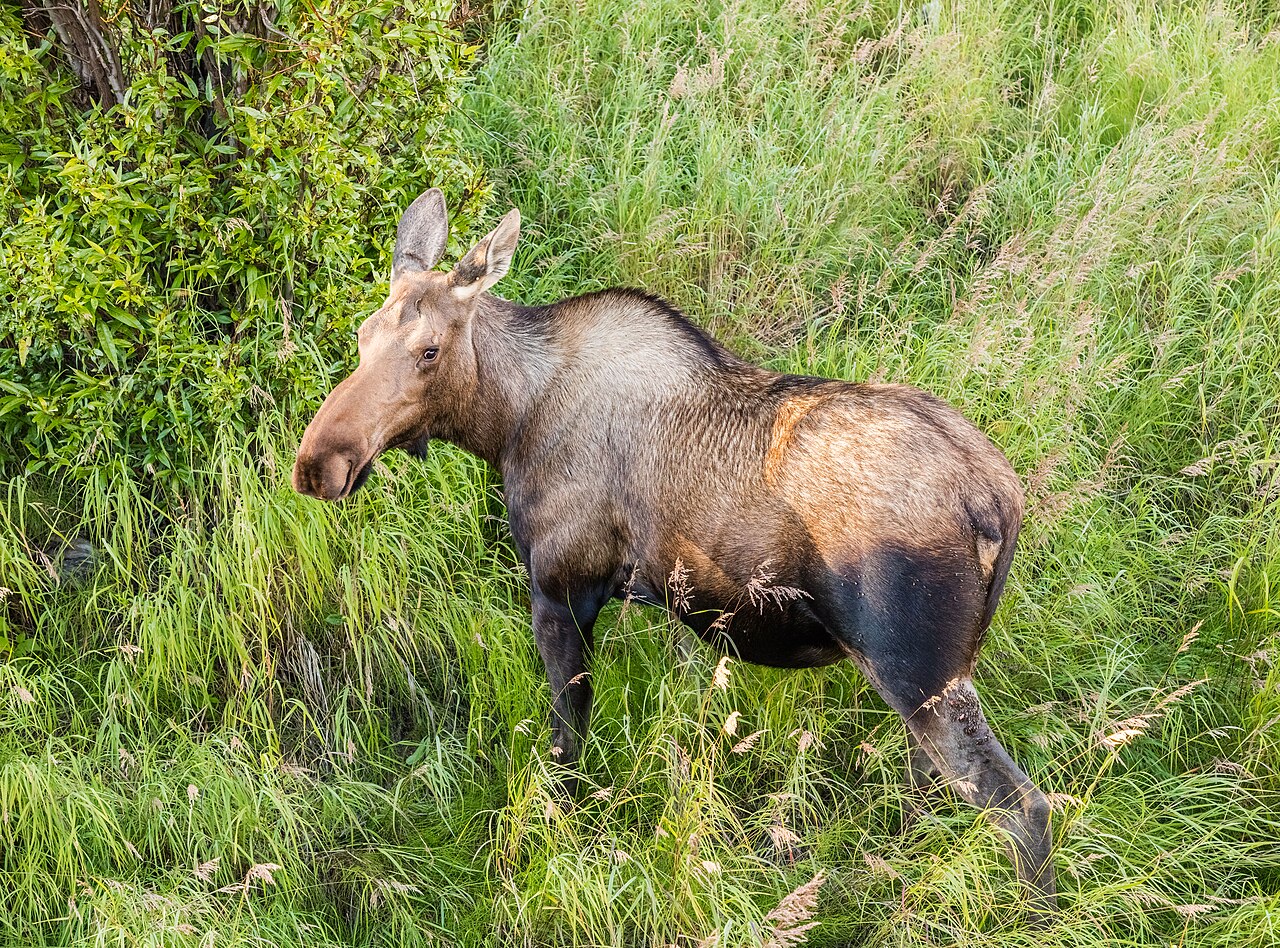
Arctic Moose Follow the River Valleys
GPS tracking in Alaska showed that half of 24 female moose migrated between summer and winter ranges. Migrants…
Read story →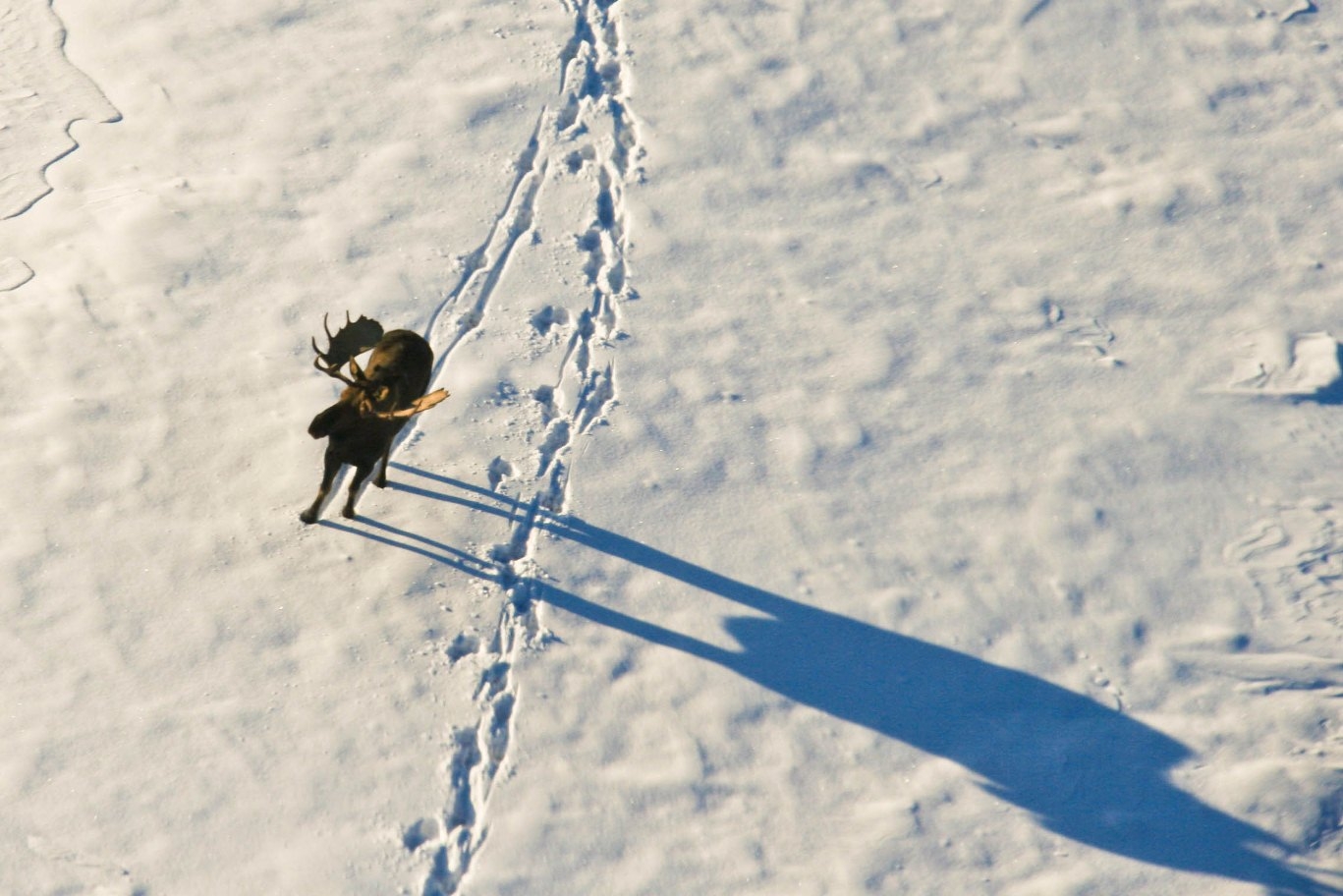
Thermal Drones Found Nearly All Moose in Favourable Winter Weather
Swedish trials found detection close to 100% in cold, overcast winter conditions, but the survey effort needed for…
Read story →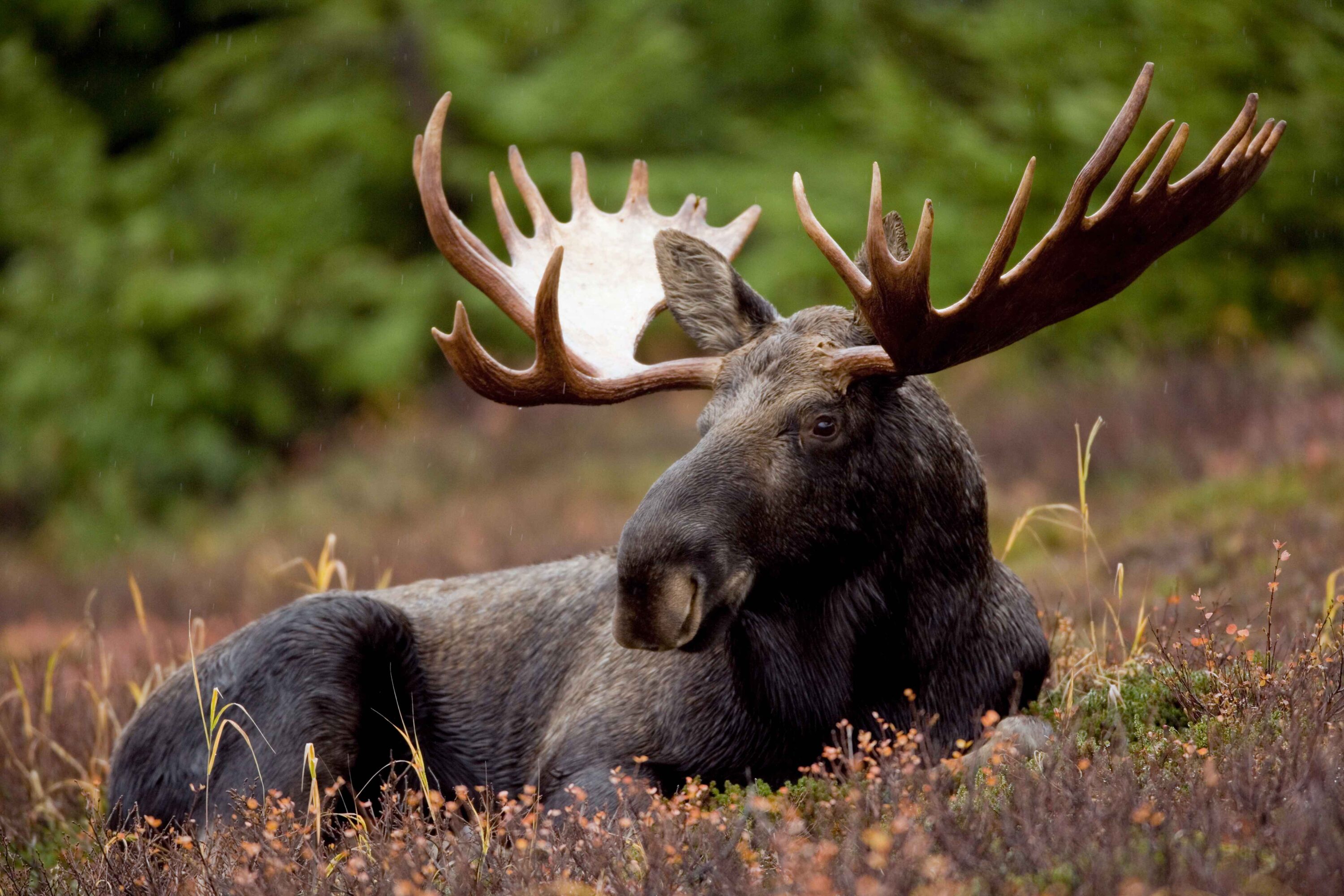
Even Adirondack Park’s Densest Moose Area Was Too Sparse for Precise Aerial Estimates
Helicopter surveys estimated about 92 moose in the Adirondack core in 2024 and 112 in 2025, but broad…
Read story →SPECIES IN THIS STORY
Species in this story
Independent research and conservation news archive
Did you find this information useful?
Wildlife Vagabond is independently built and maintained. Voluntary support helps cover source verification, hosting and continued work on research and conservation news.
Support Wildlife VagabondThe news archive will remain freely available.