
Models Estimated Broader Wet-Season Space Use and Higher Dry-Season Lion Density in Nairobi National Park
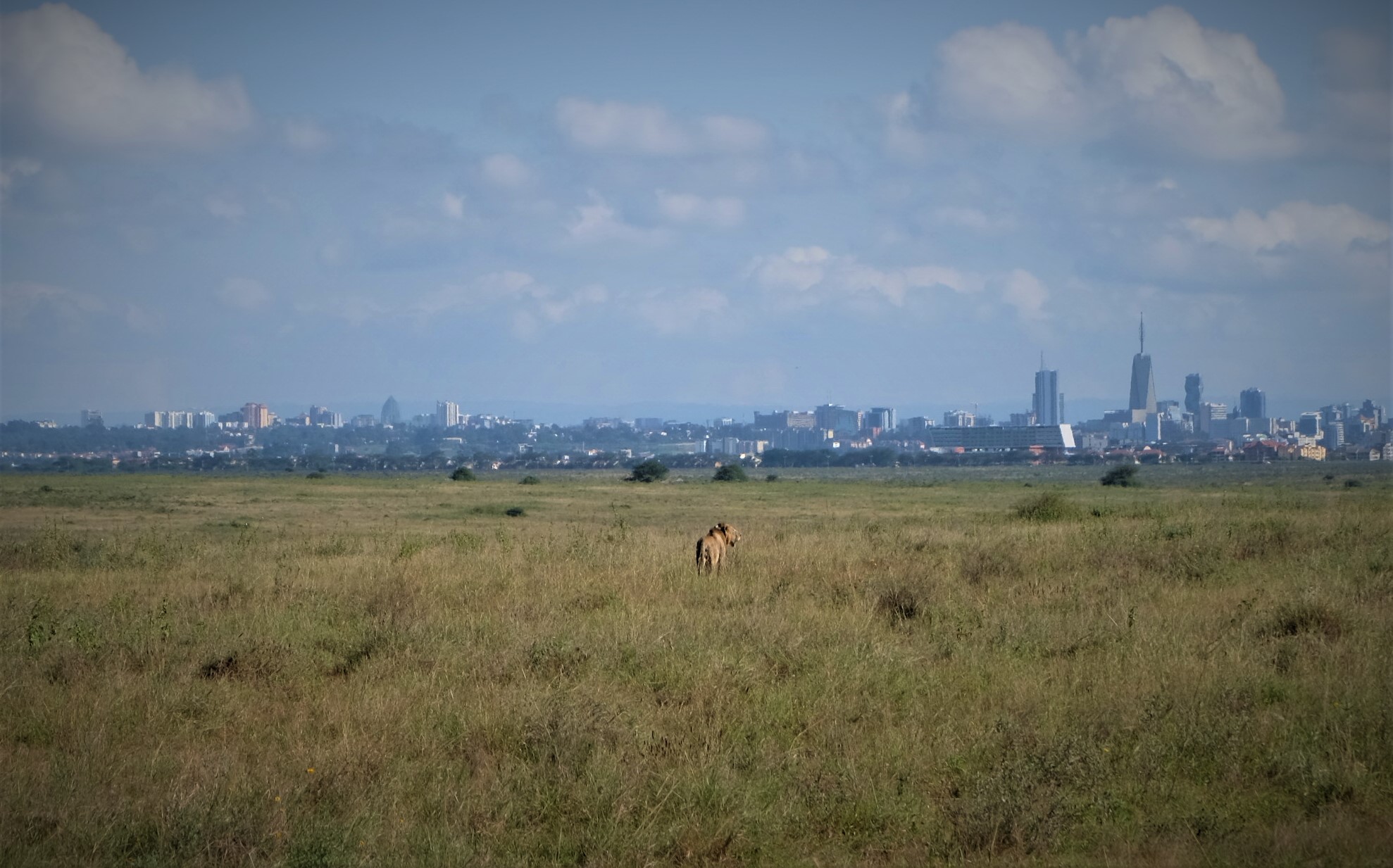
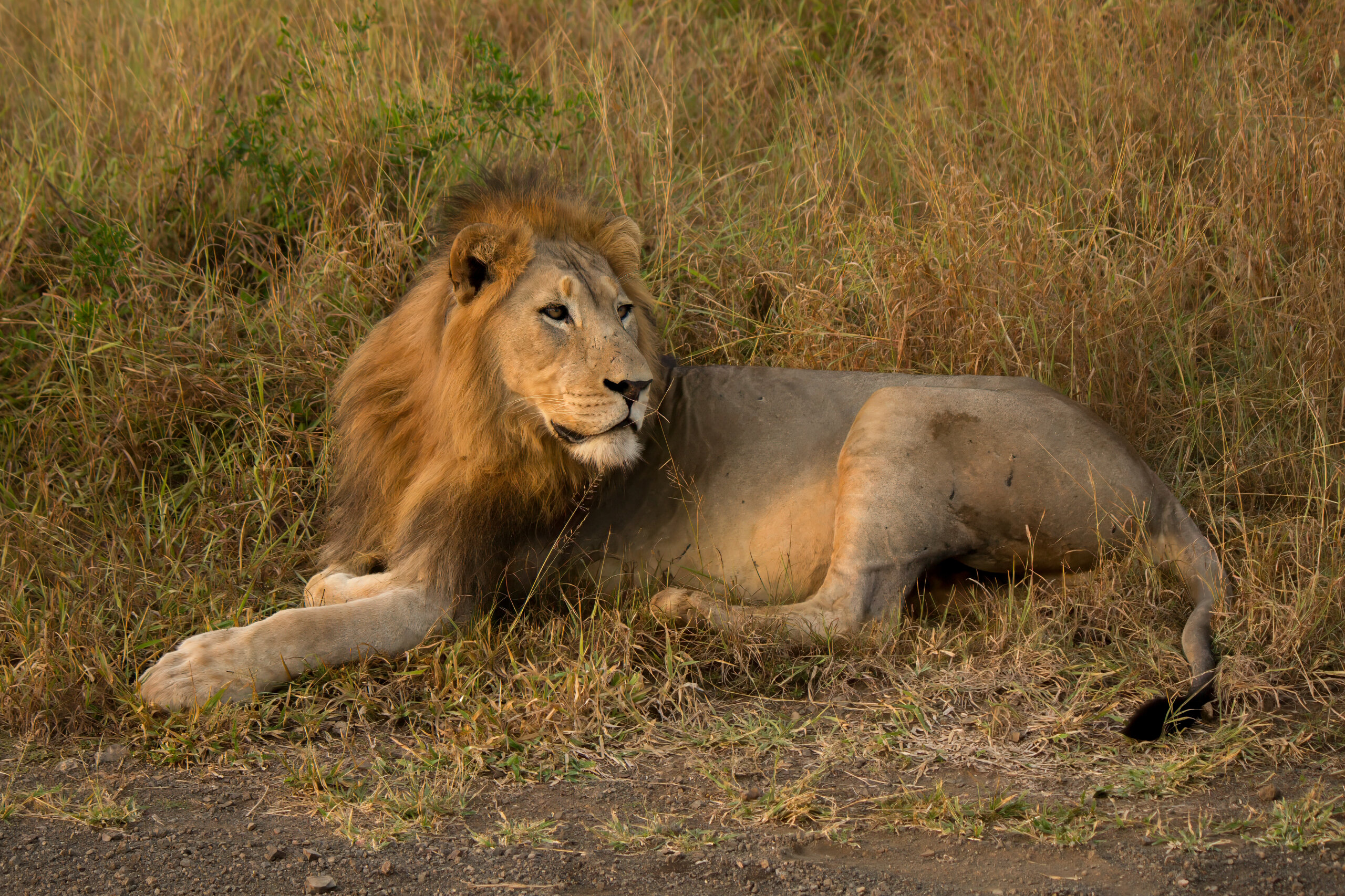
A 2026 study of African lions (Panthera leo) in Nairobi National Park found strong seasonal differences in how the animals used the small protected area on the edge of Kenya’s capital. Lion density inside the park was higher during two dry-season surveys, while the lions’ estimated space use was much broader during the wet-season survey.
The researchers used spatially explicit capture–recapture models based on repeated searches for individually identifiable lions. Lions were recognised from features including their unique whisker-spot patterns. By combining where the same individuals were encountered again with the amount of search effort in each part of the park, the model could estimate both local density and the spatial scale of each lion’s detections. Three surveys were compared: a wet-season survey in 2018 and dry-season surveys in 2021 and 2022. The field teams and logistics differed between surveys, allowing the researchers to test whether an adaptable monitoring approach could still produce comparable ecological estimates.
Lions used a broader area in the wet-season survey
Estimated density of lions older than one year inside the park was 18.5 animals per 100 km² in the 2018 wet season. In the dry seasons it was 26.9 per 100 km² in 2021 and 27.7 per 100 km² in 2022. At the same time, the model’s movement parameter was much larger in the wet season: 3.4 km compared with 1.4 km in both dry-season surveys. This parameter is not the distance a lion physically travelled. It describes how widely detections were typically spread around the modelled centre of an individual’s area use, so a larger value indicates broader space use during the survey.
Higher dry-season density did not mean the population had increased
The authors stress that these differences should not be interpreted as evidence that the lion population increased between surveys. Instead, the pattern matches the known seasonal ecology of Nairobi National Park. During the dry season, large herbivores concentrate inside the park and lions likewise become more concentrated there. When rains arrive, herbivores disperse southwards beyond the park boundary and lions expand their movements to follow them.
The modelled centres of the lions’ space use were also more clustered towards the open southern boundary during the wet season. The authors connect this seasonal shift with existing evidence that human–lion conflict is more likely to peak when lions move into neighbouring community lands and encounter livestock.
The study had one wet-season survey and two dry-season surveys, so the authors note that more seasonal replication is needed to separate seasonal effects conclusively from differences between years. Even so, they conclude that adaptable spatial capture–recapture monitoring can provide useful information about changes in density and space use when surveys are designed and analysed within a consistent framework.
Ecology
Related news
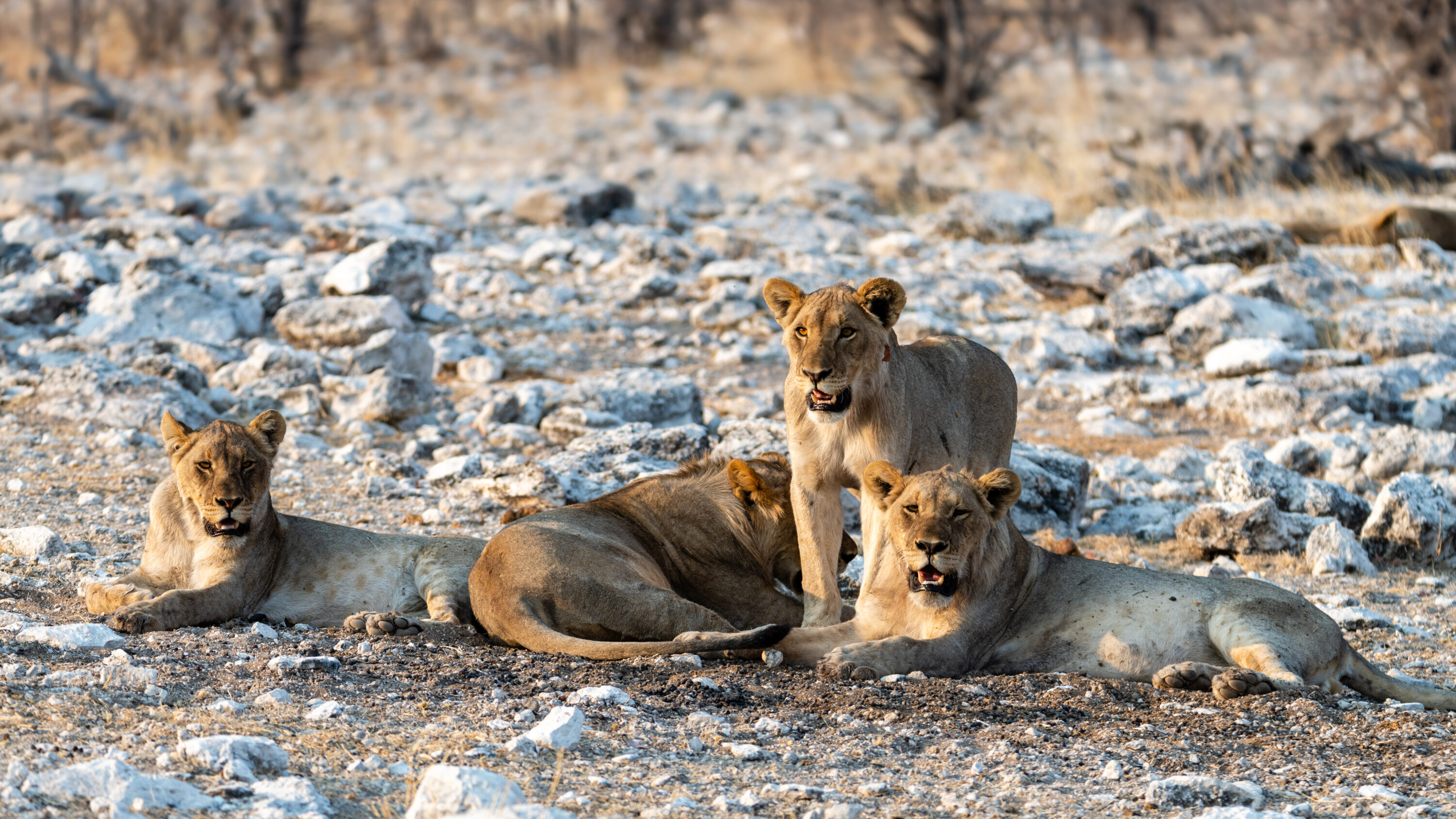
A Little-Known Microbial World Inside Lions’ Guts
Faecal samples from wild lions in Namibia gave researchers a much clearer picture of their gut bacteria. Microbial…
Read story →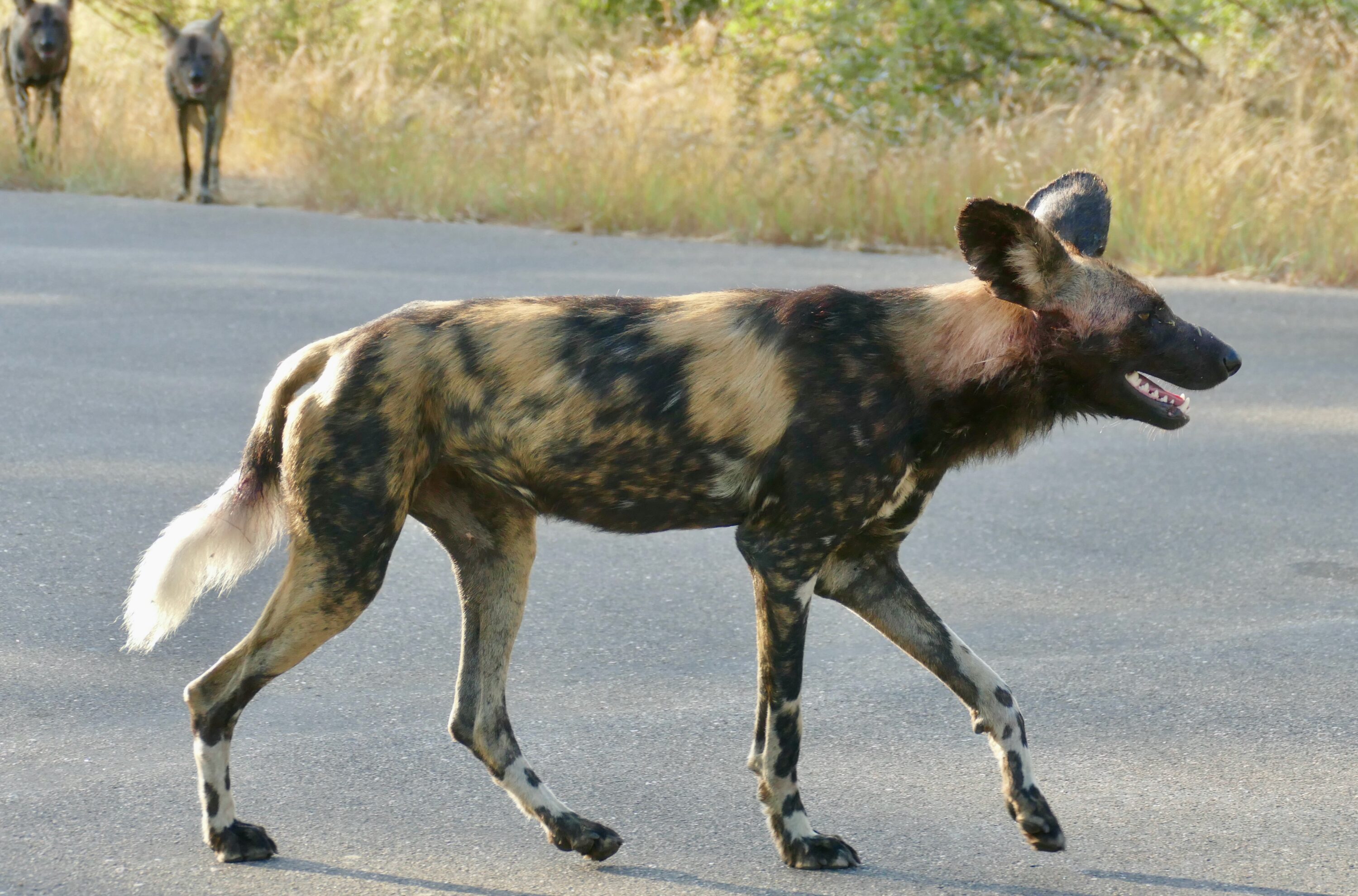
Food Leaves Its Mark on the Gut Bacteria of Kruger’s Wildlife
Gut bacteria in nine mammal species from Kruger National Park followed clear patterns linked to food and digestion.…
Read story →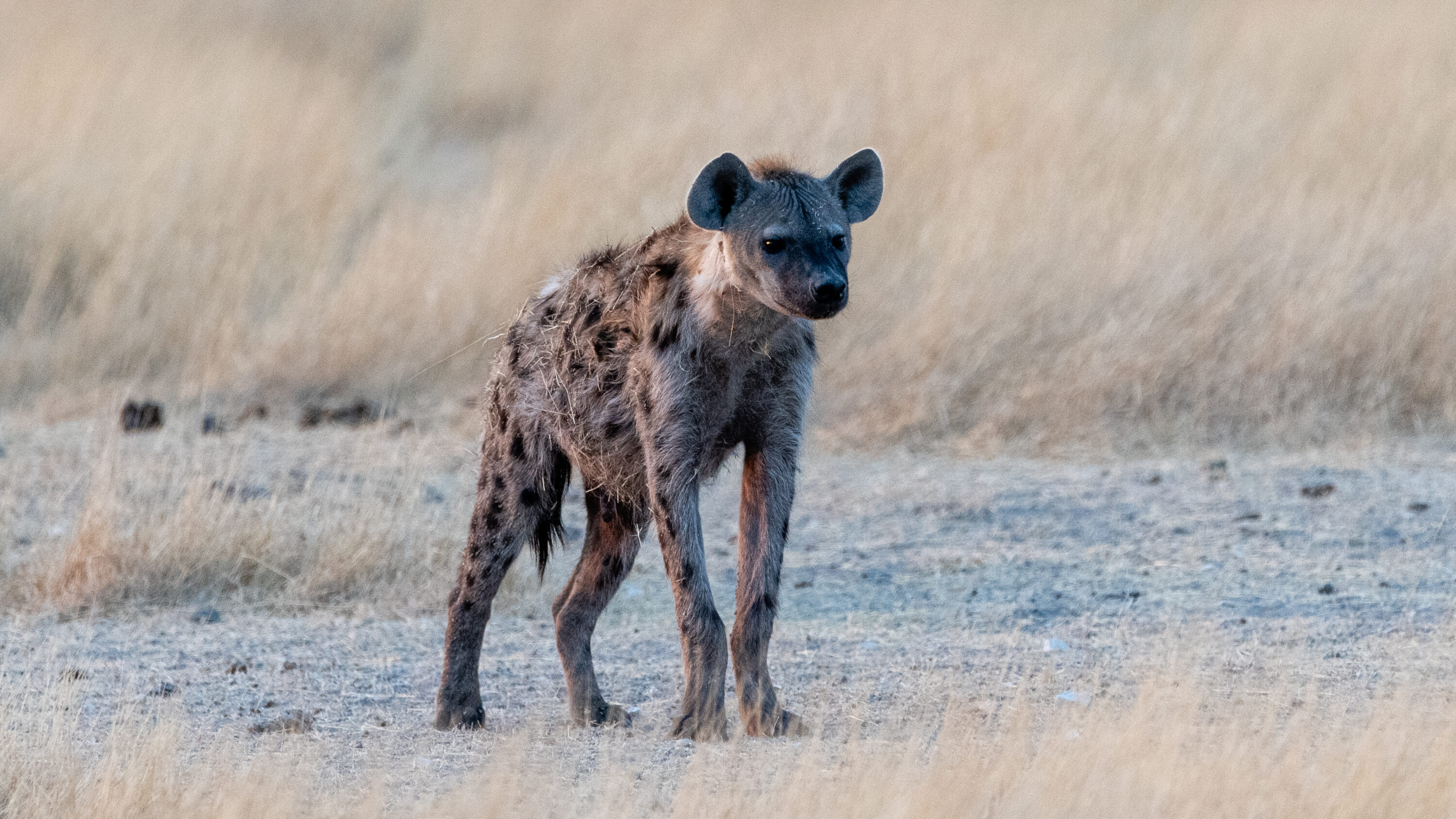
Spotted Hyenas Repeatedly Moved Away From Lions in Five-Minute GPS Data
High-frequency GPS data from Namibia and Botswana showed a robust retreat bias in spotted hyenas around lions, while…
Read story →SPECIES IN THIS STORY
Species in this story
Independent research and conservation news archive
Did you find this information useful?
Wildlife Vagabond is independently built and maintained. Voluntary support helps cover source verification, hosting and continued work on research and conservation news.
Support Wildlife VagabondThe news archive will remain freely available.