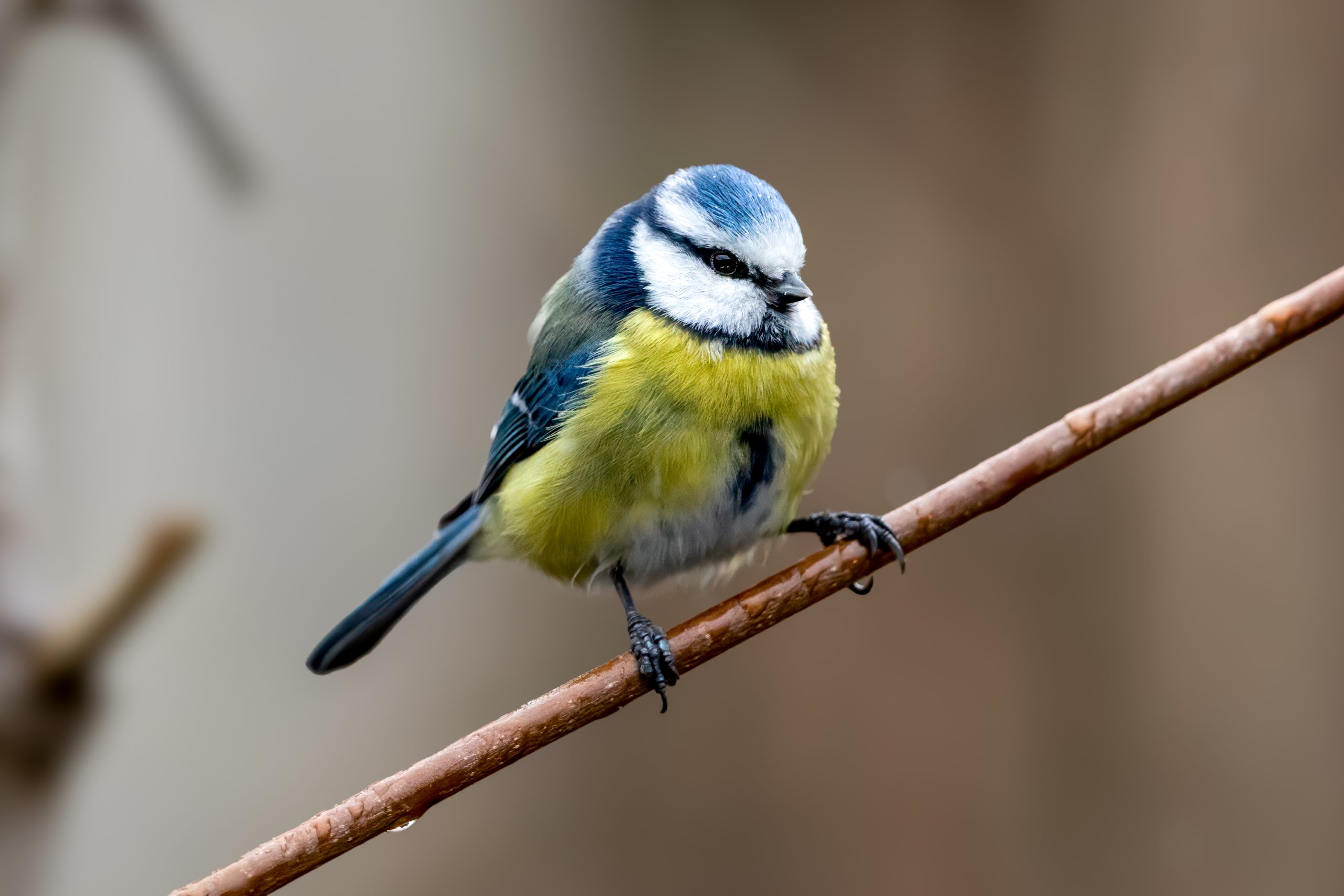
Blue Tits Laid Earlier and Raised More Young Where Native Oak Was More Abundant
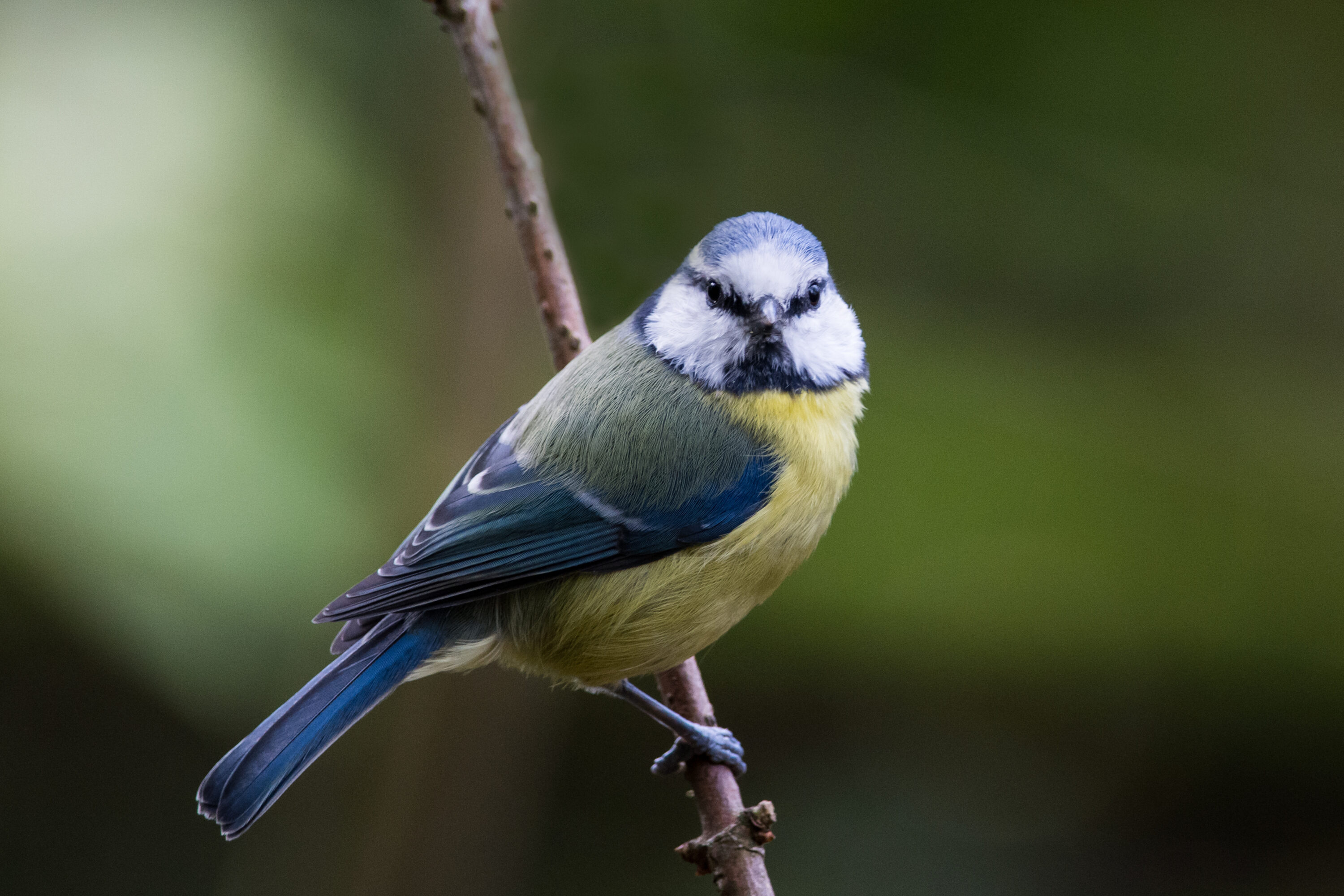
A nine-year study of Eurasian blue tits (Cyanistes caeruleus) at 20 Scottish nest-box sites found earlier laying where native foliage, especially oak, was more abundant. Sites with more native oak also produced more fledglings. The researchers compared breeding performance with tree foliage, temperature and human population density along a 40-km urban–non-urban gradient.
At the territory level, greater native foliage availability was associated with an earlier first egg date, and the relationship was especially clear for native oak (Quercus spp.). In contrast, greater non-native foliage was associated with smaller clutches both around individual territories and at the wider site level.
Sites with more native oak produced more fledglings
The number of young that fledged was higher at sites with more native oak foliage and lower at sites with more non-native foliage. Territories with higher human population density also produced fewer fledglings. These results came from models that considered vegetation, urbanisation and temperature together rather than treating “urban” as a single environmental condition.
Warmer conditions were associated with earlier laying, but also with smaller clutches and fewer fledglings. The negative relationships between non-native foliage and both clutch size and fledgling number were stronger in cooler springs.
Oak was also associated with more caterpillar prey
The researchers sampled Lepidoptera larvae during the 2021 and 2022 breeding seasons because caterpillars are a major food source for blue tit chicks. Larval abundance increased with native oak foliage at the site level. The authors therefore argue that food availability is a plausible biological link between tree composition and breeding success: sites with more oak may support more of the invertebrate prey needed while chicks are growing.
Native oak was associated with both more caterpillars and better reproductive outcomes, supporting food availability as the authors’ likely explanation for the pattern. Caterpillar sampling covered two breeding seasons, and the authors note that the total number of larvae collected was relatively low.
Tree choice may matter more than simply planting more trees
The authors therefore recommend that urban planting schemes consider the ecological function of tree species, not only the amount of tree cover. Native species such as oak can support rich Lepidoptera communities, while some non-native congeners may also be useful if they host comparable invertebrate prey.
The broader result is that urban breeding differences in blue tits were associated with specific environmental features rather than urbanisation alone. Tree composition, prey availability, temperature and human population density together helped explain variation in breeding timing and the number of young successfully fledged.
Reproduction & development
Related news

Inland Mute Swans Had Higher Winter Body Condition Despite Harsher Winters and Supplemental Feeding
A study of 853 mute swans from four Polish wintering regions found higher body condition inland than on…
Read story →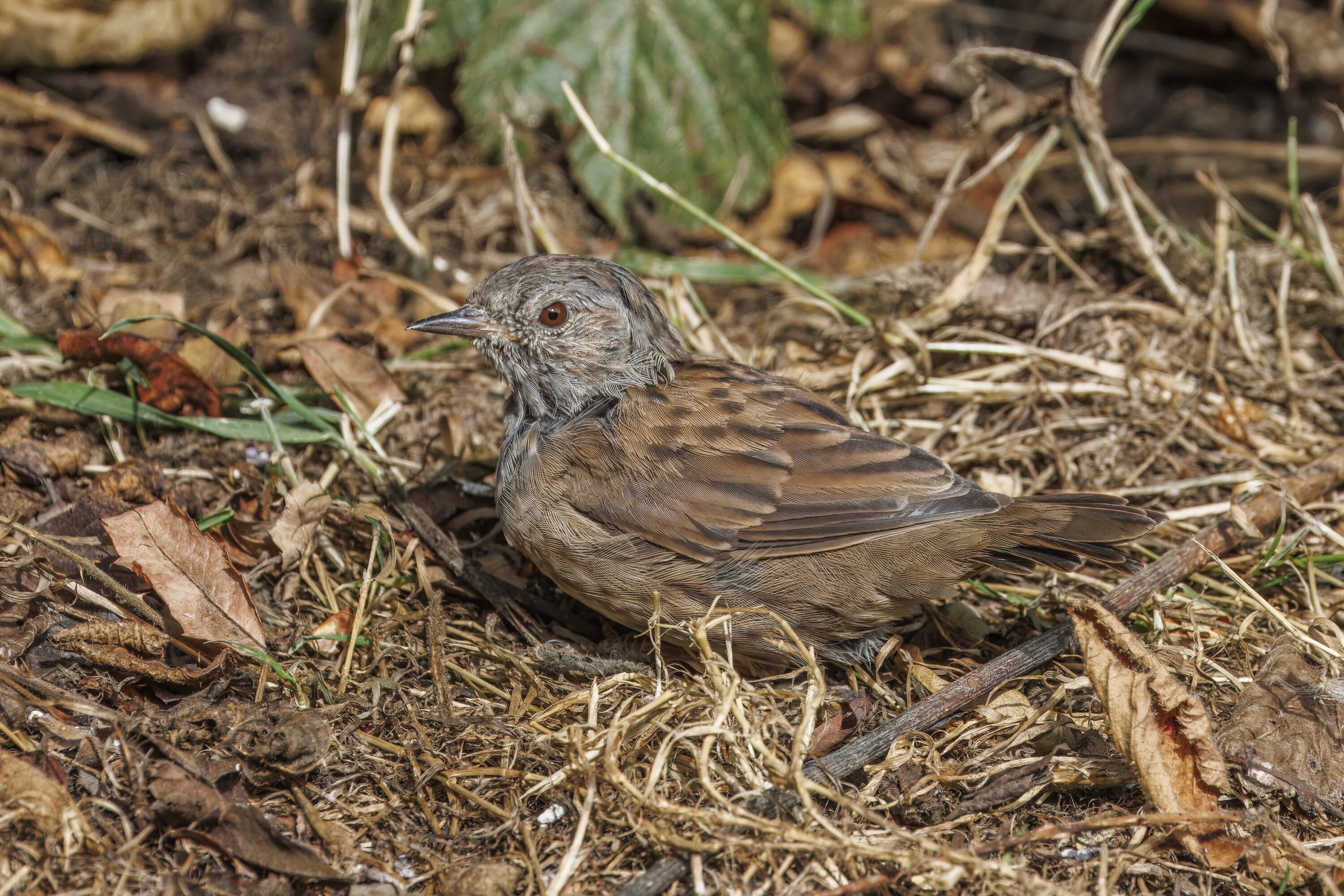
Dunnock Spring Passage Advanced by Up to 8.3 Days Over 61 Years at Hel
Standardised ringing data from northern Poland showed that the first, median and last phases of dunnock spring passage…
Read story →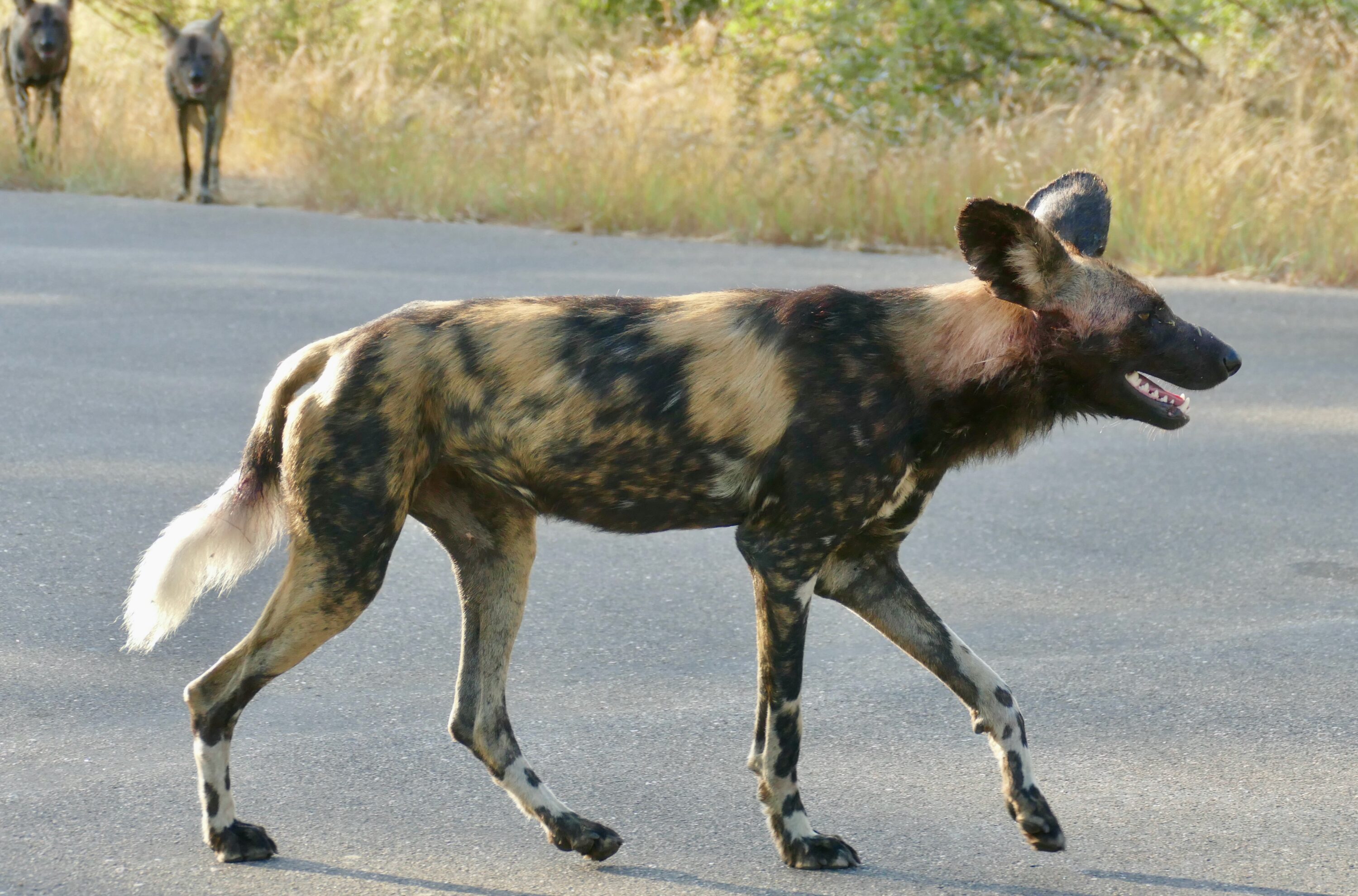
Gut Microbiomes Across Nine Kruger Mammals Clustered More Strongly by Dietary Group Than Species
A study of 89 quality-filtered faecal samples from nine wild mammals in Kruger National Park found that carnivores,…
Read story →SPECIES IN THIS STORY