
Nematode Egg Counts Fell Despite Very High Red Deer Densities in Spain
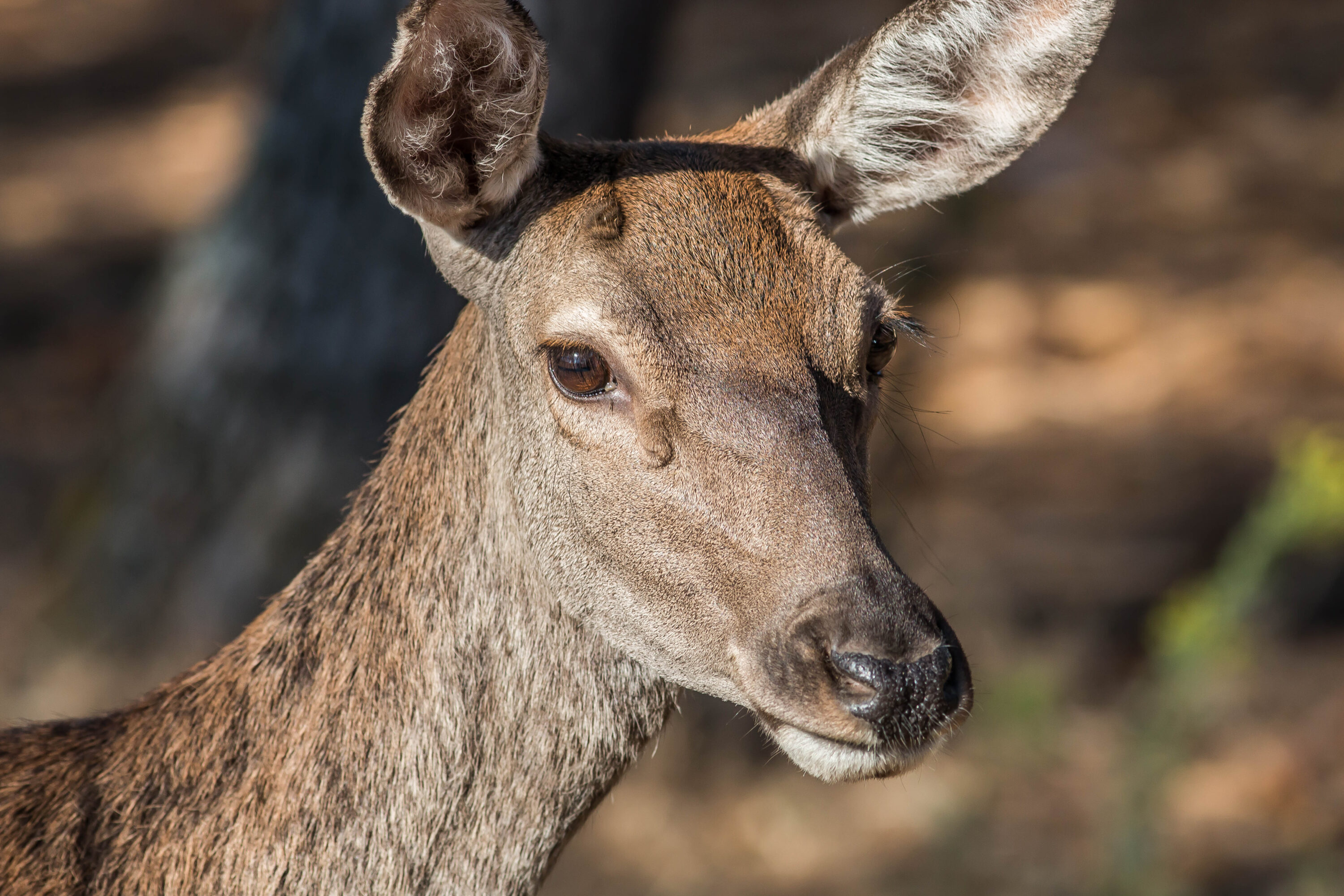
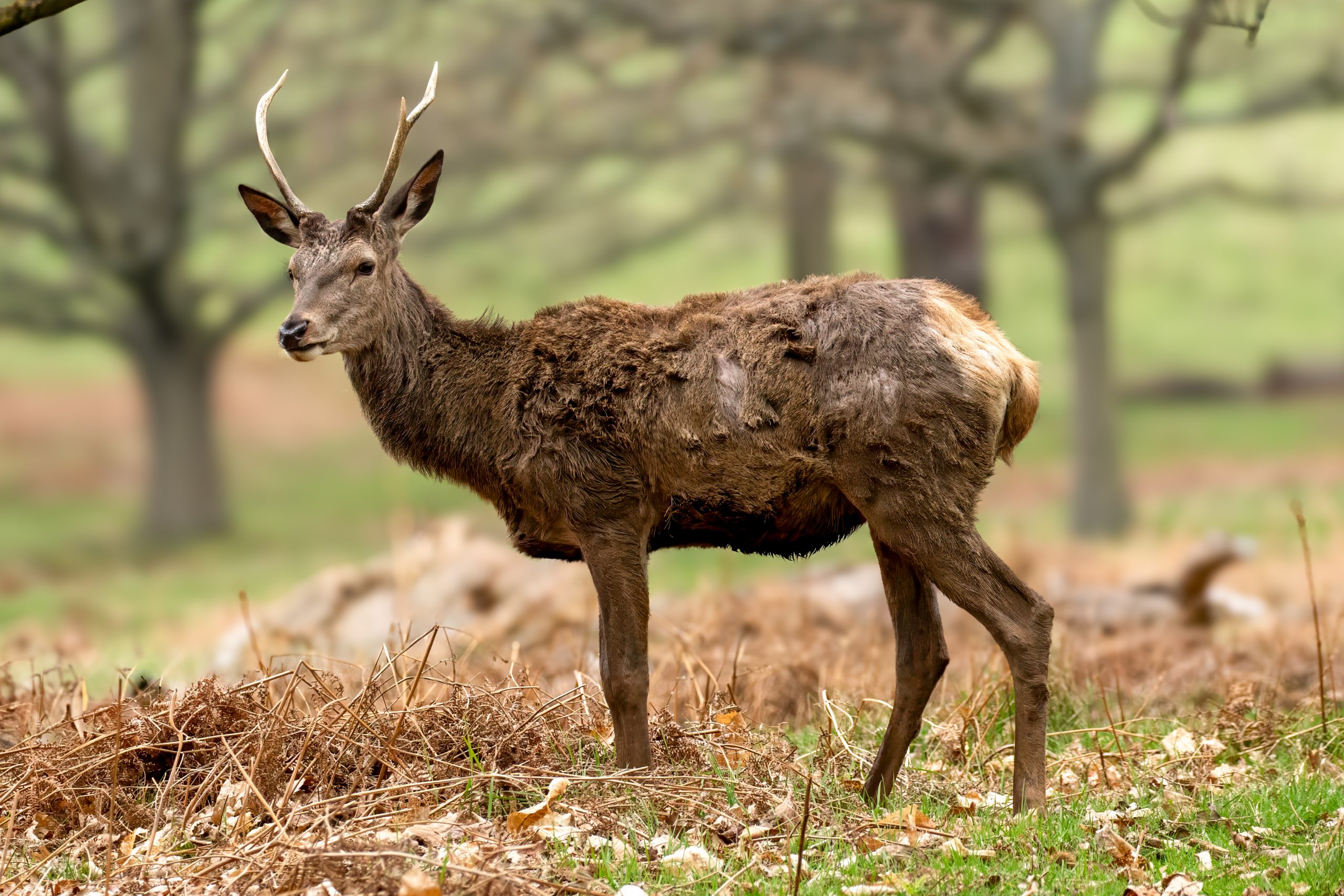
A field experiment at Quintos de Mora in central Spain and Muela de Cortes in eastern Spain tested whether gastrointestinal nematode infection would increase when female red deer (Cervus elaphus) were kept at high or very high density. The study, published on 27 January 2026, used four large enclosures with densities of about 45–58 deer per km² and 93–106 deer per km². Contrary to the researchers’ prediction, faecal nematode egg counts declined over time in every enclosure.
Egg counts fell despite high deer density
The deer already had relatively low nematode egg counts when the experiment began. Researchers followed the enclosures for 15–18 months and repeatedly counted gastrointestinal nematode eggs, including Trichuris and strongylid-type eggs, as eggs per gram of faeces (EPG).
Egg counts fell strongly in both study areas. Eleven months after release, all samples from both Quintos de Mora enclosures and from the very-high-density enclosure at Muela de Cortes were below the method’s detection limit. Counts in the remaining high-density enclosure also declined sharply.
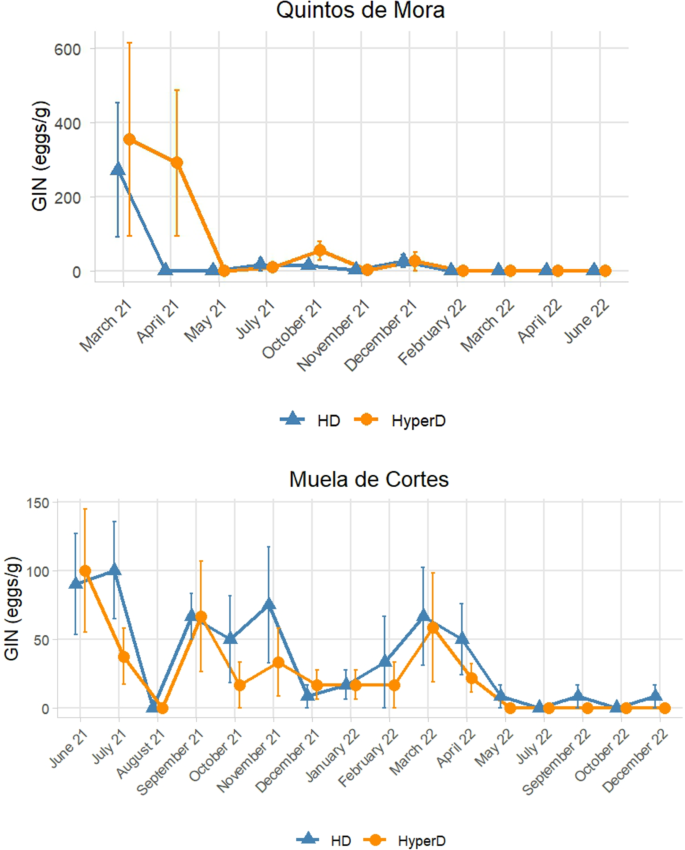
Egg counts fell over time in both density treatments, with no clear overall difference between the high- and very-high-density enclosures. The authors stress that an undetectable McMaster count does not prove that nematodes were completely absent: faecal egg counts are an indirect measure of infection, and the method becomes less sensitive at very low egg concentrations.
Woody browse and harsh conditions may have reduced exposure
The researchers also analysed diet monthly for a year using cuticle microhistology of faecal samples. Woody plants dominated in both study areas. At Quintos de Mora, woody fragments made up 86–94.8% of the identifiable diet across seasons and treatments, while grasses and other herbaceous plants each remained below 10%. Woody plants were also dominant at Muela de Cortes, although grasses and forbs contributed more there in some seasons.
This dietary result mattered because the study was designed to look beyond host density alone. The authors discuss three connected explanations for the falling egg counts. First, high deer densities had strongly reduced the herbaceous layer in the enclosures; less ground vegetation may have exposed free-living nematode larvae to drier conditions and more ultraviolet radiation. Second, the study areas experienced strong seasonal temperature extremes, which could further reduce larval survival outside the host. Third, browsing on taller woody plants may reduce contact with infective larvae compared with feeding close to the ground.
Several commonly eaten woody plants also contain tannins or other compounds with reported antiparasitic effects. The authors therefore consider the dominance of woody browse another possible contributor, but the study did not show that diet caused the decline. Parasite levels were already low at the start, and the environmental and dietary mechanisms were not experimentally separated.
Under the conditions of this experiment, very high red deer density therefore did not produce the expected rise in gastrointestinal nematode egg counts. Instead, counts fell across all four enclosures. The authors interpret the result as evidence that host density alone may be a poor predictor of parasite dynamics in Mediterranean red deer when vegetation structure, diet and environmental conditions are changing at the same time.
Disease, parasites & microbiology
Related news
Inland Mute Swans Had Higher Winter Body Condition Despite Harsher Winters and Supplemental Feeding
A study of 853 mute swans from four Polish wintering regions found higher body condition inland than on…
Read story →
Dunnock Spring Passage Advanced by Up to 8.3 Days Over 61 Years at Hel
Standardised ringing data from northern Poland showed that the first, median and last phases of dunnock spring passage…
Read story →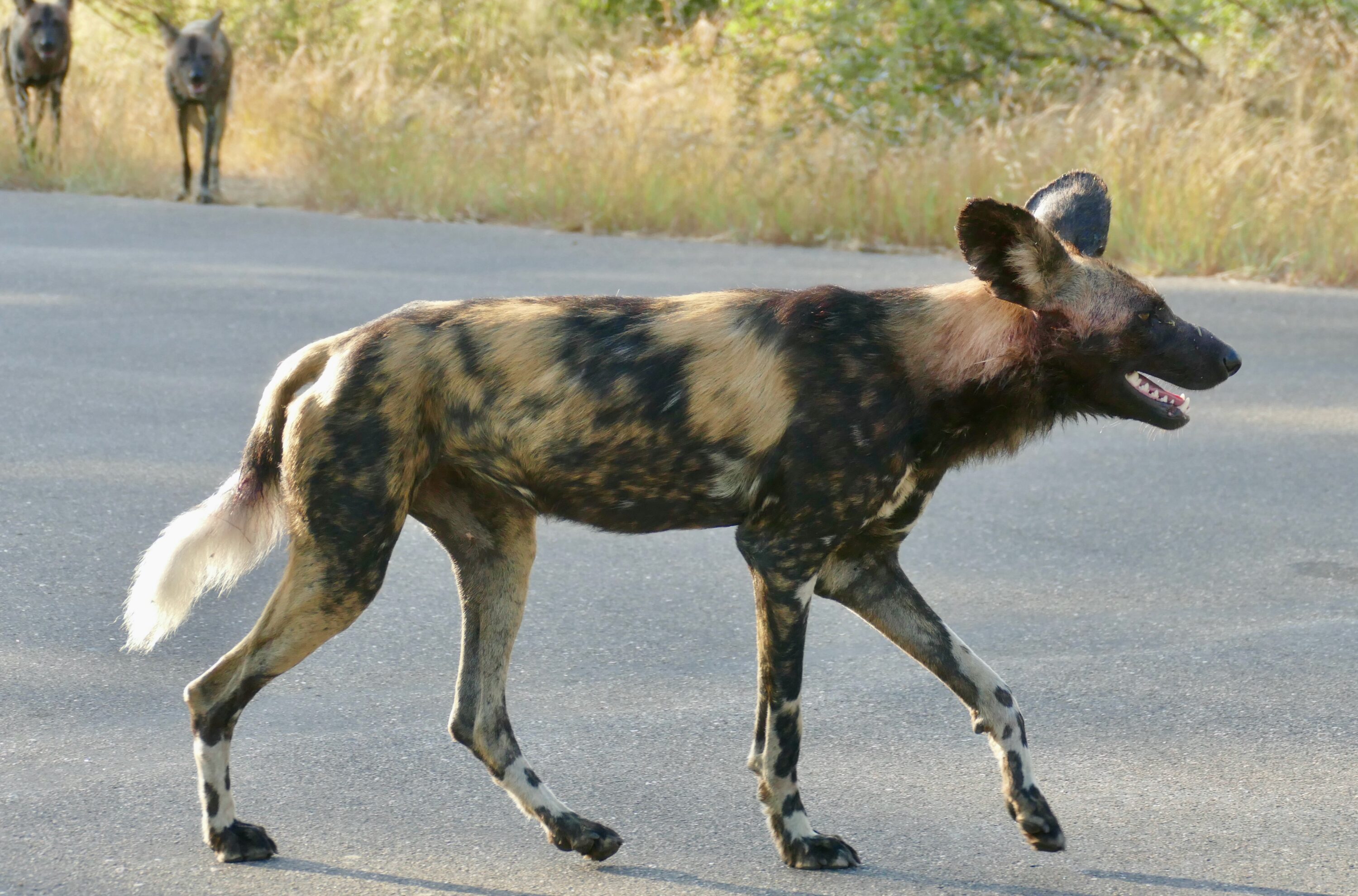
Gut Microbiomes Across Nine Kruger Mammals Clustered More Strongly by Dietary Group Than Species
A study of 89 quality-filtered faecal samples from nine wild mammals in Kruger National Park found that carnivores,…
Read story →SPECIES IN THIS STORY
Species in this story
Independent research and conservation news archive
Did you find this information useful?
Wildlife Vagabond is independently built and maintained. Voluntary support helps cover source verification, hosting and continued work on research and conservation news.
Support Wildlife VagabondThe news archive will remain freely available.