
New Respiratory Mycoplasma Species Described From Common Buzzards

A previously unclassified bacterium from the respiratory tract of common buzzards (Buteo buteo) has been described as a new species, Mycoplasma tracheobuteonis. Mycoplasmas are very small bacteria that lack a cell wall and often live on mucosal surfaces such as the respiratory tract. Some species are harmless colonisers, while others can cause disease, so finding a new respiratory mycoplasma does not by itself show that it is pathogenic.
The researchers selected ten representative strains from a larger group of 36 closely related, previously unclassified Mycoplasma isolates. Eight of the ten representative strains came from the respiratory tract of common buzzards, while two came from other birds of prey. The samples had been collected during necropsies and field investigations in Austria, Germany and Spain.
Genome comparisons supported a distinct species
Conventional genetic markers initially placed the strains close to several recently described raptor-associated species in the Mycoplasma synoviae group. These markers were useful for showing their close relationships but did not by themselves provide the clearest separation.
Whole-genome comparisons and phylogenomic analyses showed that the ten representative strains formed a distinct taxonomic group. MALDI-ToF mass spectrometry supported the same conclusion by producing a characteristic protein “fingerprint” that separated them from the closest known species.
The proposed name Mycoplasma tracheobuteonis reflects the organism’s predominant isolation from the trachea of common buzzards. The designated type strain came from the choana — the opening at the back of the nasal cavity towards the mouth and throat — of a common buzzard collected in Saxony, Germany.
No clear respiratory disease was linked to the bacterium
Most birds from which these isolates were obtained had died from non-infectious causes such as trauma, poisoning or emaciation. The researchers found no relevant gross or microscopic respiratory lesions associated with the isolates.
The study therefore establishes a new bacterial species and a strong association with the respiratory tract of common buzzards, but it does not demonstrate that M. tracheobuteonis causes respiratory disease. Further work would be needed to determine whether it normally behaves as a harmless coloniser, an opportunistic pathogen or something in between.
Evolution & taxonomy
Related news
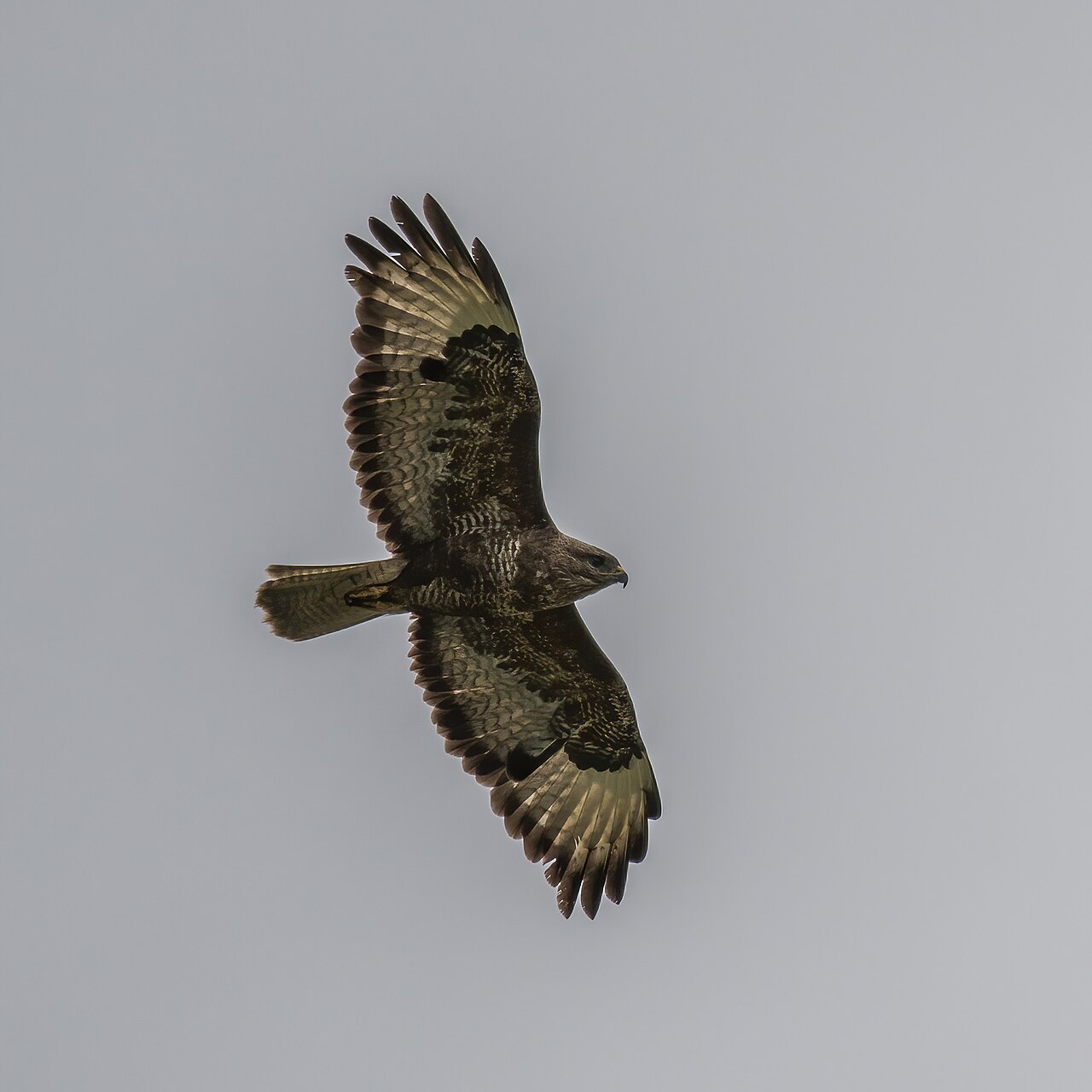
Berlin Common Buzzards Forage in Courtyards and Breed in Urban Green Islands
Four years of GPS tracking showed juvenile common buzzards in Berlin using small urban foraging hotspots associated with…
Read story →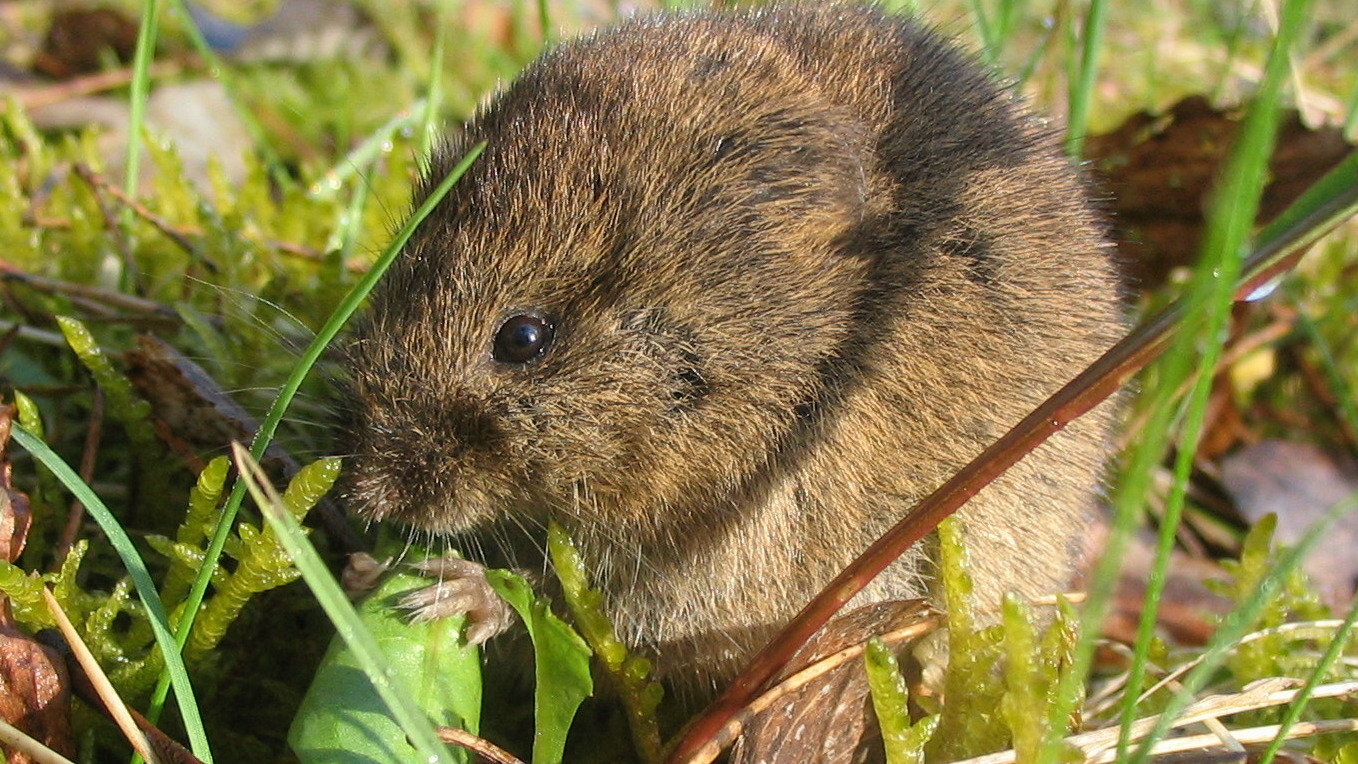
Common Voles Were the Most Frequent Prey of Buzzards in Ojców, but Birds Dominated Biomass
Among 120 prey items identified in the diet of common buzzards in Ojców National Park, common voles accounted…
Read story →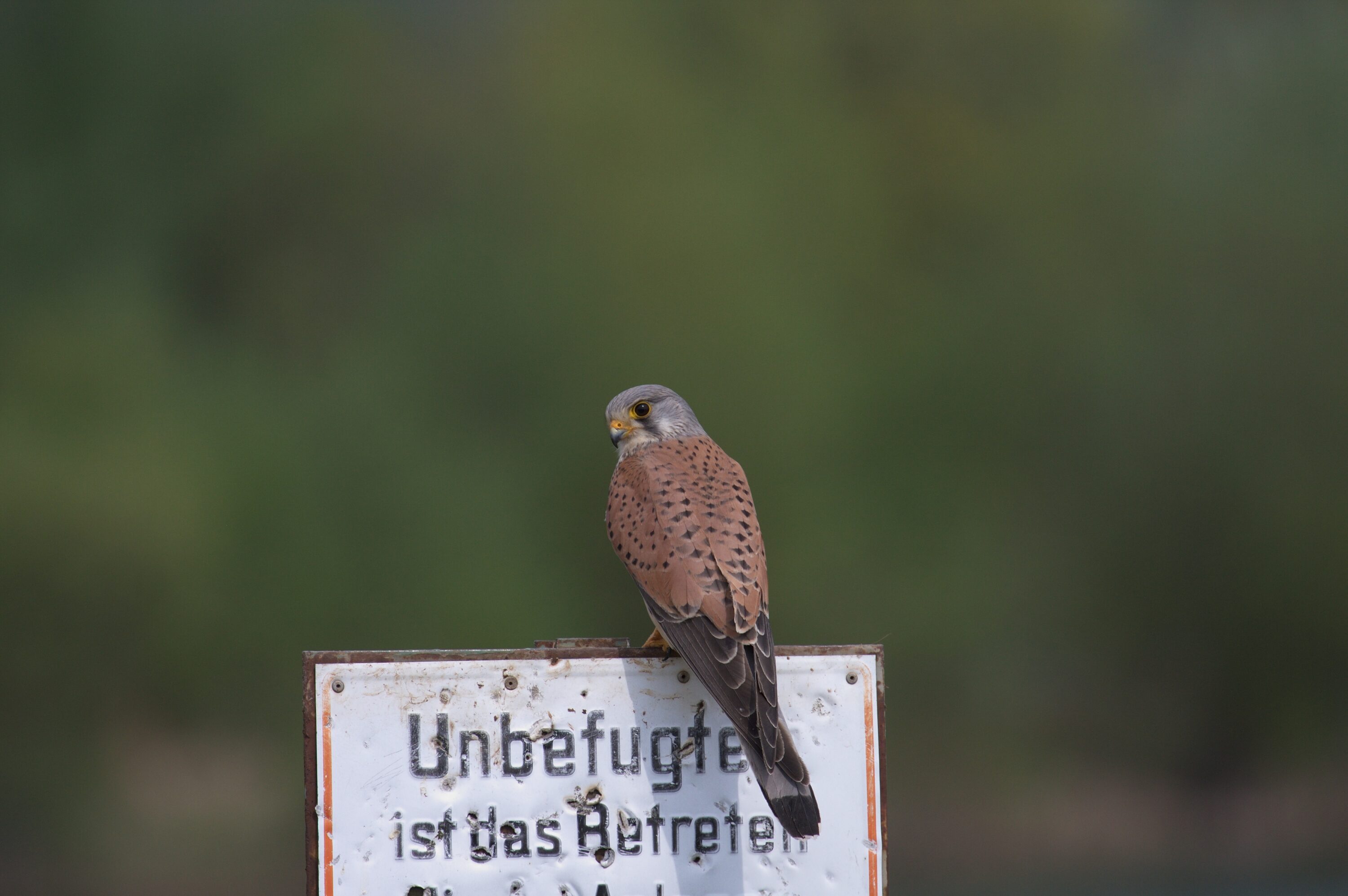
Winter Surveys Estimated 5.59 Common Kestrels and 2.61 Common Buzzards per km² in Parma Farmland
Roadside distance sampling in northern Italy estimated 5.59 common kestrels and 2.61 common buzzards per km², while the…
Read story →SPECIES IN THIS STORY
Species in this story

Independent research and conservation news archive
Did you find this information useful?
Wildlife Vagabond is independently built and maintained. Voluntary support helps cover source verification, hosting and continued work on research and conservation news.
Support Wildlife VagabondThe news archive will remain freely available.