
After Very Hot Days, Cheetah–Lion Encounters Were 6.6 Times More Likely in the Okavango
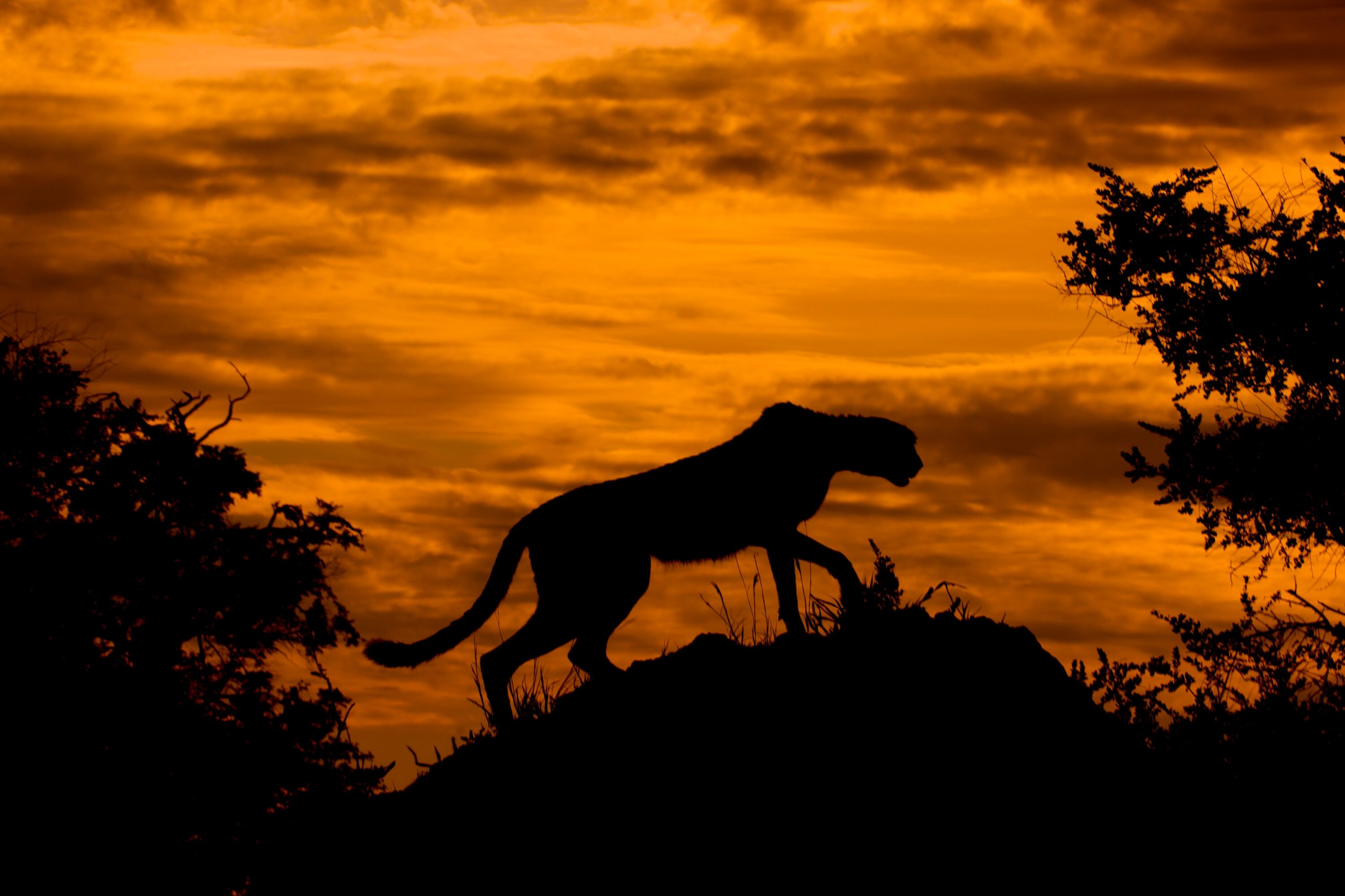
A 2026 study from Botswana’s Okavango Delta shows how rising temperatures can alter the way large predators share space. Using eight years of high-resolution GPS data, researchers examined close encounters among African lions (Panthera leo), cheetahs (Acinonyx jubatus) and African wild dogs (Lycaon pictus).
The dataset covered 43 animals tracked between 2011 and 2018: 14 lions from seven social groups, five cheetahs and 24 wild dogs from 13 packs. The researchers defined a close encounter as a day when two competing predators came within 400 metres of each other at the same time. They then compared these encounters with daily maximum temperatures and with changes in habitat use, spatial overlap and activity timing.
Cheetah–lion encounters rose sharply after hot days
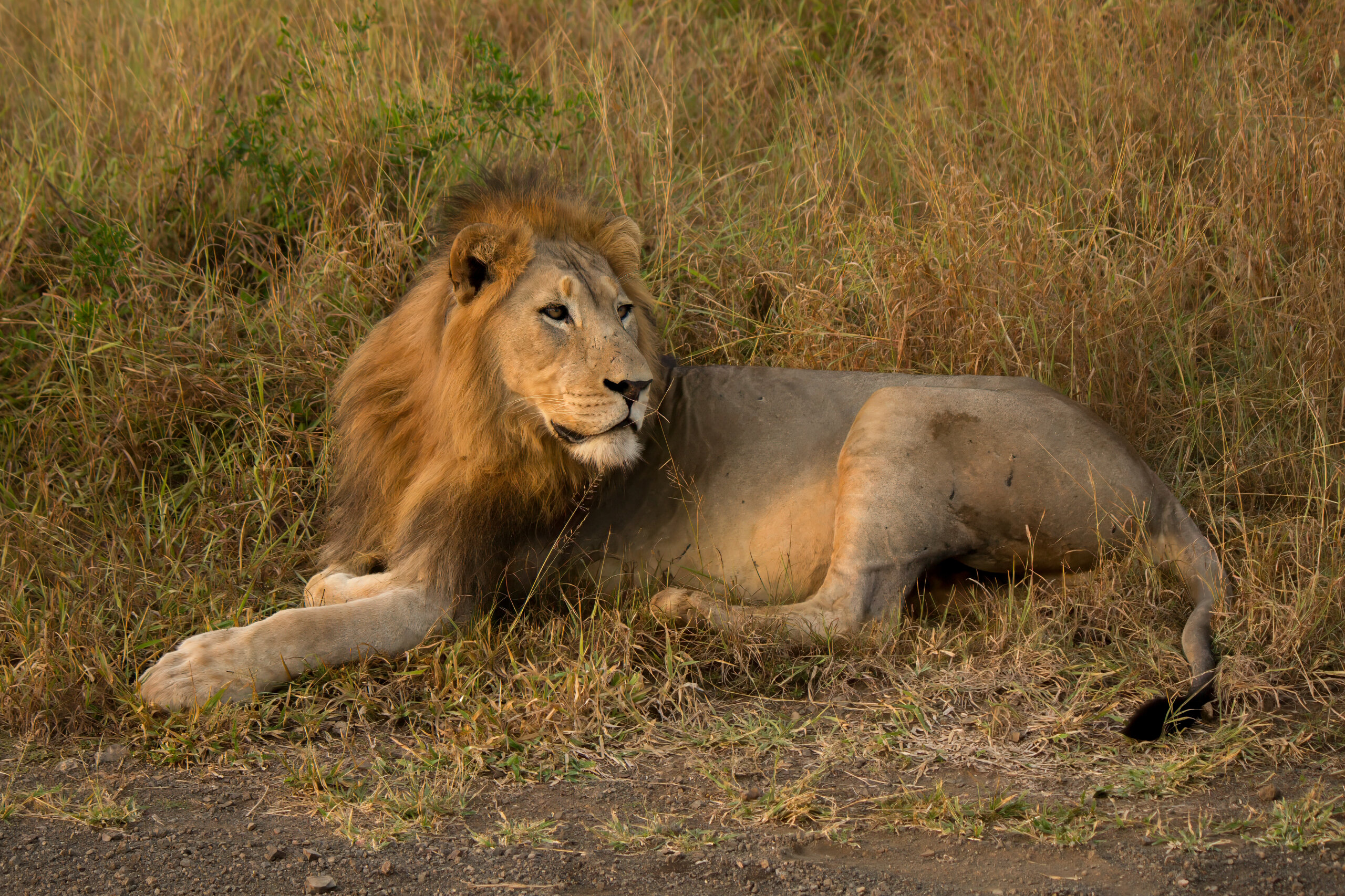
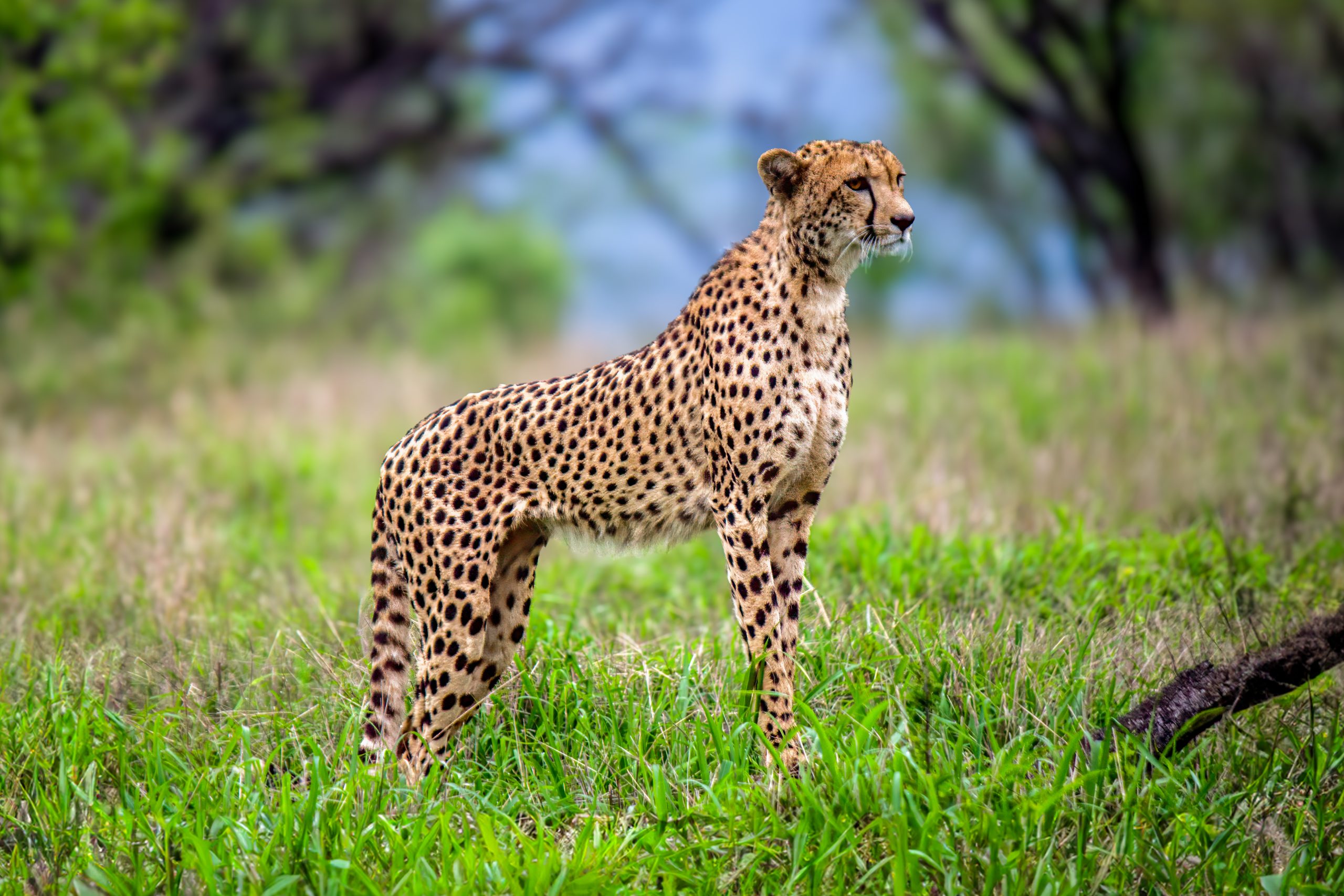
The clearest temperature effect involved cheetahs and lions during the dry season. When the previous day had been warm — around the 80th percentile of temperatures in the study — cheetah–lion encounters were 3.52 times more likely than after a day with median temperatures. After very hot days at the 90th percentile, the probability was 6.64 times higher. This temperature effect was not detected for cheetah–lion encounters during the wet season.
The increase was accompanied by greater spatial overlap between cheetahs and lions. The day after warm and very hot conditions, cheetahs spent about 3.55 and 4.22 times as much time, respectively, inside lion home ranges as after median-temperature days; lions also increased their presence inside cheetah ranges by about 1.39-fold. Cheetahs did become more nocturnal on warm days, raising their activity overlap with lions by about 7.5% between cool and warm conditions, but that temporal shift did not persist into the following day, when encounter probability increased. Habitat selection showed the same time lag: cheetahs avoided mixed woodland on warm days themselves, but selected it more strongly on the following day, while wild dog habitat selection did not change across temperatures. The researchers therefore concluded that lagged changes in space use and habitat selection were the stronger explanation for the rise in encounters.
Wild dogs did not show the same temperature response
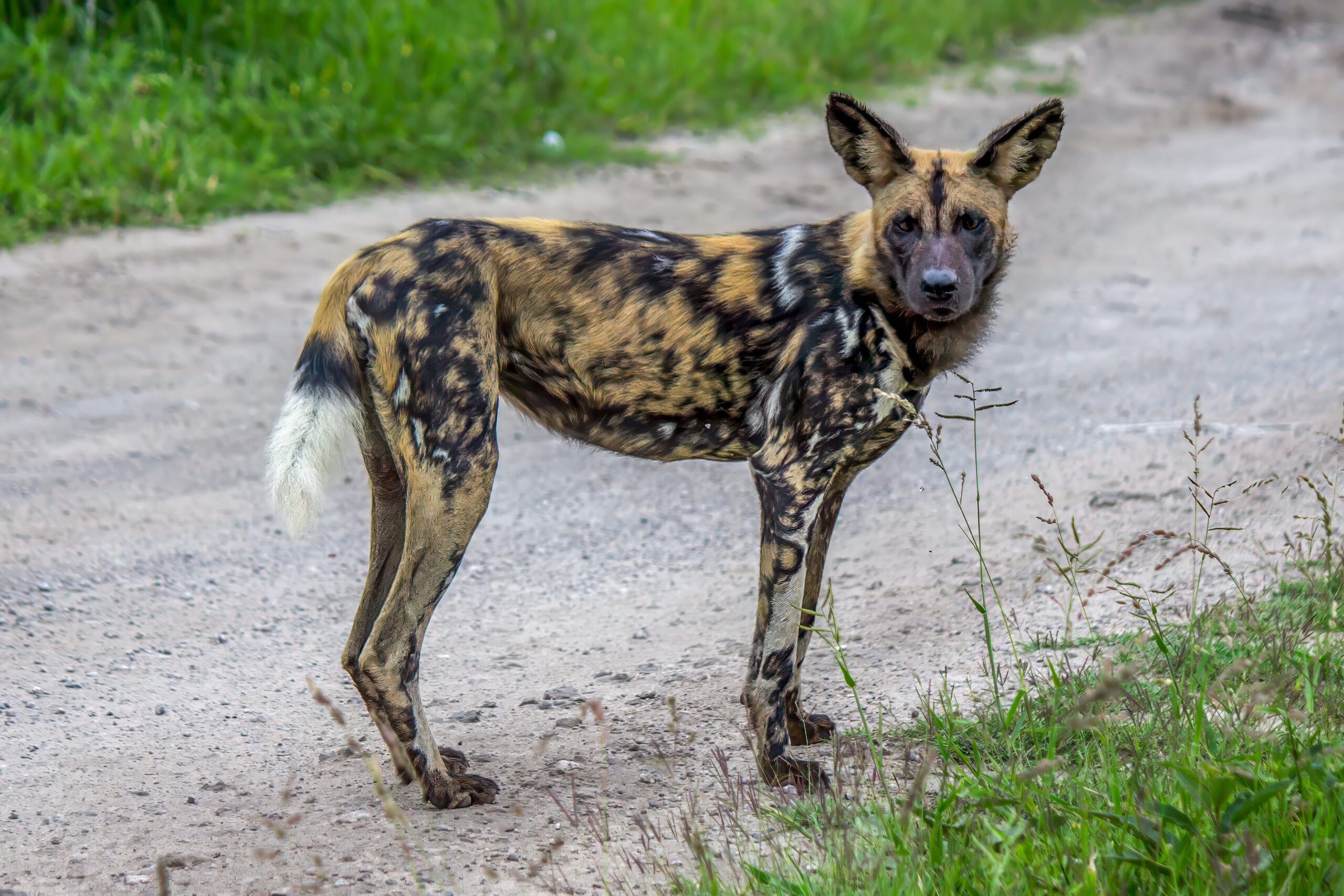
African wild dogs showed a different pattern. The probability of close lion–wild dog encounters did not change with temperature in either the dry or wet season, and their spatial overlap with lions was similarly unaffected. The authors interpret this contrast as evidence that species differ in how strongly they adjust their behaviour to competitor risk under changing thermal conditions. They note that wild dogs in this system already show strong proactive avoidance of lions across different environmental conditions.
The results link short-term temperature variation with measurable changes in interactions between top predators. In the Okavango, hotter conditions did not affect all members of the carnivore guild in the same way: cheetahs increasingly shared space with lions after hot days, while wild dogs maintained their separation.
Ecology
Related news
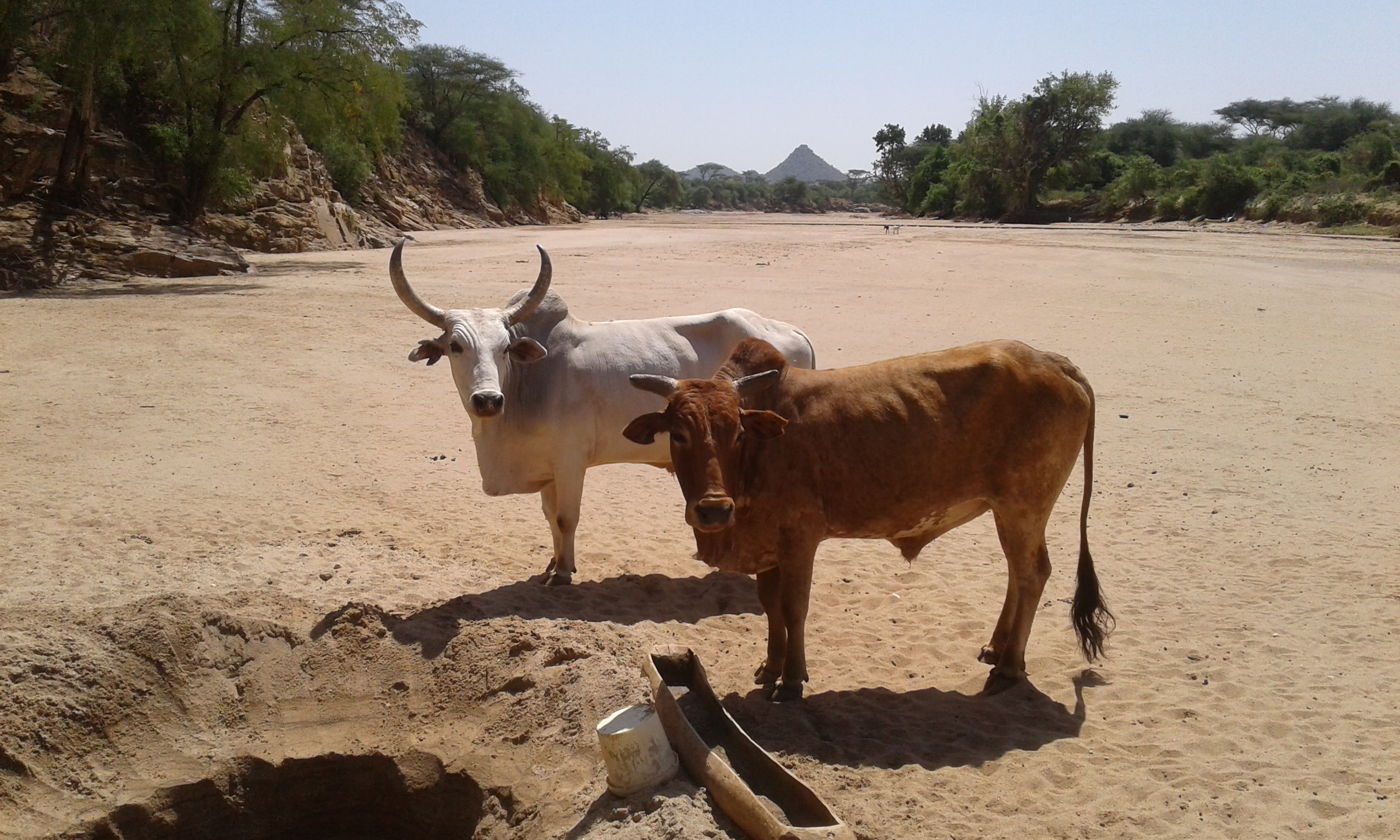
Livestock Losses Varied Strongly Among Households and Carnivores in Ethiopia’s Omo Valley
In a survey of 147 households near Omo National Park, 36.1% reported losing livestock to carnivores during the…
Read story →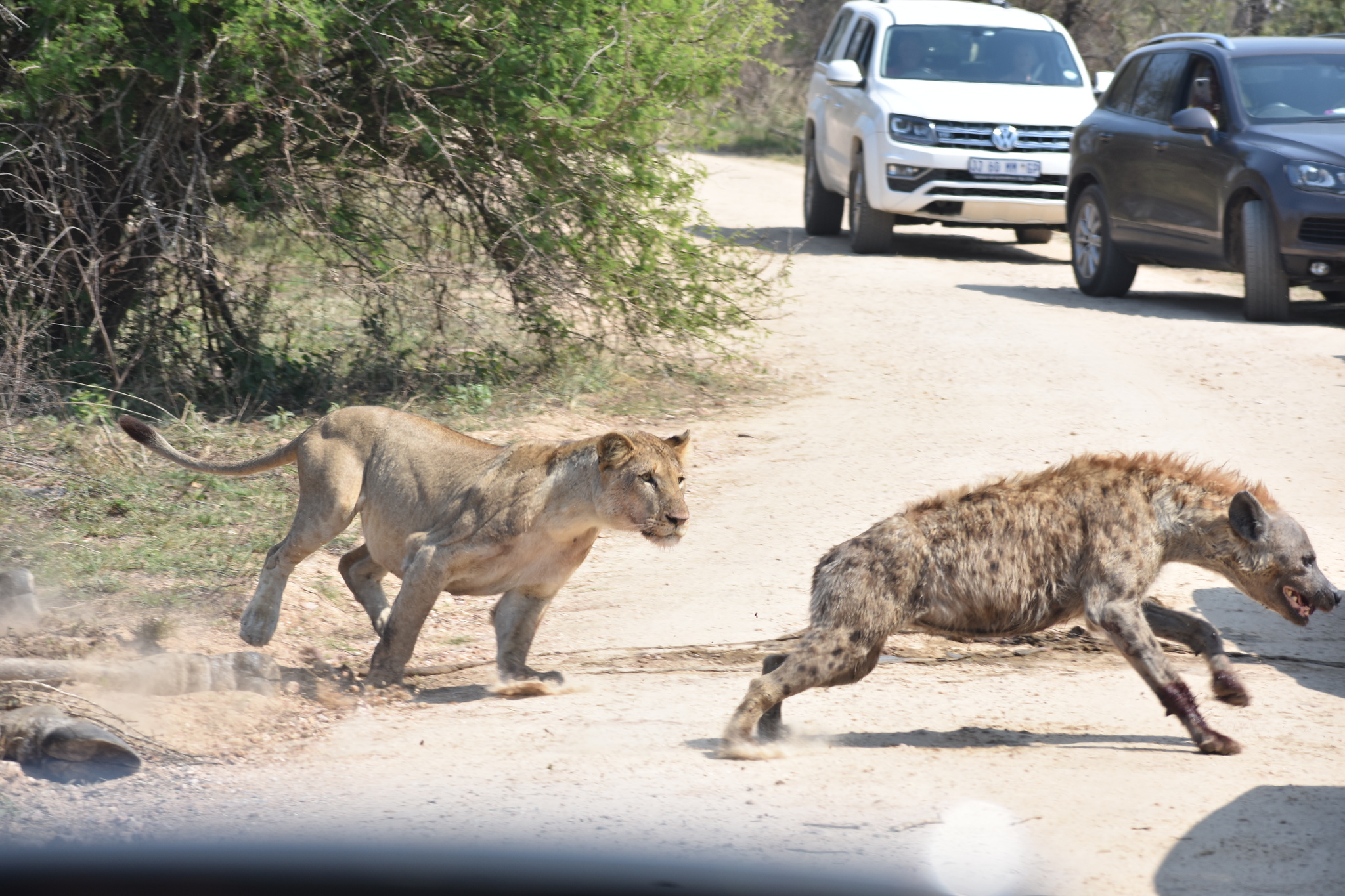
Resource Availability Was Linked to How Lions Co-occurred With Four Other Large Carnivores
In Kruger and Limpopo, access to prey and water was strongly associated with where lions, cheetahs, leopards, spotted…
Read story →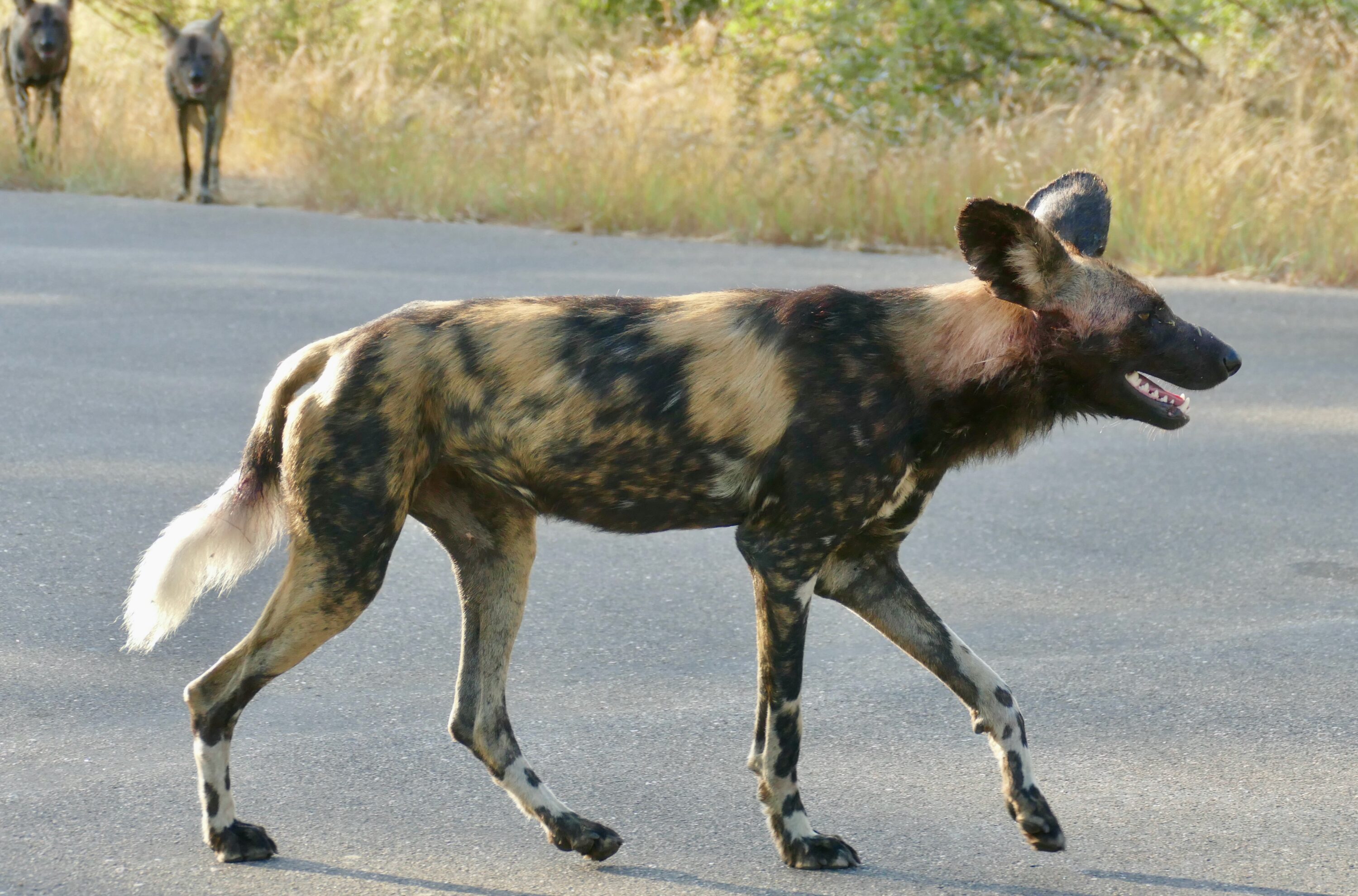
Food Leaves Its Mark on the Gut Bacteria of Kruger’s Wildlife
Gut bacteria in nine mammal species from Kruger National Park followed clear patterns linked to food and digestion.…
Read story →SPECIES IN THIS STORY
Species in this story
Independent research and conservation news archive
Did you find this information useful?
Wildlife Vagabond is independently built and maintained. Voluntary support helps cover source verification, hosting and continued work on research and conservation news.
Support Wildlife VagabondThe news archive will remain freely available.