
Resource Availability Was Linked to How Lions Co-occurred With Four Other Large Carnivores
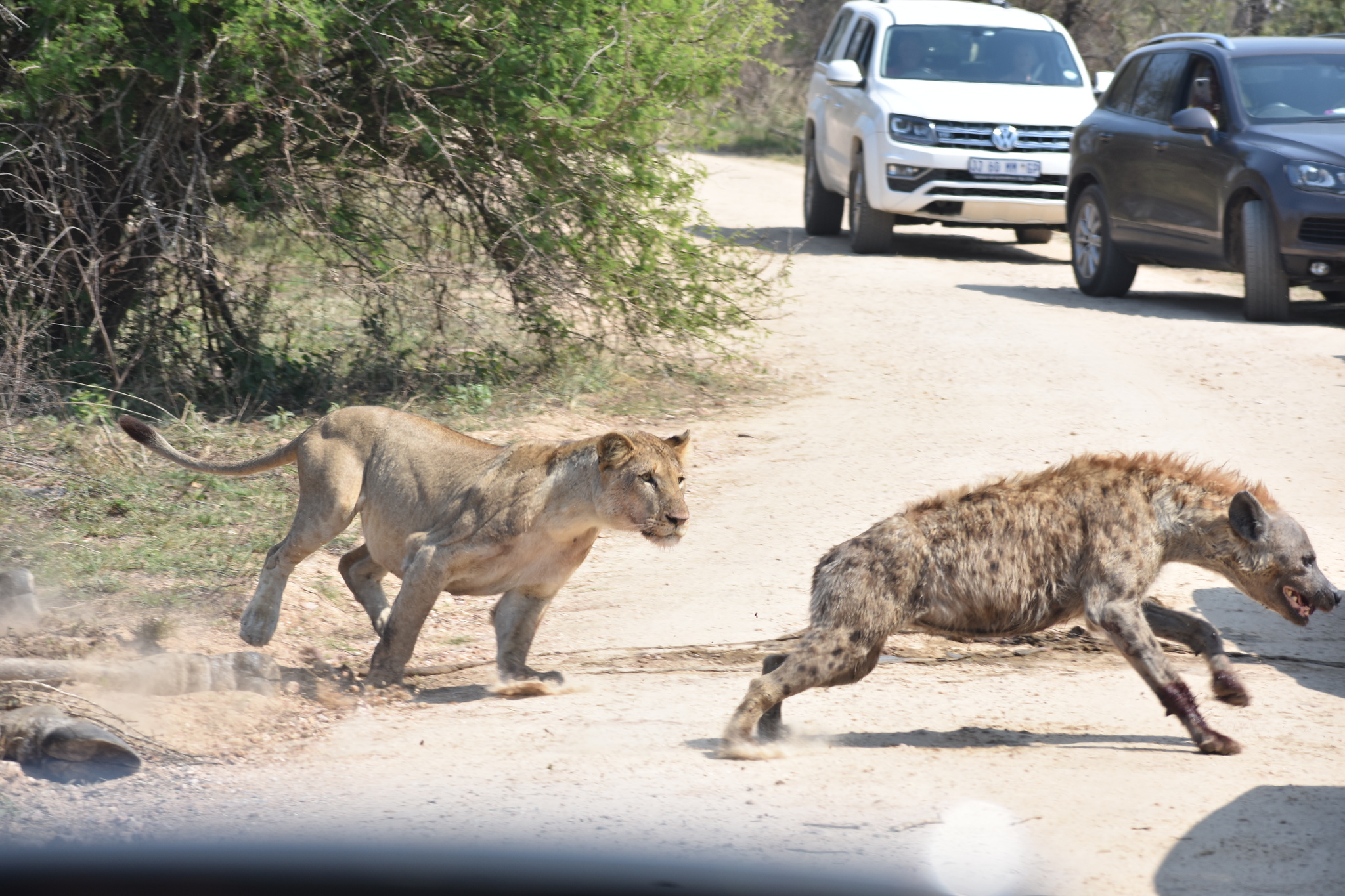
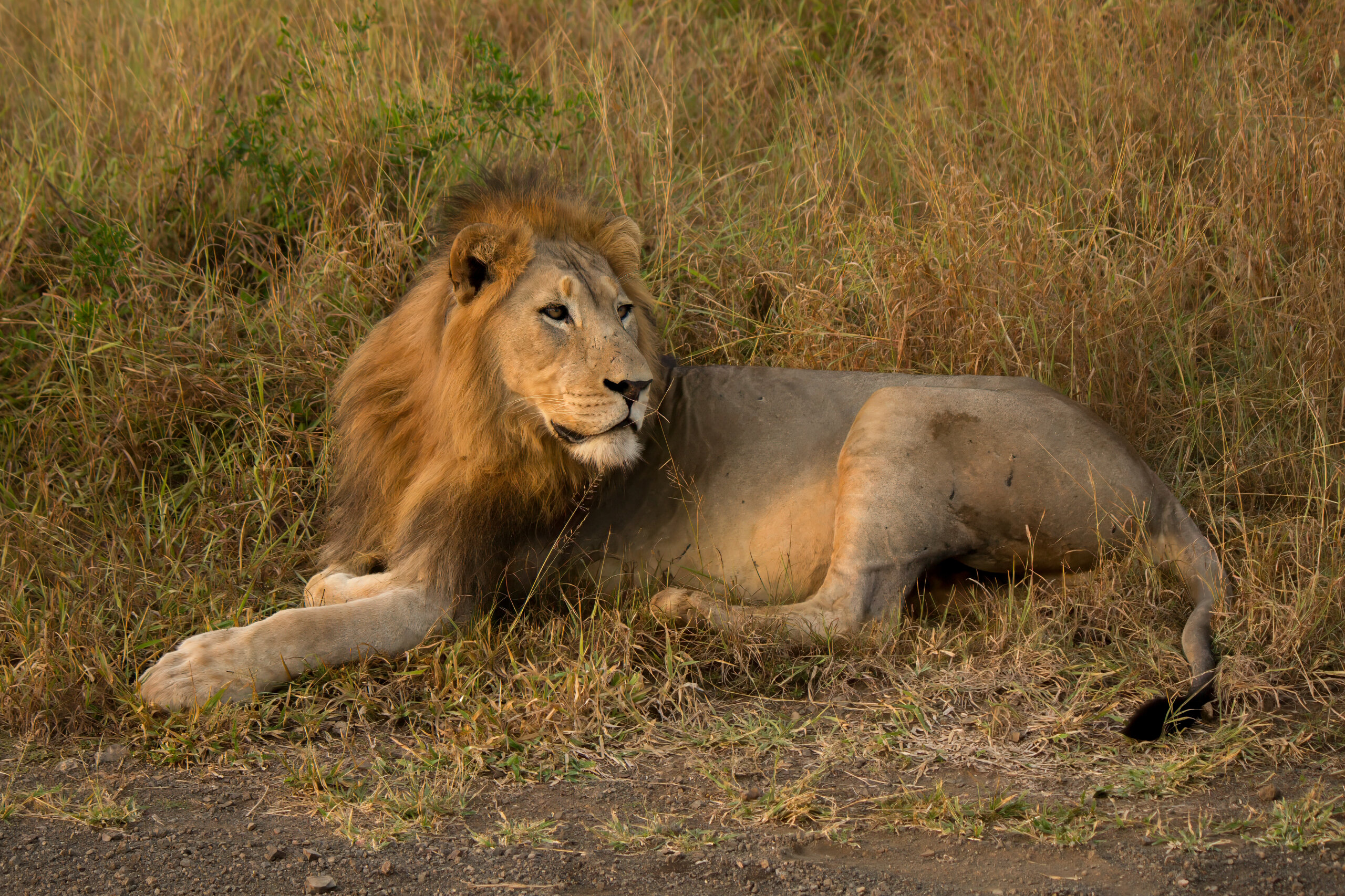
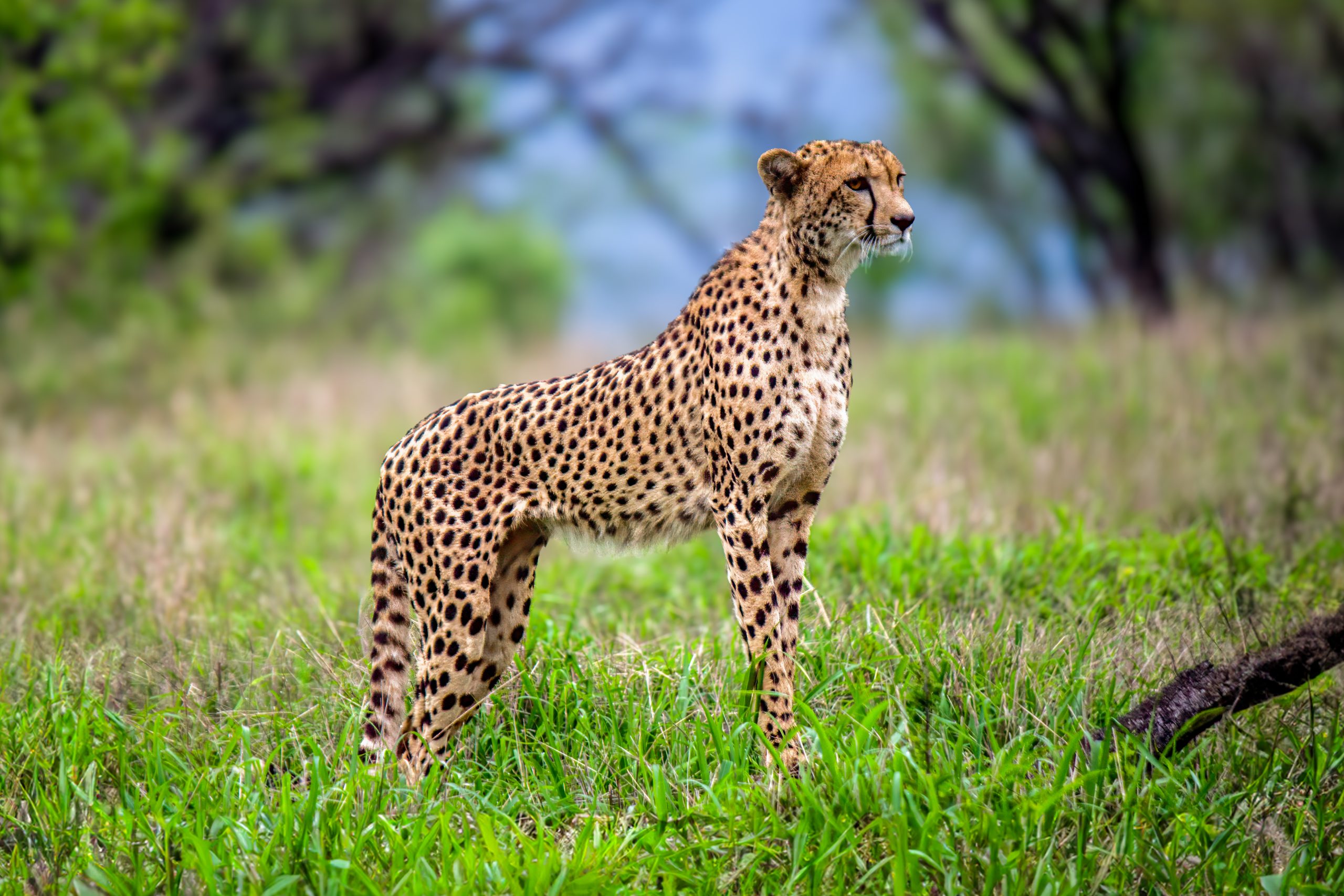
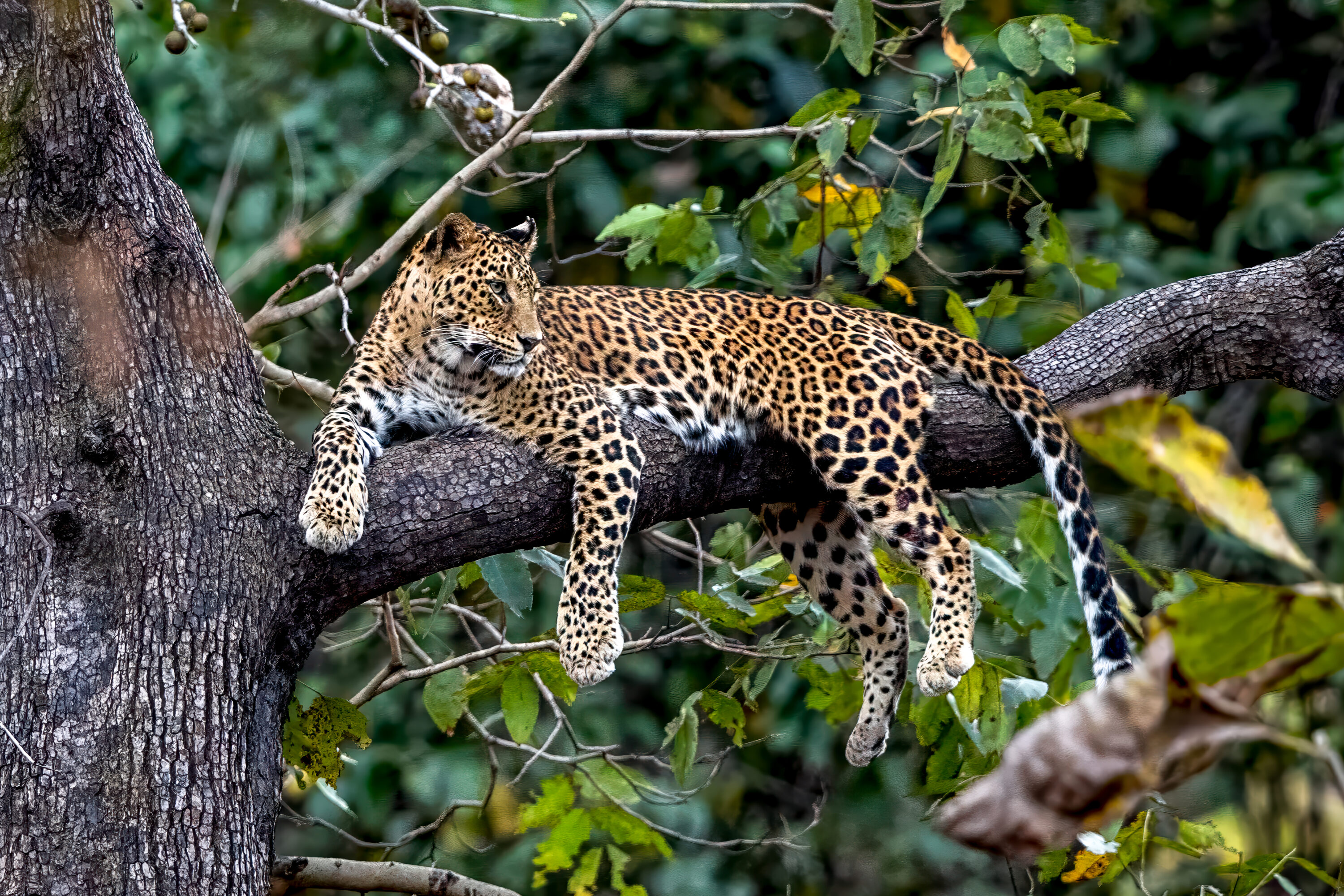
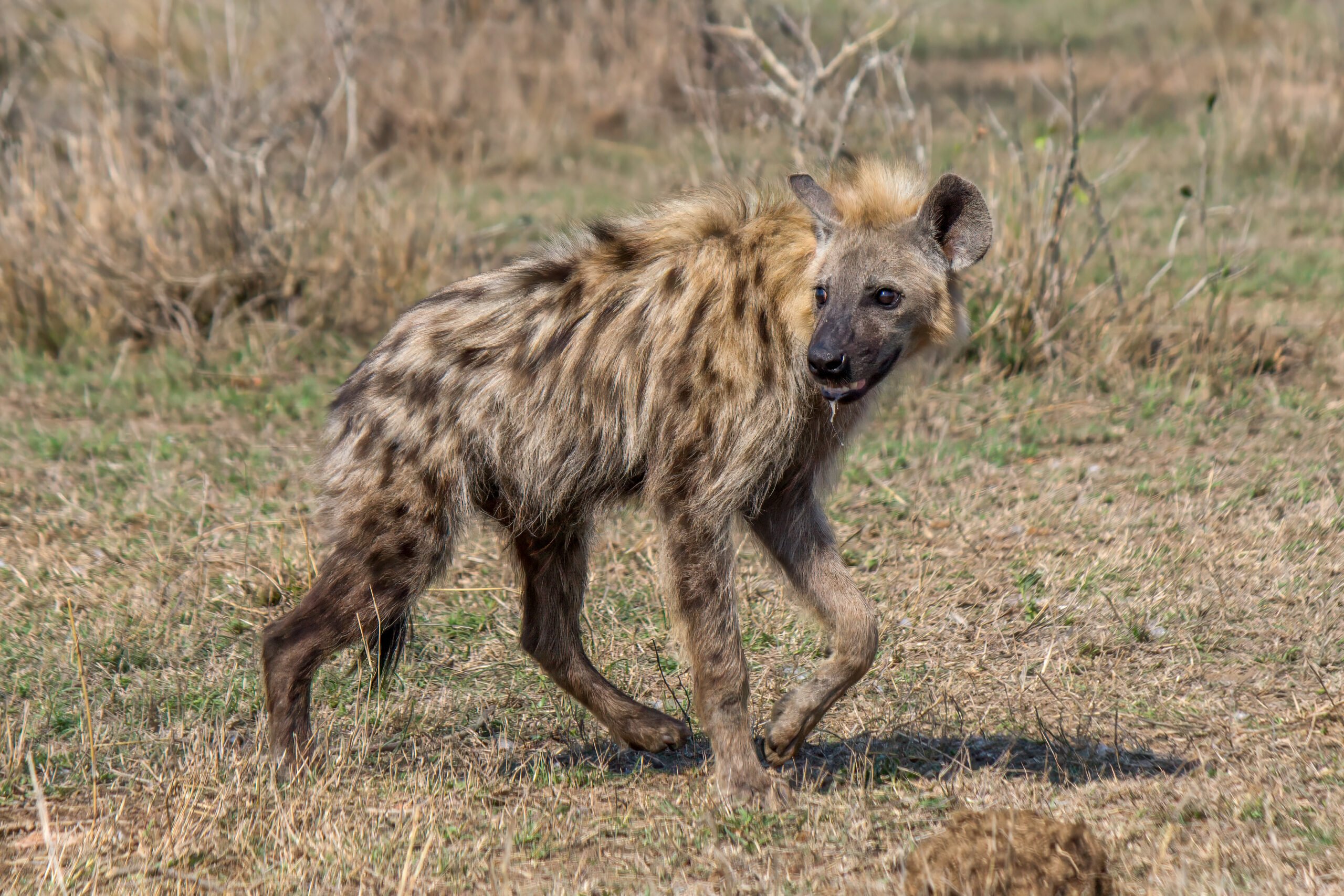
A 2026 study in the Greater Limpopo landscape examined how African lions (Panthera leo) co-occurred with cheetahs (Acinonyx jubatus), leopards (Panthera pardus), spotted hyenas (Crocuta crocuta) and African wild dogs (Lycaon pictus). The central result was that lion presence alone did not explain the patterns: access to prey, water and other key resources was strongly associated with where the carnivores occurred together.
Between February and October 2015, researchers surveyed spoor at 768 two-kilometre sites across northern Kruger National Park in South Africa and adjoining Limpopo National Park in Mozambique. The two parks provided contrasting conditions. Kruger had much higher lion and spotted-hyena densities, while Limpopo had lower prey densities and stronger human pressures including pastoralism, poaching and persecution of large carnivores.
Each species tracked its own key resources
For every carnivore, occurrence was best predicted by access to important resources. Lion occurrence in Kruger was positively associated with water availability, whereas lions in Limpopo were strongly associated with buffalo occurrence. Leopards and cheetahs in Limpopo were associated with impala, and spotted hyenas there were strongly associated with kudu.
The statistical co-occurrence patterns between lions and the other predators also varied with resource availability. In Kruger, increasing water availability was associated with lower lion–leopard and lion–cheetah co-occurrence. In Limpopo, greater buffalo occurrence was associated with lower co-occurrence for all four lion–carnivore pairs. The authors interpret these patterns as consistent with greater resource availability allowing subordinate carnivores more opportunity to avoid lions spatially.
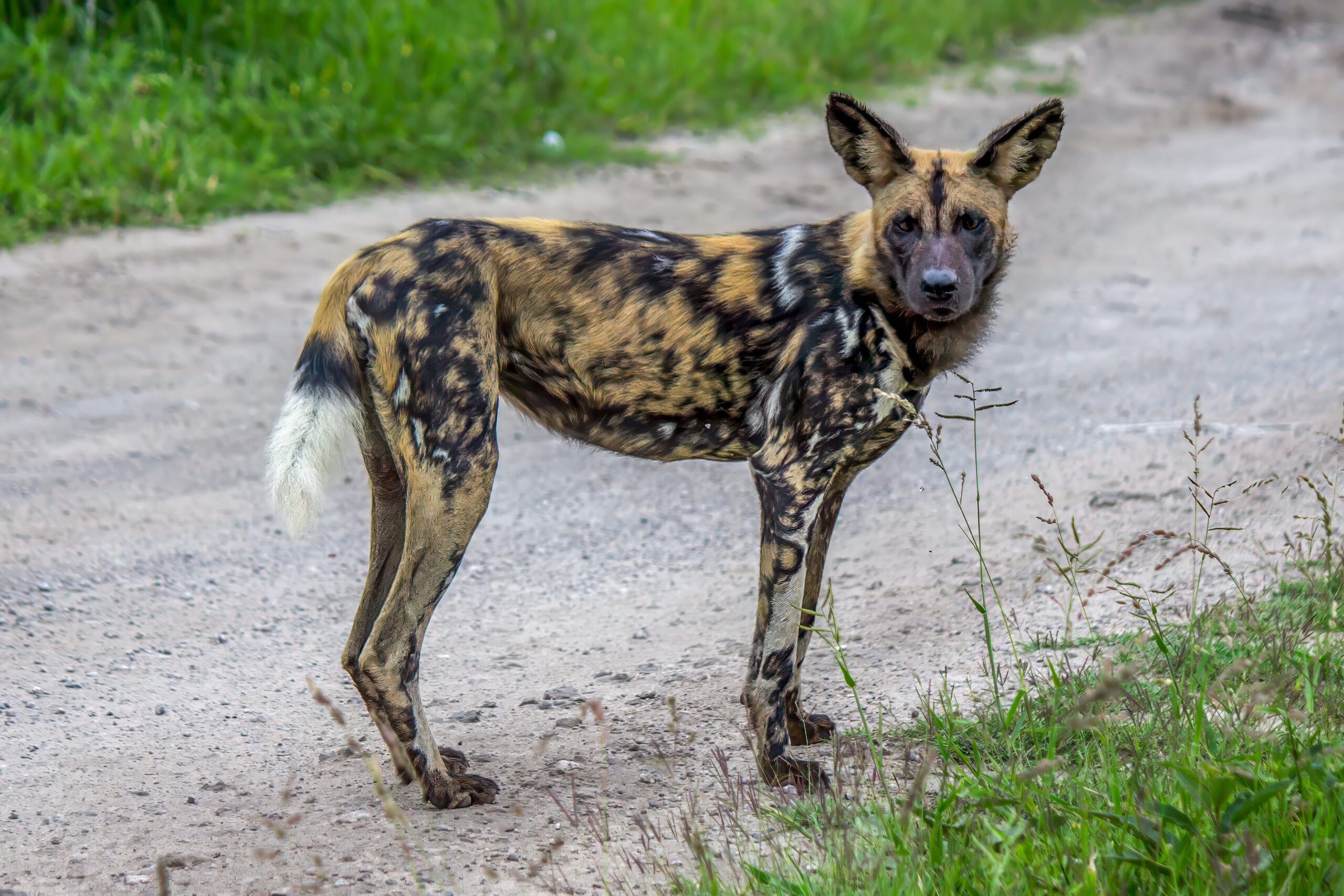
African wild dogs showed the strongest evidence of lion avoidance
The lion–African wild dog relationship provided the clearest support for the competitive-exclusion hypothesis. In Kruger, wild dogs occupied an estimated 26% of sites where lions were present and 52% of sites where lions were absent. Across the broader analysis, avoidance of lions by co-occurring carnivores generally increased as lion occurrence increased.
Some estimates were uncertain because cheetahs and African wild dogs were detected at relatively few sites: 22 and 19, respectively. The authors nevertheless conclude that resource availability and lion abundance jointly influence carnivore-community structure, with implications for protected-area management and the rewilding of landscapes containing several large predator species.
Ecology
Related news
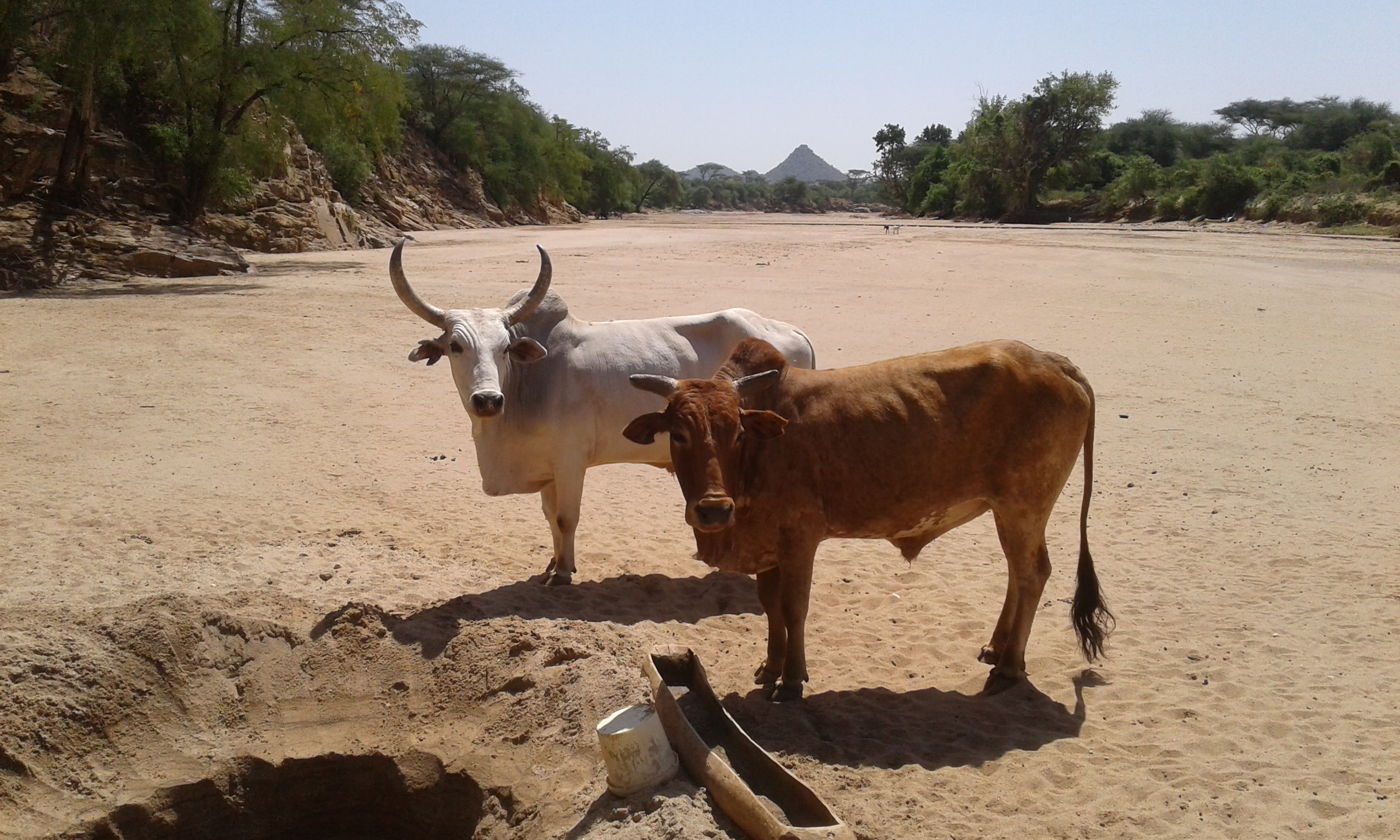
Livestock Losses Varied Strongly Among Households and Carnivores in Ethiopia’s Omo Valley
In a survey of 147 households near Omo National Park, 36.1% reported losing livestock to carnivores during the…
Read story →
Food Leaves Its Mark on the Gut Bacteria of Kruger’s Wildlife
Gut bacteria in nine mammal species from Kruger National Park followed clear patterns linked to food and digestion.…
Read story →
Livestock conflict with large carnivores is widespread across Queen Elizabeth National Park
Researchers documented 139 confirmed livestock-depredation events involving lions, leopards and spotted hyenas across 11 communities in Queen Elizabeth…
Read story →SPECIES IN THIS STORY
Species in this story
Independent research and conservation news archive
Did you find this information useful?
Wildlife Vagabond is independently built and maintained. Voluntary support helps cover source verification, hosting and continued work on research and conservation news.
Support Wildlife VagabondThe news archive will remain freely available.