
Rock Doves Had Core-like and Matrix-like Visual Brain Pathways Previously Known Only in Mammals
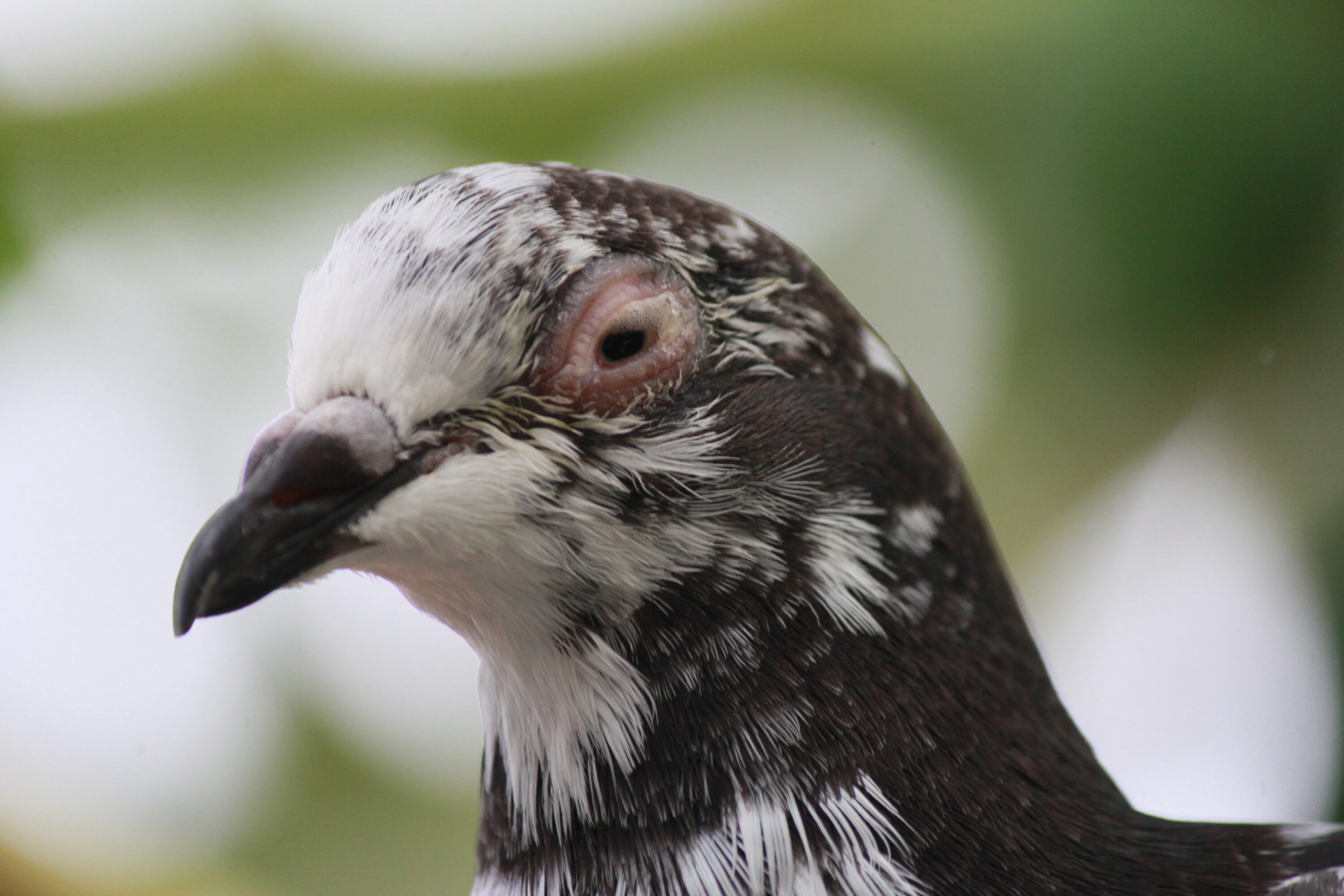
A neuroanatomical study of the rock dove (Columba livia) found two features in the avian visual system that, until now, had been described only in mammals: a reciprocal connection between a sensory thalamic nucleus and the reticular thalamic nuclei, and a broader matrix-like projection from cells surrounding that sensory nucleus. The study, first published on 28 January 2026 in the Journal of Comparative Neurology, therefore adds a new level of anatomical similarity between avian thalamopallial and mammalian thalamocortical organization.
In mammals, ascending sensory pathways from the thalamus are often described as having two broad components. Core neurons relay comparatively specific, topographically organized sensory information and participate in reciprocal circuitry with the reticular thalamic nucleus. Matrix neurons lie around sensory nuclei and send broader projections to cortical regions. Birds lack a mammalian neocortex, but their pallium also receives organized sensory input from the thalamus. The researchers asked whether birds also have a reciprocal connection with the reticular thalamic nuclei and a separate matrix projection.
They mapped connections in the pigeon visual dorsal ventricular ridge (DVR) with neural tracers that reveal where axons originate and where they terminate. In the main pathway examined here, visual information is relayed through nucleus rotundus (Rt) in the dorsal thalamus and then sent forward to the entopallium in the pallium. The entopallium forms the ventral sensory layer of the visual DVR. This well-established Rt-to-entopallium projection already has several core-like properties, but whether Rt also participated in reciprocal circuitry with the reticular thalamus was unresolved.
Nucleus rotundus formed a reciprocal core-like circuit
The tracing experiments showed connections in both directions between Rt and the reticular thalamic nuclei. Neurons in the reticular region projected to Rt, while Rt neurons also sent axon branches back into the reticular nuclei. This reciprocal arrangement resembles a defining feature of mammalian sensory core circuits.
A lesion experiment supported the same interpretation. When Rt neurons were destroyed on one side of the brain, the corresponding labelled terminals in the reticular thalamic region also disappeared. This showed that the reticular branches came from the same Rt neurons that project toward the visual pallium.
A separate cell matrix projected beyond the main sensory layer
The study also identified a second ascending system. Neurons surrounding Rt formed a continuous matrix-like field in the dorsal thalamus. Instead of terminating mainly in the entopallium, these cells projected primarily to the intermediate layer of the visual DVR and also sent axons to several associative pallial areas.
This distinction is important because the two pathways did not simply duplicate each other. Rt provided the more focused sensory projection to the entopallium and participated in the reciprocal reticular circuit, whereas the surrounding matrix-like population distributed its output more broadly through intermediate and associative pallial regions. The researchers also found descending input from the motor arcopallium to this matrix region, adding another connection between the broader thalamic system and pallial circuits.
A closer organizational parallel with mammals
The authors do not argue that a bird brain is organized like a mammalian cortex in every respect. Instead, they show that two anatomical motifs previously used to distinguish mammalian core and matrix thalamocortical pathways also occur in the pigeon thalamopallial system. Together with the already known layered organization of the avian sensory DVR, the new connections make the bird system more complex than previously recognized and more comparable, at the level of circuit organization, with the mammalian arrangement.
Anatomy & morphology
Related news
Common Kestrels Had About Twice the Tracheal Mucous-Gland Density of White Storks
A comparative study of three adult males from each of three bird species found 11.32 tracheal mucous glands…
Read story →
Laughing Dove Eye Pecten Mapped From 12–13 Pleats to Cell Markers
Researchers mapped the pecten oculi, a vascular structure unique to bird eyes, in the laughing dove. Its 12–13…
Read story →
Progressive Greying Recorded in a Laughing Dove in Asia for the First Time
An adult laughing dove photographed in Karnataka, India, had localised white feathers on the head and shoulder region.…
Read story →SPECIES IN THIS STORY
Species in this story
Independent research and conservation news archive
Did you find this information useful?
Wildlife Vagabond is independently built and maintained. Voluntary support helps cover source verification, hosting and continued work on research and conservation news.
Support Wildlife VagabondThe news archive will remain freely available.