
Plains Zebras Favoured a Less Available Grass in Maputo National Park
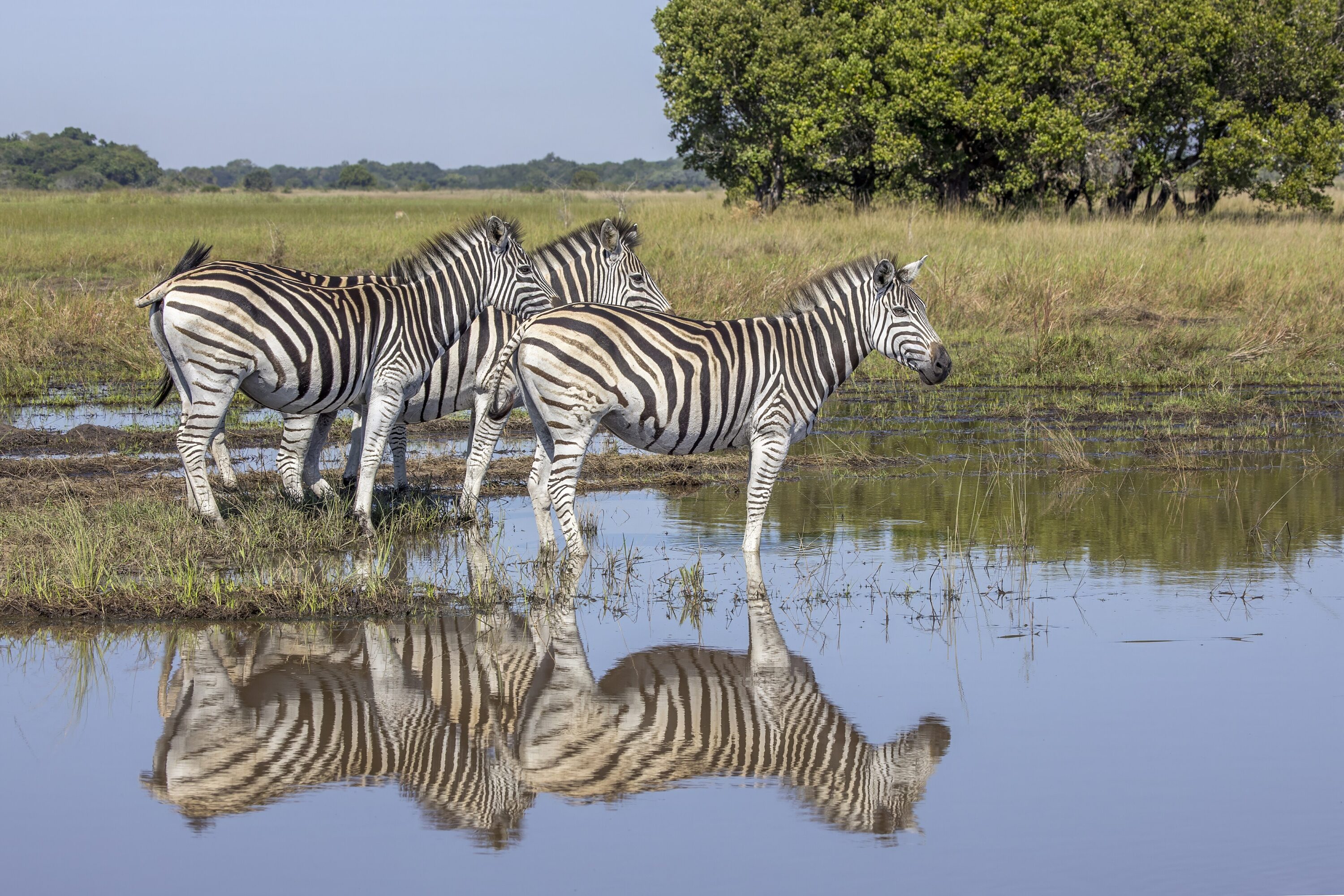
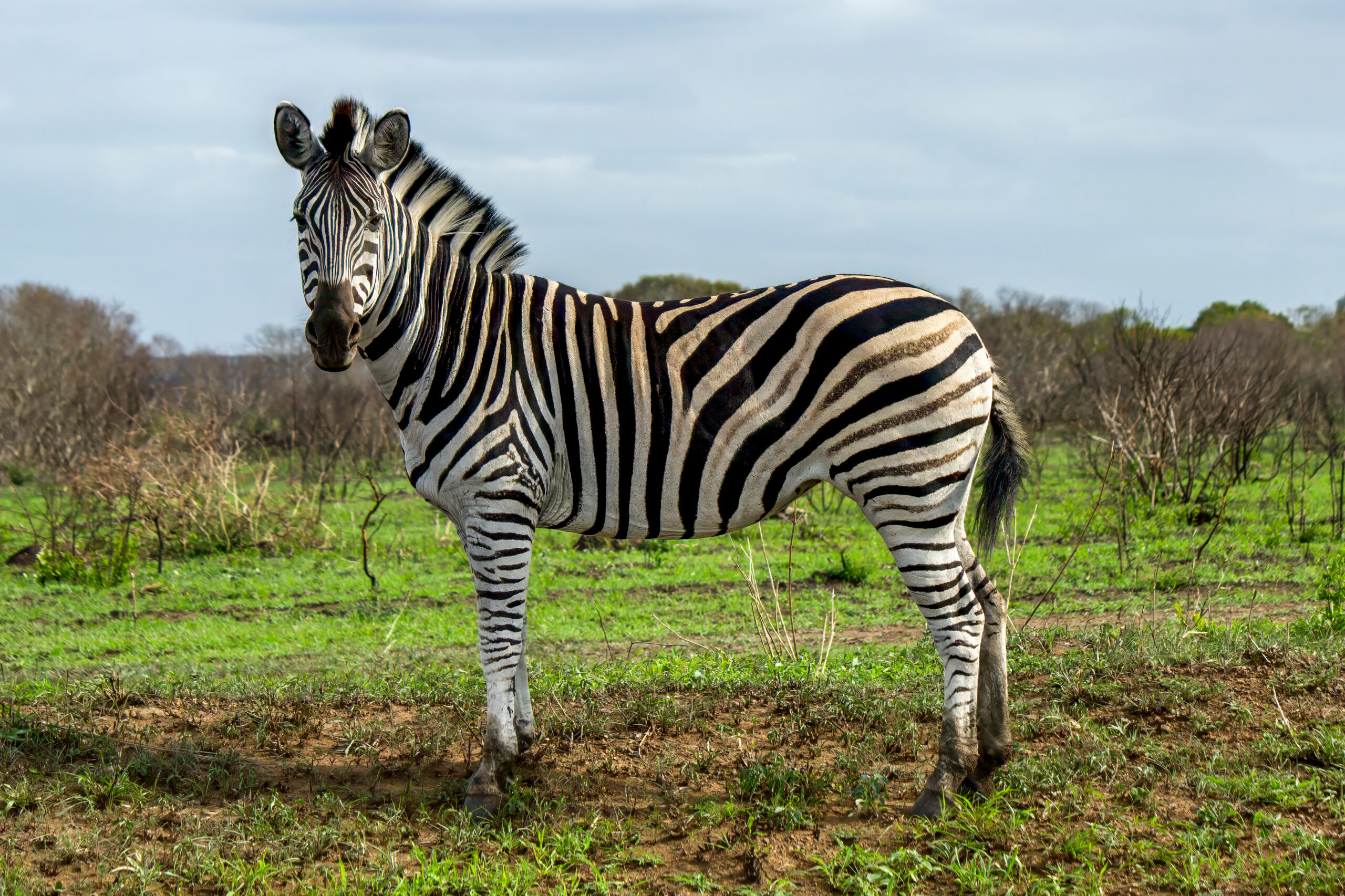
A field study in Maputo National Park, Mozambique, found selective grazing by plains zebras (Equus quagga). Researchers recorded 14 grass species around feeding sites, 12 of which were eaten. Cymbopogon caesius stood out as the preferred species even though several other grasses were more widely available.
Data were collected in January 2024. Researchers drove mapped routes during the main feeding periods, observed herds, followed a focal animal for 15 minutes and then inspected the feeding site for freshly grazed plants. In total, 77 vegetation plots were established at feeding locations.
Availability alone did not explain what the zebras ate
Aristida barbicollis, Urochloa panicoides and Themeda triandra were among the grasses most frequently available. Cymbopogon caesius, however, was widely consumed despite its lower availability. The authors interpret this as evidence that forage choice reflected more than abundance alone and point to palatability and nutritional quality as likely contributors.
When consumption was compared with availability, Aristida barbicollis, Brachiaria eruciformis, Digitaria eriantha and Panicum maximum were eaten frequently when they were available. The results therefore show a combination of selective use of some less abundant grasses and frequent use of species that were readily available.
The diet drew on a broad set of grasses
The feeding-niche analysis showed substantial overlap in the use of grass species. The authors interpret the broad use of available grasses as consistent with substantial plant diversity and a well-supplied grazing system. That broader ecological interpretation comes from the authors; the field data themselves document which grasses were present, which were eaten and how often they were accepted when available.
The study concludes that management of large herbivores in Maputo National Park should consider not only total grass biomass but also the diversity, quality and distribution of forage species. The authors argue that maintaining a varied grass community is important for sustaining the park’s herbivore populations.
Ecology
Related news
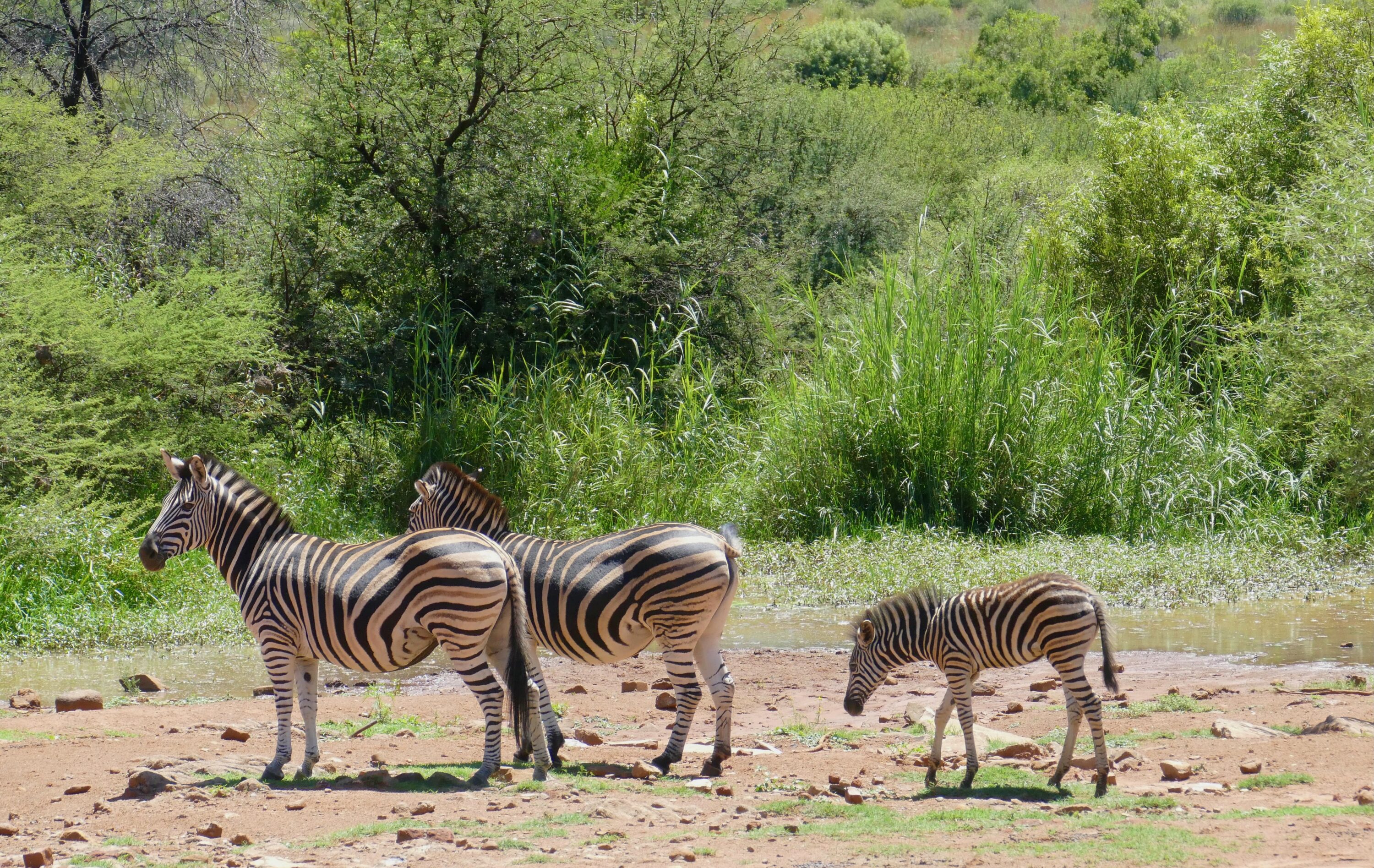
Zebra Group Departures Were Linked to Visual and Tactile Behaviours
Observations of 43 wild zebra group departures in South Africa found that head movements, contact, standing and changes…
Read story →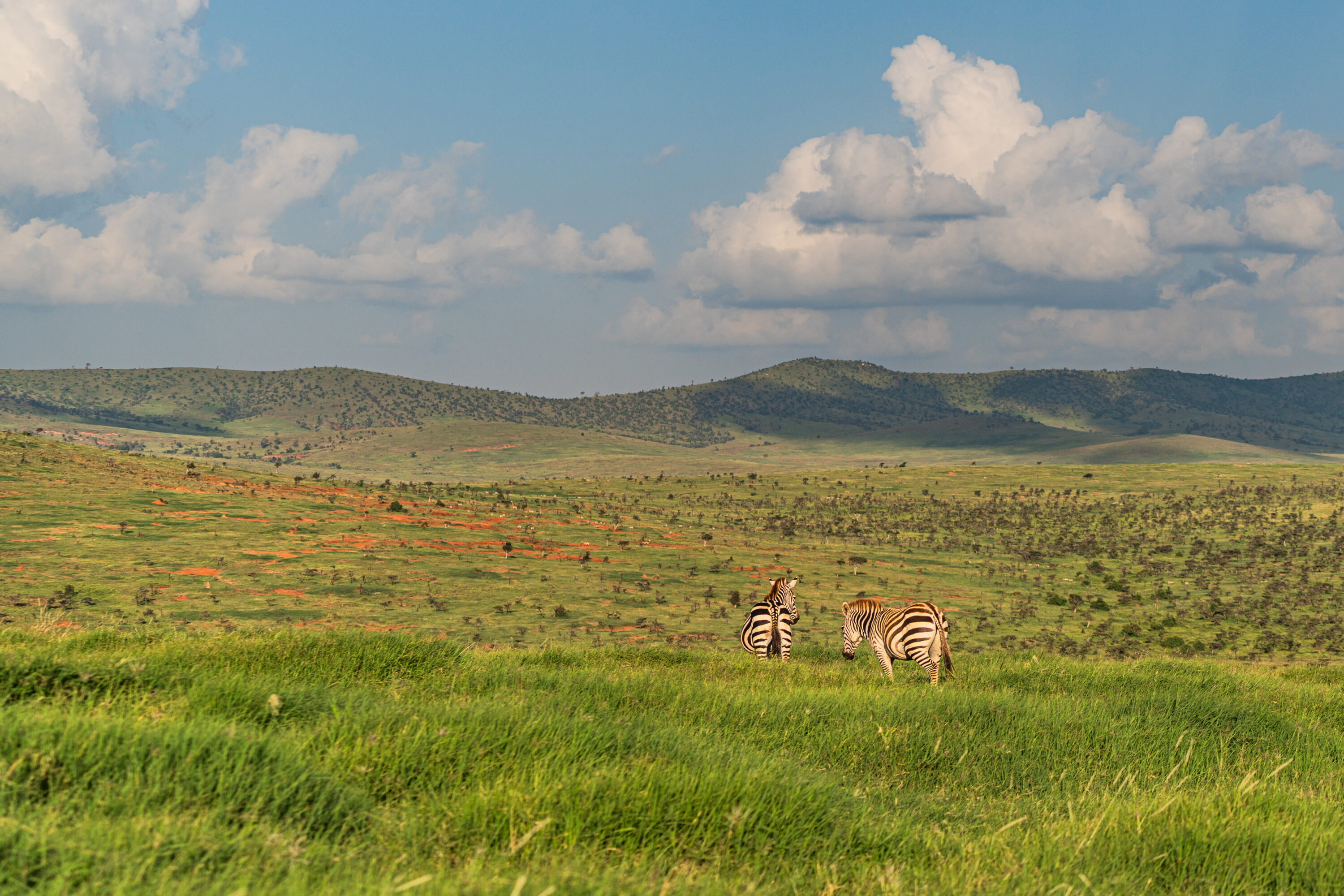
First Reported Giardia Detections in Four Wild Herbivore Species in Kenya
Molecular screening of wildlife and livestock in Laikipia produced the first reported Giardia detections in African buffalo, plains…
Read story →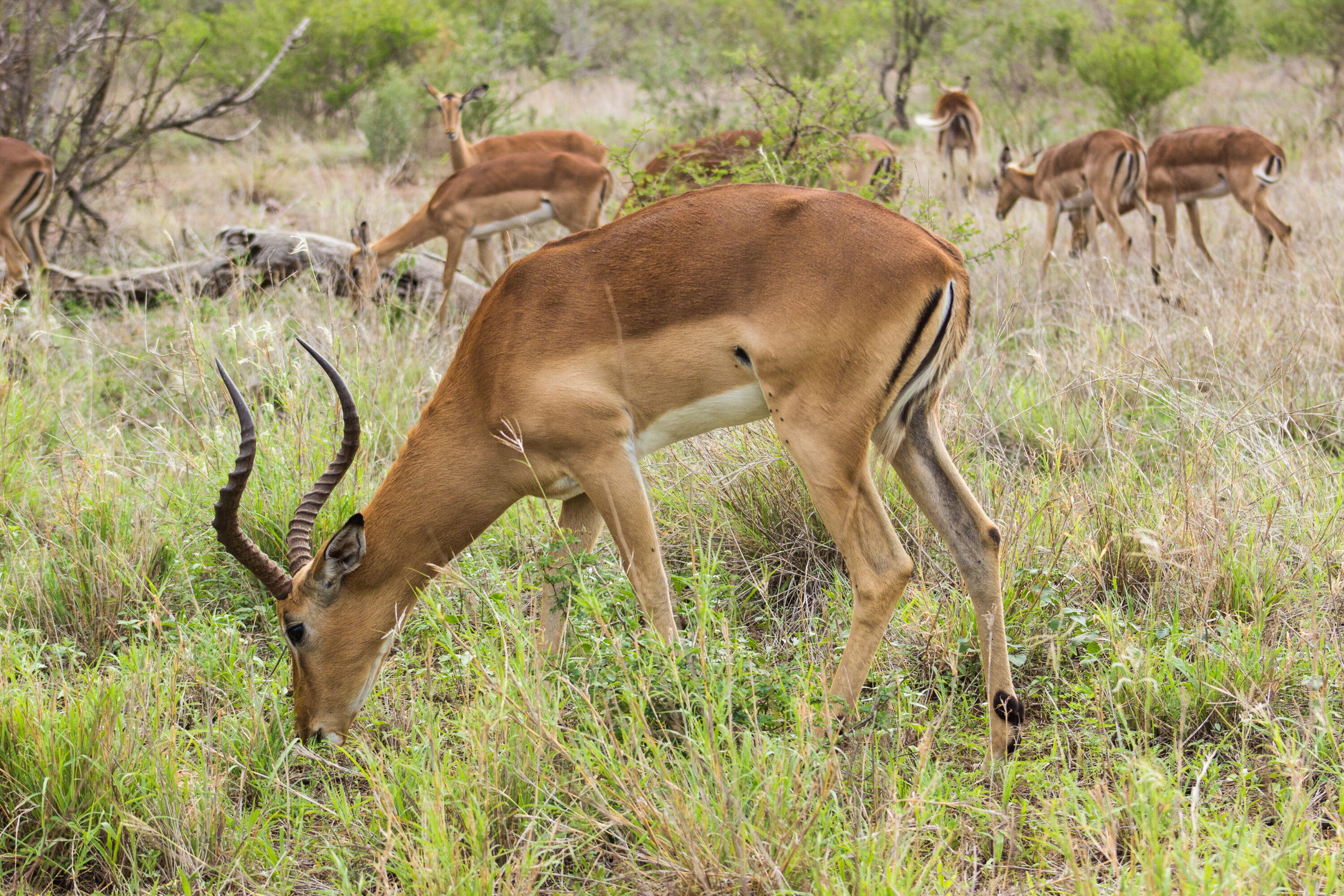
Impala fGCM Levels Were 57% Higher on Dry-Season Weekends in Four-Species Tourism Study
At Somabula, impala fGCM levels were about 57% higher over dry-season weekends than weekdays, while the other three…
Read story →SPECIES IN THIS STORY
Species in this story
Independent research and conservation news archive
Did you find this information useful?
Wildlife Vagabond is independently built and maintained. Voluntary support helps cover source verification, hosting and continued work on research and conservation news.
Support Wildlife VagabondThe news archive will remain freely available.