
Impala fGCM Levels Were 57% Higher on Dry-Season Weekends in Four-Species Tourism Study
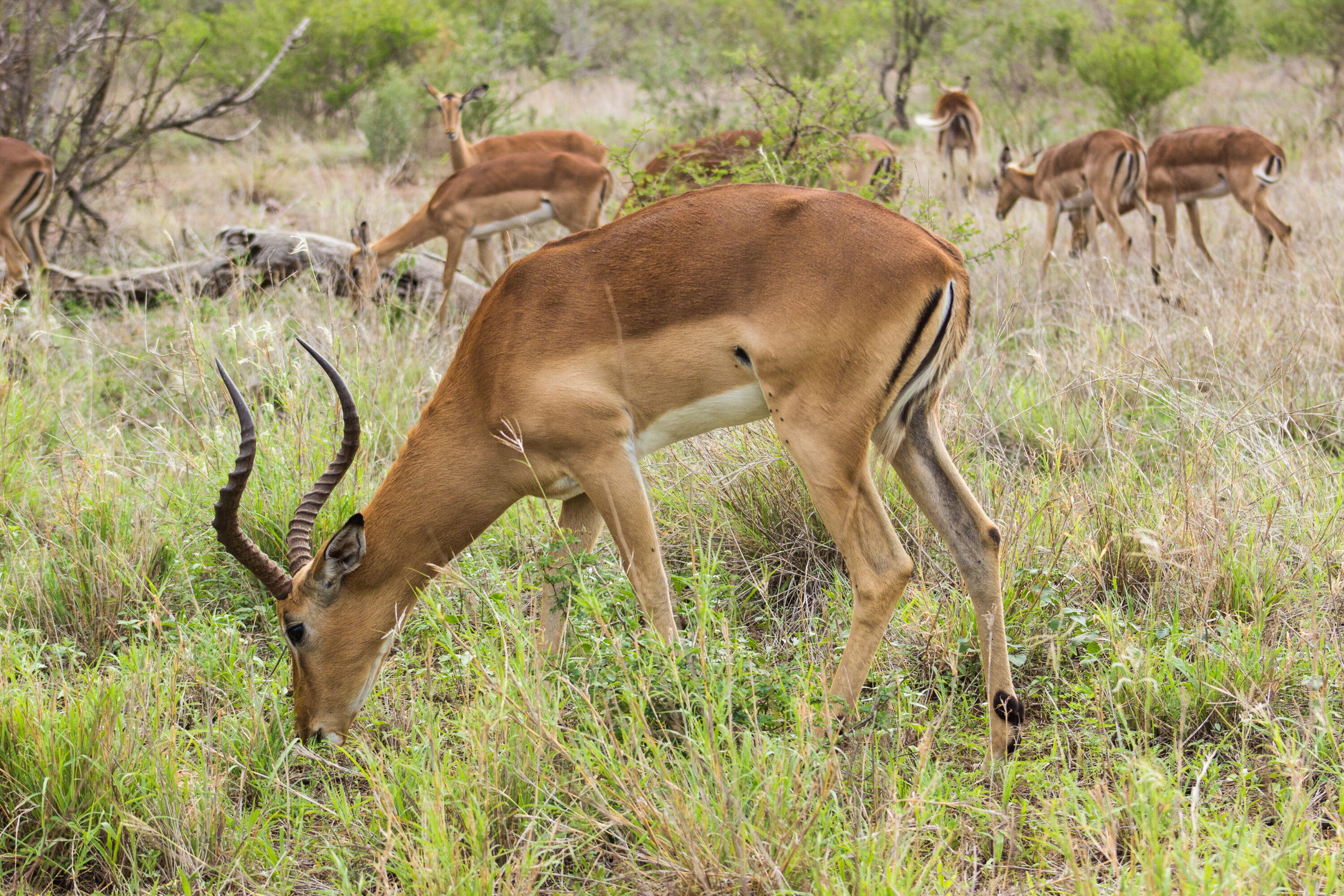
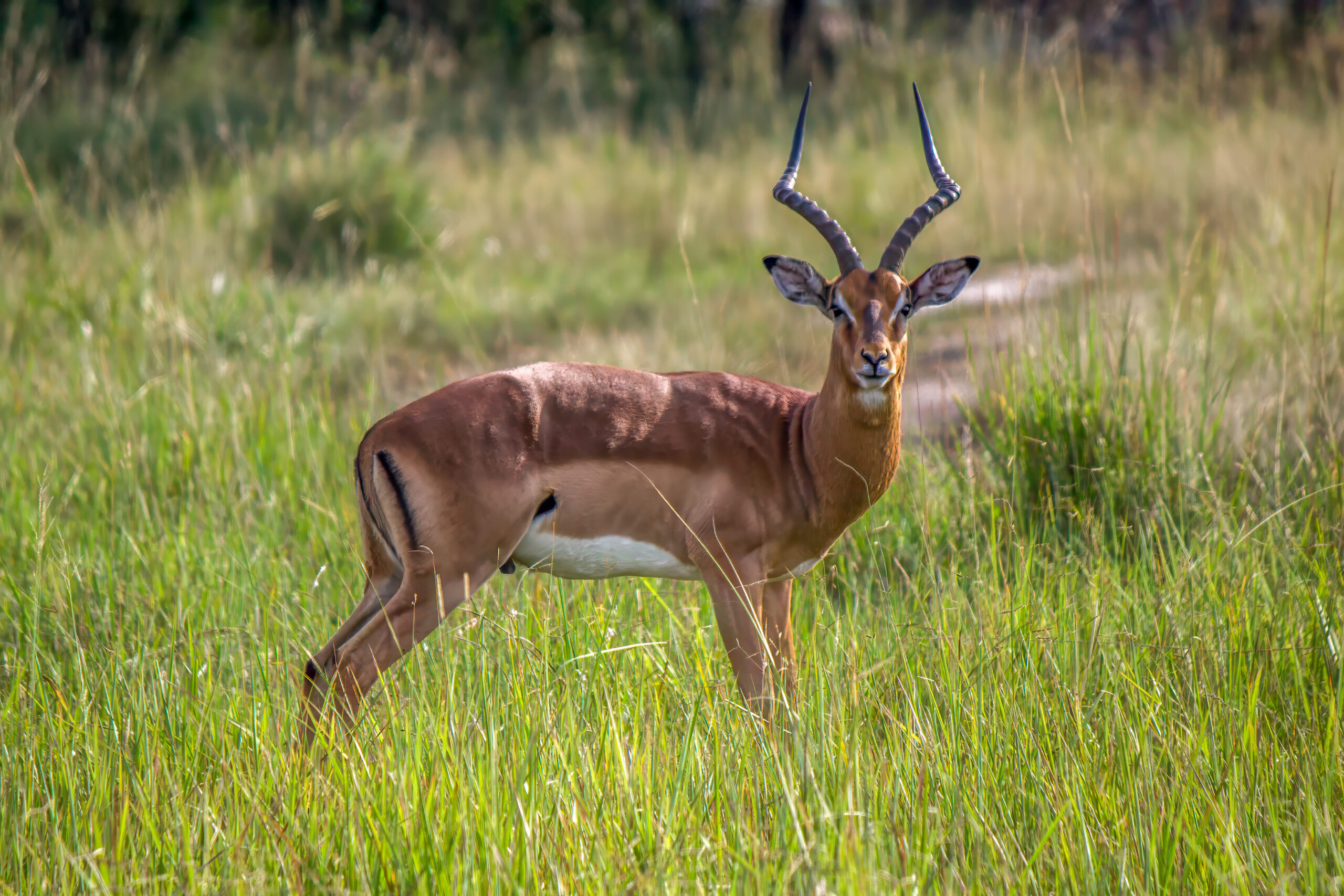
A four-species study at Somabula Nature Reserve in Gauteng, South Africa, found that ecological and reproductive conditions generally explained more variation in stress-related endocrine activity than tourist pressure. The clearest tourism-associated signal occurred in impala (Aepyceros melampus): during the dry season, faecal glucocorticoid metabolite concentrations were about 57% higher over weekends than on weekdays.
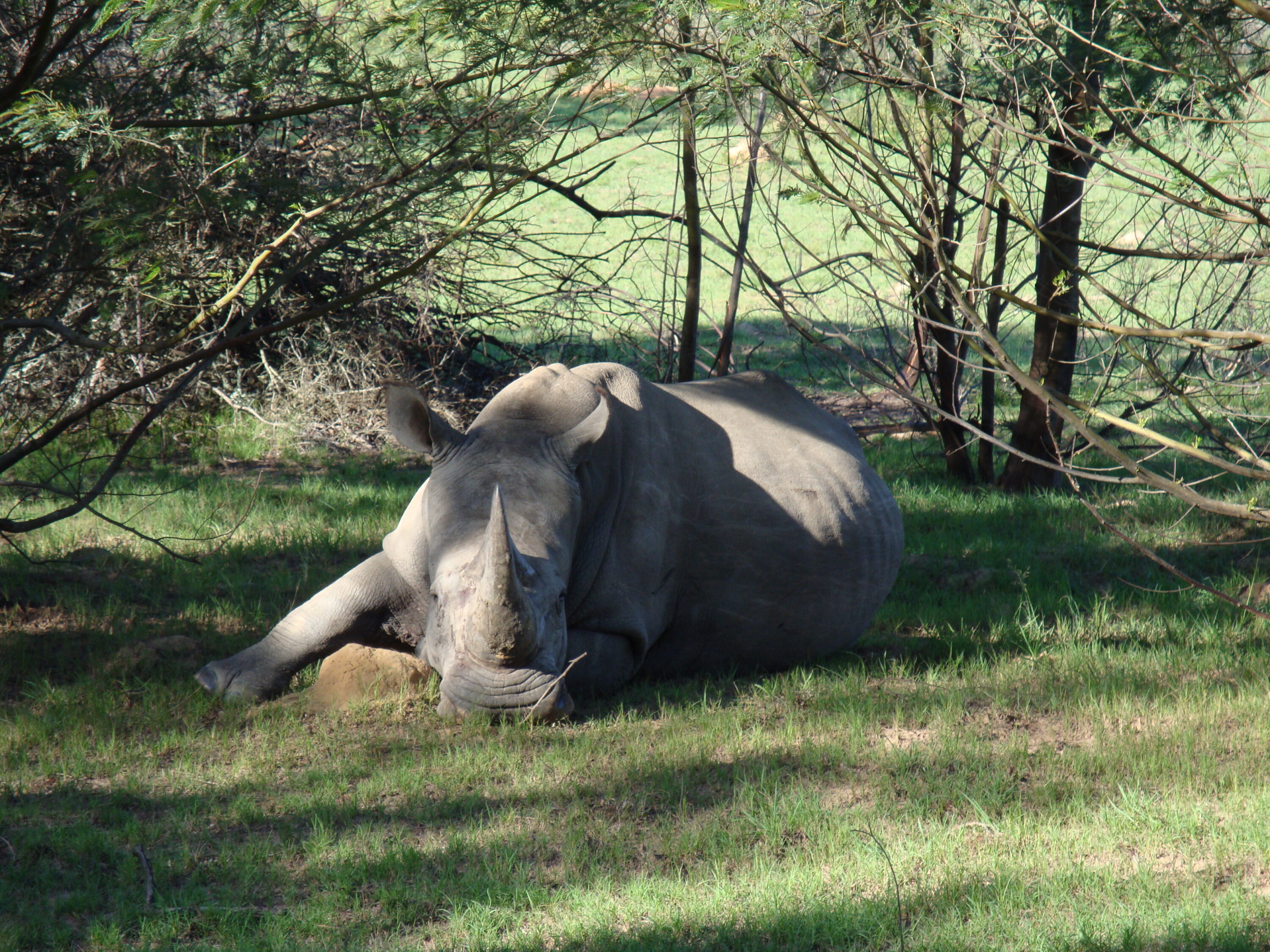
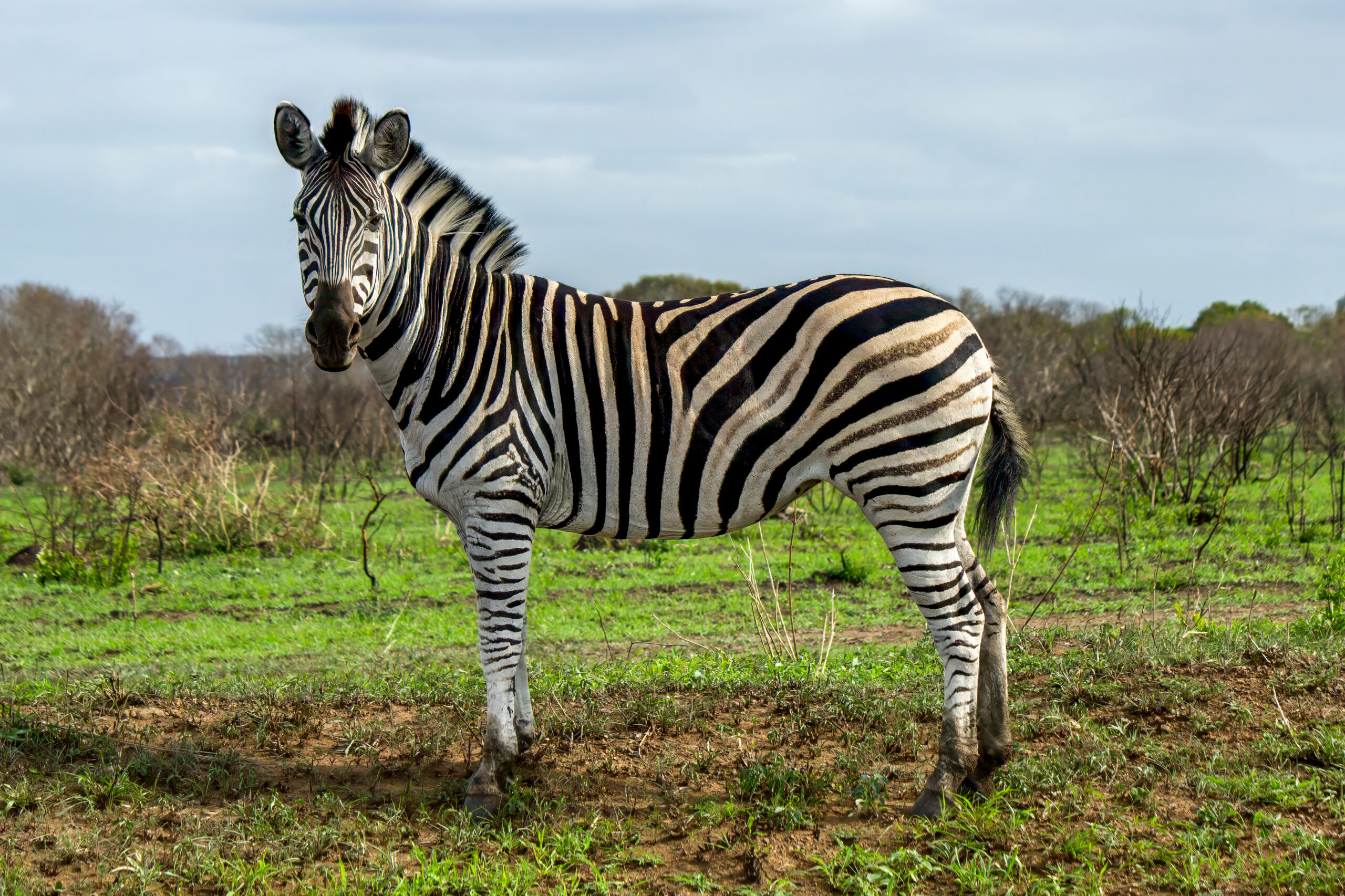
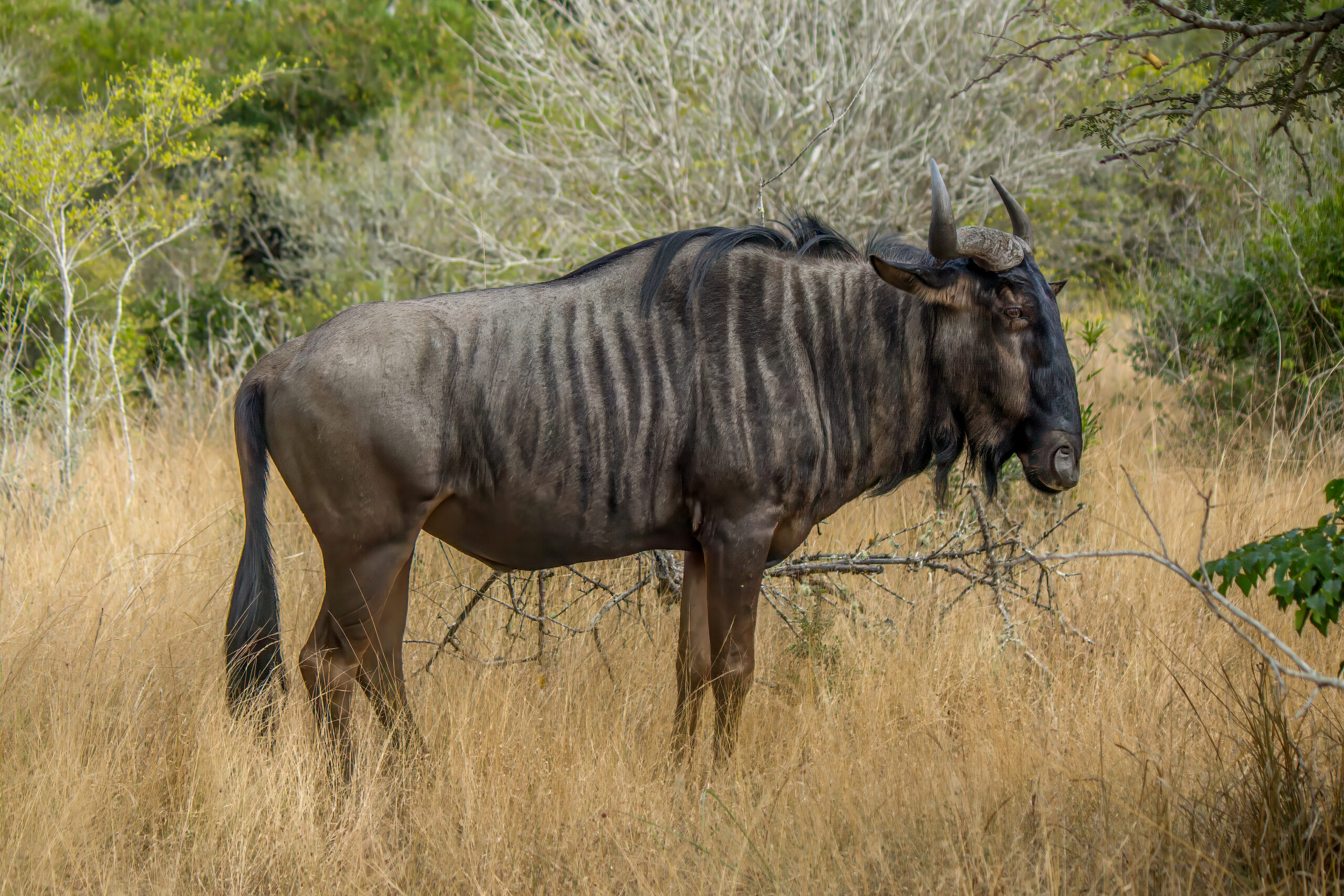
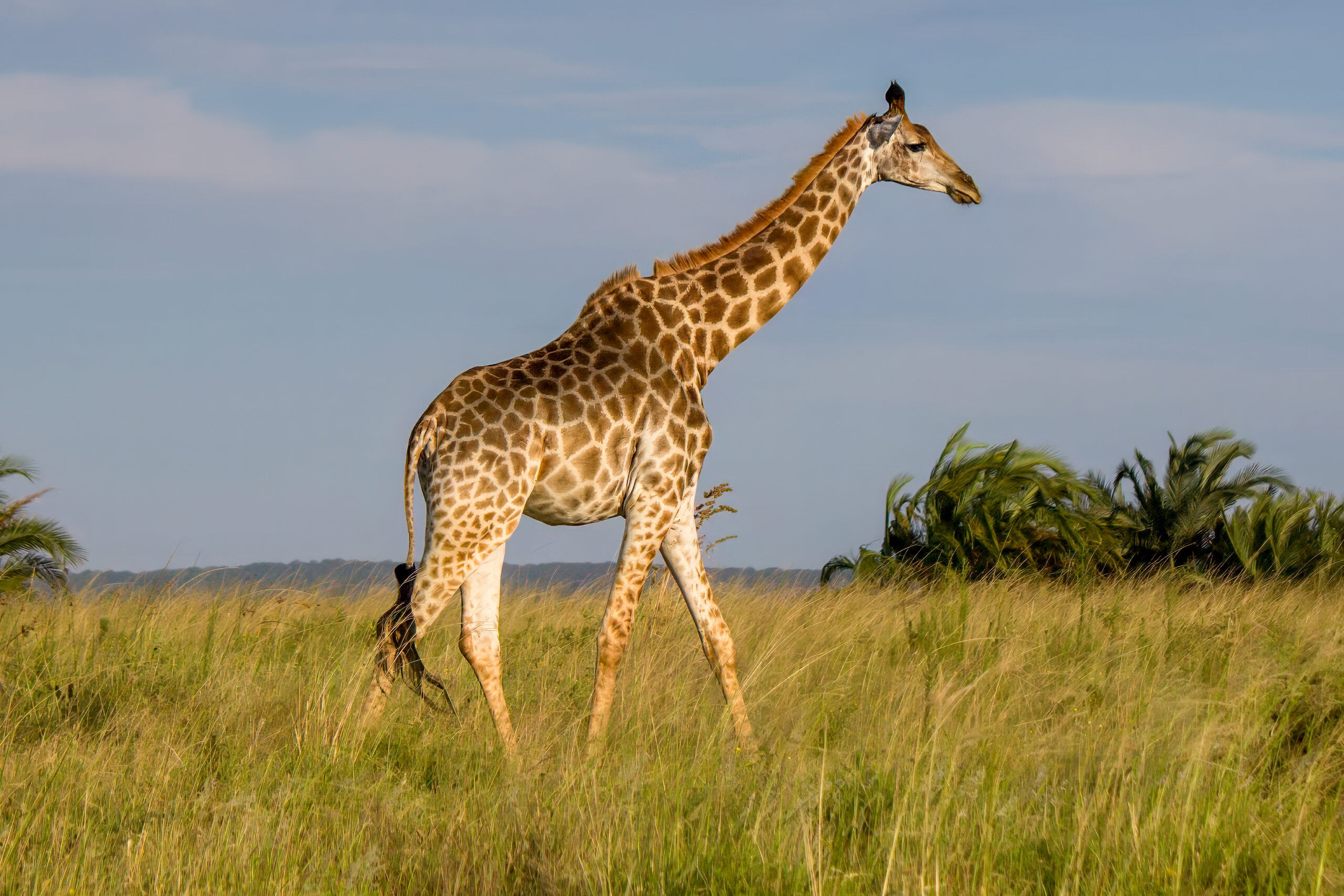
The study also included plains zebra (Equus quagga), blue wildebeest (Connochaetes taurinus) and southern giraffe (Giraffa giraffa). The paper used the broader scientific name Giraffa camelopardalis; under the current species treatment, these South African animals are southern giraffe.
fGCMs measure stress-related endocrine activity, not harmful stress directly
Researchers collected 533 fresh faecal samples after observing known animals defecate: 108 from impala, 133 from zebra, 217 from blue wildebeest and 75 from giraffe. Previously validated species-specific enzyme immunoassays were used to measure faecal glucocorticoid metabolites, or fGCMs.
Glucocorticoids help animals mobilise physiologically when ecological, social or other demands increase. Higher fGCM concentrations can therefore reflect normal adaptive responses to challenges such as food shortage, reproduction or disturbance; they are not by themselves evidence of chronic stress or poor welfare.
Seasonal patterns differed strongly among species
Impala fGCM concentrations were about 93% higher in the dry season than in the wet season, and zebra showed the same direction with an increase of about 24%. The authors link this mainly to poorer forage and greater competition around limited resources during the dry season in a fenced reserve.
Blue wildebeest showed the opposite pattern, with mean fGCM concentrations about 31% higher in the wet season. Sampling then overlapped with reproductive and social processes including calving, maternal investment and post-rut restructuring.
Giraffe showed no clear seasonal change. Sex was more important: females averaged about 53% higher fGCM concentrations than males. Two of the five females were visibly pregnant during both sampling seasons and gave birth in March 2023, making pregnancy-related endocrine changes a plausible contributor.
Only impala showed a clear weekend effect
Tourist activity was higher over weekends. Because faecal metabolites reflect hormone activity some time before defecation, samples collected from Tuesday to Friday represented weekday conditions, while samples from Saturday to Monday represented the preceding weekend period.
During the dry season, impala fGCM concentrations were about 57% higher over weekends than on weekdays. No clear weekend effect appeared in impala during the wet season, and blue wildebeest, zebra and giraffe showed no significant time-of-week effect.
The authors interpret this pattern as evidence that tourism-related disturbance may add to ecological pressure when conditions are already demanding. They discuss impala’s smaller body size, vigilance and social behaviour as possible reasons for greater sensitivity, but these mechanisms were not tested directly.
The study measured tourist intensity, not individual encounters
The researchers did not record each tourist’s behaviour, activity or distance from the sampled animals. Hiking, cycling, camping and self-drive traffic therefore could not be separated as individual sources of disturbance, and elevated fGCM values cannot be translated directly into impaired welfare.
The broader result is consequently more nuanced than “tourism raises stress”. Seasonal ecology, reproduction and sex accounted for major species-specific variation, while the clearest tourism-associated signal was an additional dry-season weekend increase in impala. The study therefore supports species- and season-specific management rather than assuming that all ungulates respond to visitors in the same way.
Physiology
Related news
More Sensitive PCR Revealed Rickettsia DNA in Six New South African Wildlife Hosts
Nested PCR detected Rickettsia DNA in 32 of 73 previously negative wildlife samples and produced first host records…
Read story →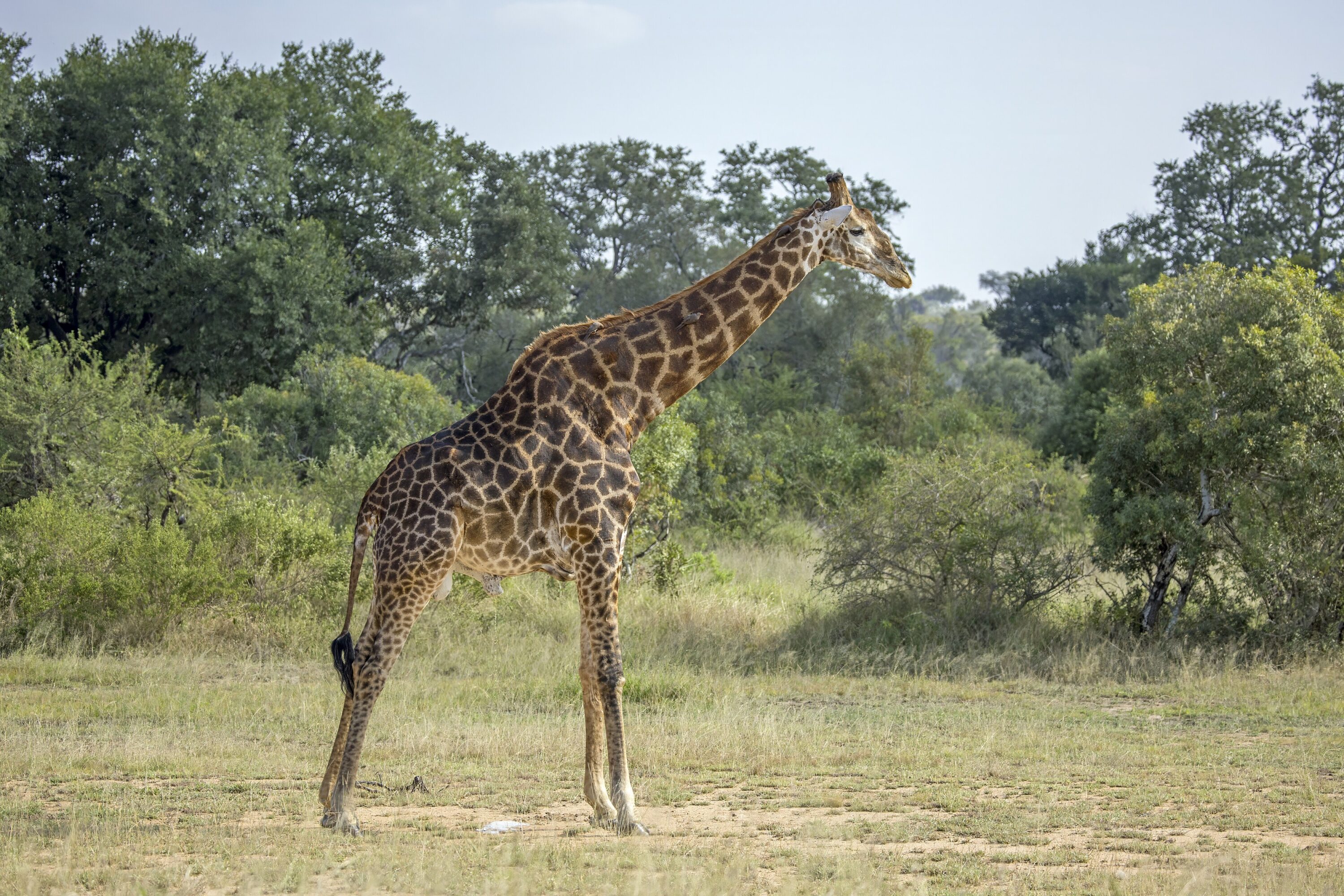
Kruger Herbivores Concentrated Around Reservoirs, but Three Species Favoured Undammed Drainages
Camera traps around 11 reservoirs and 11 undammed drainages in Kruger found higher modelled metabolic biomass around reservoirs…
Read story →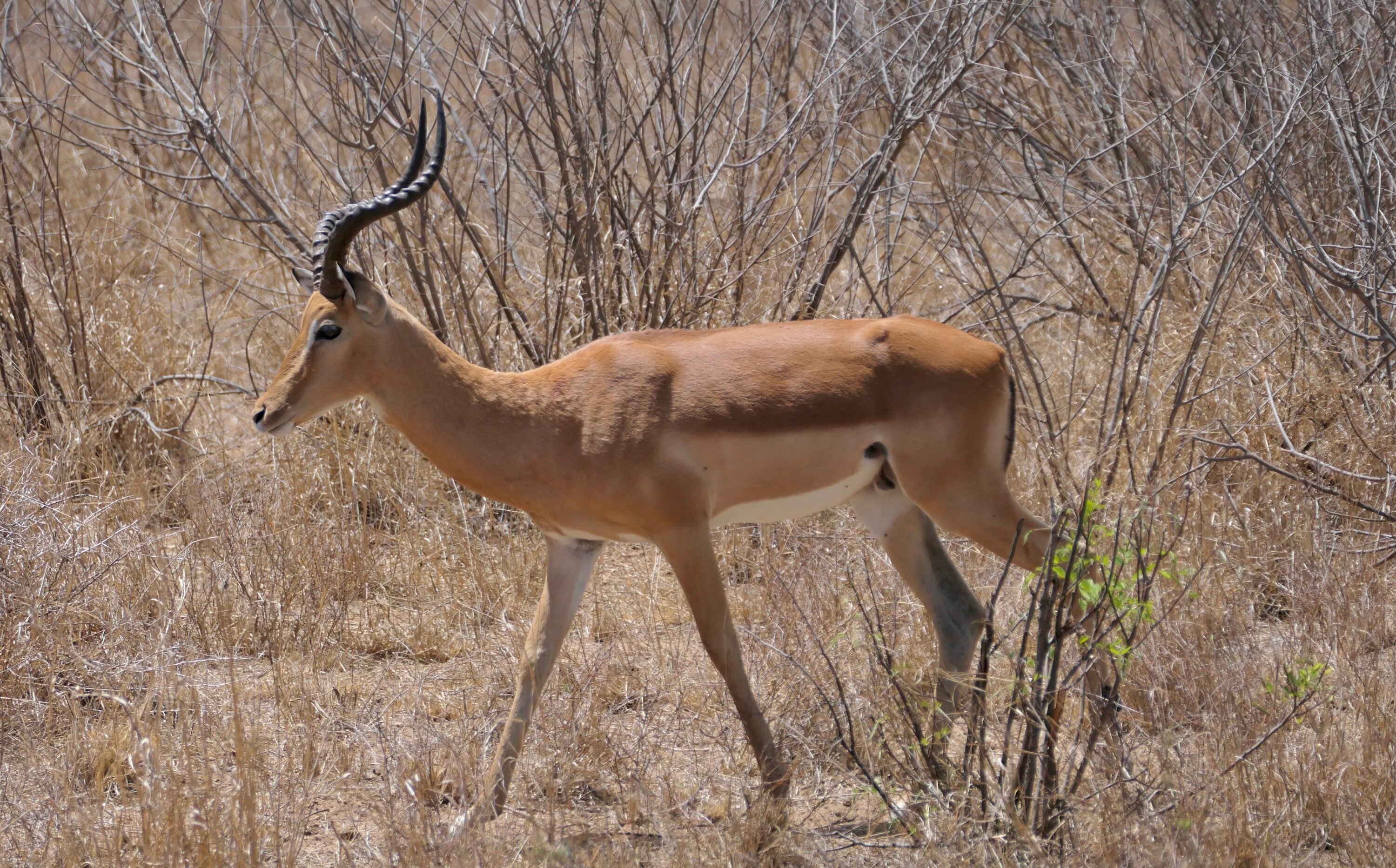
Faecal egg counts missed many nematode infections in African ungulates
In Kruger National Park, egg counts in faeces often detected fewer infections than counts of adult worms recovered…
Read story →SPECIES IN THIS STORY
Species in this story
Independent research and conservation news archive
Did you find this information useful?
Wildlife Vagabond is independently built and maintained. Voluntary support helps cover source verification, hosting and continued work on research and conservation news.
Support Wildlife VagabondThe news archive will remain freely available.