
Portable Sequencing Produced a Chromosome-Level Genome for Desert Coachwhip
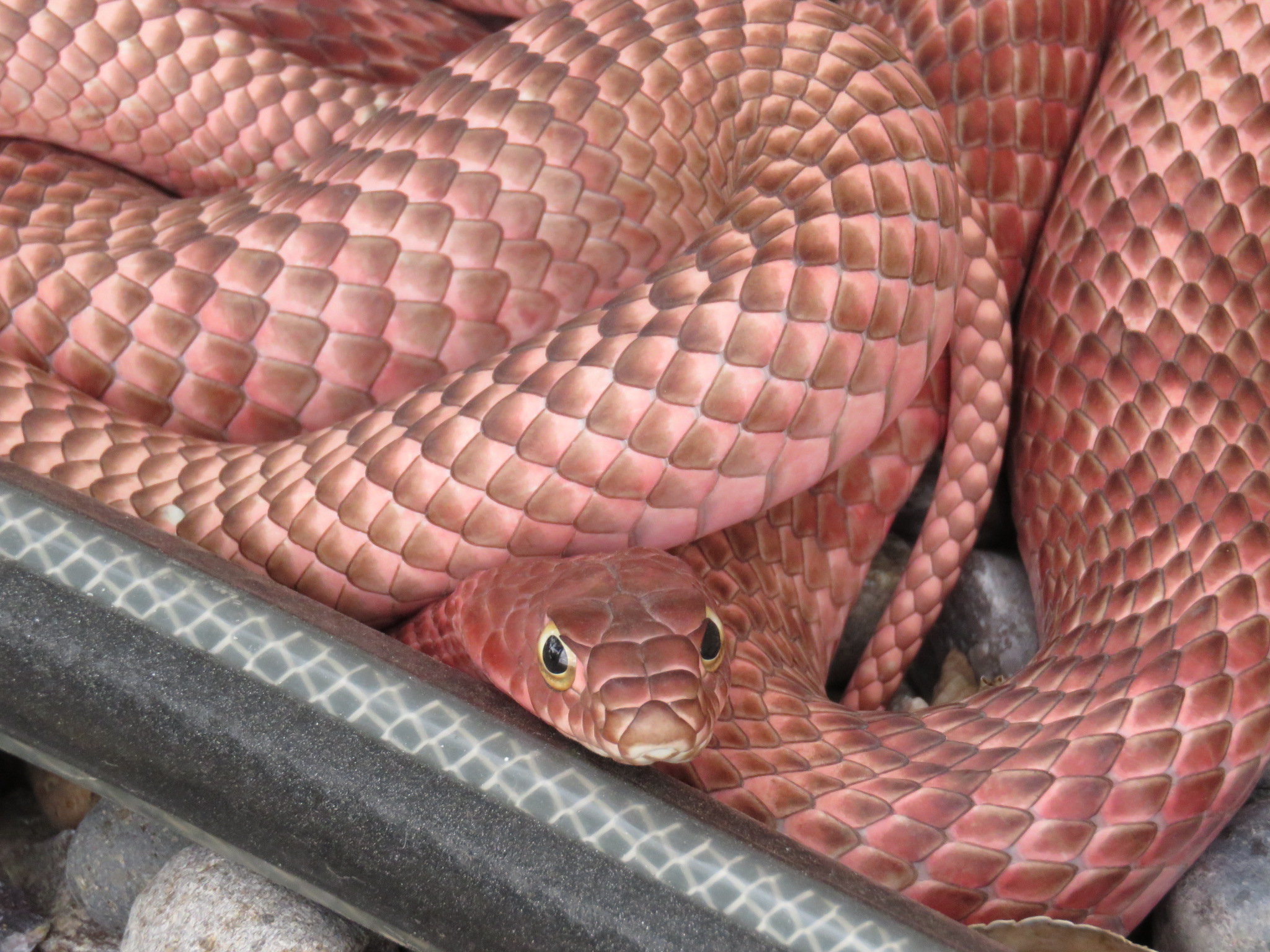
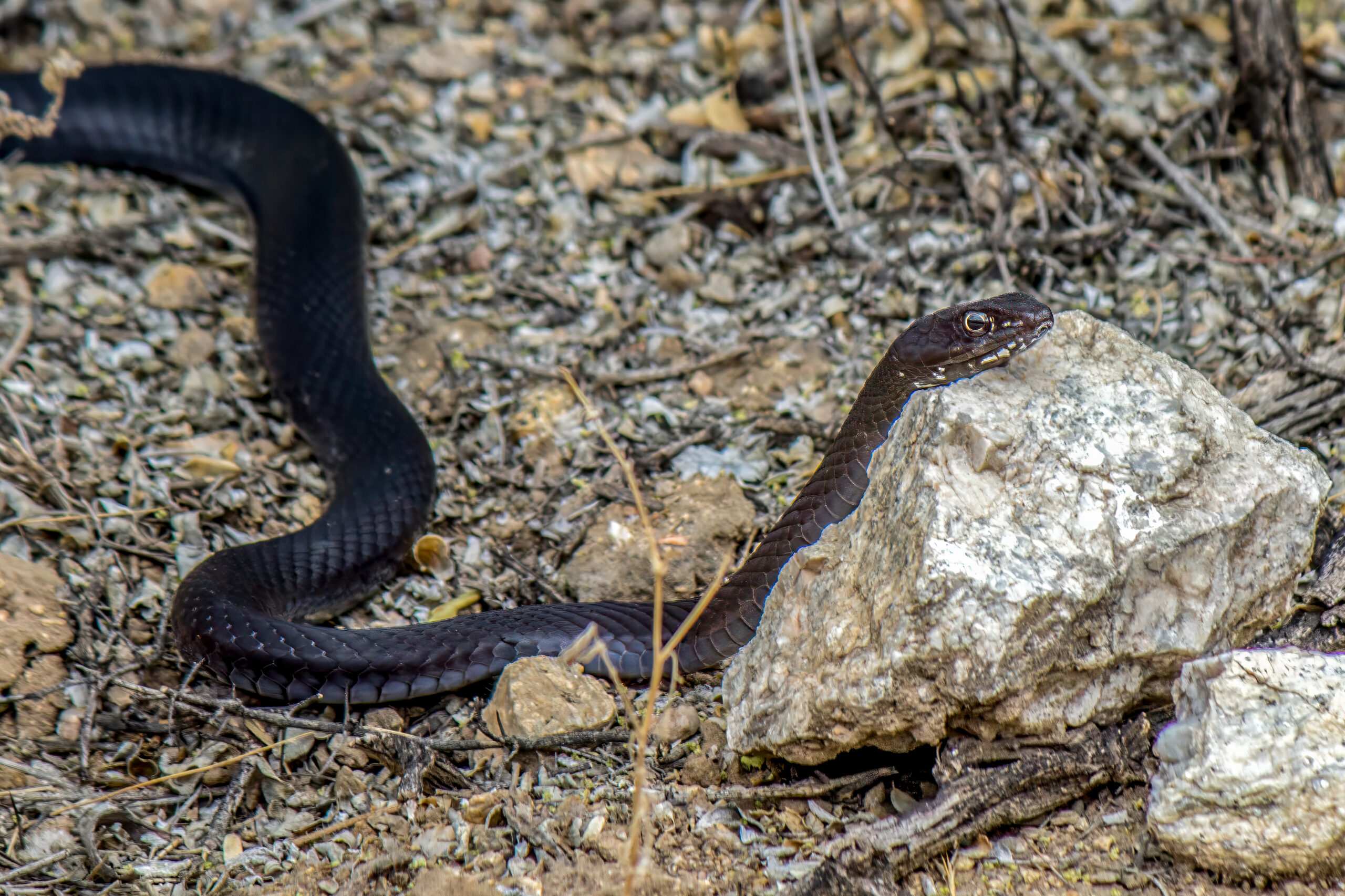
Researchers assembled nuclear and mitochondrial genomes for a male desert coachwhip (Masticophis piceus) using only nanopore sequencing data. The paper identified the sampled snake under the older combination Masticophis flagellum piceus, commonly called red coachwhip. The DNA came from a road-killed snake collected in southern Nevada, and sequencing was carried out in a simulated mobile laboratory using portable equipment and a laptop.
The Nuclear Genome Reached 97.7% BUSCO Completeness
The nuclear genome measured 1.61 billion base pairs. Almost all of the assembled DNA could be ordered into 18 chromosome-scale sequences: eight macrochromosomes and ten microchromosomes. Only a small remainder stayed unplaced. The genome reached a BUSCO completeness score of 97.7%, meaning that 97.7% of a standard set of conserved genes expected in this group was represented.
Genome annotation — the process of identifying likely genes and other functional regions in the assembled sequence — identified 19,832 loci, including 18,025 protein-coding genes. The researchers also assembled a mitochondrial genome of 17,119 base pairs containing 13 protein-coding genes, 22 transfer-RNA genes and two ribosomal-RNA genes.
A Chromosome-Level Assembly From Portable Nanopore Sequencing
The researchers used the long nanopore reads to assemble the sequence and a related snake genome to help order the resulting pieces along chromosomes. Eighteen chromosome-scale sequences were produced, while the remaining small unplaced pieces represented only a tiny fraction of the assembly. DNA isolated in the field produced the longest reads, although additional DNA preparations were later needed to obtain enough sequence depth. Bioinformatic analyses were carried out both locally and remotely.
The authors present the workflow as evidence that high-quality vertebrate genome sequencing can be decentralised and made more portable, while noting that data processing and transfer remain practical bottlenecks for fully field-based genomics.
Genetics & genomics
Related news
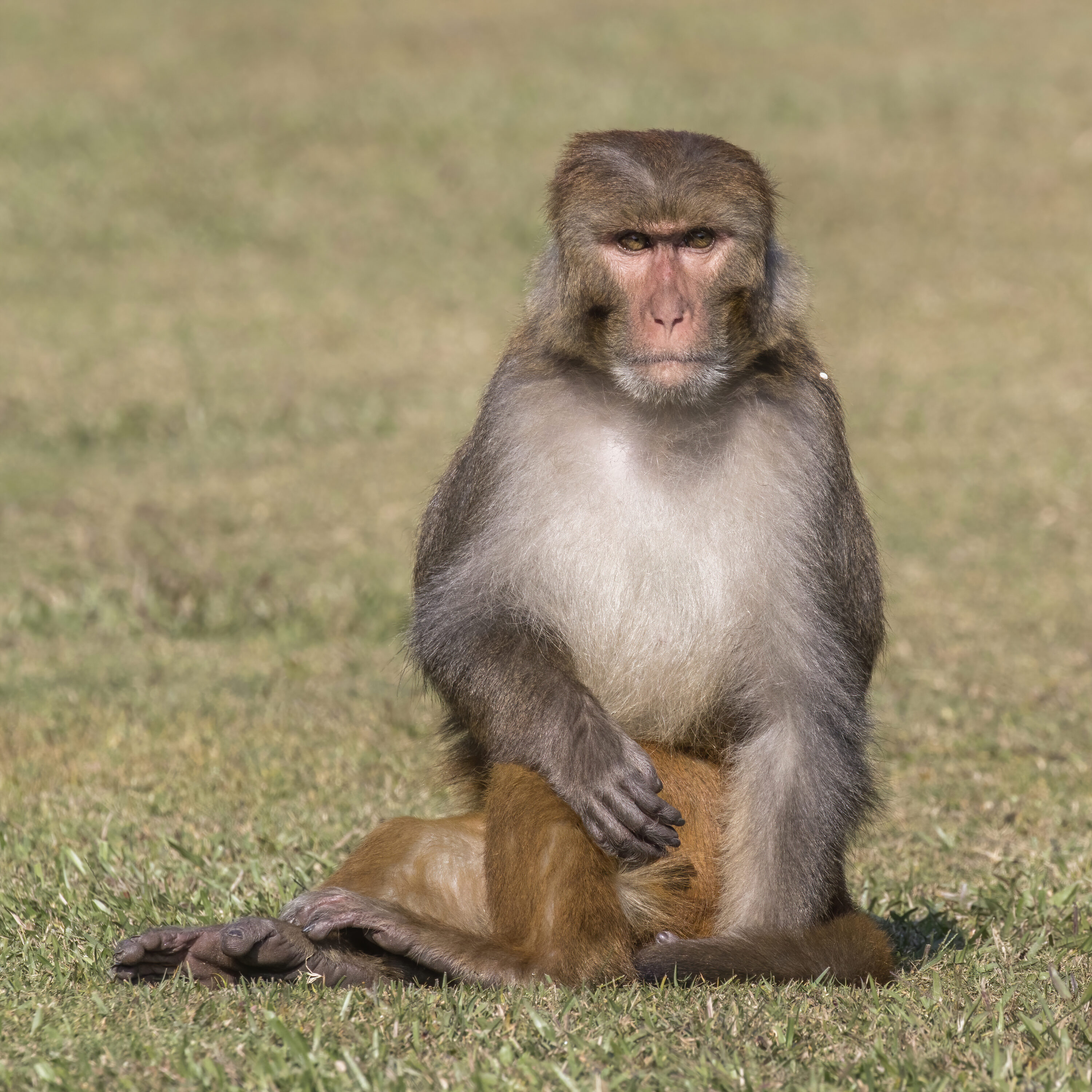
mFISH Mapped 16 of 22 Rhesus Macaque Chromosome Types to a Single Human Chromosome
Human chromosome-painting probes showed one-to-one homology for 16 of 22 rhesus macaque chromosome types, while three macaque chromosomes…
Read story →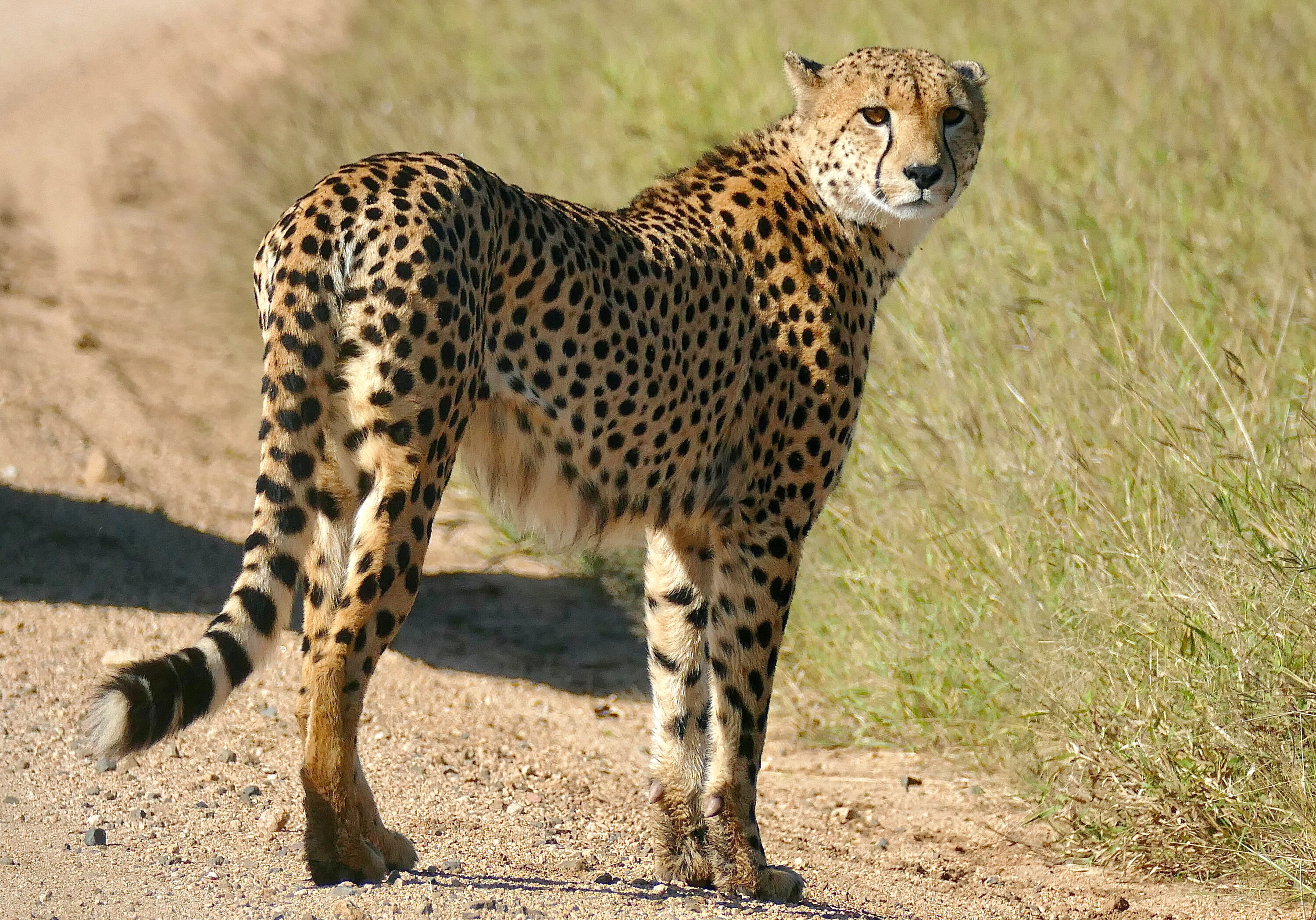
DNA Methylation Shifted as Namibian Male Cheetahs Became Territorial
Paired blood samples from ten free-ranging Namibian males revealed widespread, predominantly increased DNA methylation after the same cheetahs…
Read story →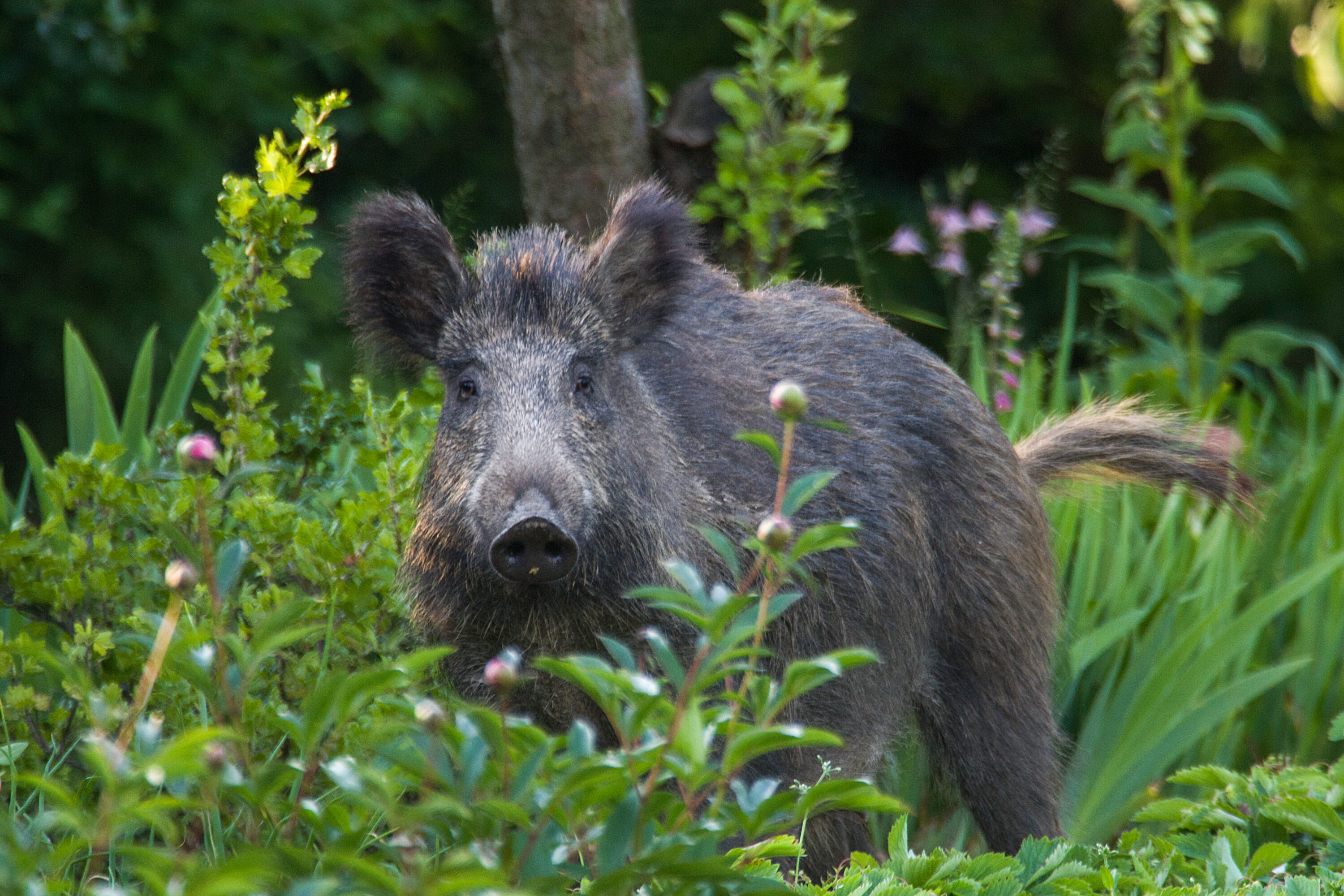
Zoonotic Sarcocystis Found in 3.3% of Polish Wild Boar Hunted for Food
Molecular testing of 241 wild boar from all 16 Polish provinces found Sarcocystis miescheriana DNA in 90% and…
Read story →SPECIES IN THIS STORY
Species in this story
Independent research and conservation news archive
Did you find this information useful?
Wildlife Vagabond is independently built and maintained. Voluntary support helps cover source verification, hosting and continued work on research and conservation news.
Support Wildlife VagabondThe news archive will remain freely available.