
Queensland’s Common Myna Control Remained a Patchwork of Local Action
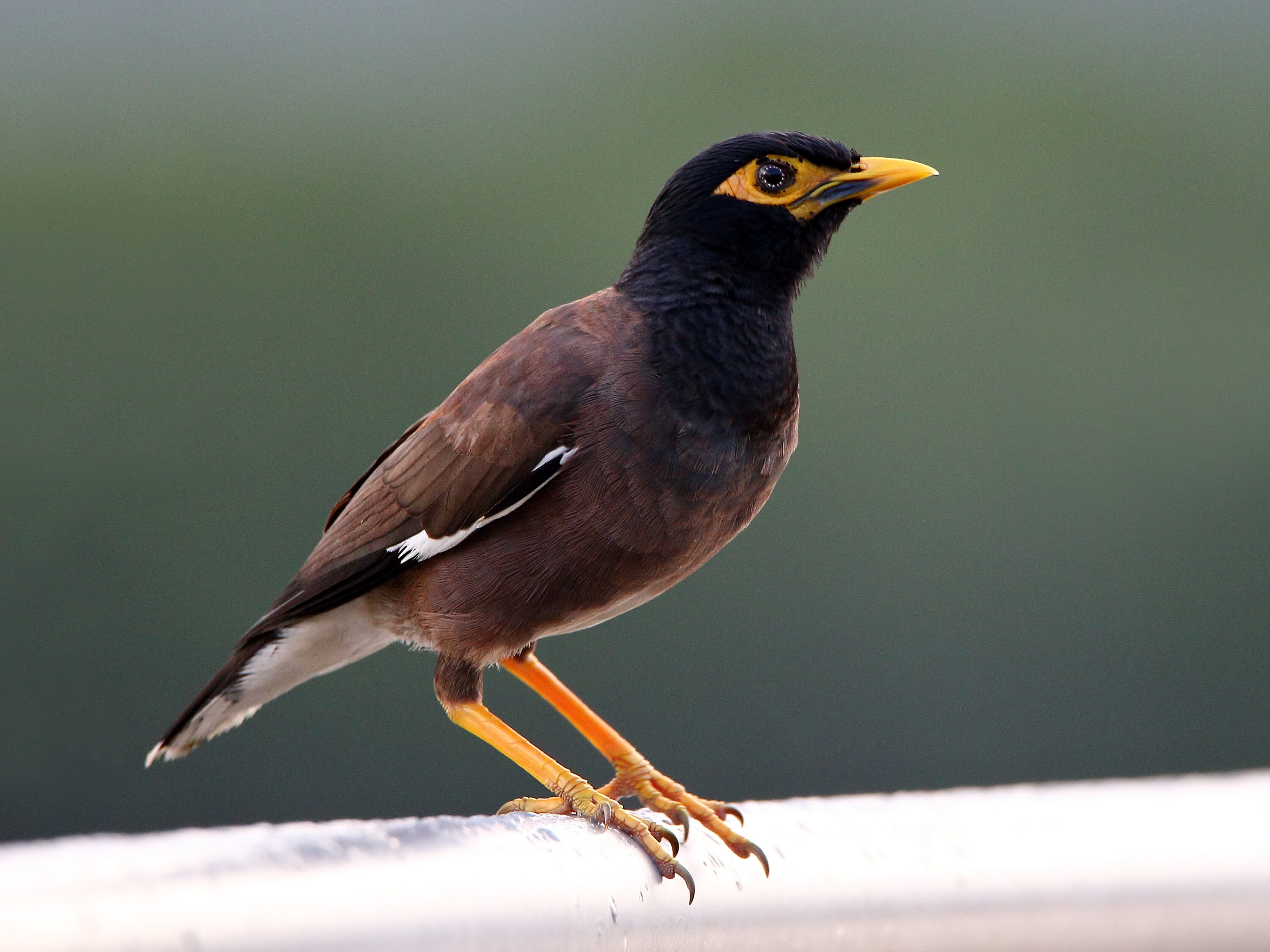
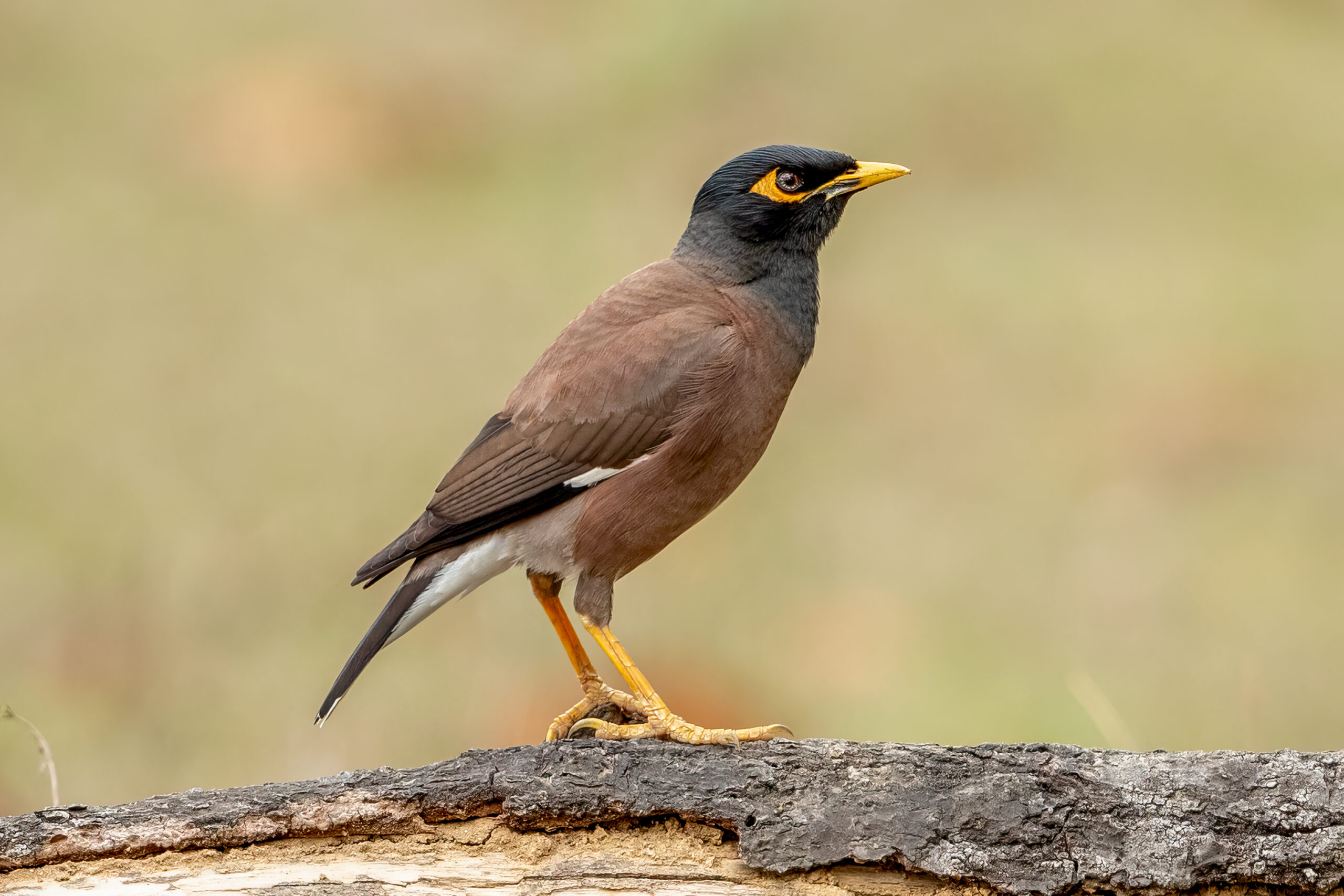
Management of common mynas (Acridotheres tristis) in Queensland was still split among local trapping schemes, council decisions and volunteer initiatives in June 2026. The species is introduced in Australia and is targeted because it can compete with native birds and other wildlife for resources and nesting sites, although the ecological benefits of broad mainland trapping remain uncertain. ABC News reported on 5 June that some communities were offering bounties or lending traps, while no coordinated state or national programme was operating.
Local schemes rely on traps, bounties and volunteers
In Charleville, wildlife carer Shannon Mathes had funded a private A$5 bounty and reported more than 80 birds trapped. In Mackay, a community group was lending traps with council support, while Gladstone Regional Council offered cages, advice and a A$5 bounty and said about 2,500 common mynas had been removed since its programme began in 2015.
Queensland’s Department of Primary Industries said a statewide campaign was unlikely to have a major effect because common mynas were already established across the state. The department said trapping needed humane euthanasia, enough volunteers to remove substantial numbers and systematic data sharing. BirdLife Australia similarly warned that birds from nearby nests could refill local gaps and recommended pairing control with bird surveys.
RSPCA Australia did not encourage community culling programmes and argued that improving natural habitat could be a better route to greater urban bird diversity. The disagreement therefore concerned not only whether birds could be removed locally, but whether trapping could produce durable ecological change at a broader scale.
Local suppression did not increase overall bird diversity
A peer-reviewed Melbourne study published in February 2026 provides relevant context. Community trapping reduced the relative abundance of common mynas in the treated area, but did not increase overall bird species richness or diversity; the aggressive native noisy miner became more prominent. The Queensland removal totals reported by councils therefore show management activity, but do not by themselves demonstrate a statewide population decline or recovery of native urban bird communities.
Management
Related news
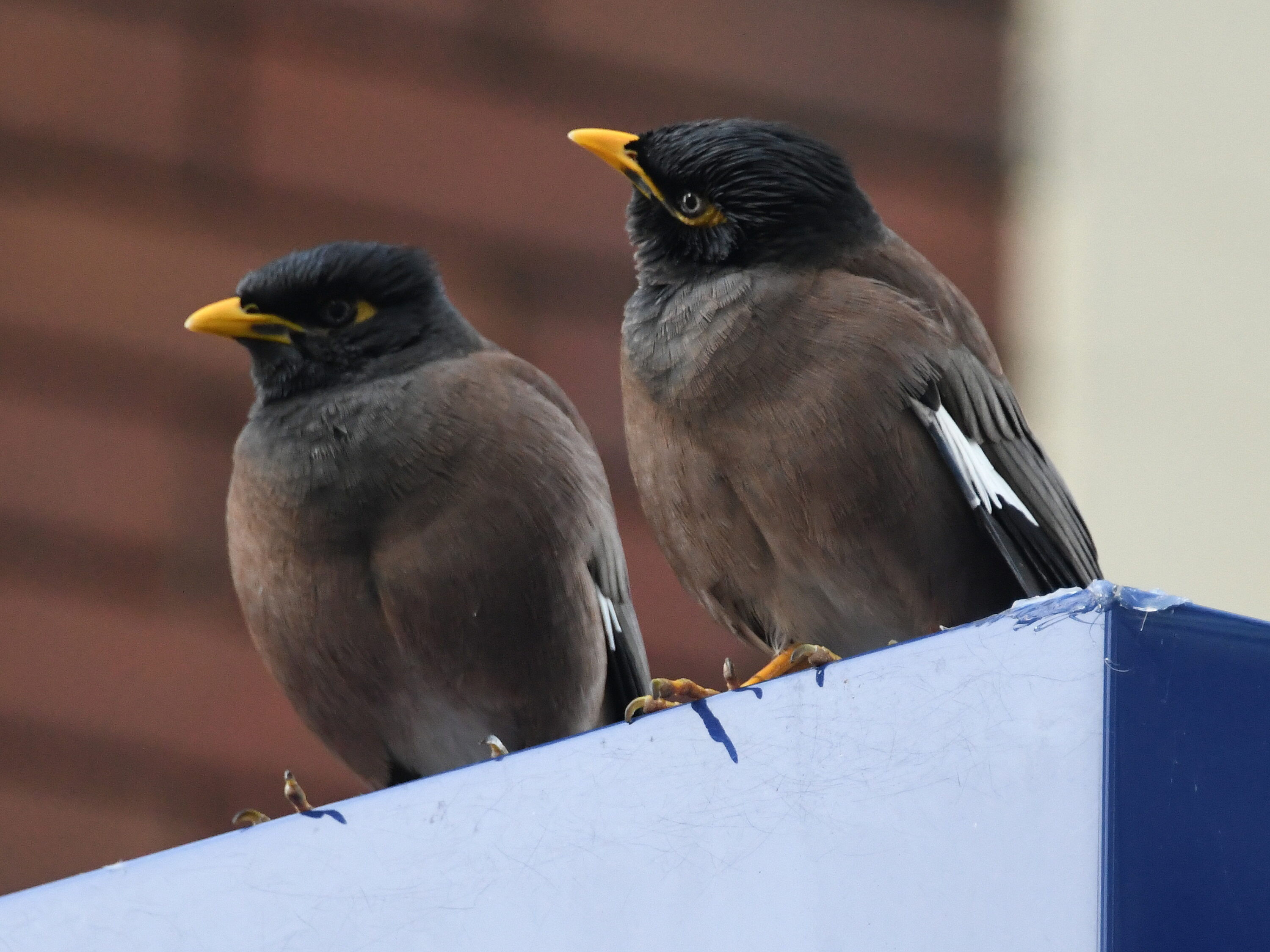
Rail Staff Say Two Common Mynas Regularly Ride Sydney Trains
Two common mynas were filmed sitting calmly inside a Sydney train, while a guard said staff know them…
Read story →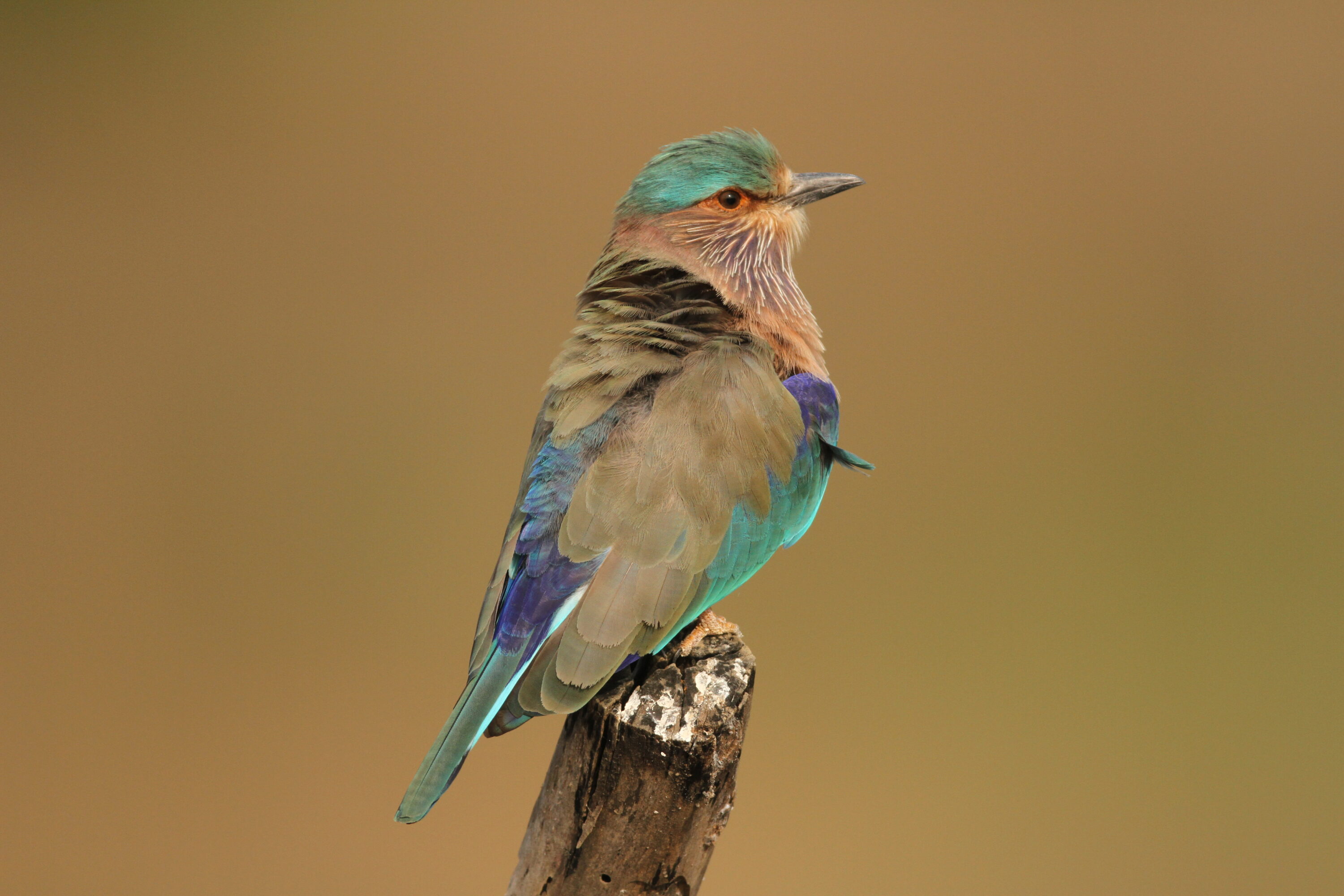
Six Cavity-Nesting Bird Species Bred Successfully in Artificial Nests in Punjab
Punjab Agricultural University reported successful breeding in artificial nests by six cavity-nesting species, including Indian roller, spotted owlet…
Read story →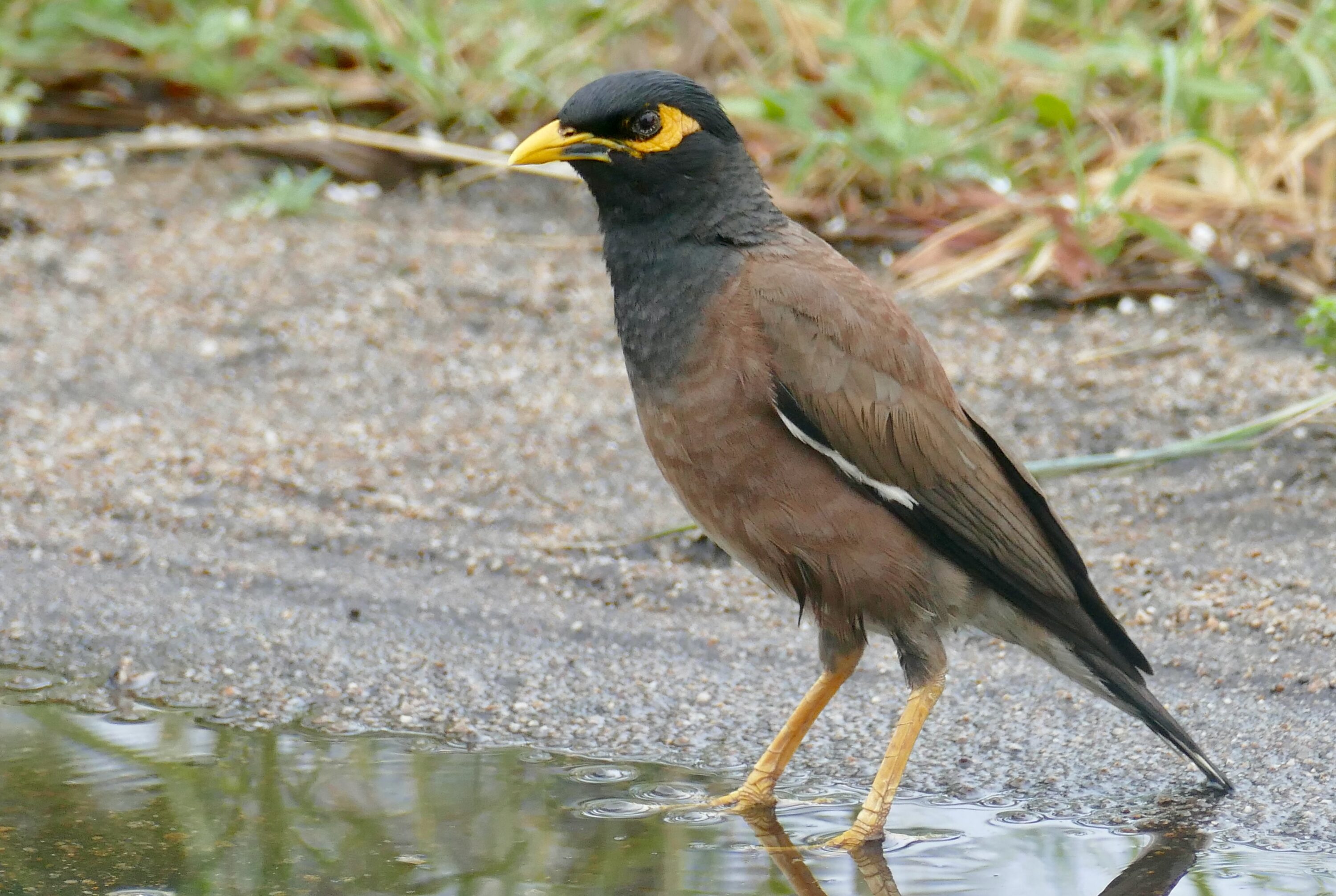
Qatar Captured 12,844 Invasive Common Mynas From January to July
Qatar reported 12,844 common mynas captured from January through July 2026, bringing the project total to 61,999. Control…
Read story →SPECIES IN THIS STORY
Species in this story
Independent research and conservation news archive
Did you find this information useful?
Wildlife Vagabond is independently built and maintained. Voluntary support helps cover source verification, hosting and continued work on research and conservation news.
Support Wildlife VagabondThe news archive will remain freely available.