
Rabies vaccination of black-backed jackals has yet to reach scale in sub-Saharan Africa
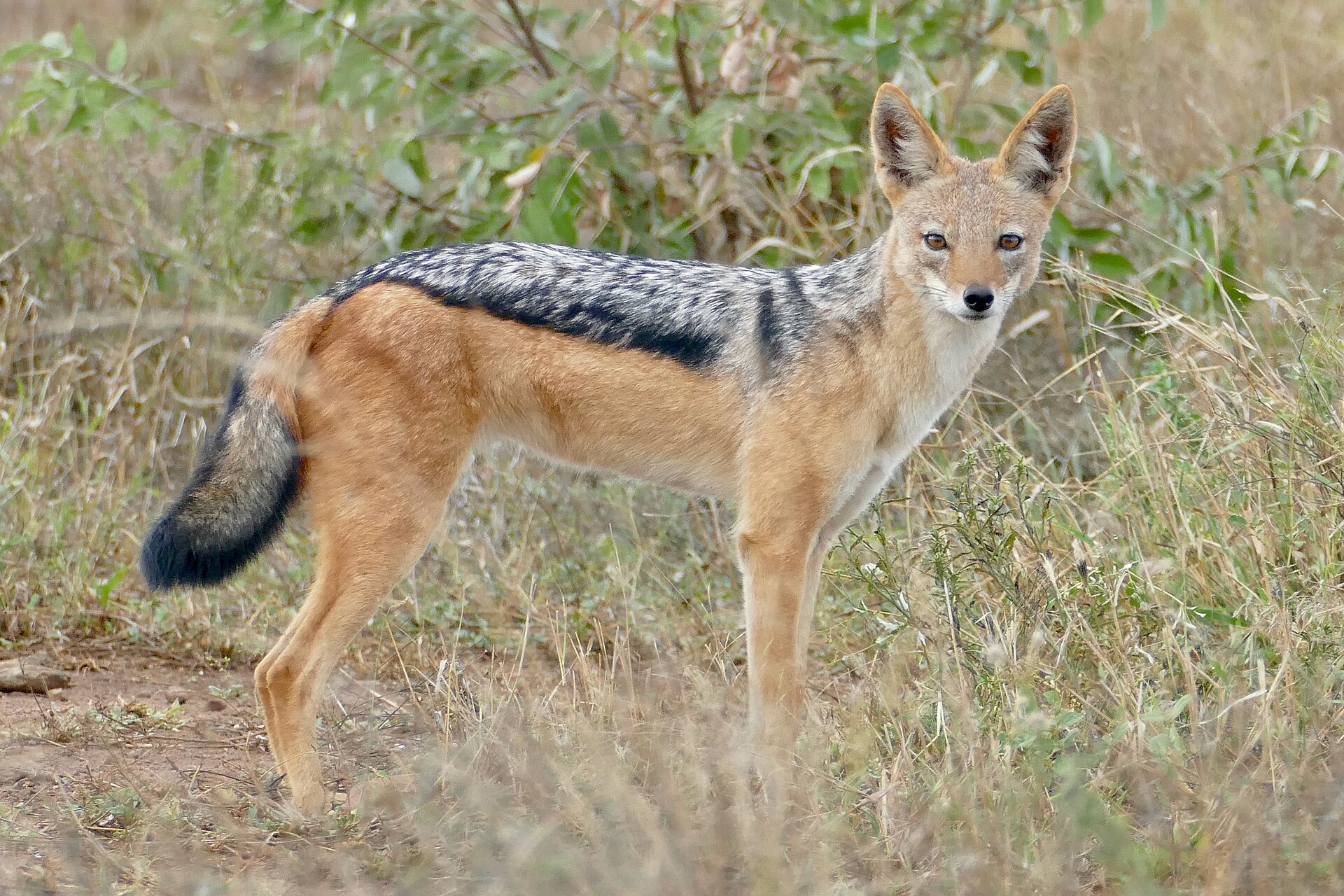
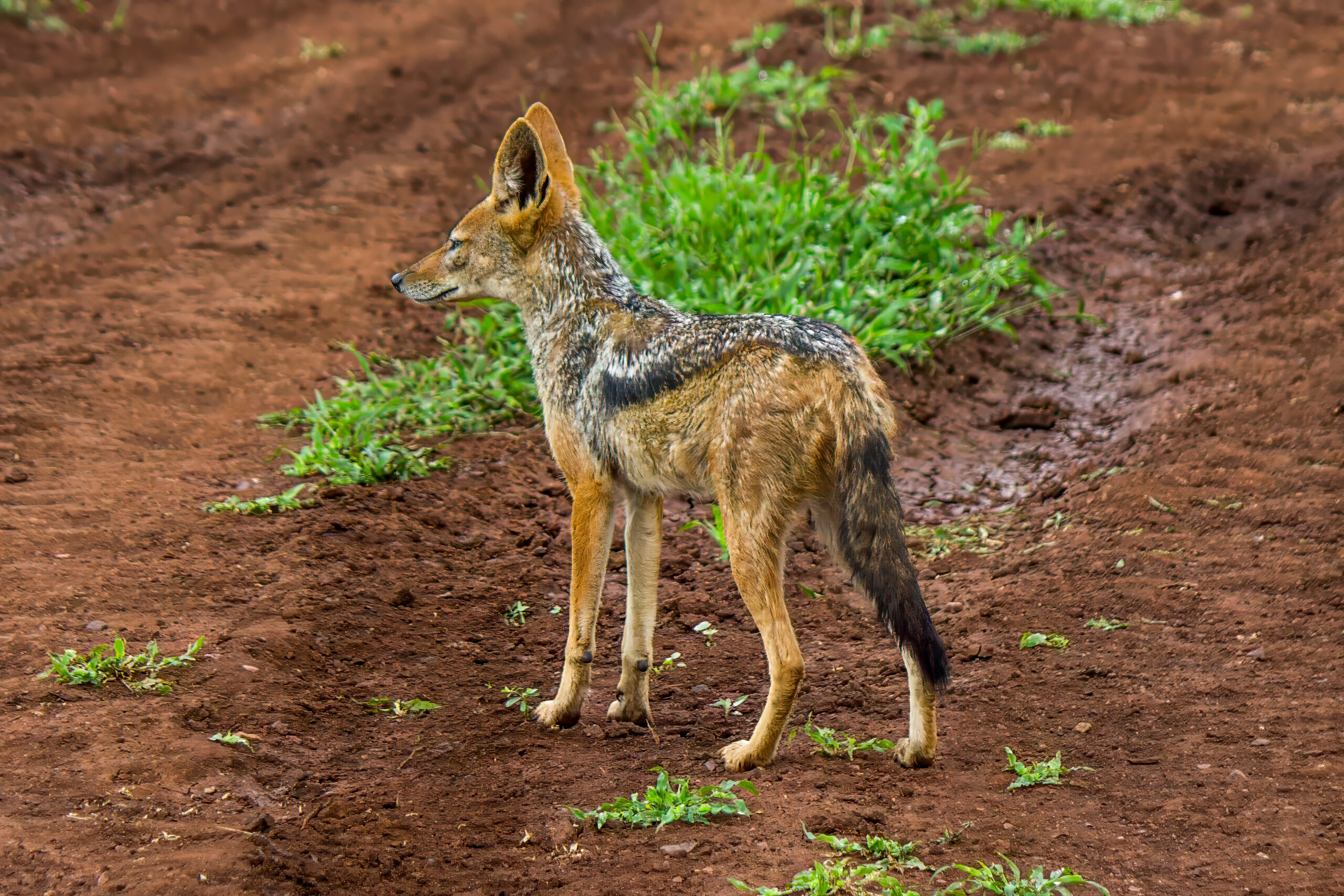
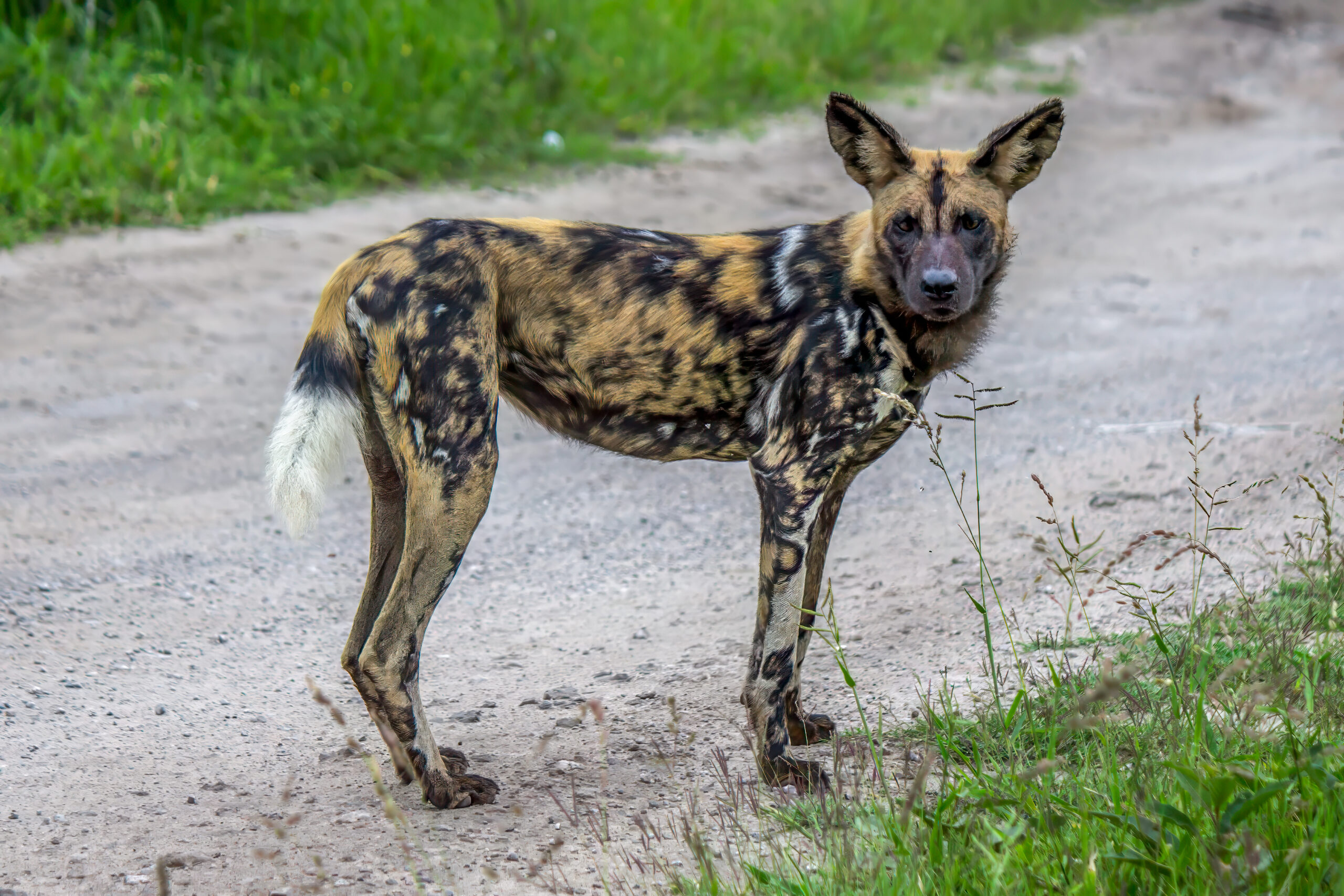
Rabies is a deadly disease that can spread among mammals, including people, livestock and wildlife. In sub-Saharan Africa, black-backed jackals (Lupulella mesomelas) can help maintain rabies transmission, while outbreaks can threaten endangered carnivores such as African wild dogs (Lycaon pictus). A review of rabies-control strategies finds promising evidence for vaccination, but large-scale vaccination of reservoir populations such as black-backed jackals remains a challenge.
The distinction matters: controlling a virus that can persist in a jackal population is a different challenge from protecting a small, vulnerable population of wild dogs. The review brings together research on these and other carnivores, including evidence from outside Africa that could help guide control efforts.
From small trials to vaccination in the wild
Oral rabies vaccines can be placed in baits, allowing animals to be vaccinated without being captured. Trials involving wild canids, including black-backed jackals and African wild dogs, found that the vaccines prompted antibody responses in the animals tested. But the trials were small, involving between 8 and 23 animals, and they did not all use the same antibody level to define protection. The thresholds ranged from above 0.2 to above 0.5 IU/mL, making the results harder to compare directly. These findings are a starting point for developing vaccination programmes, not evidence that oral vaccination has already controlled rabies in wild populations at scale.
Targeted vaccination is already being used in Ethiopia. A separate study published in July 2026 describes the Ethiopian Wolf Conservation Programme’s oral vaccination efforts since 2018, including bait deployment across five Ethiopian wolf (Canis simensis) populations in 2018–2020. Protecting threatened populations in this way is different from vaccinating enough animals in widespread reservoir populations to interrupt transmission.
Putting baits to work across a landscape also requires matching them to the animals and local conditions. Baits need to attract the target species, and sunlight can reduce the strength of some vaccines: in one study reviewed, vaccine in baits exposed to direct sun lost strength in less than a day, whereas baits under grass or soil remained stable for two to three days. In another trial, it took 44 hours for three-quarters of targeted baits to be taken. Such findings help explain why placement and timing matter, and why targeted hand distribution may be practical but harder to scale up.
Vaccination by injection may suit small endangered populations, where animals can be handled as part of a targeted conservation effort. It is costly and time-consuming, however, and is not a practical way to reach enough animals in large reservoir populations such as jackals.
Dog vaccination remains part of the wildlife response
Wildlife vaccination cannot stand alone. Domestic dogs can pass rabies to wild carnivores, and the review notes that rabies cases in endangered Ethiopian wolves and African wild dogs have been reported more often near areas with many domestic dogs. Mass vaccination of dogs is therefore essential alongside measures for wildlife.
The review also finds that broad culling and habitat destruction have largely failed to control rabies. Disrupting animal populations can increase movement and social instability, potentially creating more opportunities for transmission. Instead, the authors call for locally adapted vaccination and prevention, supported by surveillance that tracks rabies in people, domestic animals and wildlife.
Disease, parasites & microbiology
Related news
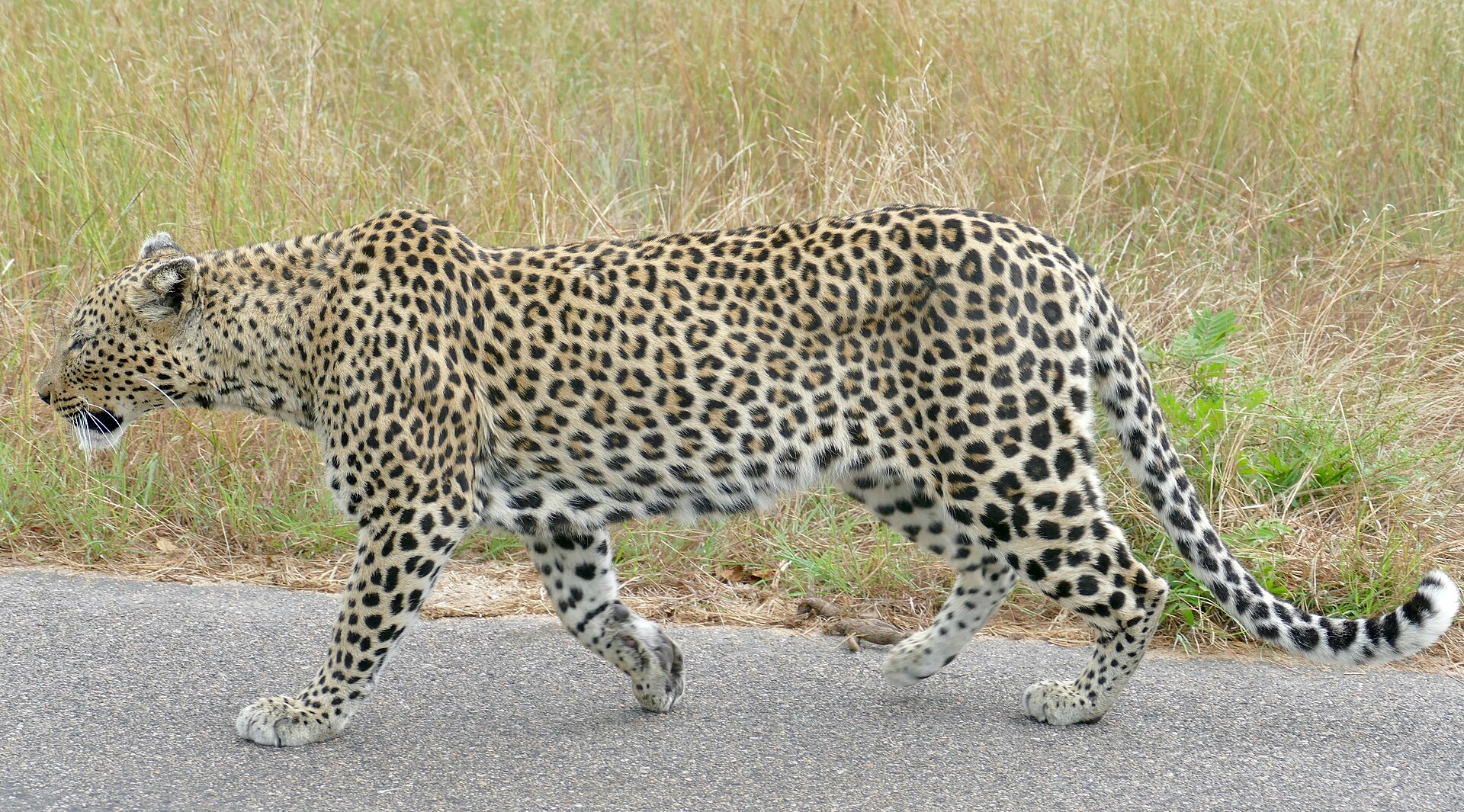
Leopards and jackals were most active on roads when vehicles were scarce
Across three South African conservation properties with sharply different levels of vehicle activity, leopards and black-backed jackals were…
Read story →
Food Leaves Its Mark on the Gut Bacteria of Kruger’s Wildlife
Gut bacteria in nine mammal species from Kruger National Park followed clear patterns linked to food and digestion.…
Read story →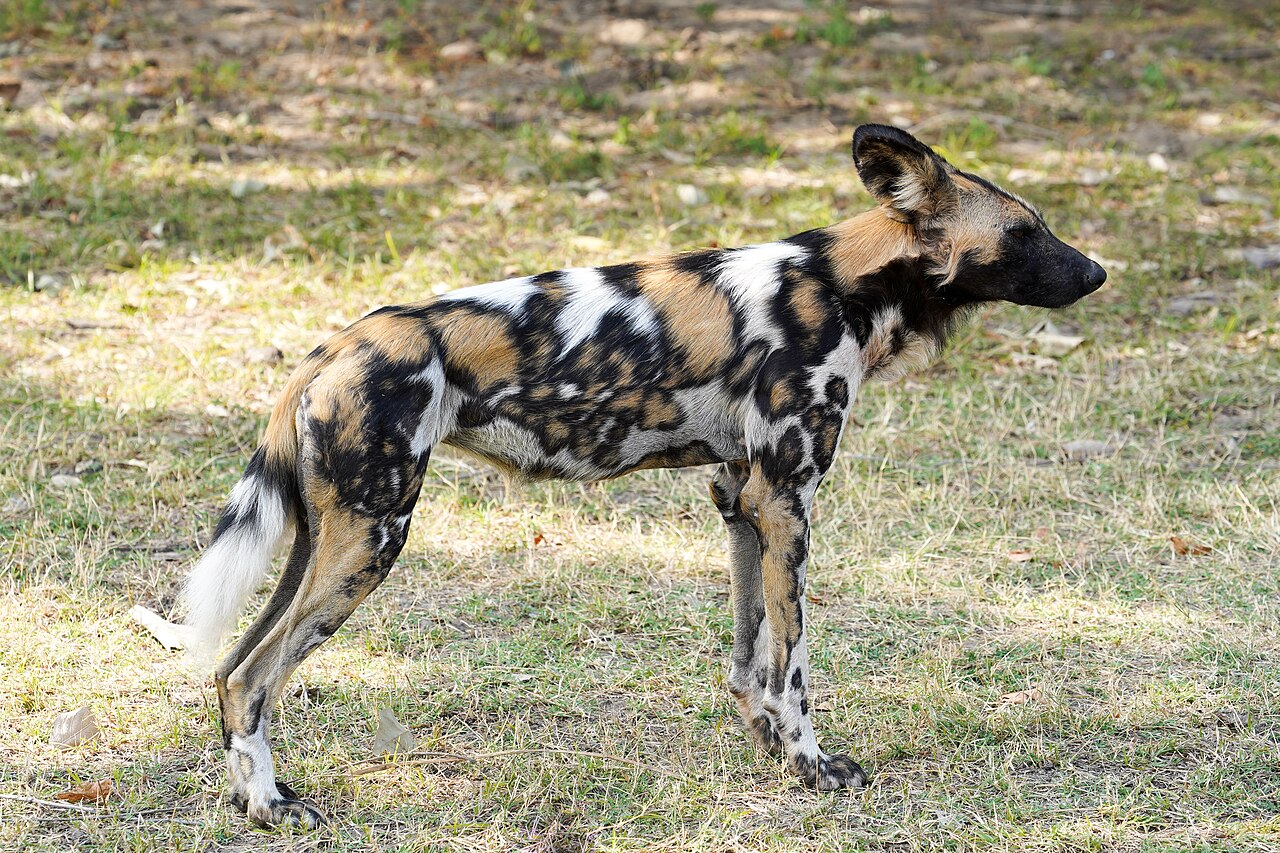
Wild Dogs Travelled Thousands of Kilometres in Search of a Mate
GPS tracking in Zambia shows how African wild dogs can cross enormous distances between populations. But snares and…
Read story →SPECIES IN THIS STORY
Species in this story
Independent research and conservation news archive
Did you find this information useful?
Wildlife Vagabond is independently built and maintained. Voluntary support helps cover source verification, hosting and continued work on research and conservation news.
Support Wildlife VagabondThe news archive will remain freely available.