
Ravens Revisited Yellowstone Wolf-kill Hotspots Instead of Following Wolves Over Long Distances
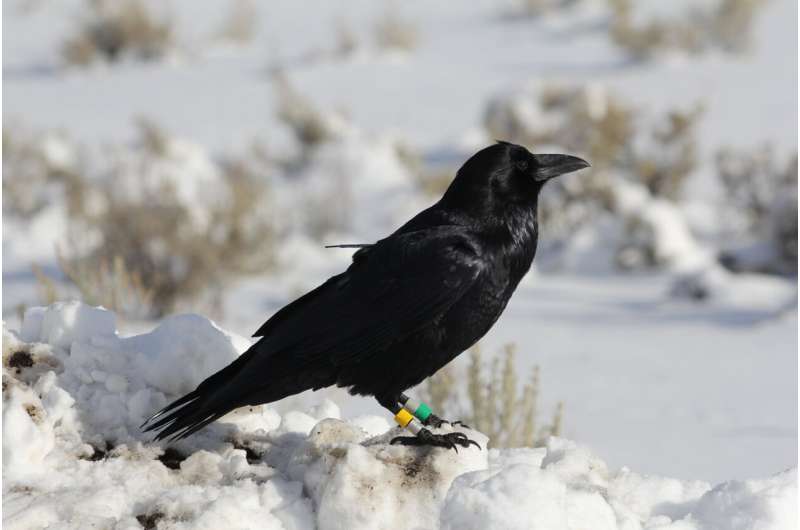
Common ravens (Corvus corax) in Yellowstone National Park, USA rarely followed wolves over long distances to find carcasses. A study published in Science in March 2026 instead found that the birds repeatedly returned to parts of the landscape where wolf kills had occurred frequently in the past.
The researchers satellite-tracked 69 ravens, 20 wolves and 11 cougars. During 2.5 years of monitoring, they found only one clear case in which a raven followed a wolf for more than one kilometre or more than an hour. Overall, 48.5% of the recorded wolf kills were used by at least one GPS-tagged raven within the first seven days after the kill, compared with 24.8% of cougar kills.
Ravens navigated toward historic wolf-kill hotspots
Movement tracks showed highly directional journeys toward areas with a high historical density of wolf kills. Some ravens travelled as far as 155 km in a single day. They were also much more likely to revisit parts of Yellowstone where wolf kills had previously been common than areas where kills were rare.
The authors interpret the pattern as evidence that spatial memory and navigation play a larger role in raven scavenging than the long-standing idea that the birds mainly locate new carcasses by tailing predators. Because wolf kills cluster repeatedly in particular parts of the landscape, ravens can return to areas with a higher chance of finding carrion even when the timing of the next kill is unpredictable.
Behaviour
Related news
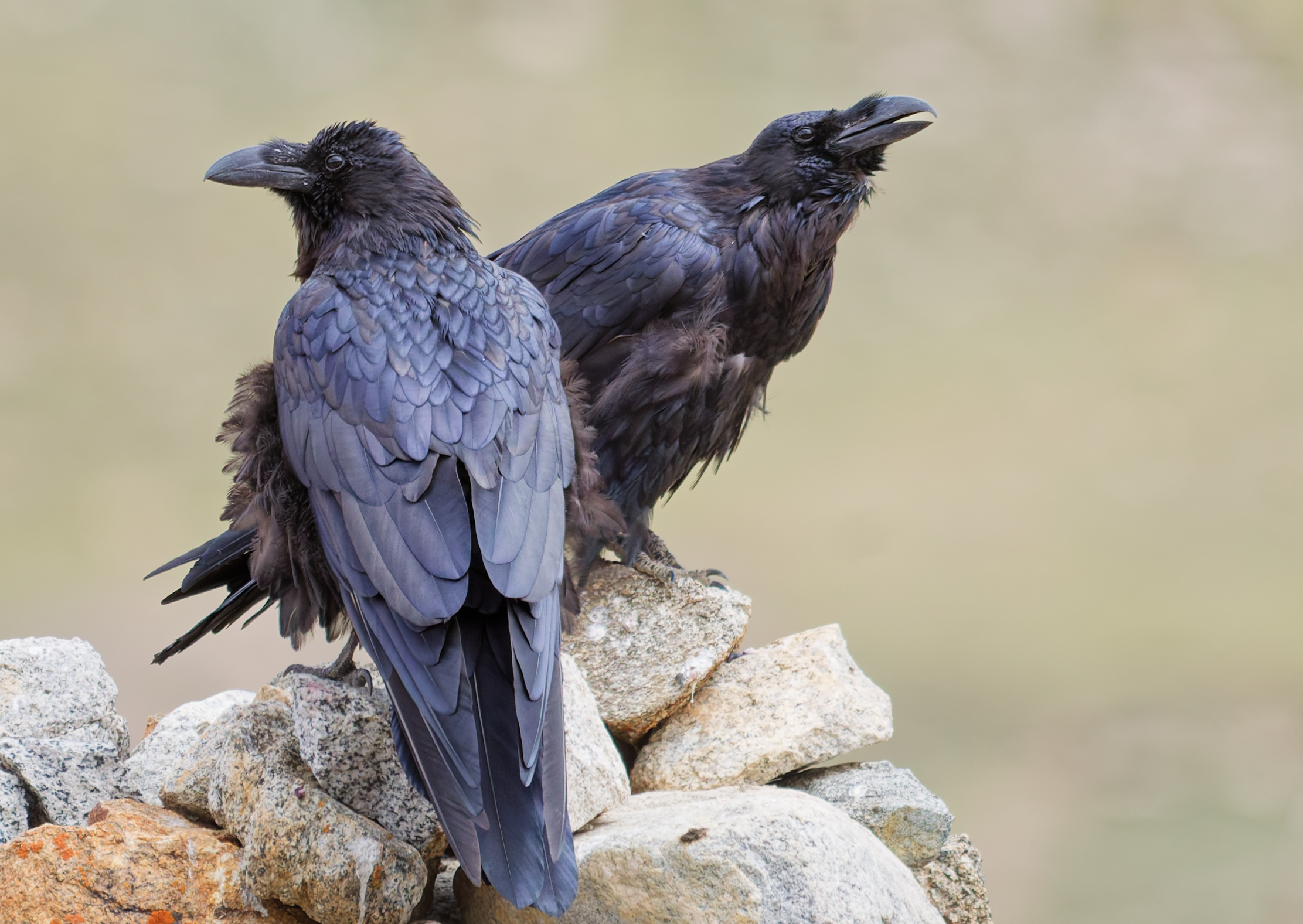
Family size shapes social object play in young ravens
A 2026 experiment found that small differences in sibling number changed how juvenile ravens gathered around object playgrounds…
Read story →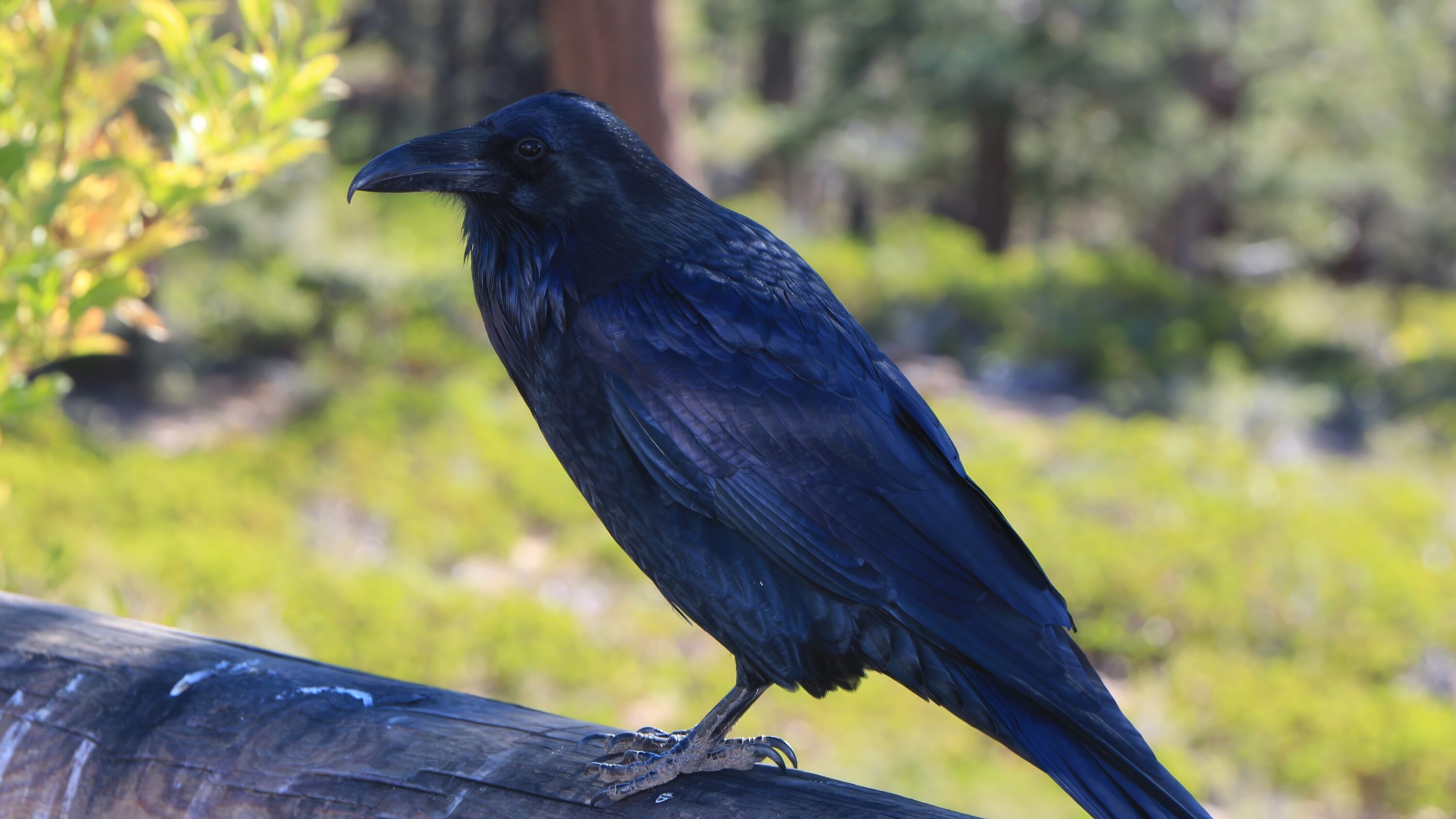
Raven Herpesvirus Was Suspected in Six Sudden Deaths in Poland
Six Common Ravens found dead together in central Poland were positive for both circovirus and a herpesvirus not…
Read story →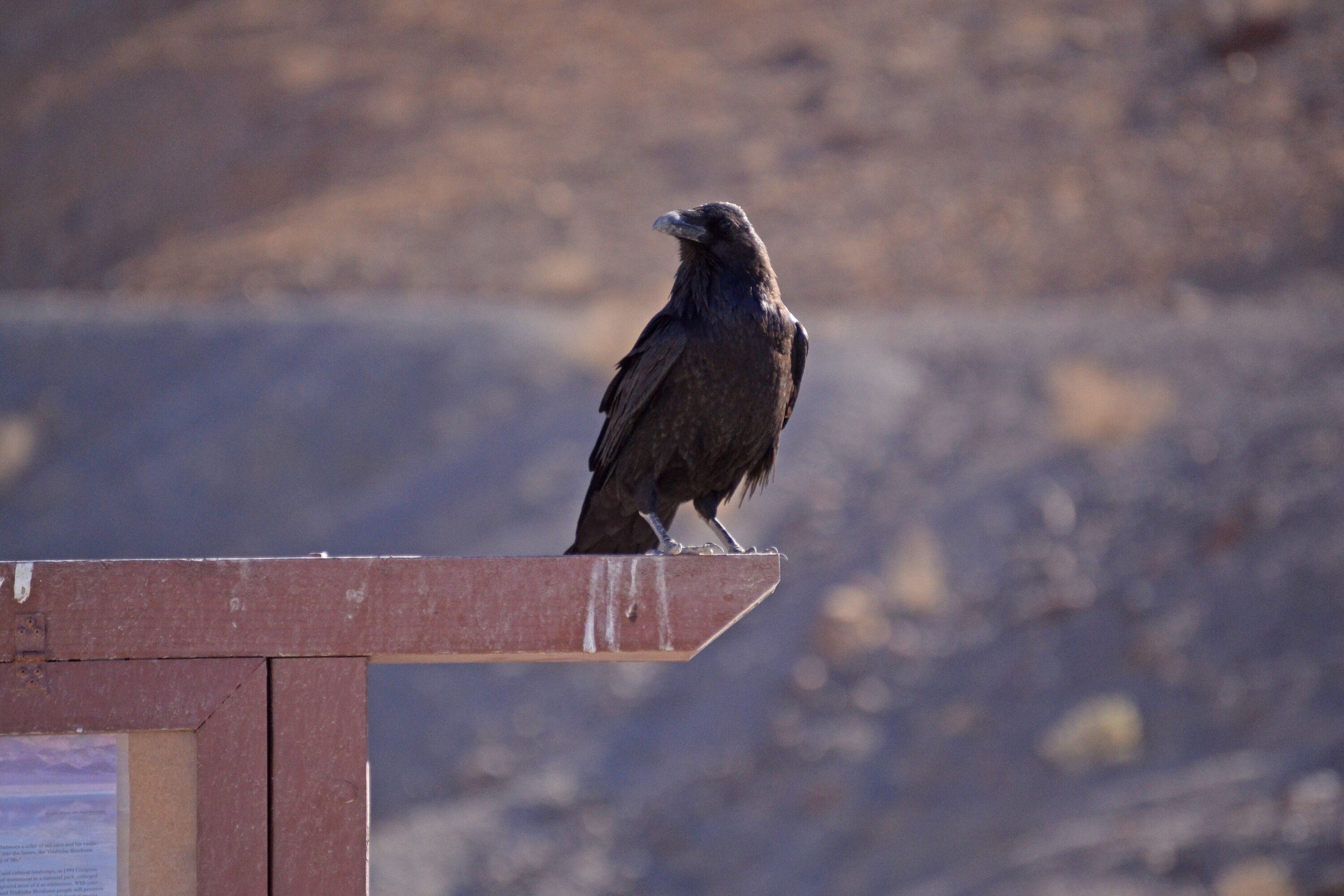
Oiling Raven Eggs Cut Hatchability 94.5% and Raised Estimated Greater Sage-Grouse Abundance 44% Relative to Controls
A seven-site experiment in Nevada and California found that oiling common raven eggs cut hatchability by 94.5%, more…
Read story →SPECIES IN THIS STORY
Species in this story

Independent research and conservation news archive
Did you find this information useful?
Wildlife Vagabond is independently built and maintained. Voluntary support helps cover source verification, hosting and continued work on research and conservation news.
Support Wildlife VagabondThe news archive will remain freely available.