
Record May Heatwave Reduced Breeding Success and Nestling Mass in Great Tits and Eurasian Blue Tits
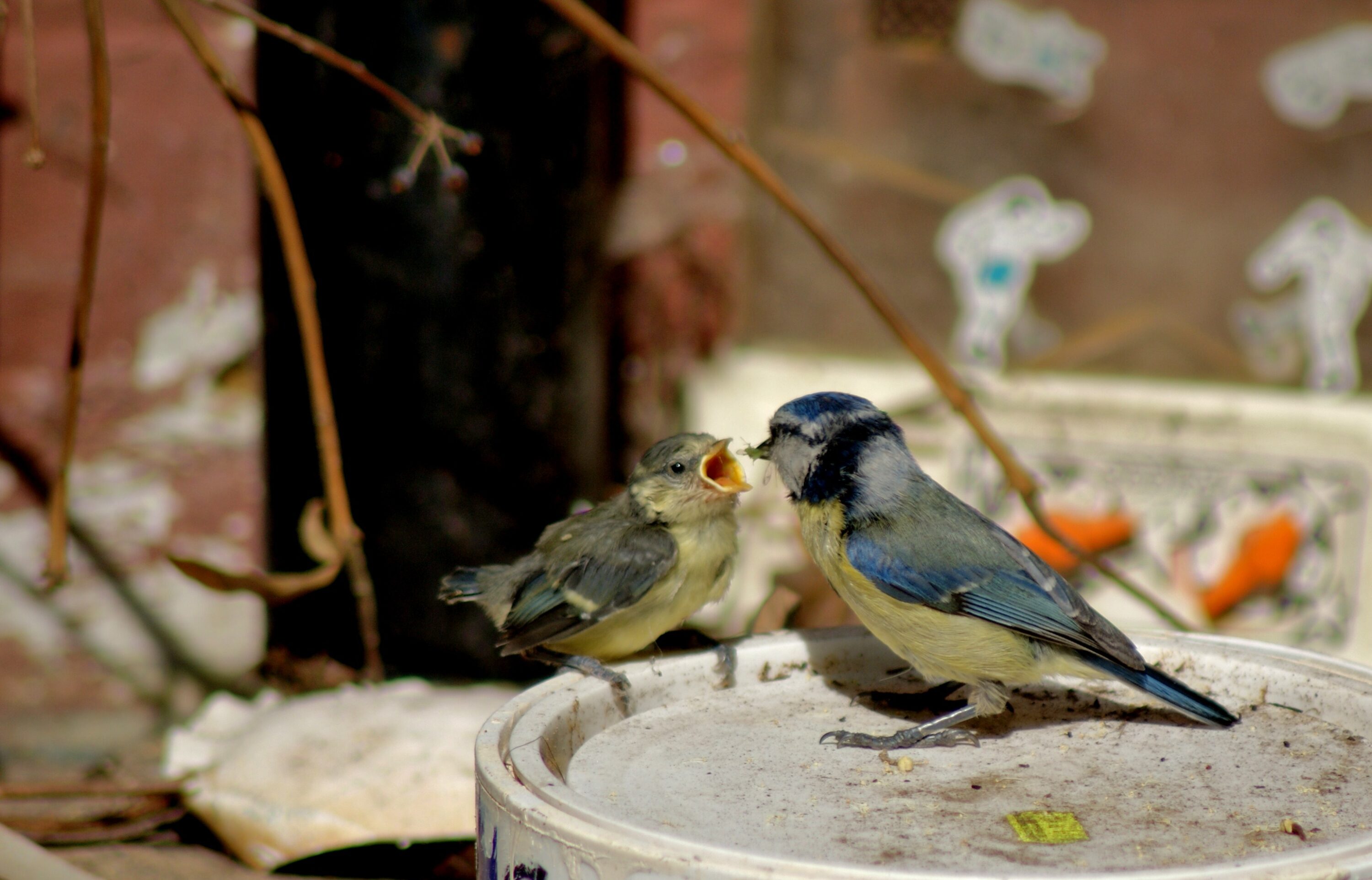
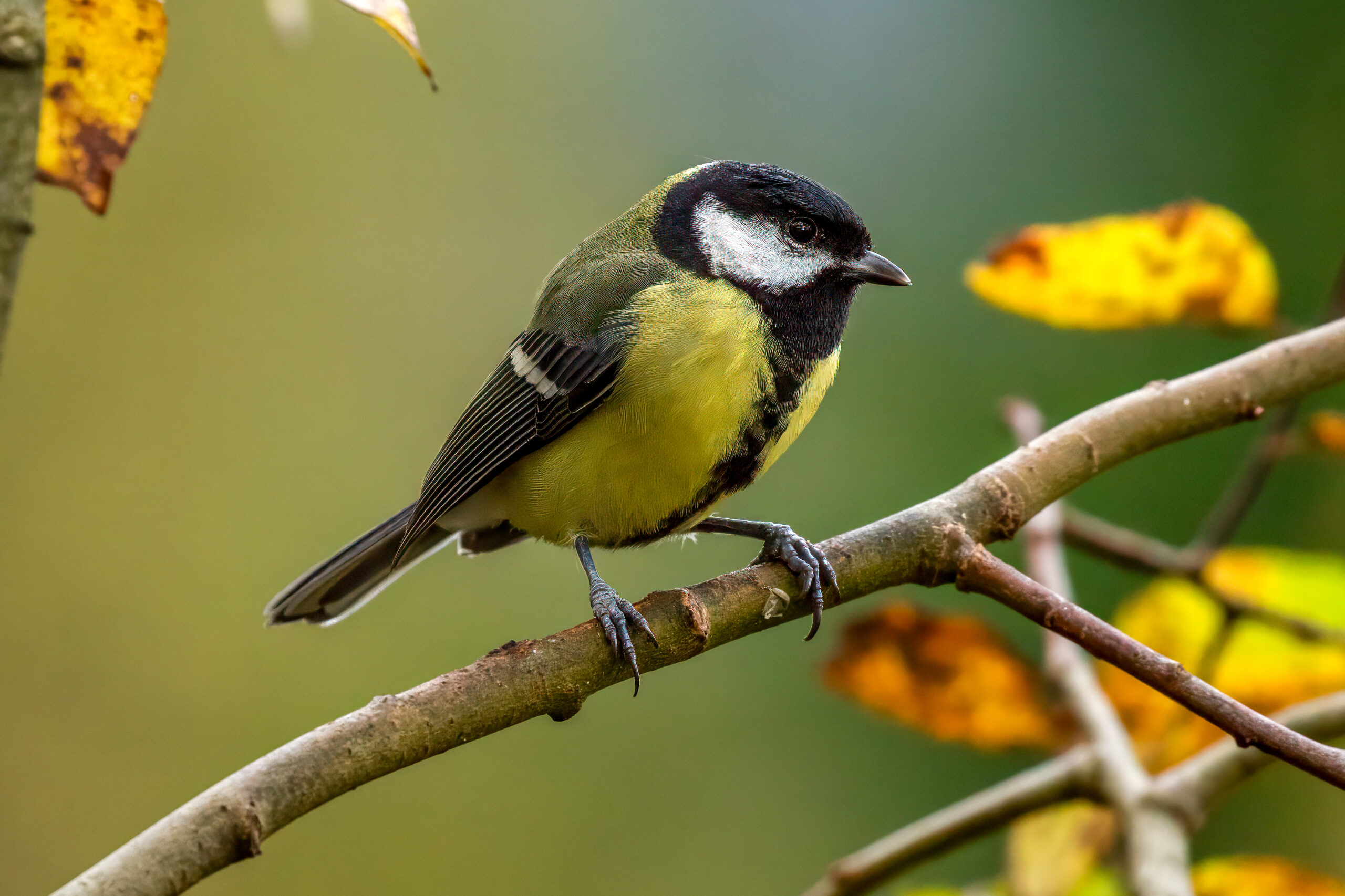
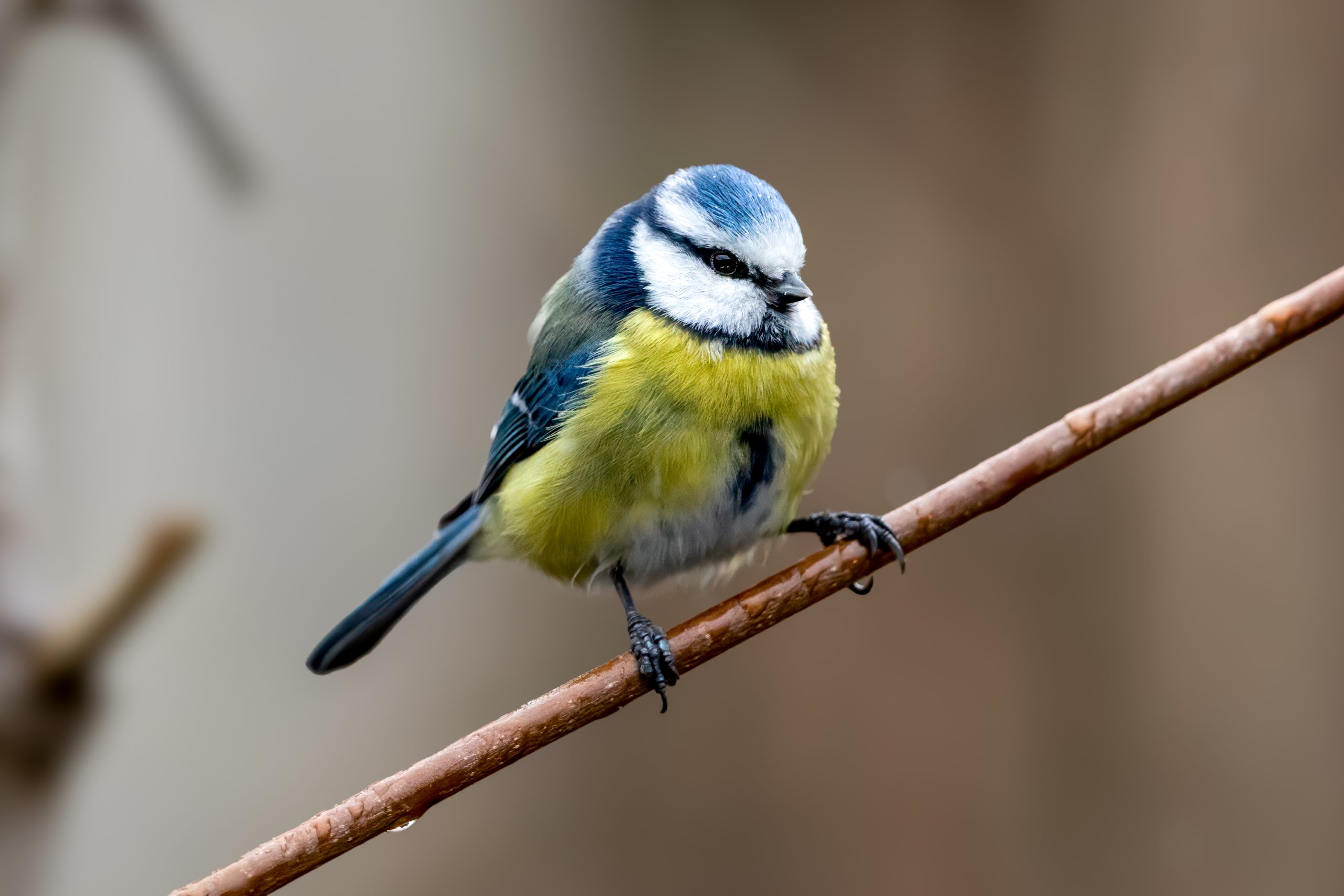
A record-breaking heatwave from 22 to 29 May 2026 sharply steepened the normal late-season decline in both breeding success and nestling body mass among great tits (Parus major) and Eurasian blue tits (Cyanistes caeruleus) at Wytham Woods in the United Kingdom. The analysis comes from a bioRxiv preprint first posted on 31 August 2026 and has not yet been peer reviewed.
Nearly five decades provided a seasonal baseline
The researchers drew on almost five decades of monitoring, including more than 20,000 breeding events and over 120,000 measurements from adults and nestlings. Rather than simply comparing the same calendar dates between years, they compared equivalent stages of the breeding season before and during the 2026 heatwave with the same relative periods in 1978–2025. This helped separate the heatwave signal from the normal seasonal decline in breeding performance.
The event was exceptional even against the very long Central England temperature record. During 22–29 May, temperatures at Wytham were on average 7.9 °C above the 1772–2025 mean for the same dates, and the peak on 25–26 May reached 10.5 °C above that historical mean. The authors estimate that an event of this magnitude would be expected less than once every 50 years under the historical climate record.
The late-season decline roughly doubled during the heatwave
The biological effect was clear in both measures. In years without the 2026 heatwave, fledgling number normally declined by an average of 2.6 nestlings between the equivalent earlier and later breeding-season periods. In 2026 the decline was 4.5 nestlings. Nestling body mass fell by about 1.0 g across those periods in non-heatwave years, but by 2.1 g in 2026. The analysis gave no clear support for the additional decline differing between great tits and Eurasian blue tits.
The mechanism was not measured directly
The study did not directly measure the physiological mechanism behind these losses. The authors suggest that extreme heat may reduce parental foraging and food delivery while also increasing the thermoregulatory costs faced by nestlings, for example through panting. The authors note that fledgling mass is known to predict overwinter survival, but the present study did not measure whether chicks exposed to the 2026 heatwave subsequently survived at lower rates.
The heatwave struck near the end of the local breeding season, and the data come from a single exceptionally well-monitored population. The event itself, however, extended across a much wider area of the United Kingdom and western Europe. The authors therefore argue that similar effects may have occurred elsewhere, but that broader impact was not tested directly in this preprint.
Reproduction & development
Related news
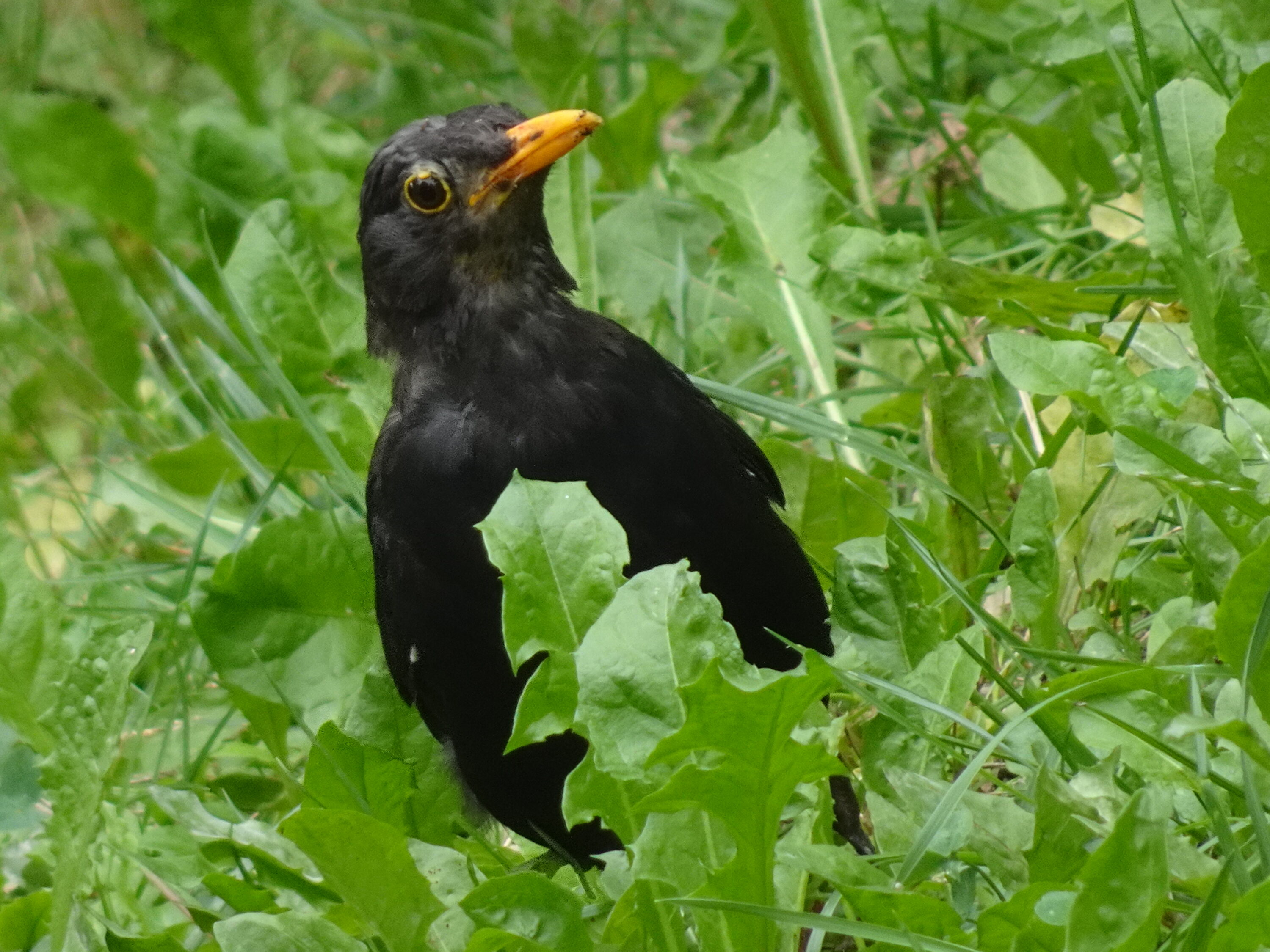
Urban Bird Diversity Was More Strongly Linked to Forest Structure Than the Surrounding City
Across 12 urban forests in three Italian cities, researchers recorded 2,035 birds from 52 species. Local forest structure…
Read story →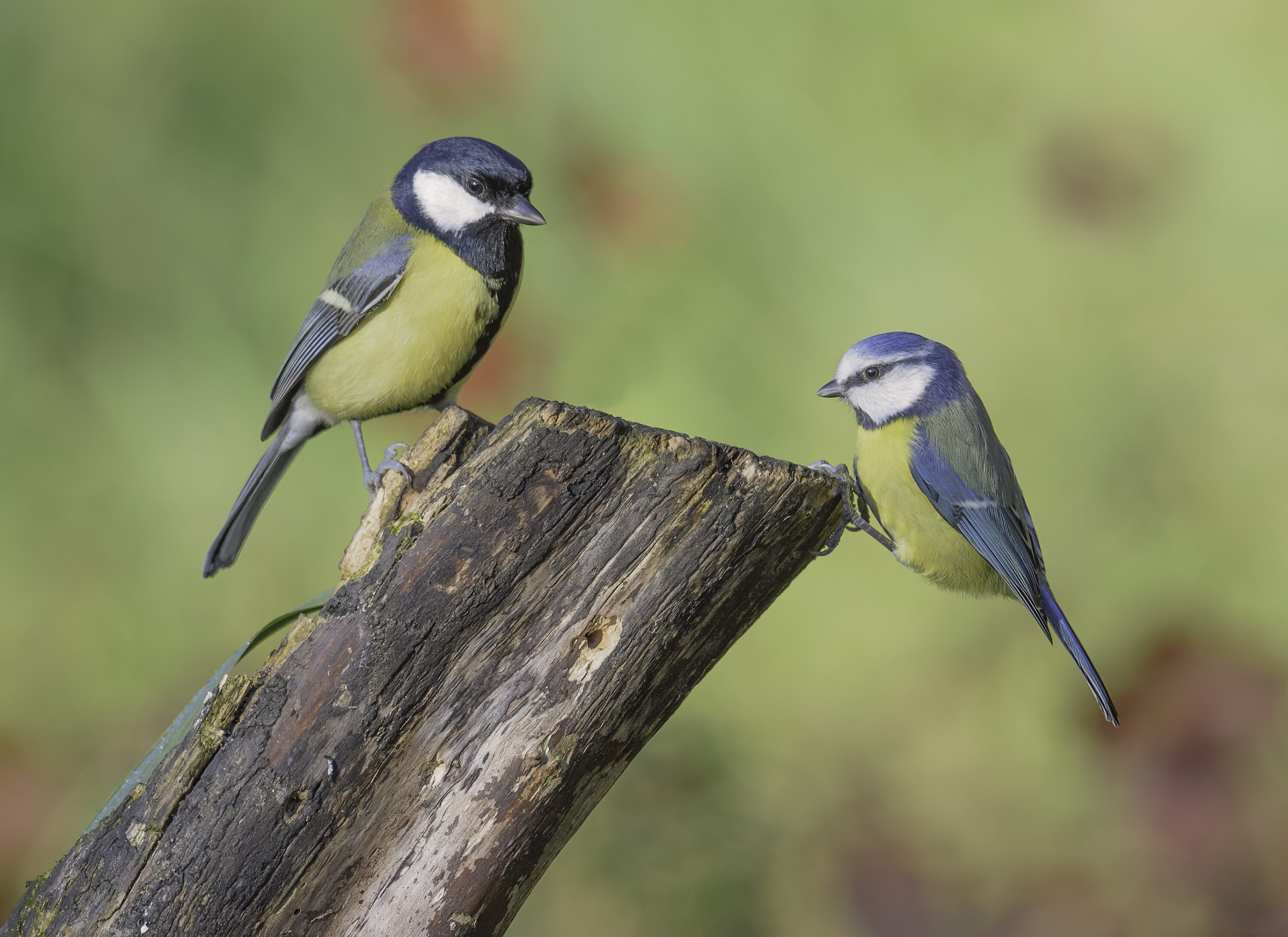
Autumn Movement Timing Stayed Stable as Wings Became Rounder in Great and Eurasian Blue Tits
Hungarian ringing data from 2004–2024 found stable autumn movement timing in great and Eurasian blue tits, while body…
Read story →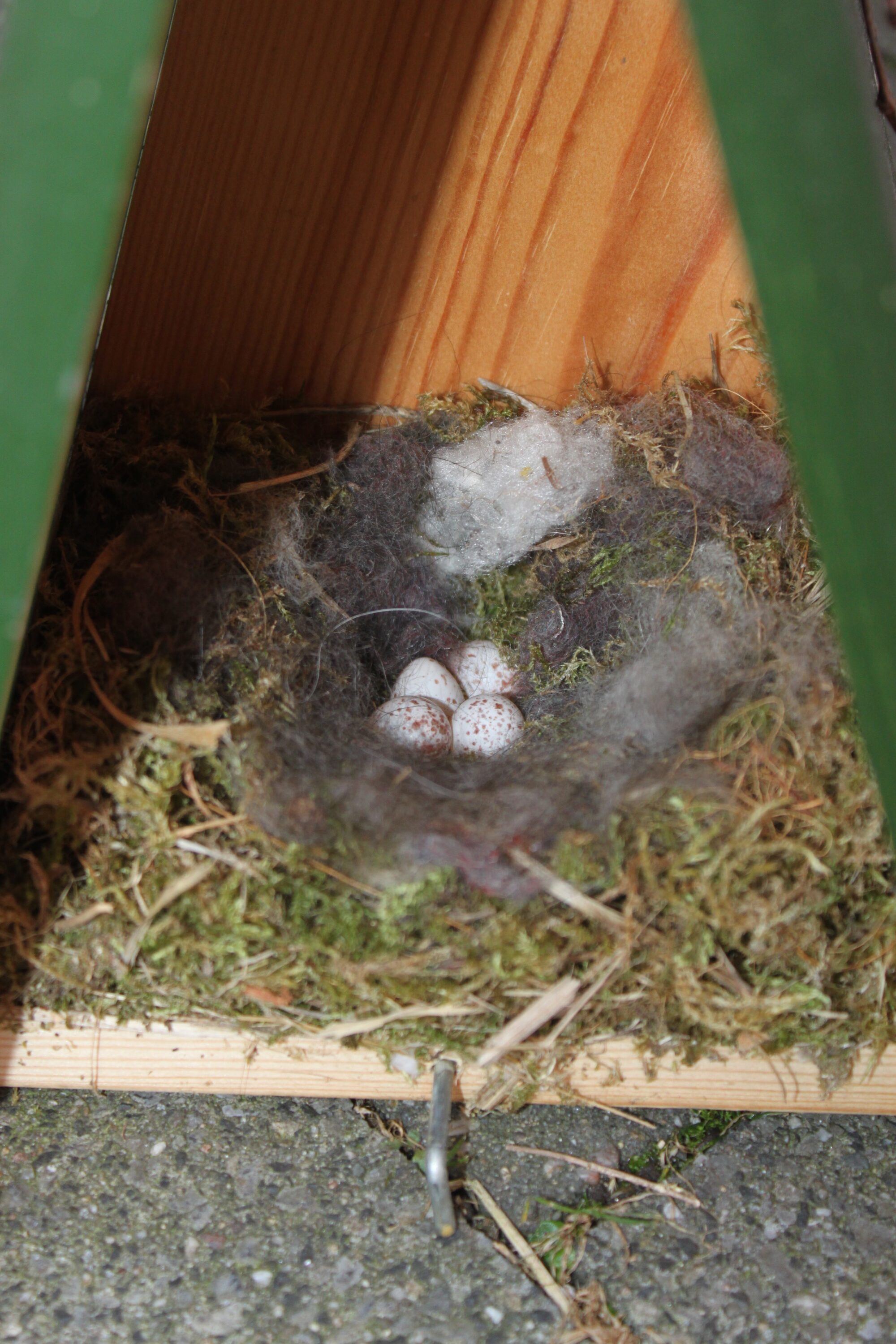
Great Tit and Eurasian Blue Tit Eggs Contained Different Mixes of PFOS Isomers
Researchers analysed 41 eggs from a contaminated industrial site in Belgium and detected both linear and branched PFAS…
Read story →SPECIES IN THIS STORY
Species in this story
Independent research and conservation news archive
Did you find this information useful?
Wildlife Vagabond is independently built and maintained. Voluntary support helps cover source verification, hosting and continued work on research and conservation news.
Support Wildlife VagabondThe news archive will remain freely available.