
Great Tit and Eurasian Blue Tit Eggs Contained Different Mixes of PFOS Isomers
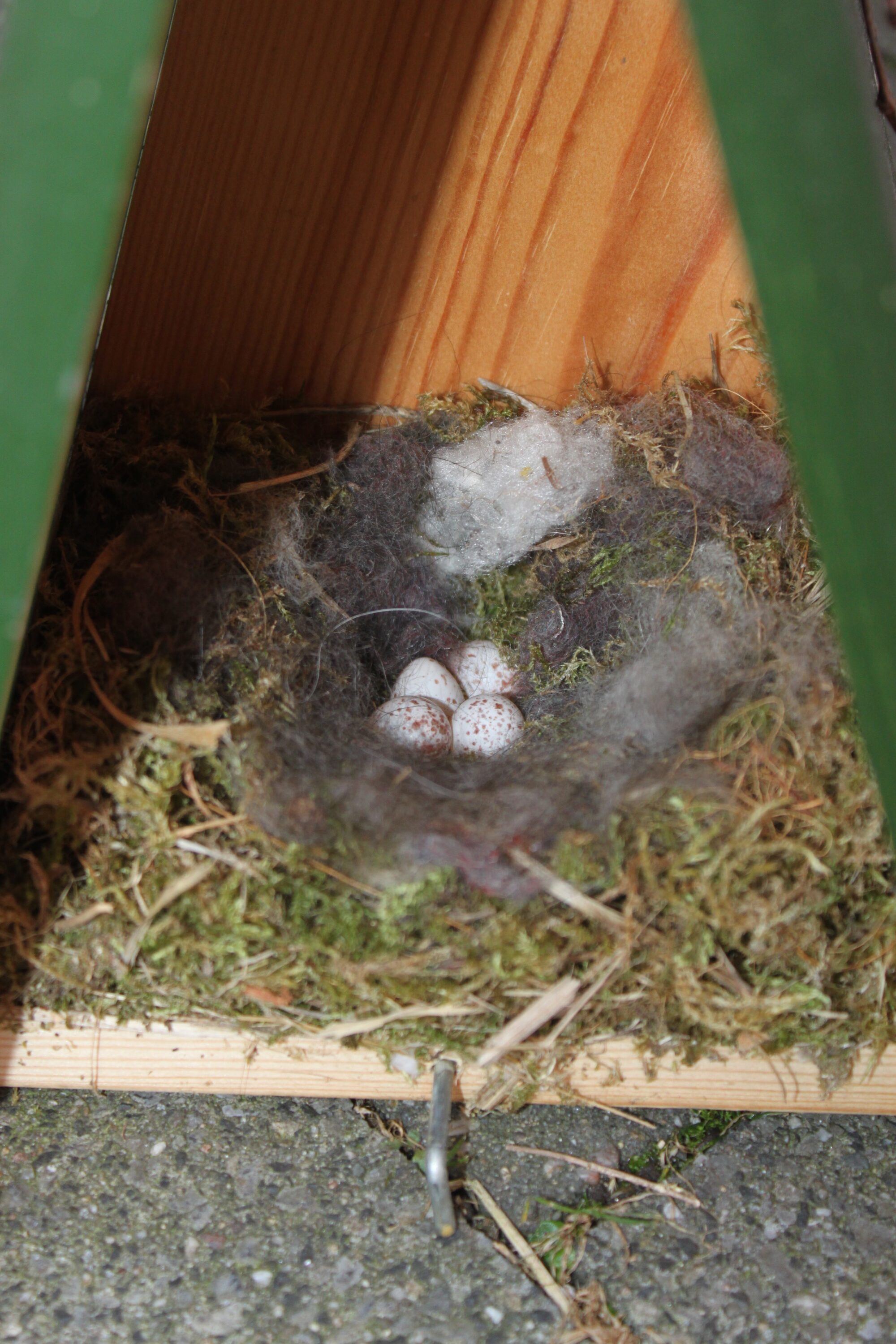
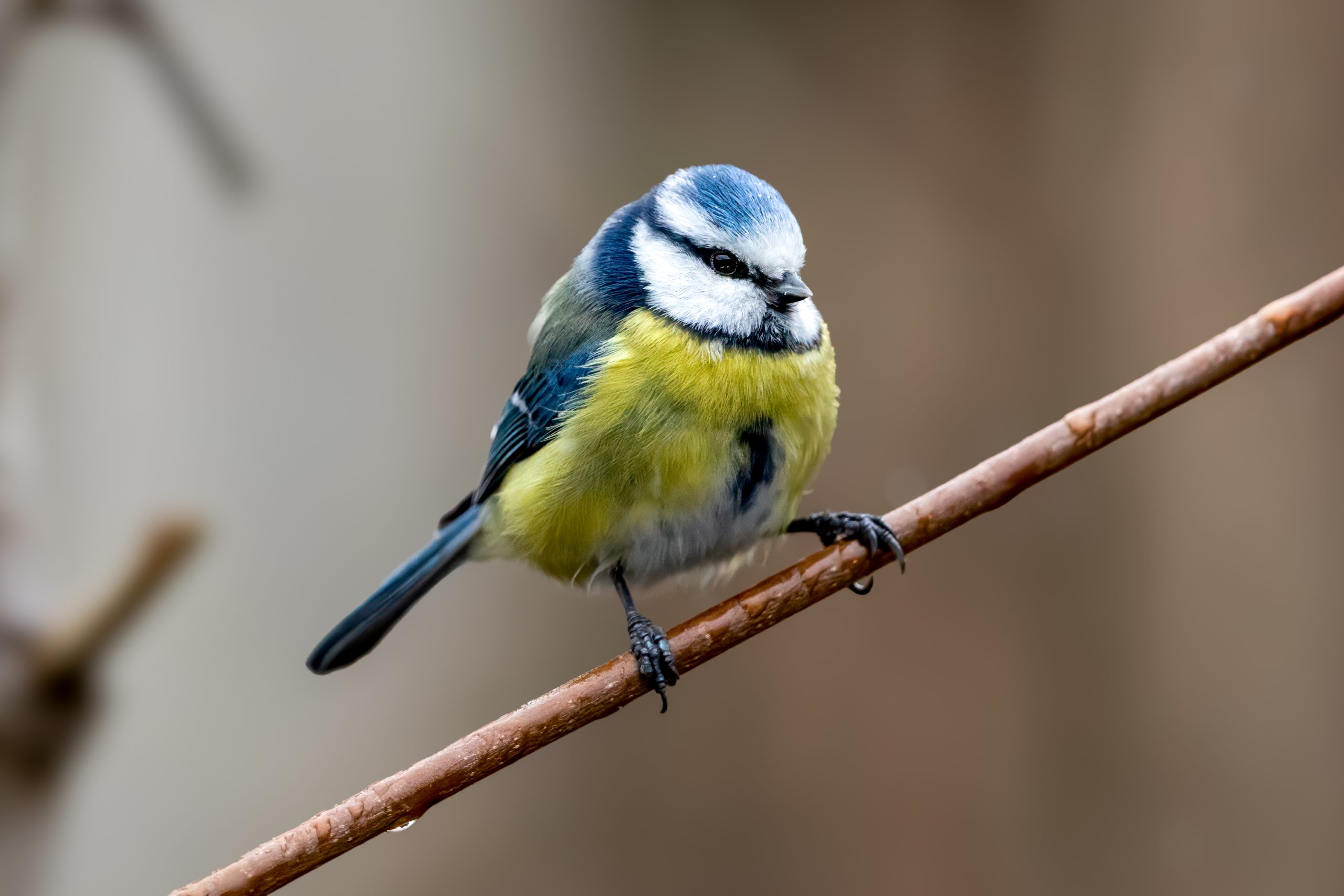
Eggs from great tits (Parus major) and Eurasian blue tits (Cyanistes caeruleus) contained different mixtures of PFOS isomers near a contaminated industrial site in Belgium. Researchers analysed 41 eggs, and the analysis supported a clear difference in the PFOS isomer profiles of the two species. This concerns the mixture of PFOS forms, not evidence by itself that one species had a higher total PFOS concentration.
PFAS are a large group of highly persistent fluorinated chemicals, and PFOS is one specific PFAS compound. PFAS compounds can occur as structural isomers: molecules with the same chemical formula but different arrangements of their atoms. Some have a straight carbon chain, while others are branched. These forms can have different physicochemical properties, which can affect how they move through the environment, accumulate in organisms and contribute to toxicity.
To distinguish these closely related forms, the researchers combined liquid chromatography, ion mobility and high-resolution mass spectrometry. The method resolved 41 linear and 39 branched PFAS congeners in reference material. When it was applied to the bird eggs, the team detected 20 linear and 34 branched PFAS isomer features.
The species differed in PFOS profile, not necessarily total PFOS
The clearest biological difference concerned PFOS. Great tit and Eurasian blue tit eggs had clearly different PFOS isomer mixtures. The study did not establish why. The authors suggest that differences in foraging behaviour and species-specific accumulation may contribute to the pattern.
Isomer-level analysis reveals differences hidden by a total concentration
The result shows why total concentrations of a named PFAS compound do not always describe the full exposure pattern. Isomer-resolved analysis can reveal structural forms that would otherwise be grouped together. The authors argue that this gives environmental biomonitoring and exposure assessment a more detailed chemical picture, especially when pure standards for individual branched isomers are unavailable.
Organic chemistry
Related news
Urban Bird Diversity Was More Strongly Linked to Forest Structure Than the Surrounding City
Across 12 urban forests in three Italian cities, researchers recorded 2,035 birds from 52 species. Local forest structure…
Read story →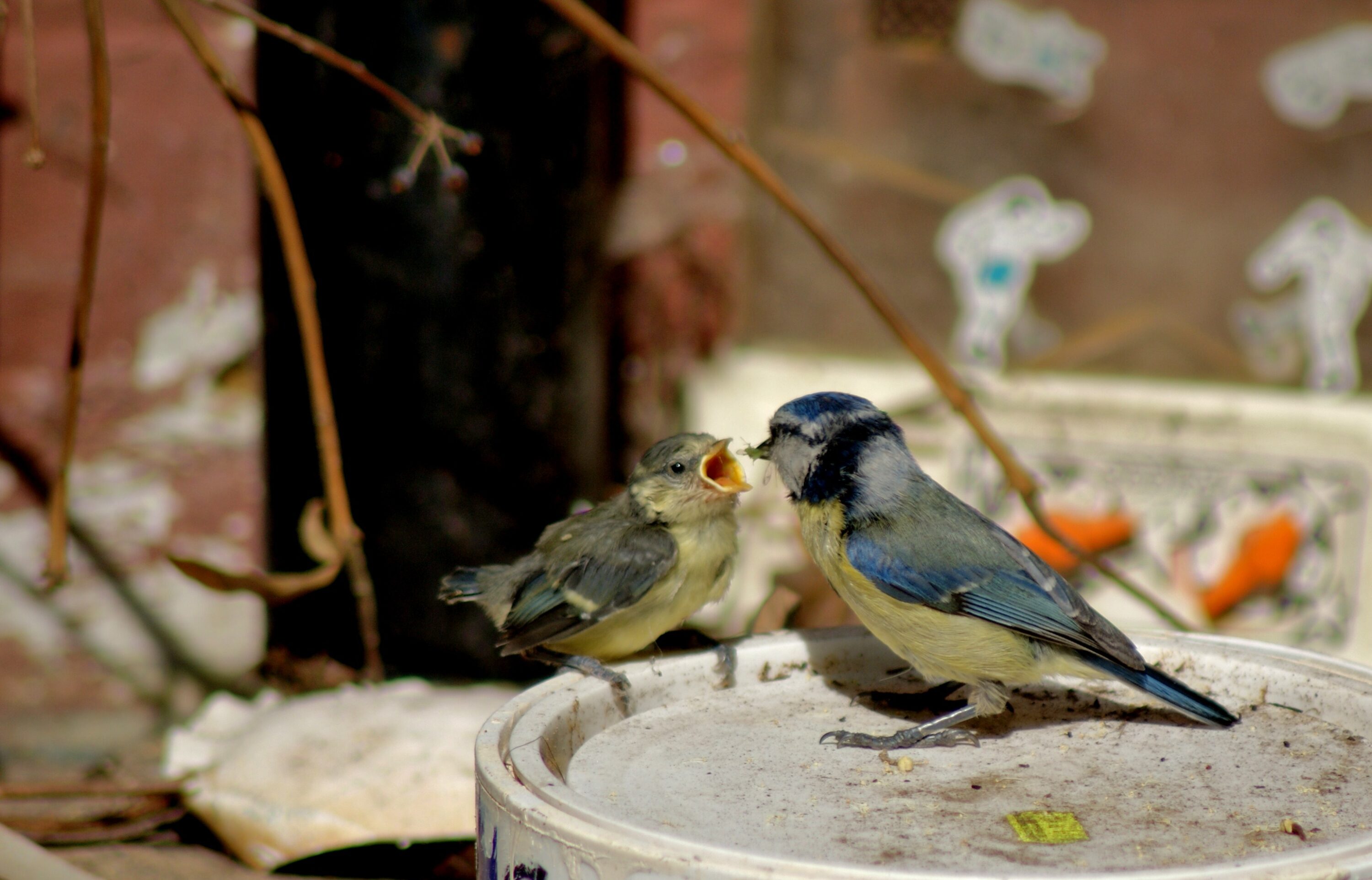
Record May Heatwave Reduced Breeding Success and Nestling Mass in Great Tits and Eurasian Blue Tits
Compared with equivalent parts of the breeding season in 1978–2025, fledgling number declined by 4.5 nestlings in 2026…
Read story →
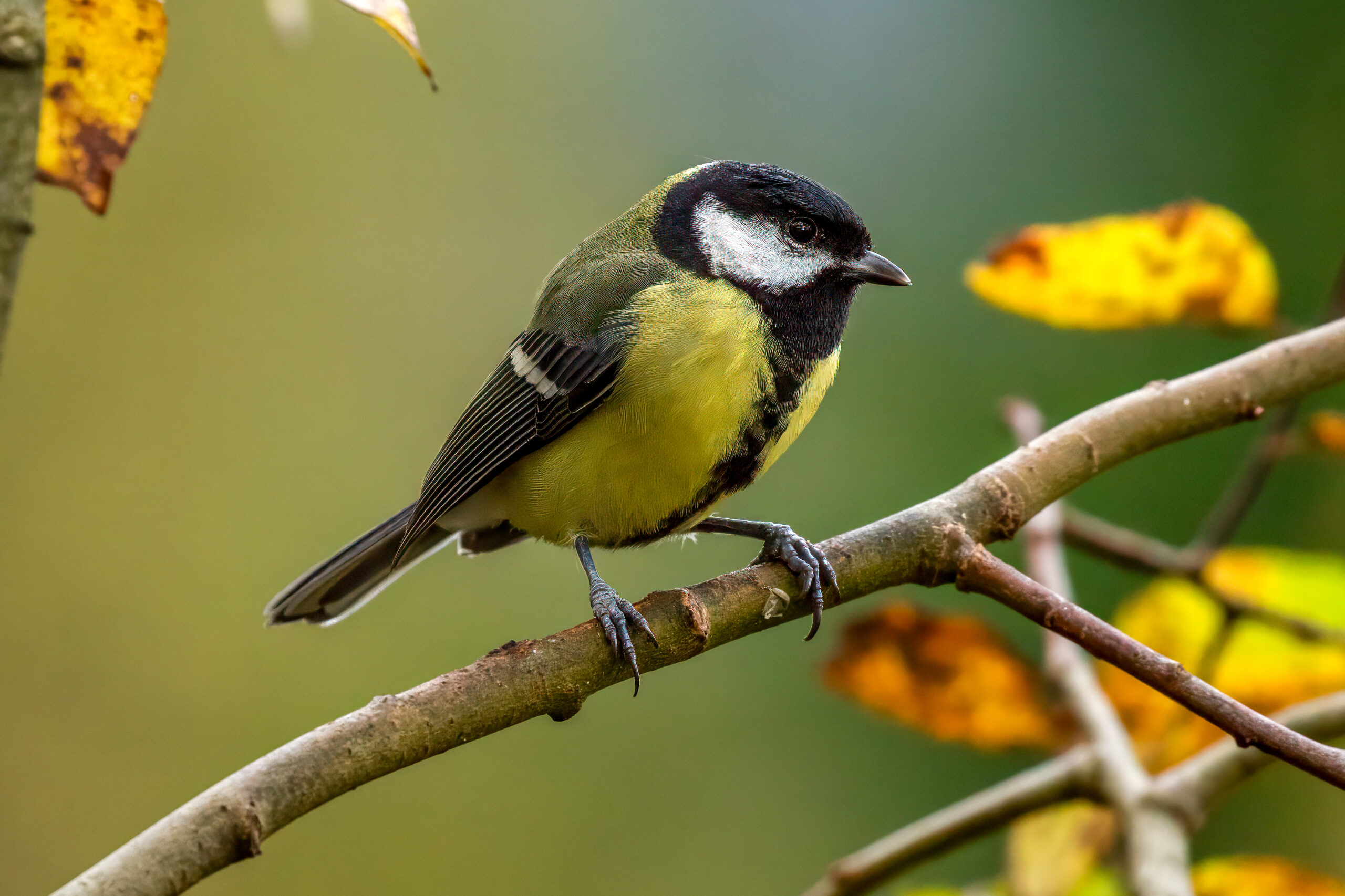
Autumn Movement Timing Stayed Stable as Wings Became Rounder in Great and Eurasian Blue Tits
Hungarian ringing data from 2004–2024 found stable autumn movement timing in great and Eurasian blue tits, while body…
Read story →SPECIES IN THIS STORY
Species in this story
Independent research and conservation news archive
Did you find this information useful?
Wildlife Vagabond is independently built and maintained. Voluntary support helps cover source verification, hosting and continued work on research and conservation news.
Support Wildlife VagabondThe news archive will remain freely available.