
Red Deer Showed Stronger Night-time Selection of Intra-forest Meadows in Warmer Winters
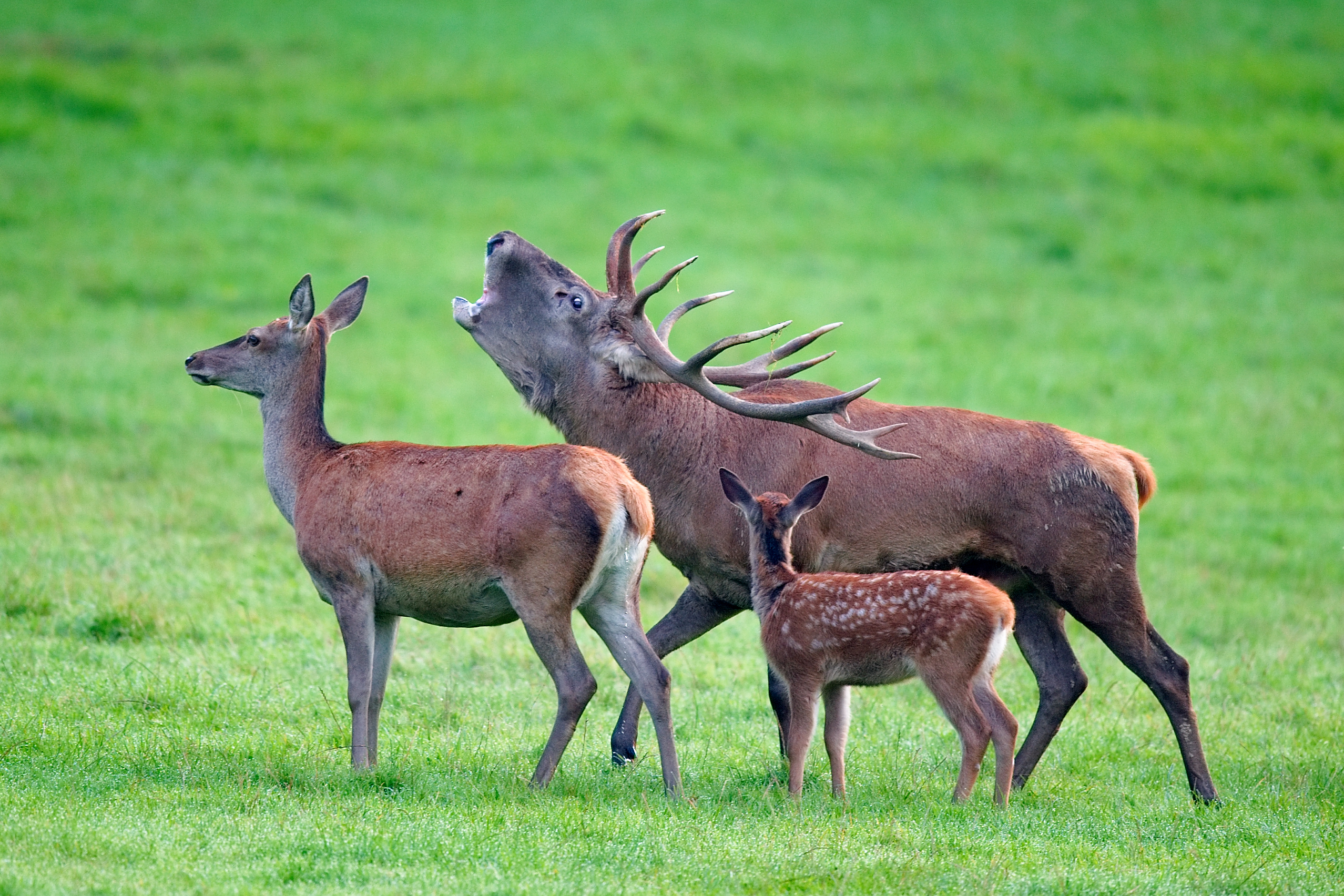
GPS tracking of red deer (Cervus elaphus) in long-term study populations in France and Belgium showed that meadows embedded within forest were selected as night-time habitat in every season. The preference was weakest in winter, but became stronger in warmer winters.
The researchers compared how often deer used intra-forest meadows with how much meadow habitat was available within their home ranges, separating daytime from night-time use. The clearest pattern was the contrast between night and day: deer selected the meadows at night in all seasons, while daytime use did not show the same positive selection.
Open meadows were mainly a night-time feeding resource
The authors interpret this pattern as a balance between food and safety. Meadows provide accessible grass, but they also leave deer more exposed. Using them more strongly at night is therefore consistent with deer taking advantage of open feeding areas when human disturbance and perceived risk are lower.
Selection was weaker in winter than in spring and summer. The authors suggest that this partly reflects lower vegetation availability during winter, when the feeding value of the meadows is reduced.
Warmer winters increased meadow use
Winter temperature changed this pattern. In both study populations, night-time selection of intra-forest meadows became stronger as mean winter temperature increased. The authors suggest that warmer conditions make these open patches more valuable by allowing vegetation to start growing earlier and by reducing snow cover, leaving grass more accessible.
The study does not show that temperature acts directly on deer behaviour. The proposed mechanism works through changes in forage availability, which was not measured directly. What the GPS data show is a consistent association between warmer winters and stronger night-time selection of meadows.
The authors also suggest that concentrating deer around open feeding patches could alter where browsing pressure falls in the surrounding forest, with possible consequences for tree regeneration. Browsing on trees was not measured in this study, so this remains a hypothesis rather than a demonstrated effect.
Ecology
Related news
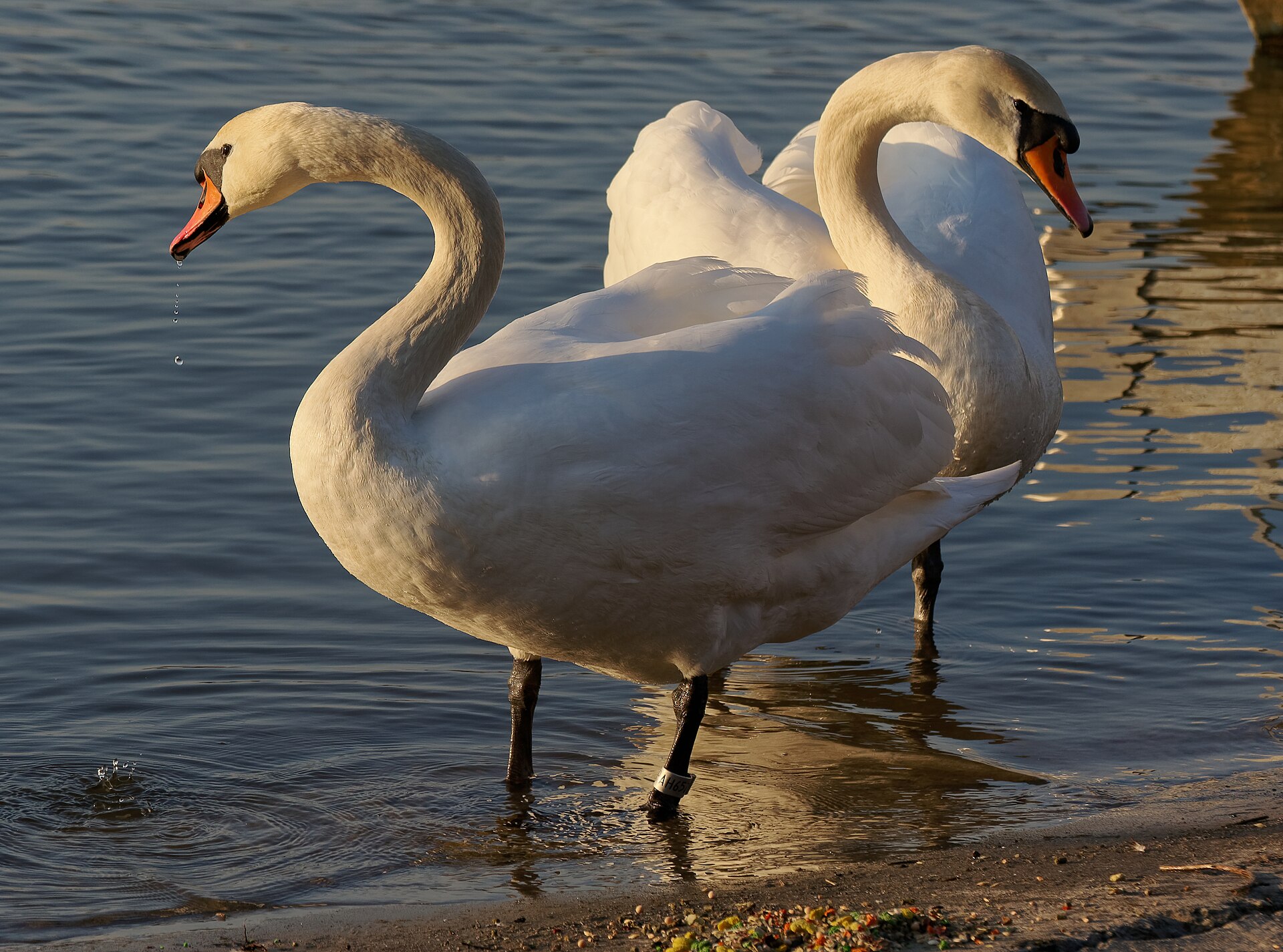
Inland Mute Swans Had Higher Winter Body Condition Despite Harsher Winters and Supplemental Feeding
A study of 853 mute swans from four Polish wintering regions found higher body condition inland than on…
Read story →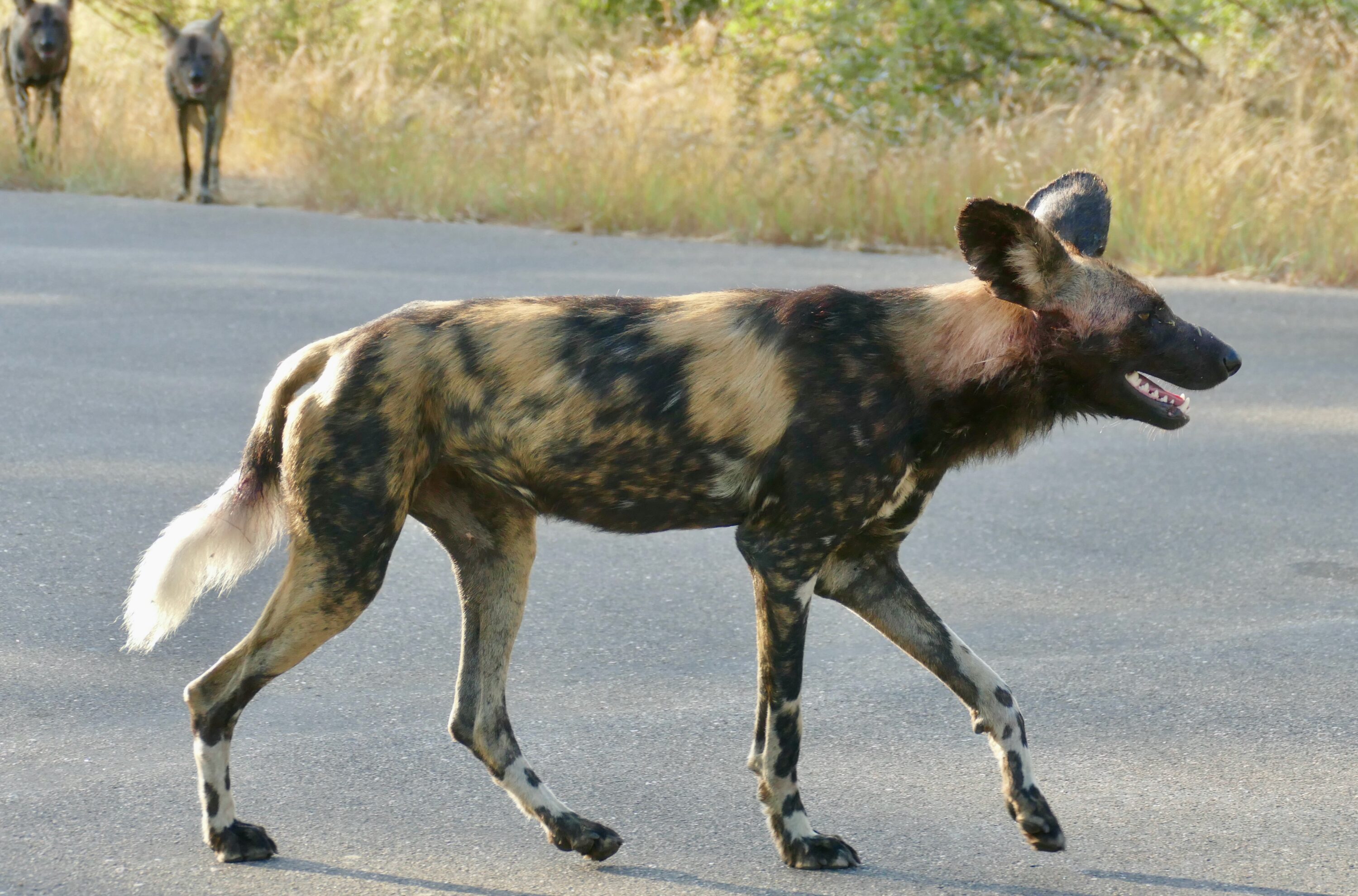
Gut Microbiomes Across Nine Kruger Mammals Clustered More Strongly by Dietary Group Than Species
A study of 89 quality-filtered faecal samples from nine wild mammals in Kruger National Park found that carnivores,…
Read story →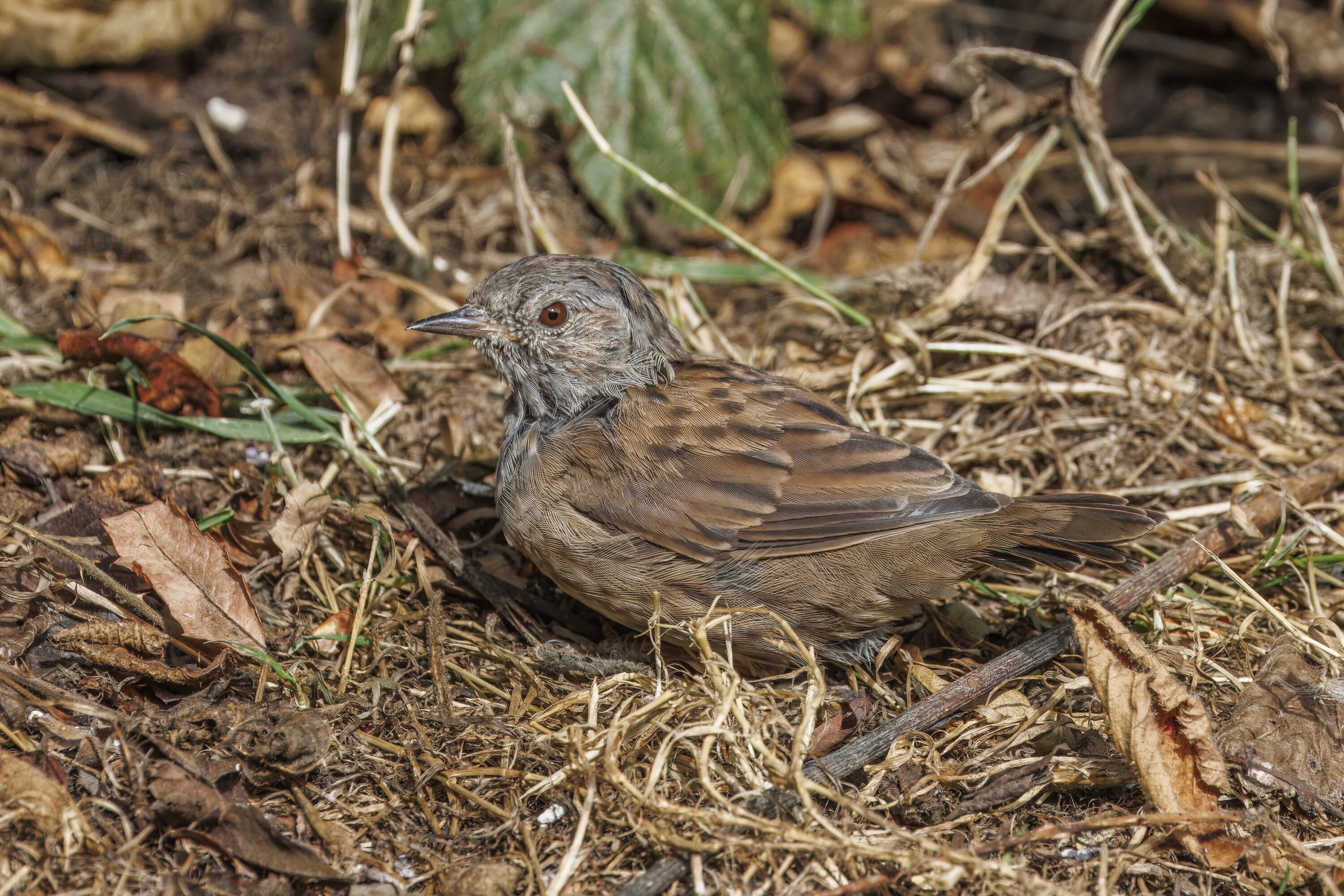
Dunnock Spring Passage Advanced by Up to 8.3 Days Over 61 Years at Hel
Standardised ringing data from northern Poland showed that the first, median and last phases of dunnock spring passage…
Read story →SPECIES IN THIS STORY
Species in this story
Independent research and conservation news archive
Did you find this information useful?
Wildlife Vagabond is independently built and maintained. Voluntary support helps cover source verification, hosting and continued work on research and conservation news.
Support Wildlife VagabondThe news archive will remain freely available.