
Mange-Compatible Signs in Red Foxes Were Linked to Low Altitude and Higher Mammal Diversity
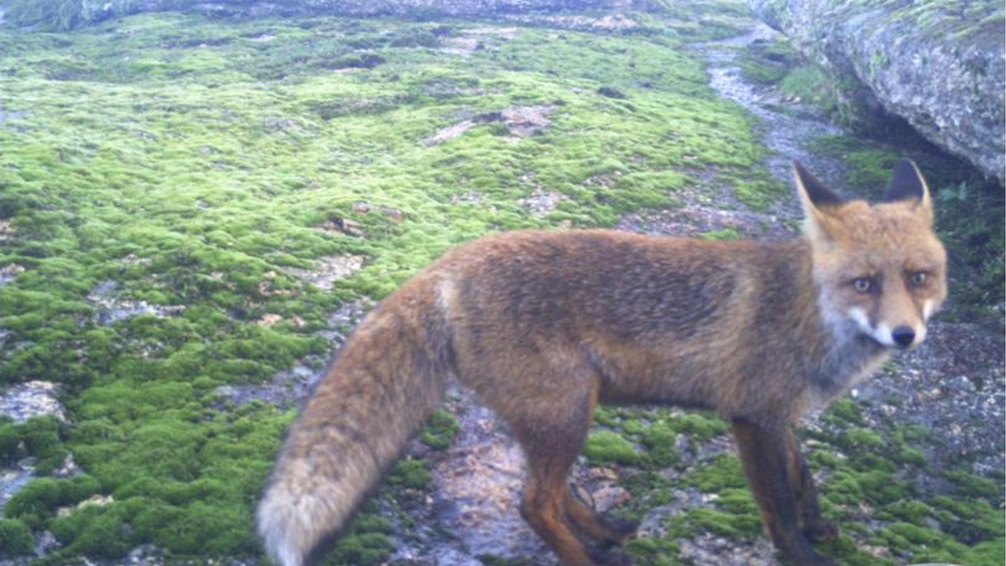
A camera-trap study published in 2026 found signs compatible with sarcoptic mange in 75 of 2,592 independent red fox (Vulpes vulpes) records from 11 study areas in central Portugal, corresponding to 2.9% of the classified records. Sarcoptic mange is a contagious skin disease caused by the mite Sarcoptes scabiei, which burrows into the skin and can cause intense itching, hair loss and crusting. Because the study classified visible lesions in photographs, these were mange-compatible records rather than laboratory-confirmed infections. Foxes with mange-compatible lesions were recorded at nine sites.
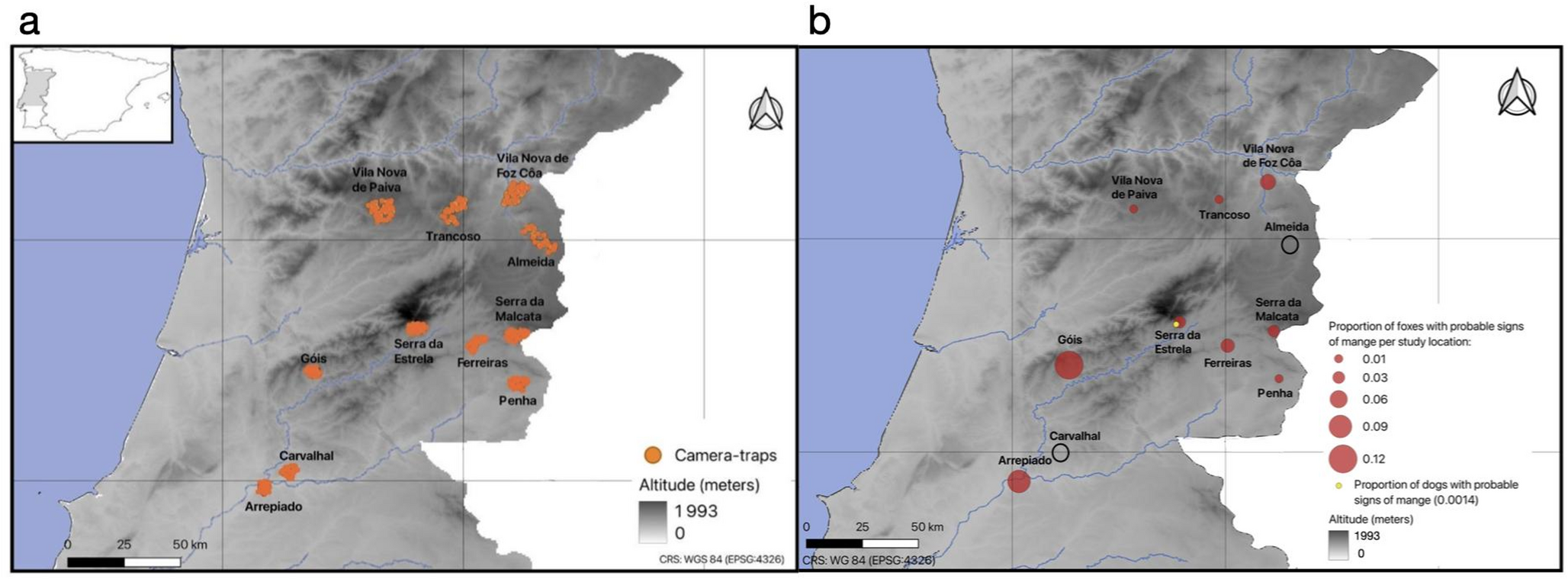
The photographs were collected during wet and dry seasons in 2022–2024. Researchers checked for hair loss, crusting and skin lesions, and used retained black guard hairs to help distinguish seasonal moulting from probable mange. A further 296 records could not be classified reliably.
The best individual combined model linked mange-compatible signs to lower altitude and greater wild-mammal diversity. Associations with rainfall and vegetation productivity were uncertain in that model. However, averaging the three best models also supported positive associations with rainfall and vegetation productivity.
The authors suggest that environmental conditions and the mammal community can affect opportunities for mite transmission. They recommend complementing camera-trap observations with pathological, parasitological and molecular analyses to confirm the circulation and genotype of Sarcoptes scabiei.
Disease, parasites & microbiology
Related news
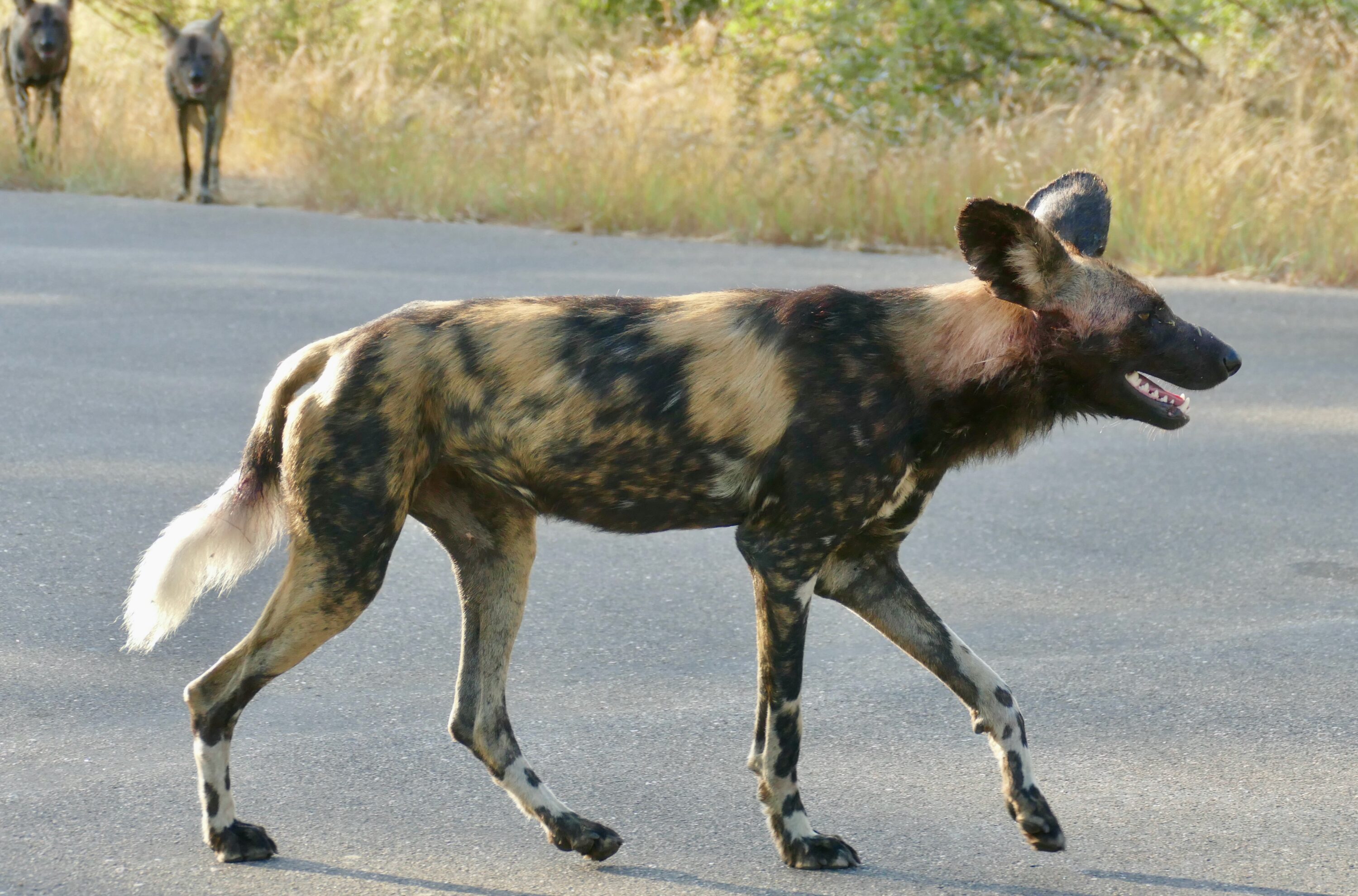
Gut Microbiomes Across Nine Kruger Mammals Clustered More Strongly by Dietary Group Than Species
A study of 89 quality-filtered faecal samples from nine wild mammals in Kruger National Park found that carnivores,…
Read story →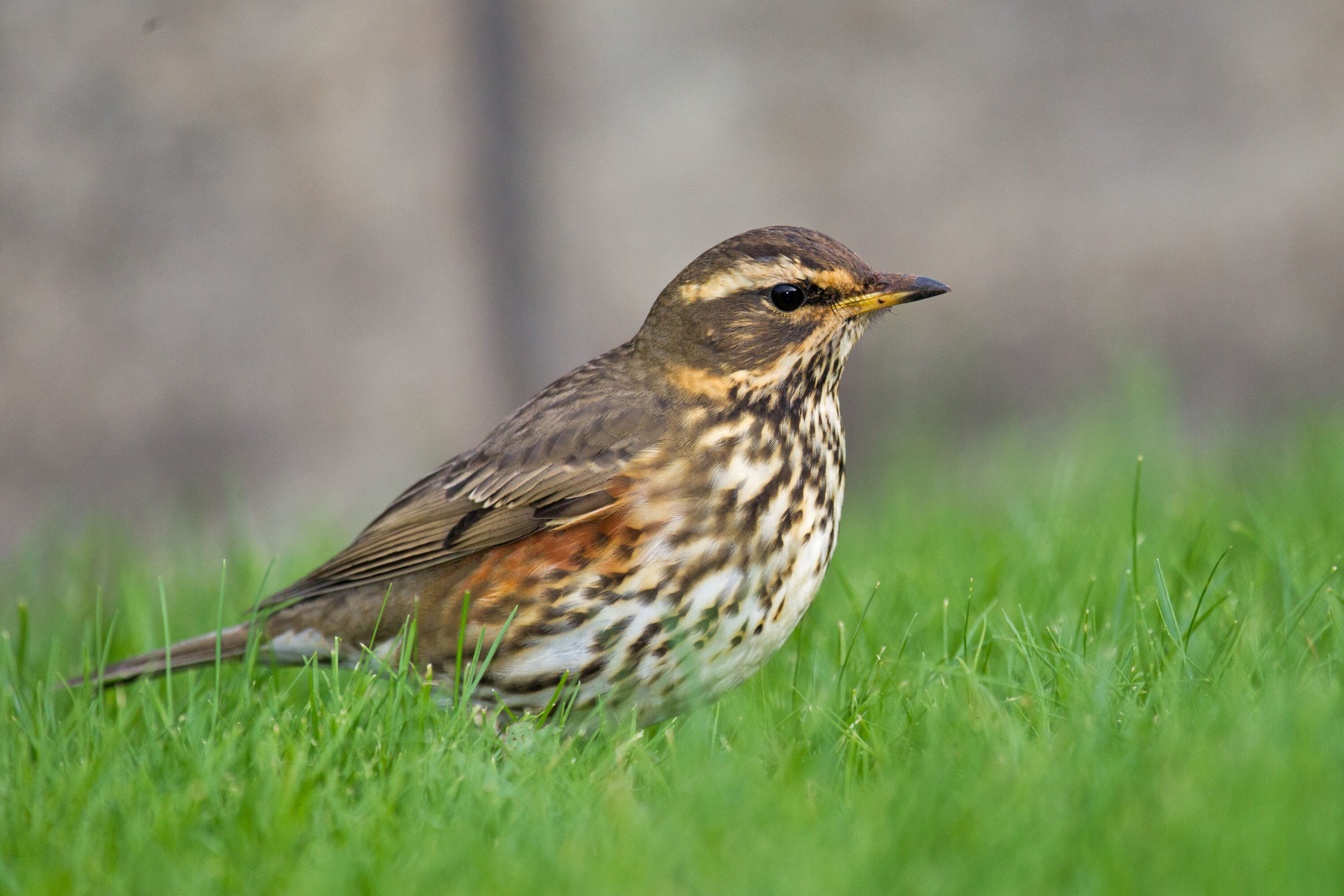
Nearly Three-quarters of Migrating Redwings Carried Ticks During Two Mild Belgian Autumns
Ticks were found on 72.9% of 284 redwings sampled during late-autumn migration in Belgium; 12.9% of 698 screened…
Read story →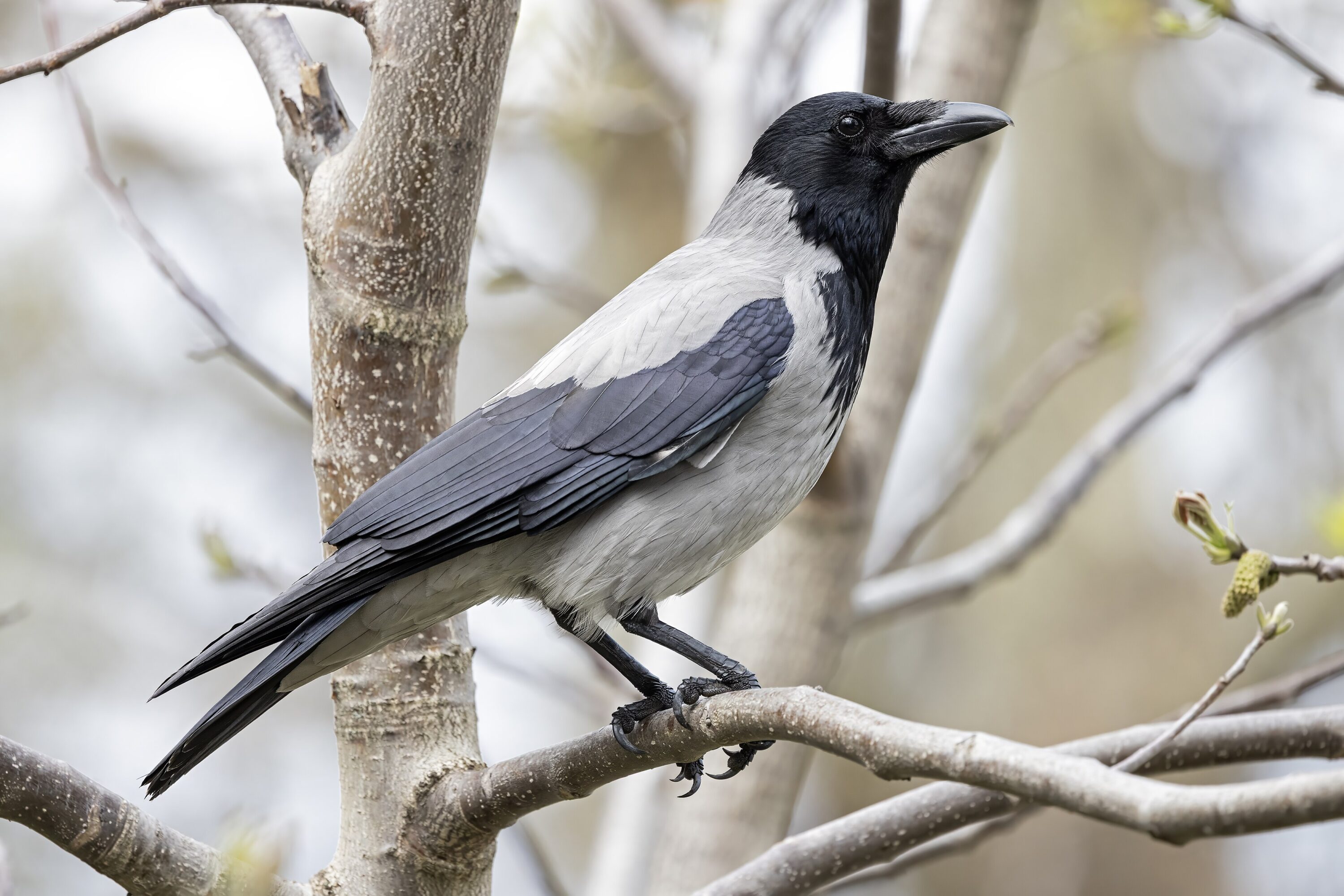
Hooded Crows Were Linked to 87 Reported West Nile Virus Bird Outbreaks in Europe
The September ECDC–EFSA report linked hooded crows to 87 reported West Nile virus bird outbreaks, Eurasian magpies to…
Read story →SPECIES IN THIS STORY
Species in this story

Independent research and conservation news archive
Did you find this information useful?
Wildlife Vagabond is independently built and maintained. Voluntary support helps cover source verification, hosting and continued work on research and conservation news.
Support Wildlife VagabondThe news archive will remain freely available.