
Rhesus Macaques Made More Accurate Choices When They Responded Faster
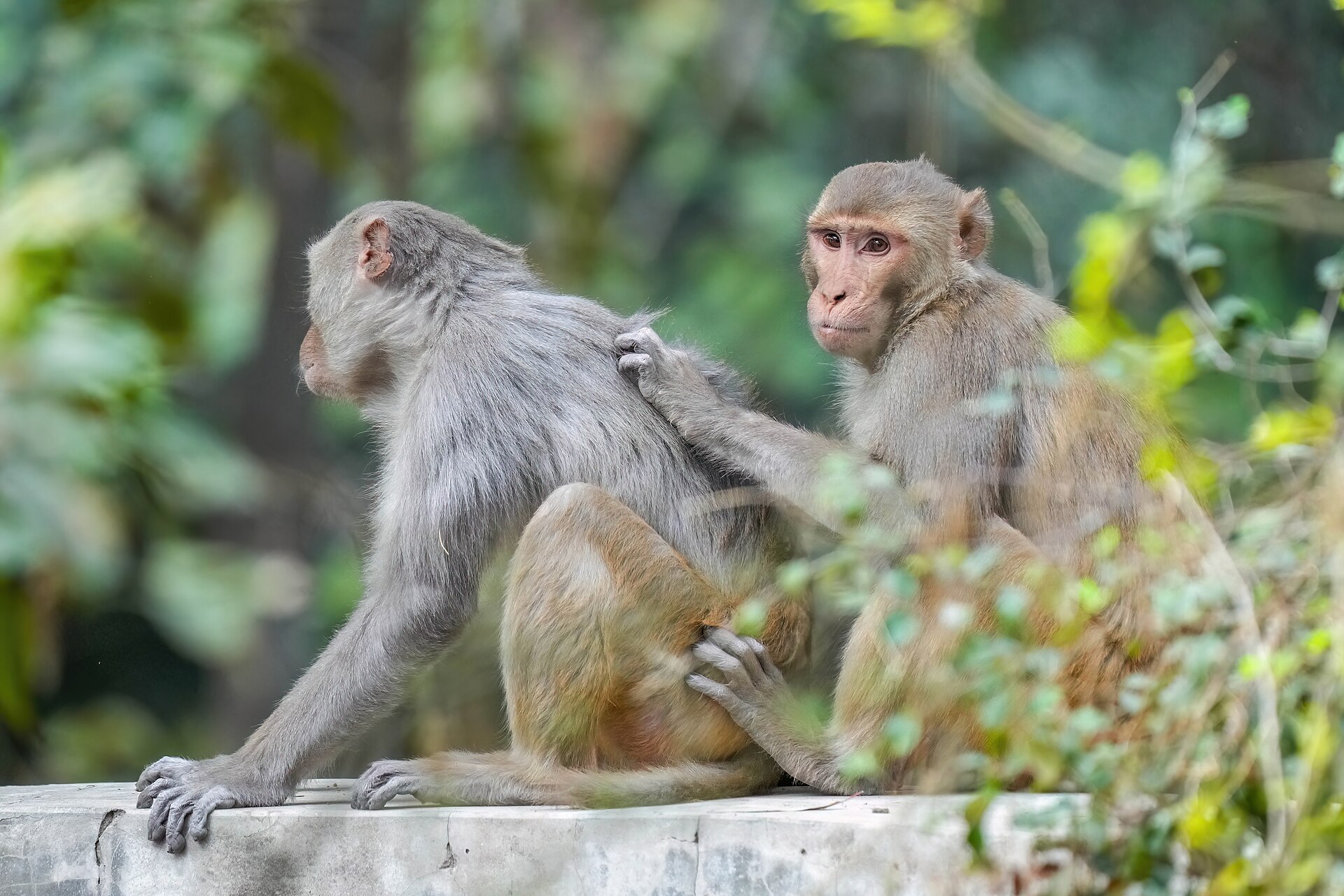
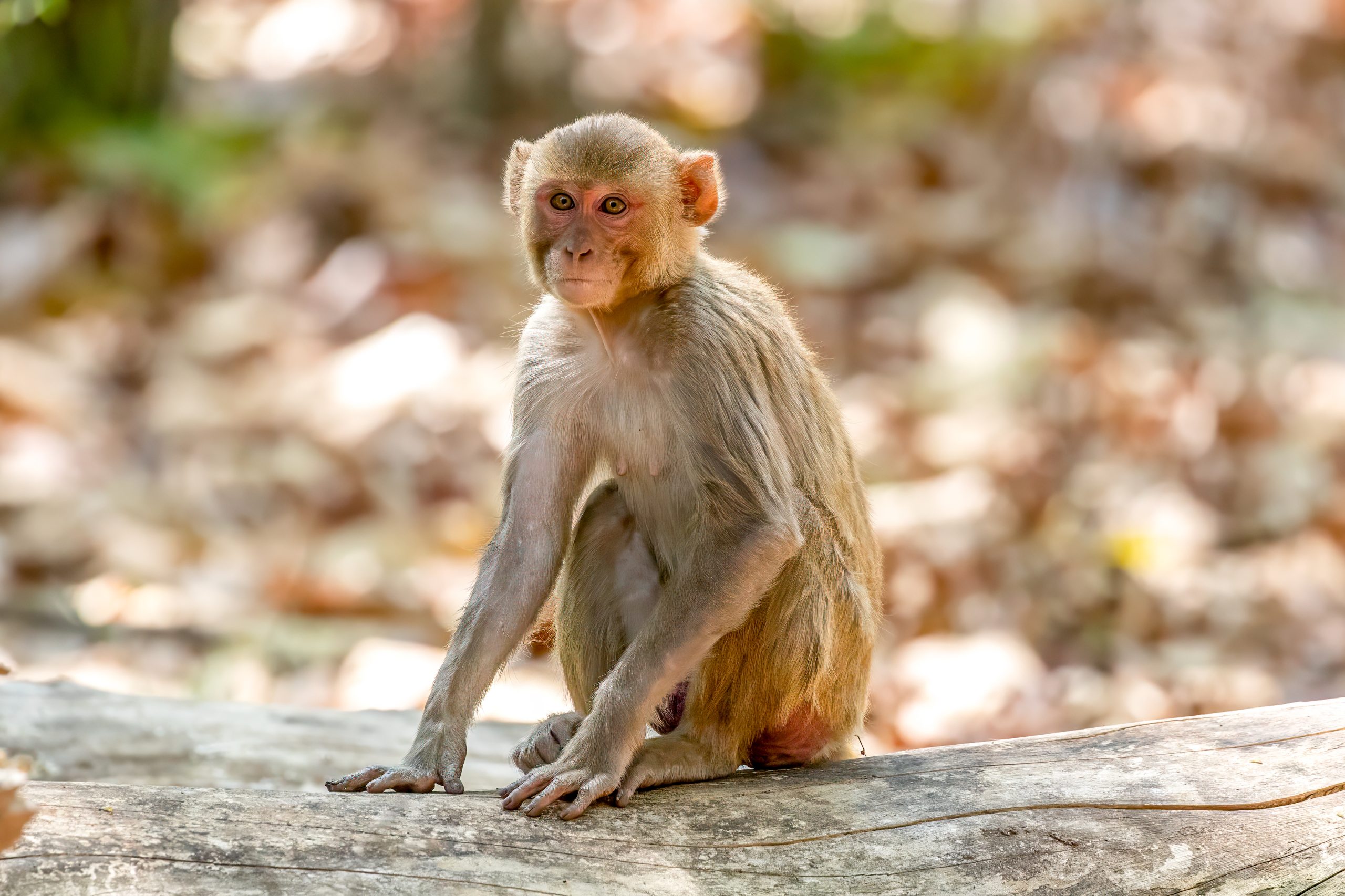
Rhesus macaques (Macaca mulatta) made more accurate choices in trials where they responded faster. That might sound unsurprising if the quick decisions were simply easier ones, but the relationship remained even after researchers accounted for how difficult each choice was. It challenges the familiar assumption that taking more time necessarily improves the accuracy of a decision.
The macaques performed a task in which they had to choose between two alternatives. Researchers compared their accuracy, the difficulty of each choice and how long the animals took to respond. The central question was how the monkeys allocated cognitive control: the mental effort used to guide a decision when the best choice is not immediately obvious.
Faster responses were not simply easier choices
In many decision tasks, difficult choices take longer and are more likely to be wrong. If that had been the only explanation here, the relationship between response speed and accuracy would have disappeared once choice difficulty was taken into account. Instead, the macaques were still more likely to choose correctly on faster trials of comparable difficulty.
The researchers examined whether this pattern could be explained by metacognitive monitoring, in which a decision-making system evaluates its own progress and adjusts the control invested in the choice. One relevant signal is confidence: how reliable an emerging decision appears to be. Extra cognitive control may improve a decision, but it also demands effort and time.
Balancing confidence against mental effort
A computational model that weighed the cost of additional control against the benefit of greater confidence reproduced the observed relationship between difficulty, response time and accuracy. In this interpretation, the monkeys did not follow a simple rule that a longer decision is always a better one. Instead, the amount of control applied could change according to how useful further processing was expected to be.
The experiment measured choices and response times rather than the animals’ subjective thoughts or a specific neural signal. The model therefore offers an explanation for the behaviour, not direct proof of conscious self-reflection. The findings nonetheless suggest a way to investigate how primates regulate the cognitive effort they invest in decisions, and how such control mechanisms may have evolved.
Behaviour
Related news
Rhesus macaque vaginal microbiomes changed little across menstrual cycles
Across three cycles in six rhesus macaques, most circulating immune-cell populations and the vaginal microbiome changed little. The…
Read story →
A T-cell vaccine did not improve protection against SHIV, but was linked to better control after infection
In rhesus macaques, adding a T-cell vaccine to PGT121 did not improve protection against SHIV infection. Among animals…
Read story →
Macaques Reacted Slowest Where Either Hand Was Equally Likely to Be Chosen
In a reaching task, two rhesus macaques were slowest to respond near the point where either hand was…
Read story →SPECIES IN THIS STORY
Species in this story
Independent research and conservation news archive
Did you find this information useful?
Wildlife Vagabond is independently built and maintained. Voluntary support helps cover source verification, hosting and continued work on research and conservation news.
Support Wildlife VagabondThe news archive will remain freely available.