
European Roe Deer Revealed Local Differences in Cadmium and Lead Exposure
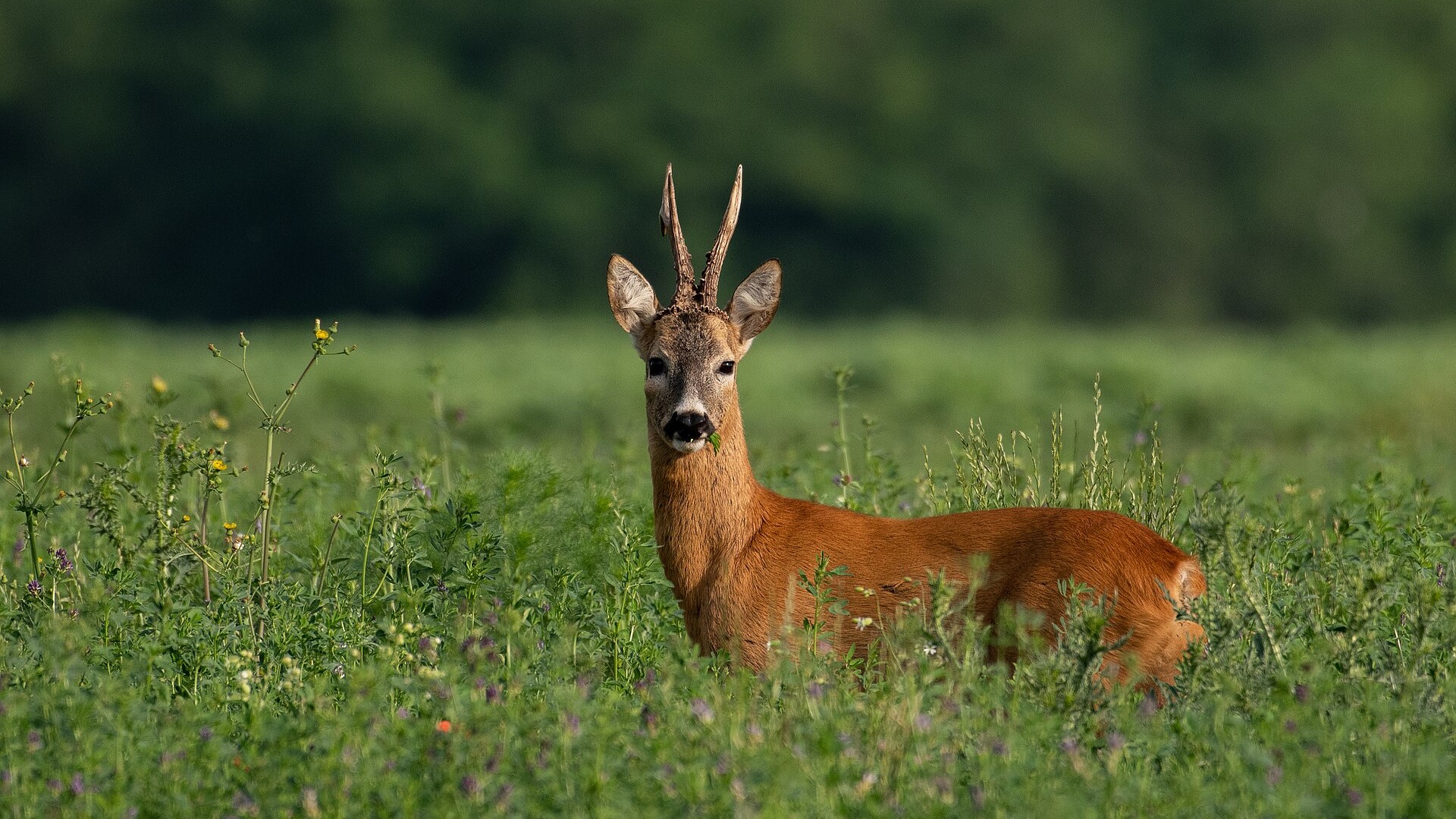
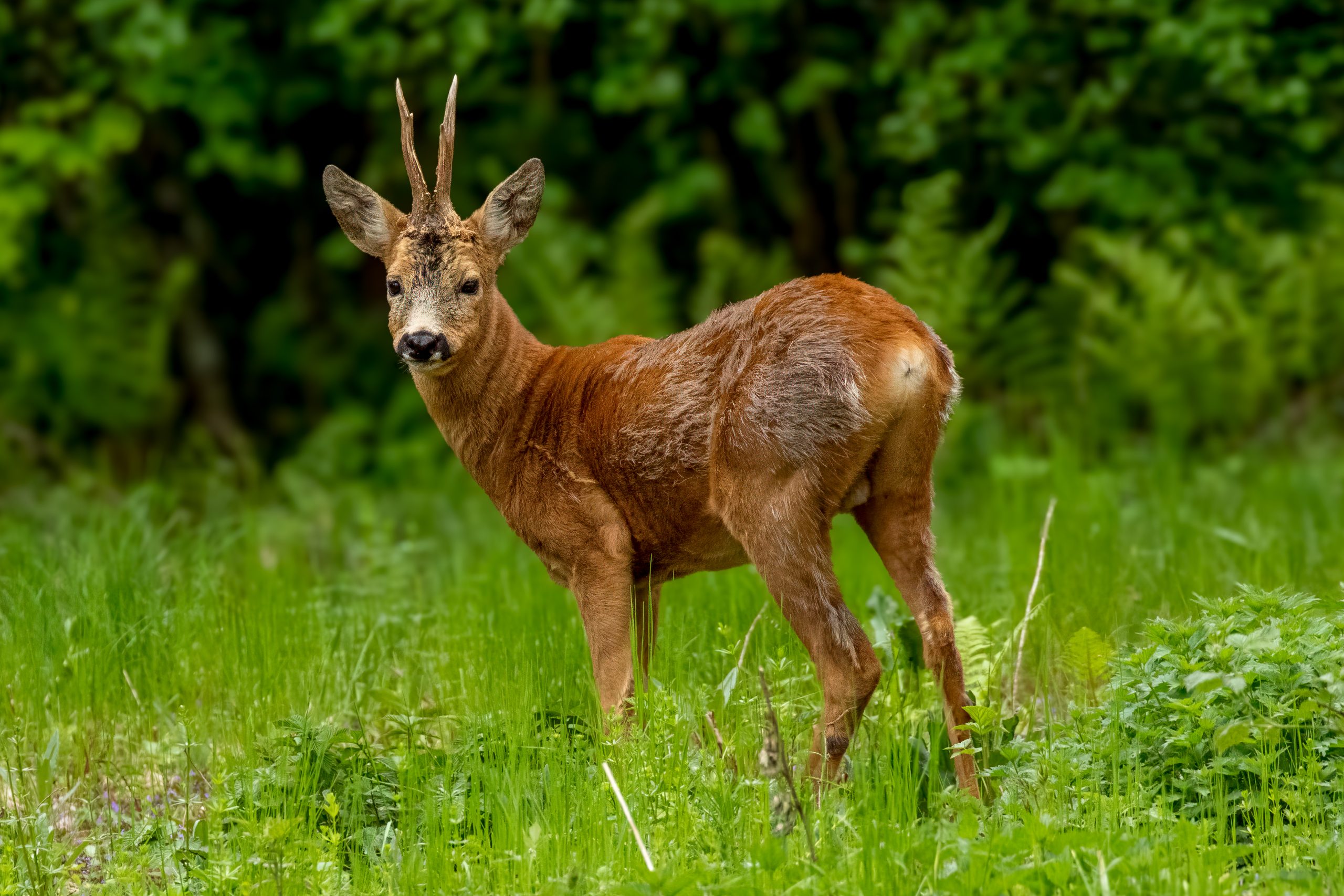
A survey of European roe deer (Capreolus capreolus) from three hunting grounds in central Serbia has detected cadmium and lead in liver and kidney tissue, with clear differences among locations. The researchers argue that the widespread, territorial herbivore can help reveal how these persistent contaminants are distributed in the environment.
The team analysed samples collected from adult European roe deer during the regular 2022 hunting season. The material comprised 59 liver samples and 68 kidney samples from Barajevska Reka, Takovo and Resava. Tissue affected by the bullet path was excluded to reduce the risk that ammunition contaminated the sample itself. Cadmium and lead concentrations were then quantified by atomic absorption spectrophotometry, a laboratory method that measures how strongly atoms of each metal absorb light at characteristic wavelengths. Concentrations are reported as milligrams of metal per kilogram of fresh tissue.
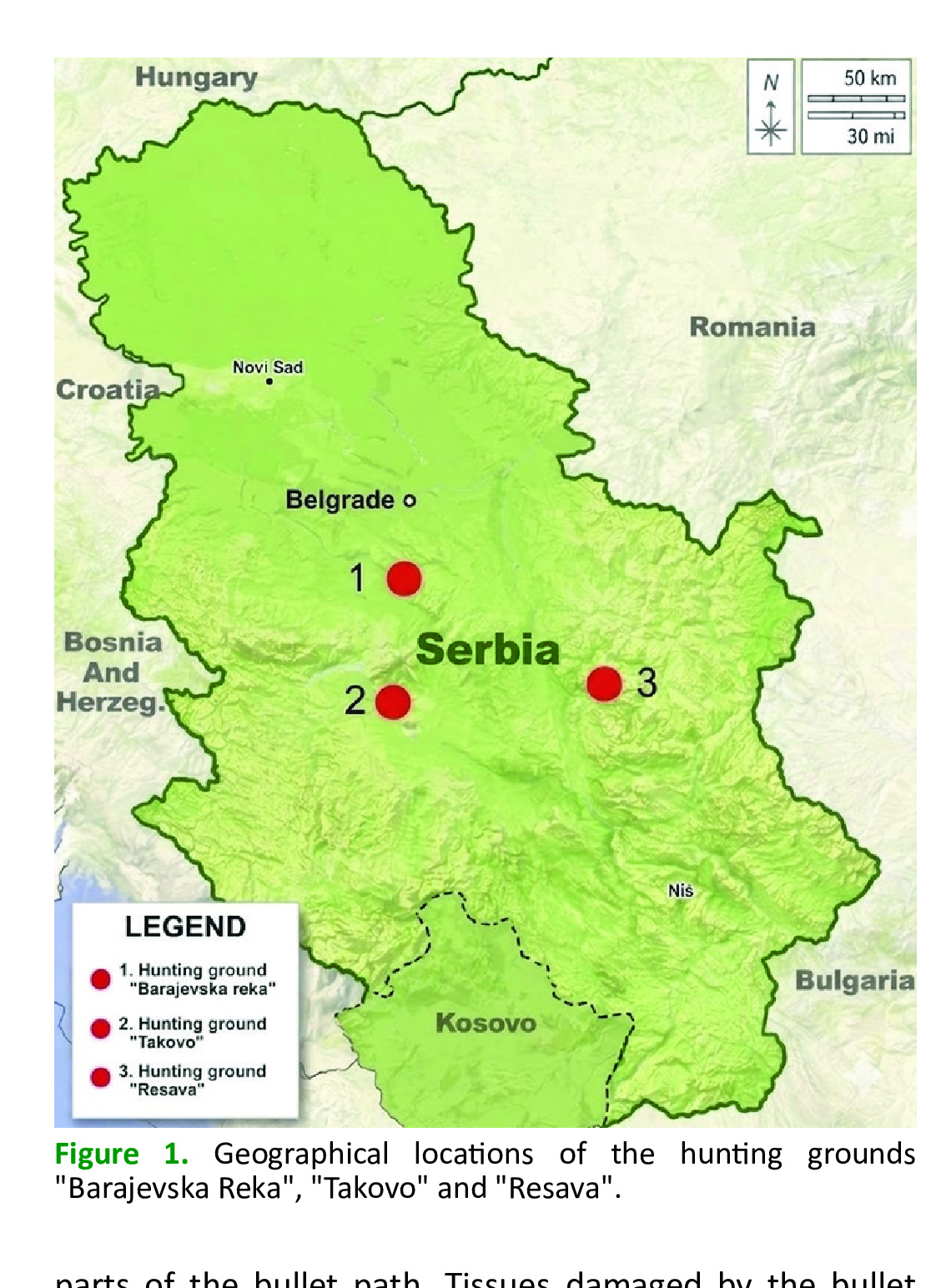
Cadmium was detected in 98.3% of the liver samples and all kidney samples. The same geographical pattern appeared in both organs: Takovo had the highest mean concentrations, at 0.247 mg/kg in liver and 0.541 mg/kg in kidney, while Resava had the lowest, at 0.046 and 0.356 mg/kg respectively. The authors caution that Resava contributed only four samples of each tissue, so its particularly low liver value should be interpreted in light of the small sample. Across all three hunting grounds, cadmium concentrations were significantly higher in kidneys than in livers; the overall means were 0.474 and 0.223 mg/kg. Biologically, a higher tissue concentration means that the animal has accumulated more of the metal in that organ over time; cadmium commonly builds up particularly in kidneys because it is retained and eliminated slowly there.
Lead was less consistently detected. Across all samples, the mean was 0.551 mg/kg in liver and 0.395 mg/kg in kidney, but unlike cadmium there was no clear overall organ effect. The locality ranking also differed between tissues: liver means were highest at Resava (0.686 mg/kg), followed by Barajevska Reka (0.649 mg/kg) and Takovo (0.470 mg/kg), whereas kidney means were highest at Barajevska Reka (about 0.64 mg/kg), followed by Resava (0.435 mg/kg) and Takovo (0.292 mg/kg). The study therefore points to local differences in lead exposure rather than one consistent liver-versus-kidney pattern.
Some individual samples exceeded comparison values
The authors compared the measurements with Serbian maximum concentrations used for contaminants in food from slaughtered livestock: 0.5 mg/kg for cadmium in liver, 1.0 mg/kg in kidney, and 0.5 mg/kg for lead in both tissues. The paper explicitly notes that these food regulations do not formally cover game animals, even though such values are often used as comparison points in game studies. A value above these levels therefore means that the sample exceeds a food-contaminant comparison value, not a formal limit established for game animals.
Six liver samples, or 10.7 per cent, exceeded the cadmium comparison value; no kidney sample exceeded its corresponding value. For lead, six liver samples and 20 kidney samples were above 0.5 milligrams per kilogram. Although the average kidney concentration remained below that value, almost three in ten kidney samples exceeded it individually. Most of those exceedances came from Takovo.
The study does not identify a specific pollution source. The authors mention landfills, industrial facilities and agricultural chemicals as possible local sources, but state that further investigation is needed to test any connection. The three hunting grounds were described as being far from major pollution sources and having relatively low-intensity agriculture.
European Roe Deer as Bioindicators
Because European roe deer are common across Serbian forests and farmland, occupy relatively defined areas and live for several years, their organs can integrate exposure from the landscapes they use. Samples can also be obtained during routine hunting without killing animals specifically for monitoring.
The authors conclude that cadmium contamination was generally low compared with results reported from several other European studies, while lead was more noticeable and varied locally. They call for further research to identify potential sources of pollution behind the local differences.
Threats
Related news
Roe Deer and Wild Boar Remained Key Wolf Prey as Diet Shifted Across North-western Italy
From 2021 to 2025, wolves in north-western Italy continued to feed mainly on wild prey. In the Po…
Read story →
Estimated M. bovis Seroprevalence Was 26.6% in Exmoor Red Deer
A survey of 432 wild deer in the Exmoor area estimated Mycobacterium bovis seroprevalence at 26.6% in red…
Read story →
Roe Deer in Similar Scottish Habitats Had More Similar Diets
DNA metabarcoding from 198 Scottish roe deer found that study site explained about 18% of dietary variation, while…
Read story →SPECIES IN THIS STORY
Species in this story
Independent research and conservation news archive
Did you find this information useful?
Wildlife Vagabond is independently built and maintained. Voluntary support helps cover source verification, hosting and continued work on research and conservation news.
Support Wildlife VagabondThe news archive will remain freely available.