
Roe deer and foxes were less often recorded in Freiburg’s more built-up areas
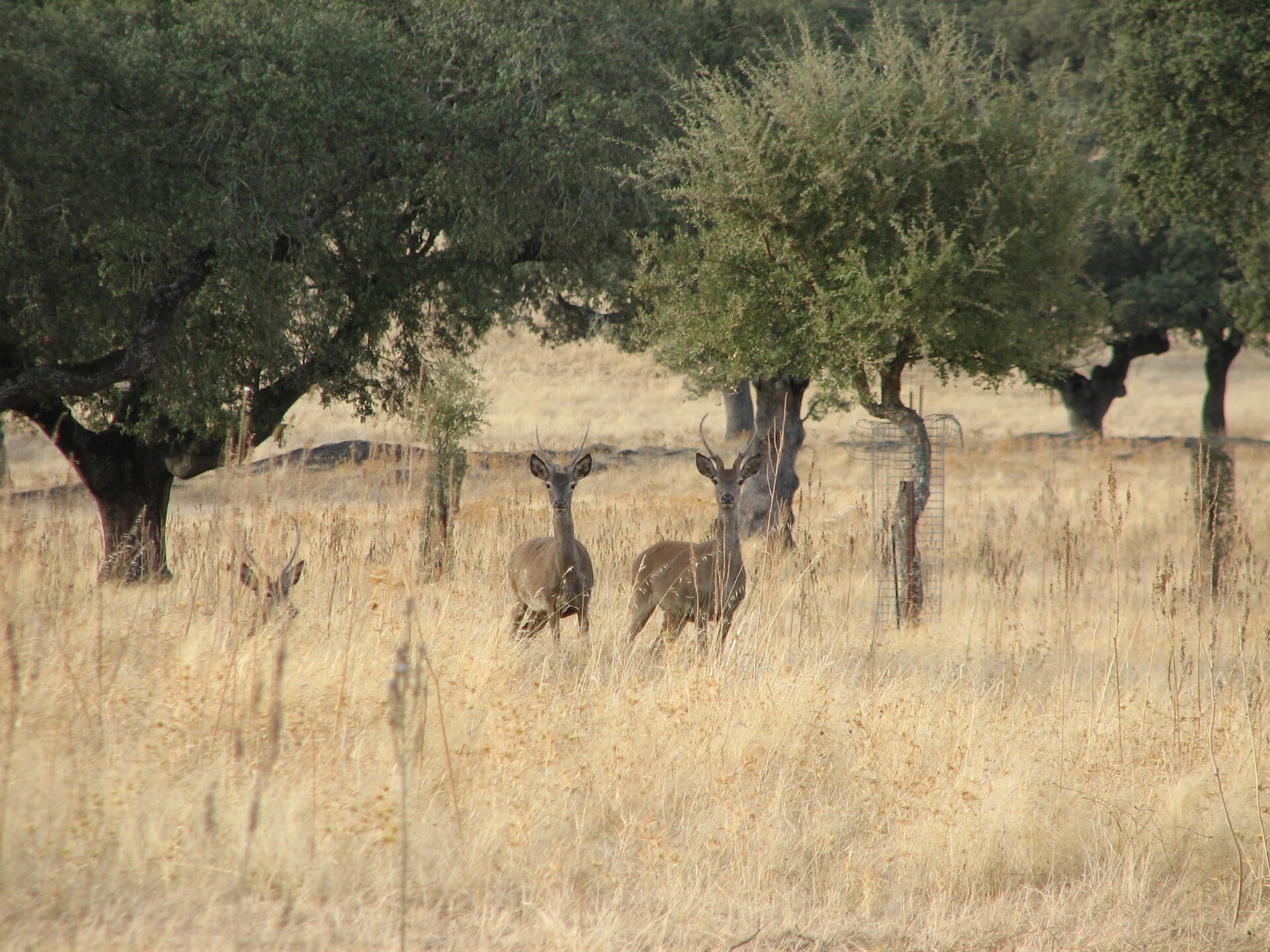
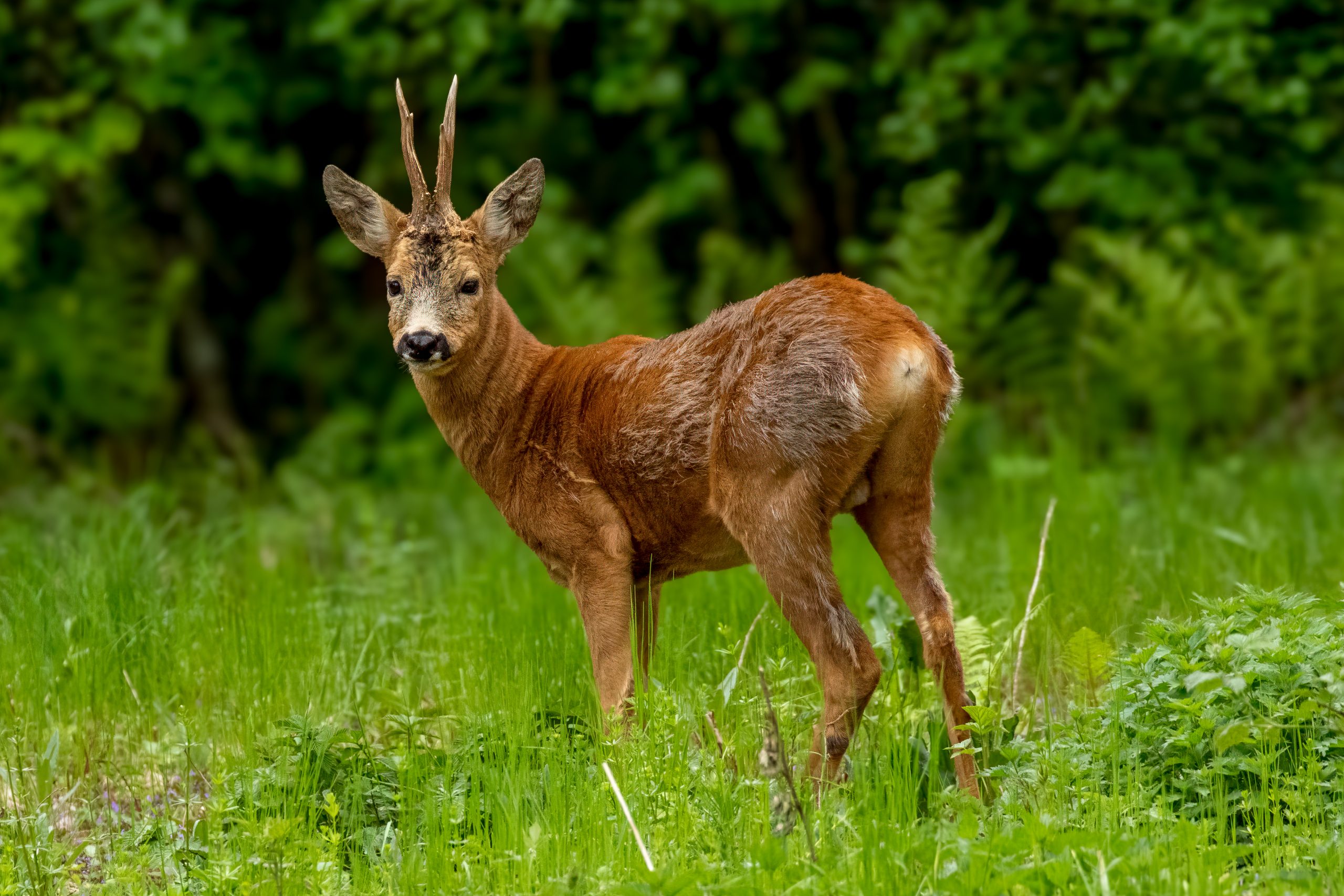
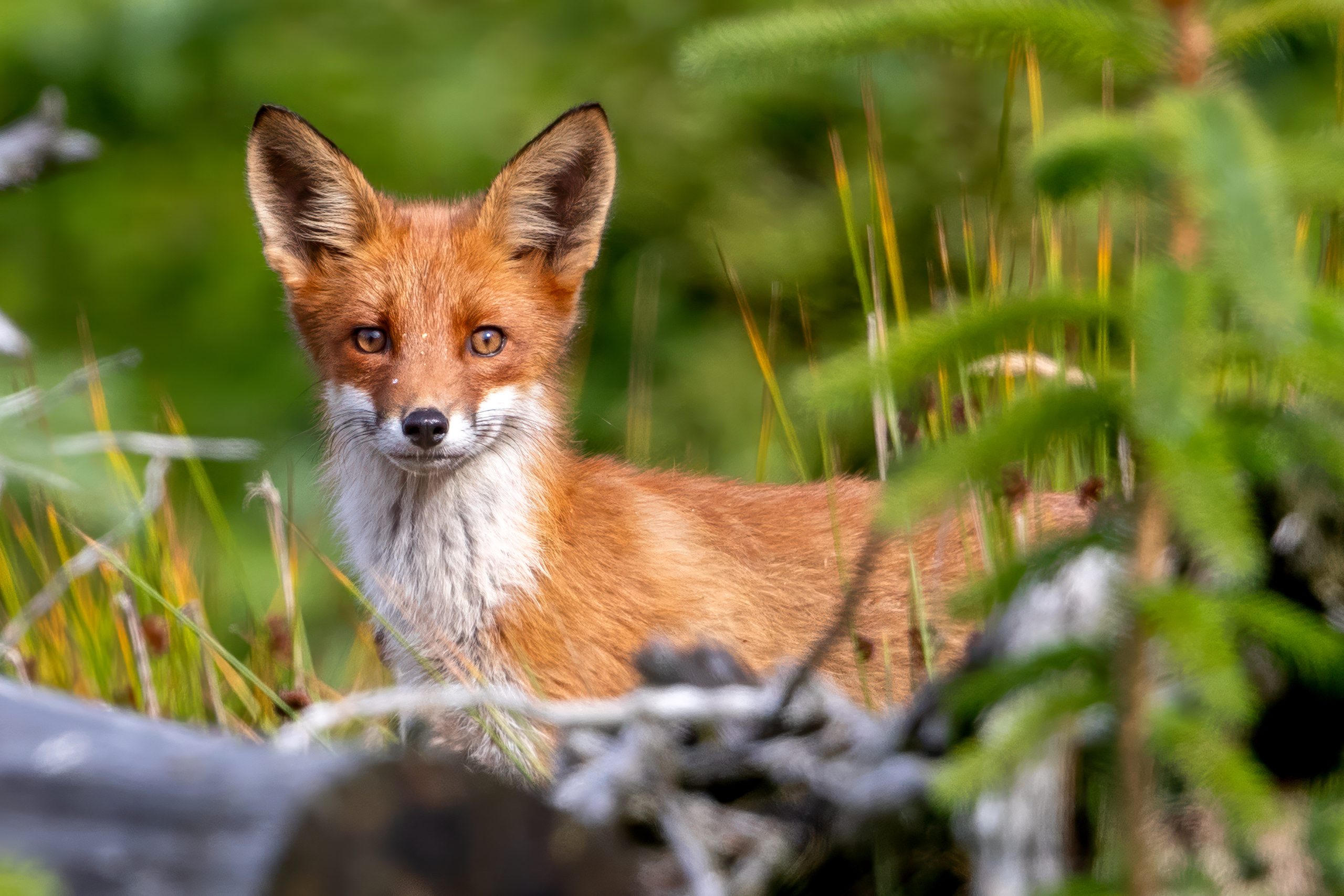
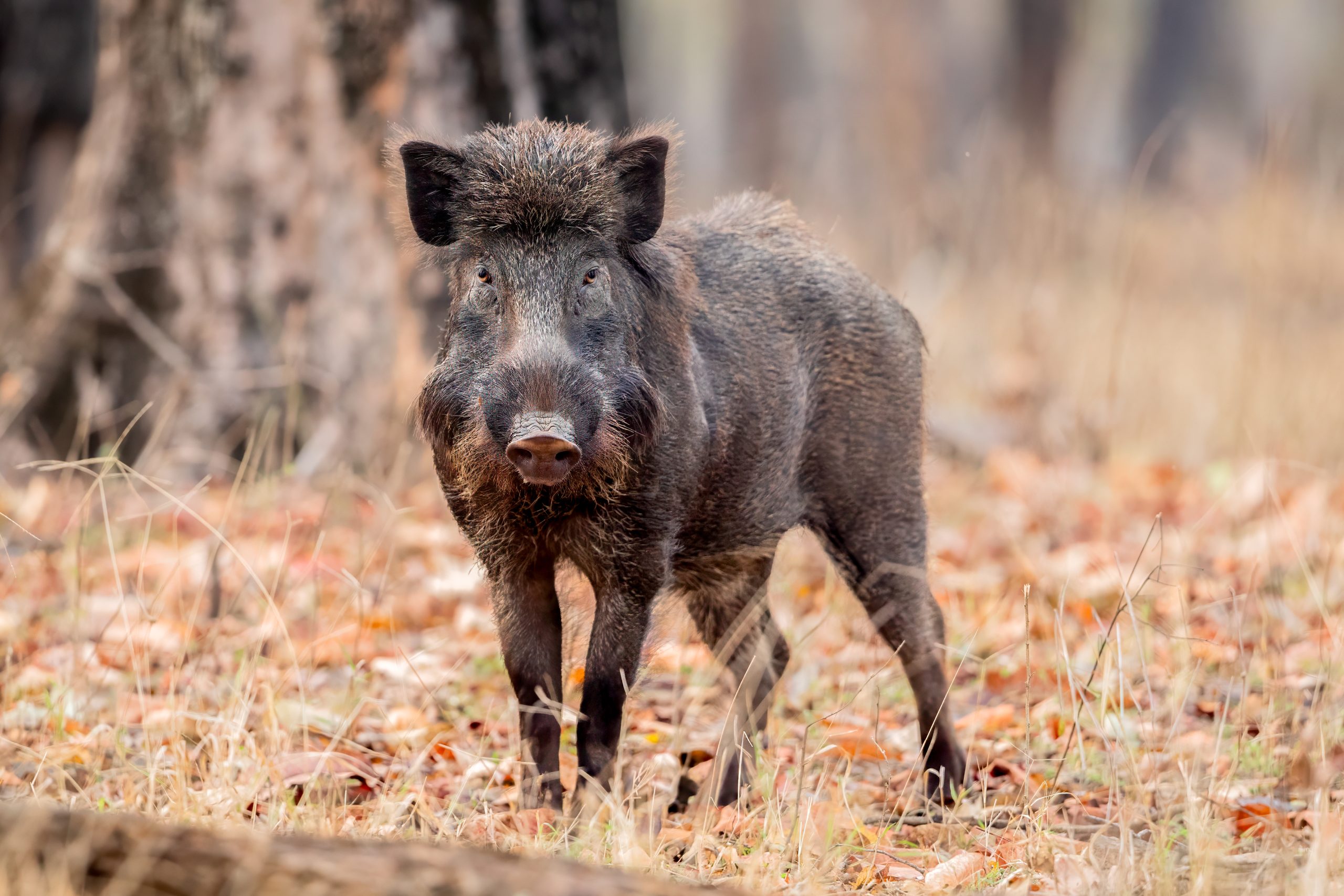
How do mammals fare as roads, buildings and other hard surfaces spread through a city—and do links between green spaces help? A camera-trap study in Freiburg, Germany, found that sites with more impervious surface nearby were less likely to record European badgers (Meles meles), roe deer (Capreolus capreolus) and red foxes (Vulpes vulpes). An analysis of surrounding land use also found a negative relationship for European hares (Lepus europaeus). The number of the study’s seven focal medium-to-large mammal species recorded at a site was significantly lower where more of the surrounding land was covered by hard surfaces. Hedgehog results differed between analyses, while wild boar (Sus scrofa) showed a distinct association with the study’s measure of green-patch connectivity.
More built-up surroundings, fewer records for several species
Impervious surfaces are areas where water cannot readily soak into the ground, such as roads and built-over land. Researchers placed 19 motion-triggered cameras in and around Freiburg and sampled four seasons from October 2021 to July 2022. At each camera location, they recorded which of the seven focal species appeared in photographs and counted how many different species were recorded. They compared these records with surrounding land cover, vegetation, habitat patches and modeled connections to green areas. Impervious cover was measured within a 500-metre radius around each camera.
The land-use analysis linked a greater share of impervious cover to a lower probability of recording badgers, roe deer and foxes; it found the same negative relationship for hares. A second analysis, which assessed urbanization alongside connectivity and other landscape features, also found lower recording probabilities for badgers, roe deer and foxes, as well as significantly lower species richness at sites with more impervious cover. In that analysis, badgers were also more likely to be recorded where nearby forest cover was greater. For hedgehogs, the results were less consistent: one analysis found a positive association between impervious cover and the probability of a record, while the other did not find a clear relationship. Roe deer and wild boar were recorded only at low-imperviousness camera sites in this sample. The study therefore found no single urban response shared by all species.
Green-patch connectivity had a distinct association with wild boar
To estimate how connected green spaces were, the researchers calculated an area-weighted least-cost distance index. It combined the size of the green patch containing each camera, the size of a nearby reachable patch and the modeled route between them, accounting for how easily different types of land cover were expected to allow movement. In the study, higher values indicated greater patch connectivity. The index describes the landscape; it does not track animals moving between patches.
Wild-boar occurrence was positively associated with this connectivity index. The authors interpret the result as consistent with boars’ sensitivity to road density and preference for near-natural, vegetated sites. Stone-marten occurrence was associated with the density of landscape patches around a camera. Overall, however, connectivity measures had less influence on species-specific occurrence than the researchers expected, and they did not measurably explain the overall richness pattern.
Figure 2 in the original study illustrates the camera sites, recorded species richness and species-specific observations across different levels of impervious cover.
The authors suggest Freiburg’s compact layout and surrounding forests may help explain why links between green patches played a smaller role here than they might in cities where green areas are more isolated. The clearest broad pattern was the association between more impervious surroundings and fewer recorded species, alongside distinct responses among individual mammals.
Ecology
Related news
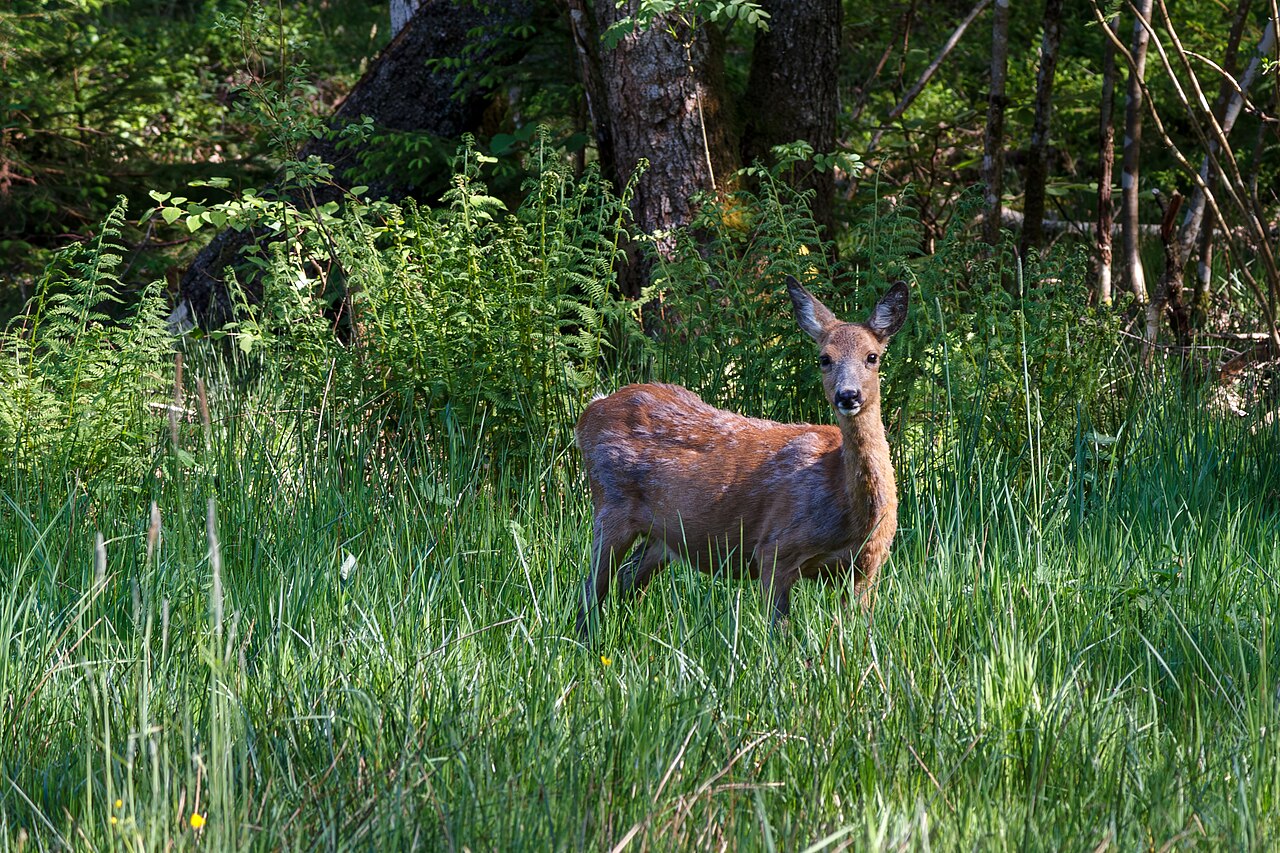
Roe deer crossed through existing railway structures, but wild boar rarely did
Cameras at 40 existing railway structures in northwestern France recorded roe deer crossing at nine and wild boar…
Read story →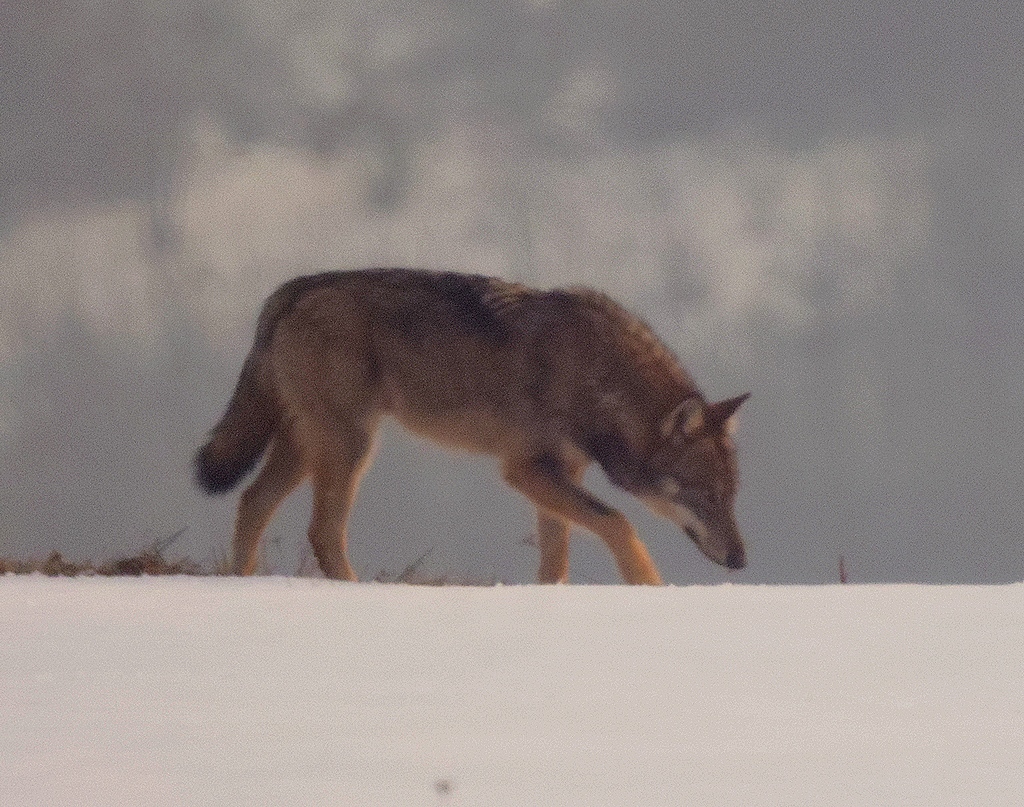
Roe Deer and Wild Boar Remained Key Wolf Prey as Diet Shifted Across North-western Italy
From 2021 to 2025, wolves in north-western Italy continued to feed mainly on wild prey. In the Po…
Read story →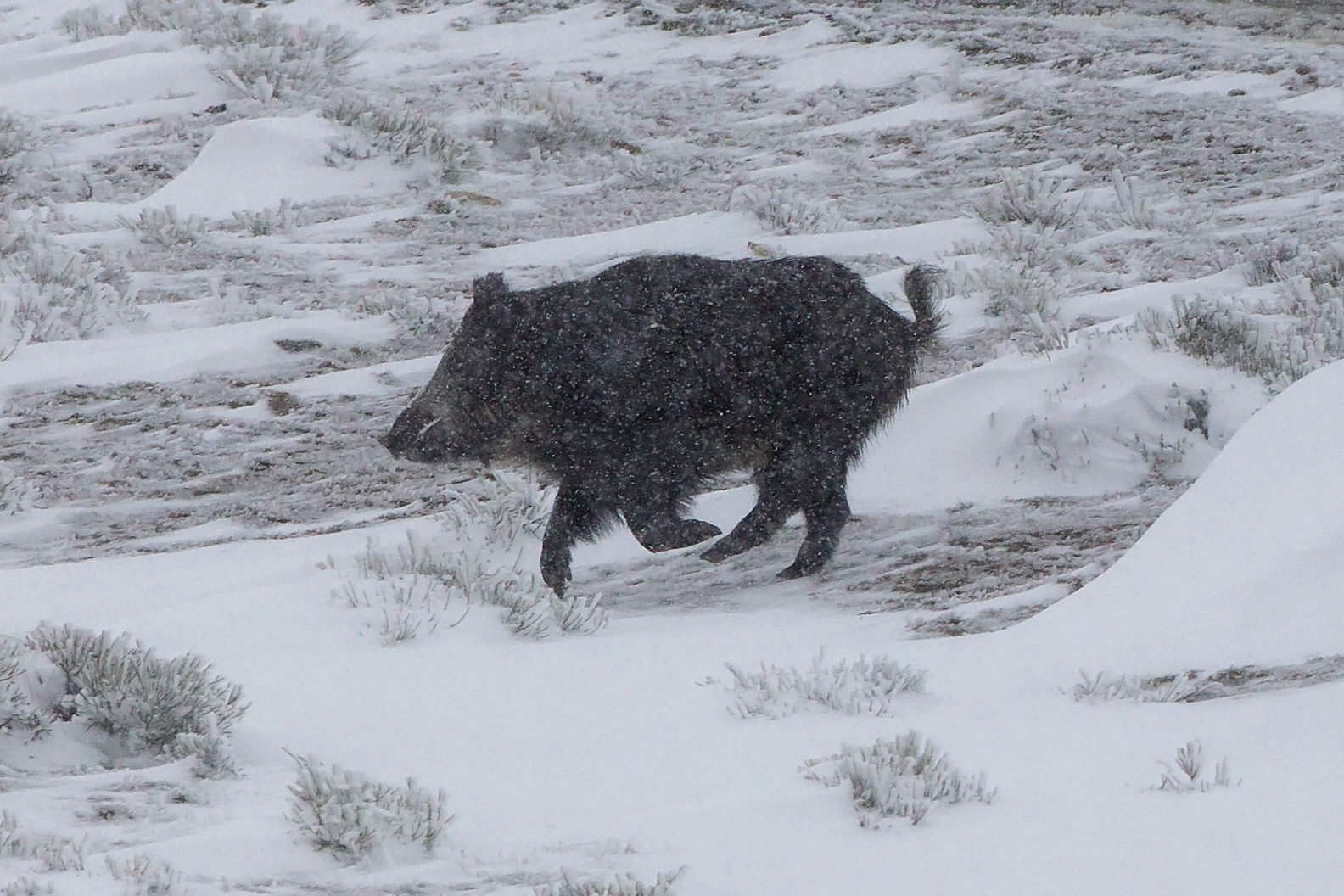
Could wild boar help maintain a tick-borne bacterium in Sweden?
Researchers tested spleen samples from 87 wild boar in southern and central Sweden for Neoehrlichia mikurensis. None contained…
Read story →SPECIES IN THIS STORY
Species in this story
Independent research and conservation news archive
Did you find this information useful?
Wildlife Vagabond is independently built and maintained. Voluntary support helps cover source verification, hosting and continued work on research and conservation news.
Support Wildlife VagabondThe news archive will remain freely available.