
Roe Deer Were Often Harvested Near Trails, but Fewer Outings Were Needed Farther Away
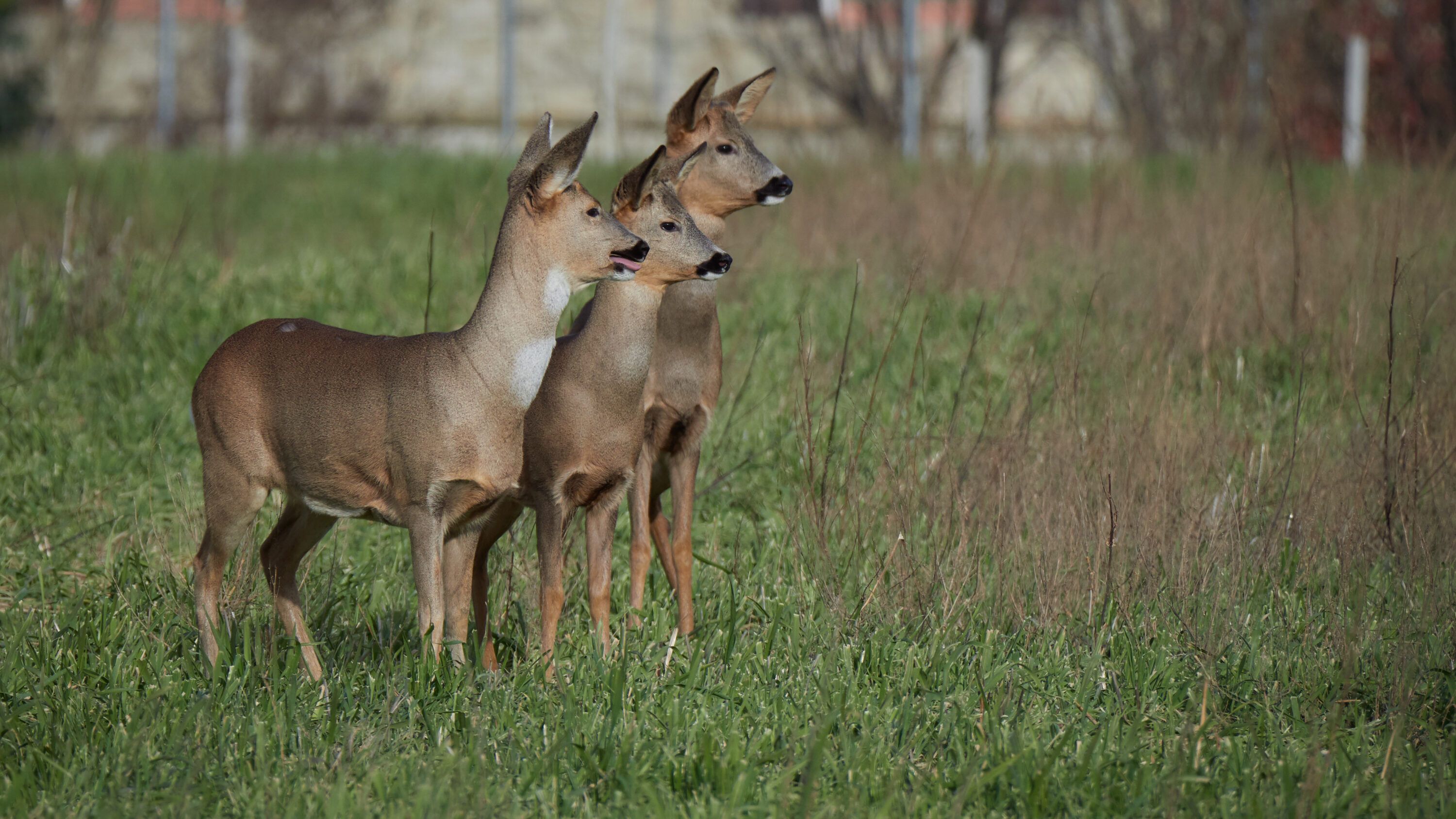
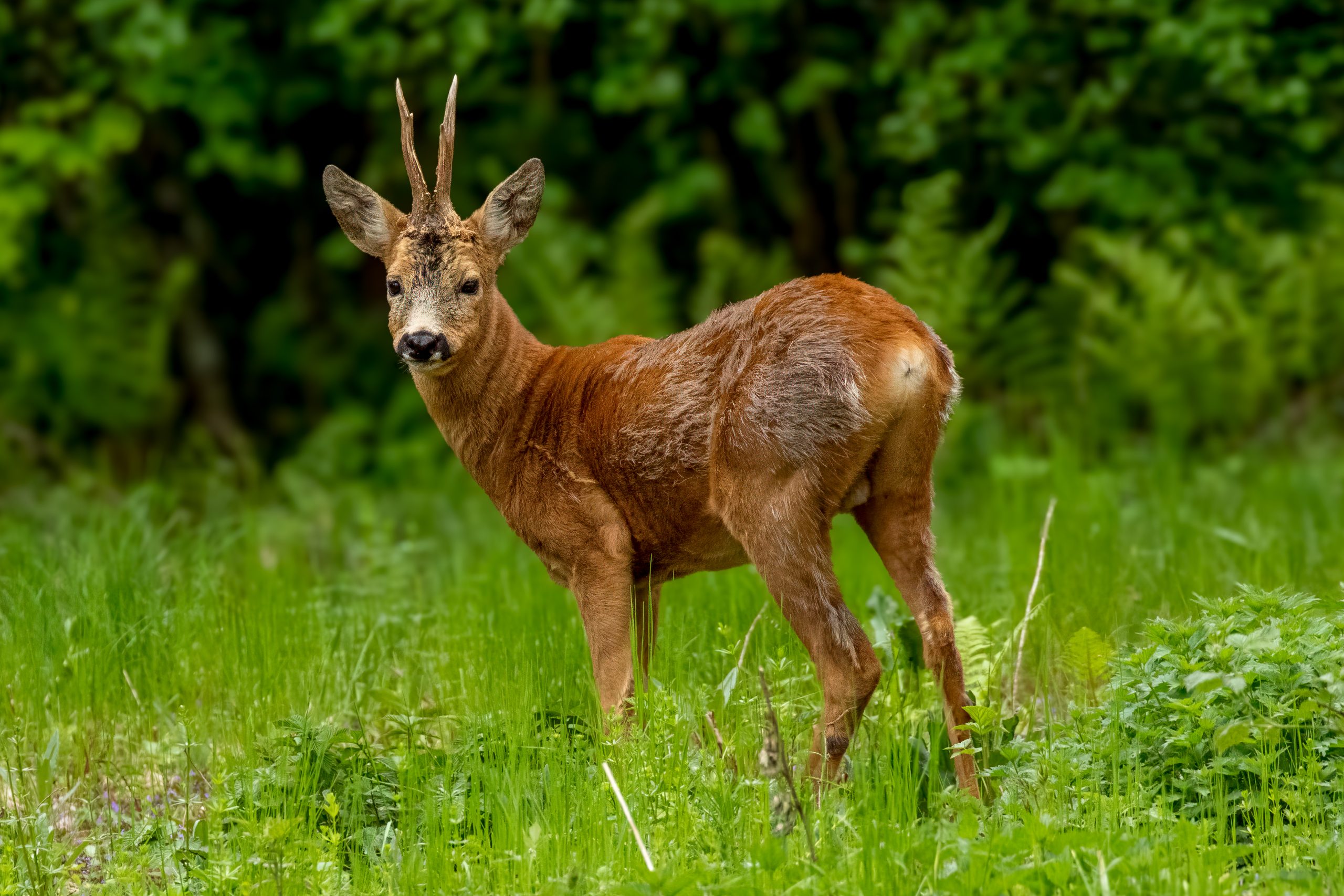
A study of 6,338 georeferenced harvests of roe deer (Capreolus capreolus) in northwestern Italy has shown that the places hunters choose are not always the places where a successful harvest requires the fewest outings. Open habitat, moderate terrain and proximity to buildings were important in both analyses, but distance from trails produced a striking contrast.
The research covered the Piedmont region, a 25,400-square-kilometre landscape extending from the Po Plain into the Alps. It contains 38 wildlife-management units: 21 lowland and hill hunting areas and 17 alpine districts. The records came from the 2022/2023, 2023/2024 and 2024/2025 hunting seasons and were checked for duplicate locations, mapping errors and dates outside legal hunting periods.
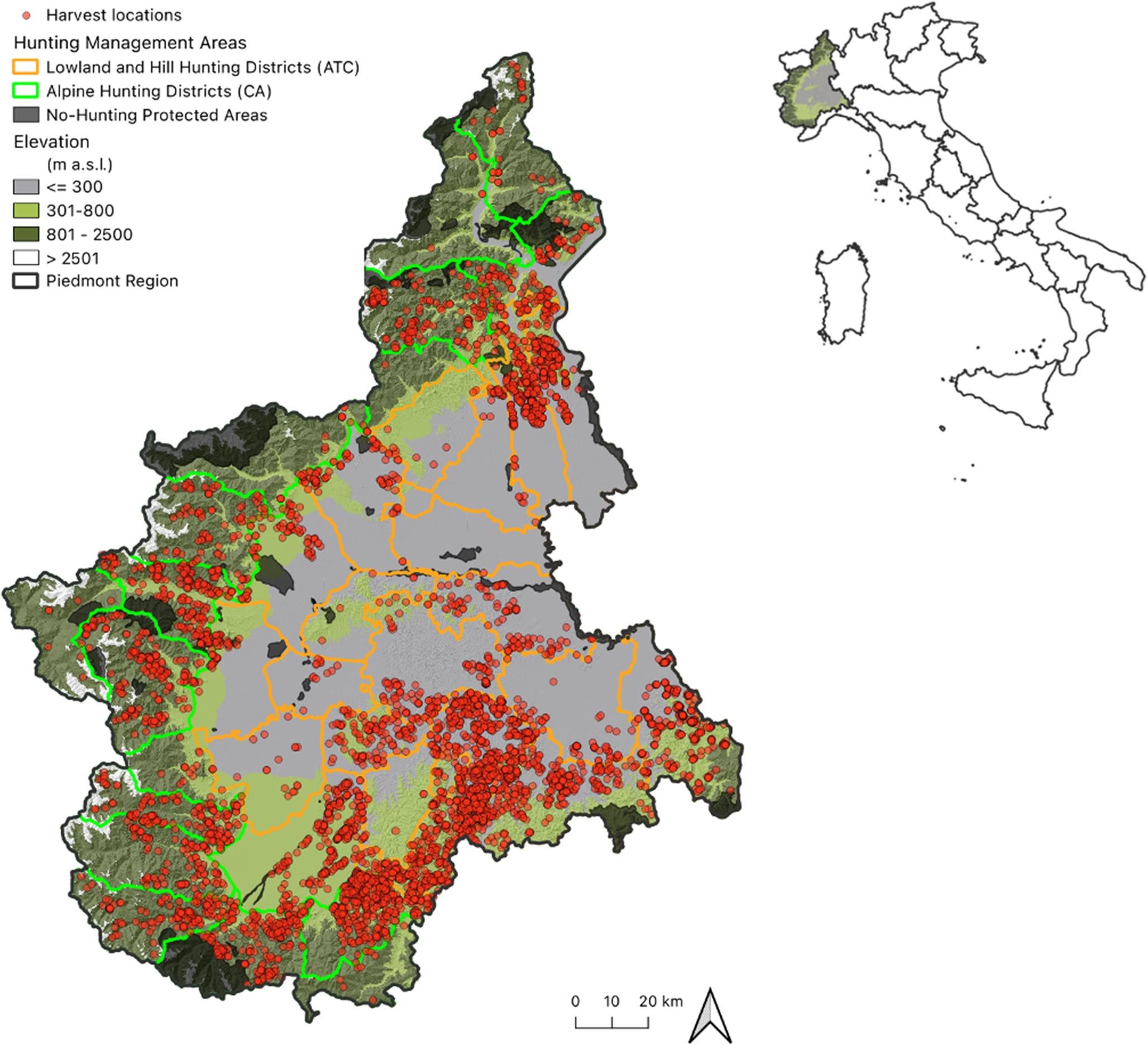
Researchers addressed two related questions. First, they paired each actual harvest point with 30 randomly generated available locations within 2.5 kilometres and compared the surrounding landscape. This shows which features were associated with where successful harvests occurred; it does not reconstruct the hunters’ full movement routes before the kill. Second, they treated hunting effort as the number of outings required before an assigned animal was harvested. Environmental and human-related variables were measured within 100 metres of each harvest point, including open and forest cover, slope, distance from forest edges, roads, trails and buildings.
Accessible sites were frequently selected
Successful harvest locations occurred disproportionately in areas with more open ground, gentler slopes and locations close to forest margins. These settings can combine visibility with access to the edges that roe deer use for shelter and movement. Harvest points also tended to be closer to trails and buildings, while distance from main and secondary roads did not significantly explain where harvests occurred.
Several of the same variables also helped explain hunting efficiency, measured as fewer outings per successful harvest. More open habitat and moderate slopes were associated with lower effort. Proximity to buildings likewise coincided with greater efficiency, which the authors suggest may reflect both ease of access and roe deer use of areas near people as refuges from hunting pressure. Legal and practical restrictions around buildings still shape what hunters can do in such places.
Trails revealed a different relationship
The pattern around trails was more complex. Hunters selected harvest sites close to trails, probably because paths and tracks make the landscape easier to reach. Yet successful harvests required fewer outings farther from trails. The researchers propose that experienced hunters may be more willing to enter remote, less disturbed areas where roe deer occur more frequently. Roe deer avoidance of busy trails during the hunting season could also contribute to the pattern.
The study therefore separates convenience from effectiveness. A site may attract hunters because it is accessible without necessarily providing the highest probability of success per outing. Combining both types of model gave a fuller picture of how hunter decisions, landscape structure and the behaviour of roe deer interact.
The authors say such information could support more spatially targeted and adaptive harvest management, particularly where selective hunting is used to limit damage in forests, vineyards and other agricultural landscapes. They recommend longer-term monitoring that follows both habitat selection and hunting effort through time, allowing managers to test whether hunting pressure changes roe deer behaviour or demographic patterns and whether harvest quotas need spatial or temporal adjustment.
Management
Related news
Lapwing and Oystercatcher Nesting Shifted in Opposite Directions With Latitude
Fifty years of UK nest records showed that northern lapwings nested later towards the north while Eurasian oystercatchers…
Read story →
No Red Kite Deaths Were Recorded at a Retrofitted 48-Pylon Power Line Used by Reintroduced Birds
Twenty-one reintroduced red kites generated 802 GPS fixes around a 48-pylon power line retrofitted against electrocution in Jaén,…
Read story →
Researchers Recommend More Intensive Wild Boar Culling for Barcelona ASFV Variant
Barcelona’s dense peri-urban wild-boar population and an ASFV variant associated with apparently slower mortality led researchers to recommend…
Read story →SPECIES IN THIS STORY
Species in this story
Independent research and conservation news archive
Did you find this information useful?
Wildlife Vagabond is independently built and maintained. Voluntary support helps cover source verification, hosting and continued work on research and conservation news.
Support Wildlife VagabondThe news archive will remain freely available.