
Two Polish European Roe Deer Haplotypes Fell Within Siberian Roe Deer Maternal Lineages
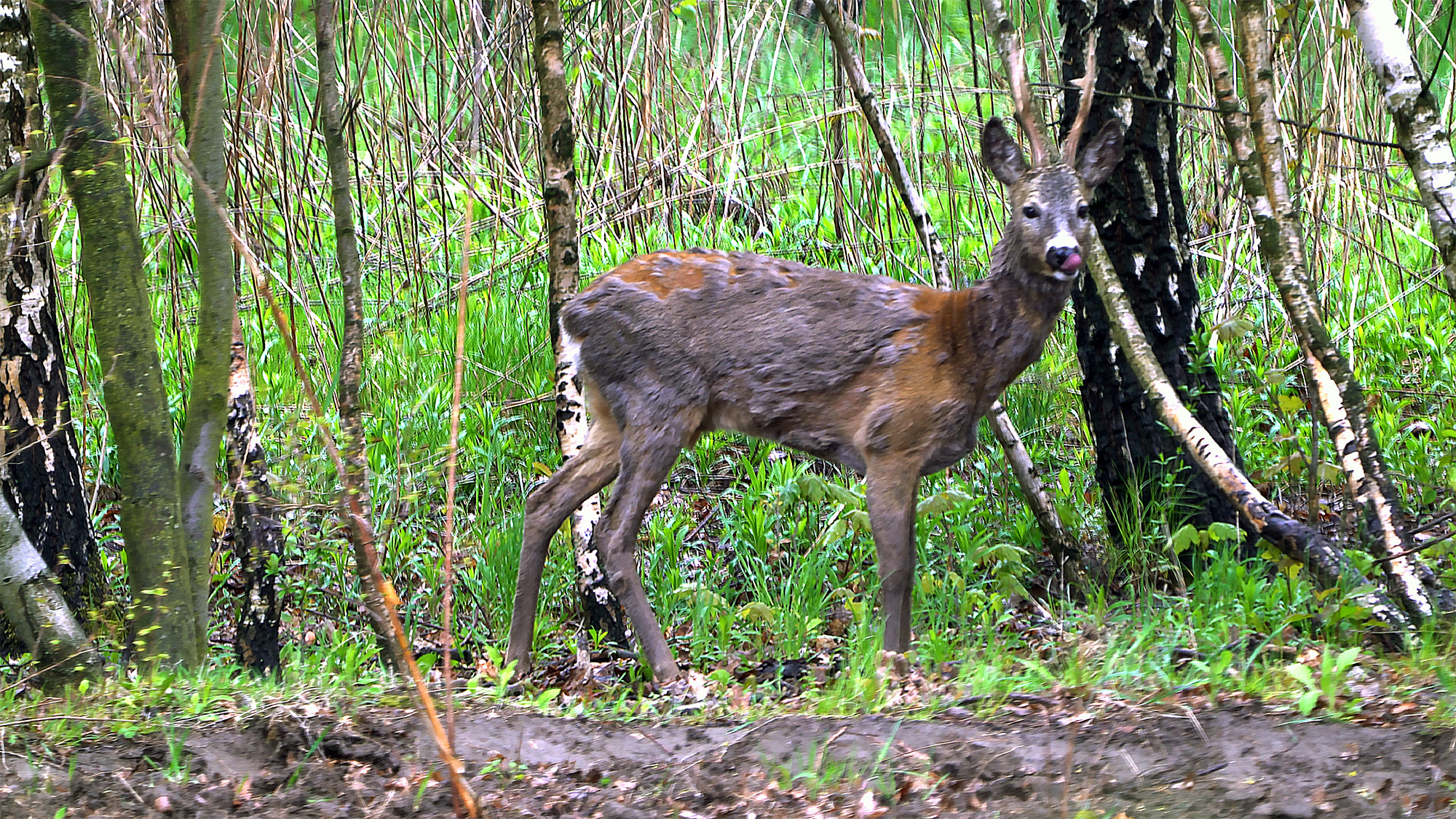
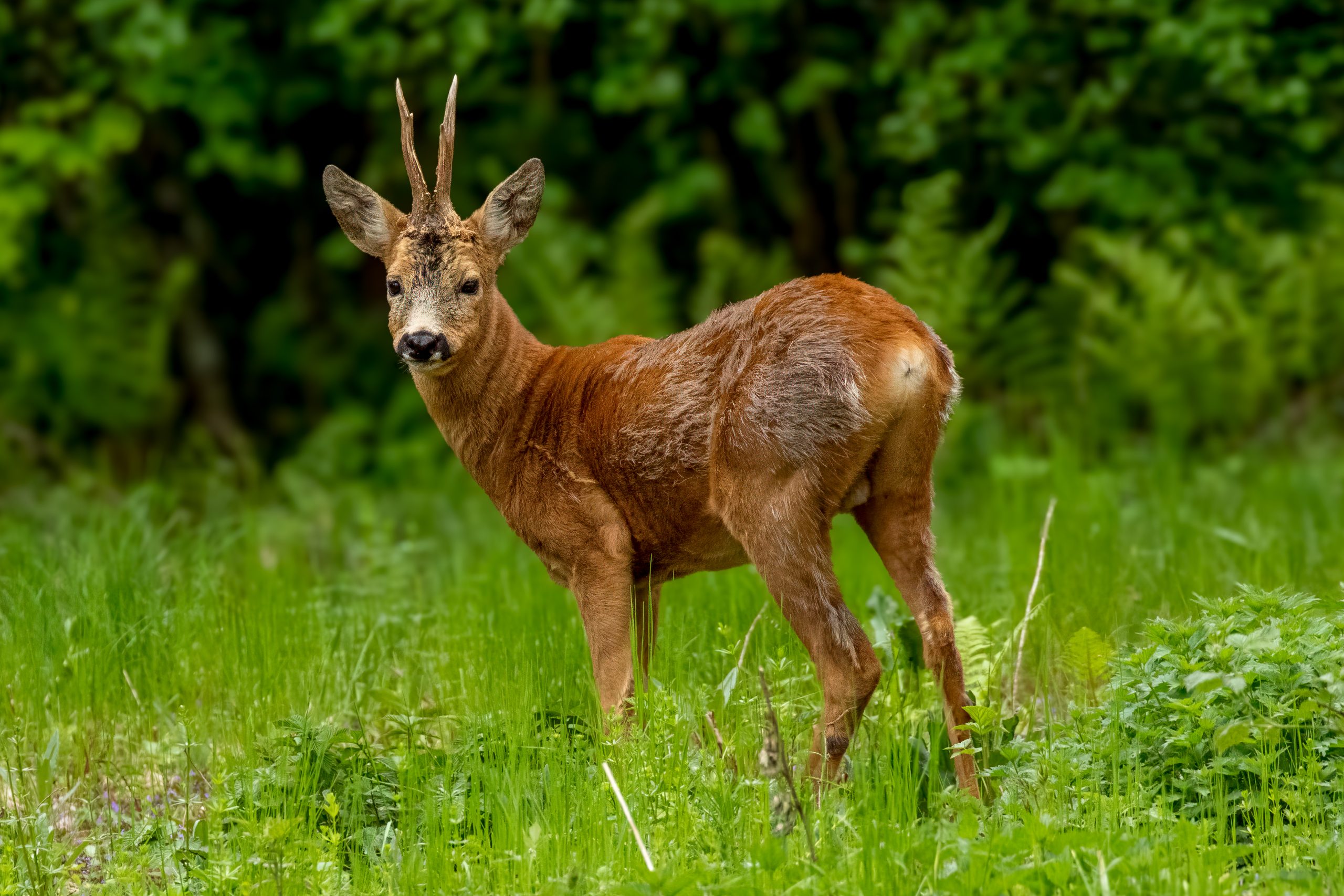
Complete mitochondrial genomes revealed maternal-line evidence of genetic exchange between European roe deer (Capreolus capreolus) and Siberian roe deer (Capreolus pygargus). Mitochondrial DNA is inherited through the maternal line in these mammals, so a mitogenome traces the ancestry of the mother’s mitochondrial lineage rather than the animal’s whole nuclear genome. A study published on 17 June 2026 found two Polish European roe deer haplotypes nested within Siberian roe deer mitochondrial lineages.
The researchers sequenced 52 complete European roe deer mitogenomes from Slovenia, Poland and France and combined them with 24 previously available genomes from European and Siberian roe deer. The final dataset contained 76 genomes representing 59 mitochondrial haplotypes. A haplotype is a distinct mitochondrial sequence variant that represents one maternal genetic lineage. European roe deer showed high haplotype diversity but low nucleotide diversity: many different maternal variants were present, yet the average sequence differences among them were relatively small. Although that pattern can be consistent with demographic expansion, the study’s formal demographic tests did not provide clear statistical support for a recent expansion.
Two Polish haplotypes carried Siberian-lineage mitochondria
The analysis recovered the three major mitochondrial clades already recognised in European roe deer: Eastern, Central and Western. It also found Central-clade haplotypes in France. Most strikingly, two Polish European roe deer haplotypes, Cp9 and Cp10, clustered within an established Siberian roe deer mitochondrial clade together with previously reported Russian and Polish haplotypes. This pattern supports mitochondrial introgression — movement of mitochondrial DNA from one species into another through hybridisation followed by backcrossing.
The time-calibrated phylogeny is consistent with these introgressed haplotypes belonging to an established Siberian maternal lineage rather than simply arising from a recent mutation within European roe deer. The authors argue that older natural hybridisation during glacial-range shifts is a plausible source, although historical human-mediated translocations may also have contributed to introgression elsewhere. Crucially, mitochondrial dating estimates when lineages shared ancestors, not the date of the hybridisation event itself, so whole-genome demographic analyses would be needed to distinguish ancient from recent introgression more directly.
Little evidence that the introgressed mitochondria were strongly adaptive
The authors conclude that whole mitogenomes sharpen the phylogeographic picture of European roe deer by revealing maternal lineages that shorter mitochondrial markers may not resolve as clearly. Tests of mitochondrial protein-coding genes found only limited evidence of episodic positive selection at a small number of codons and little evidence for widespread adaptive change. The broader pattern is therefore compatible with much of the mitochondrial exchange being evolutionarily neutral rather than the Siberian-lineage mitochondria necessarily spreading because they provided a strong fitness advantage.
Genetics & genomics
Related news
Roe Deer and Wild Boar Remained Key Wolf Prey as Diet Shifted Across North-western Italy
From 2021 to 2025, wolves in north-western Italy continued to feed mainly on wild prey. In the Po…
Read story →
Estimated M. bovis Seroprevalence Was 26.6% in Exmoor Red Deer
A survey of 432 wild deer in the Exmoor area estimated Mycobacterium bovis seroprevalence at 26.6% in red…
Read story →
Roe Deer in Similar Scottish Habitats Had More Similar Diets
DNA metabarcoding from 198 Scottish roe deer found that study site explained about 18% of dietary variation, while…
Read story →SPECIES IN THIS STORY
Species in this story
Independent research and conservation news archive
Did you find this information useful?
Wildlife Vagabond is independently built and maintained. Voluntary support helps cover source verification, hosting and continued work on research and conservation news.
Support Wildlife VagabondThe news archive will remain freely available.