
Rook Breeding Numbers Fell 42–62% in Several Regions of Northern and Western Poland
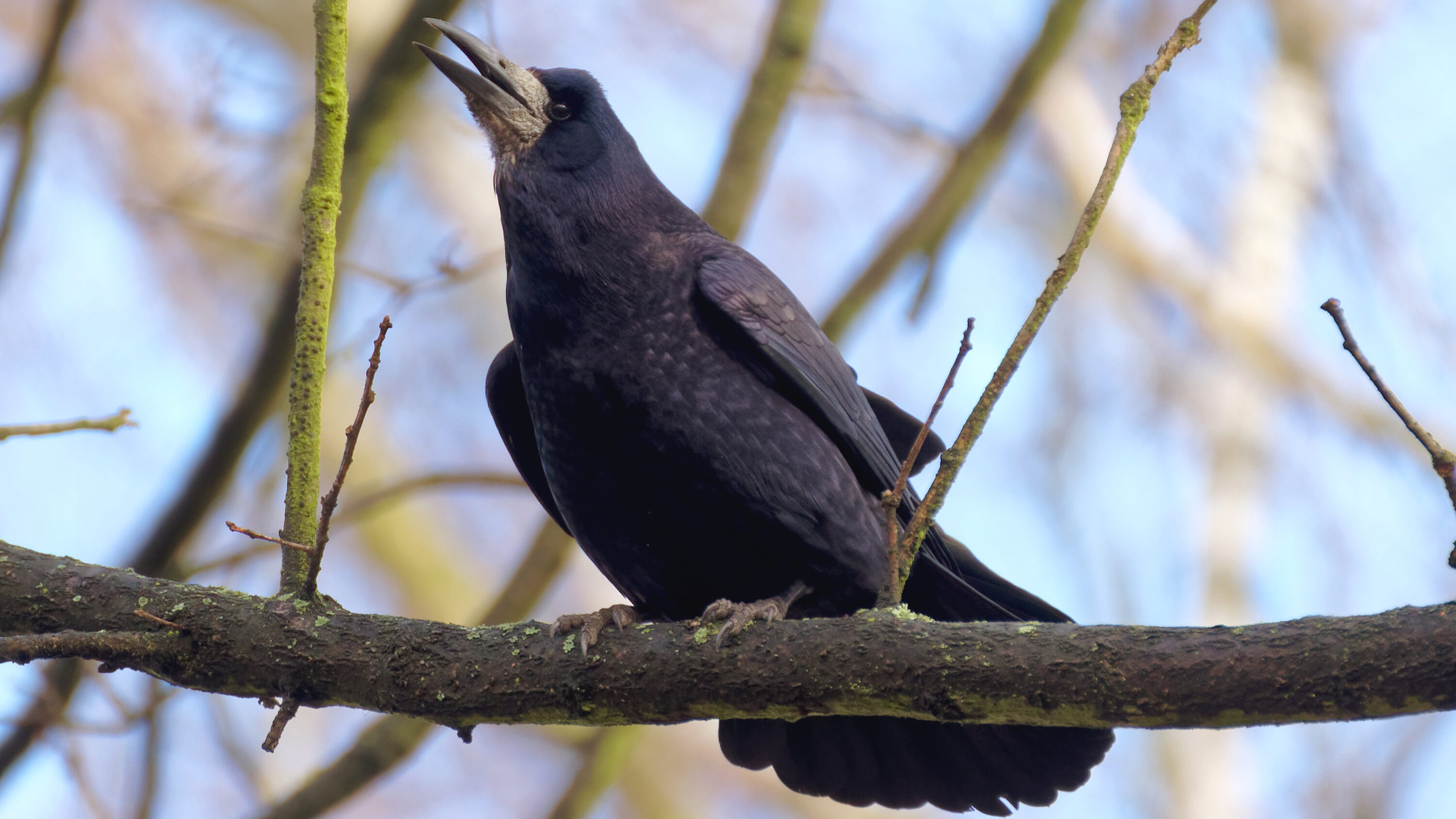
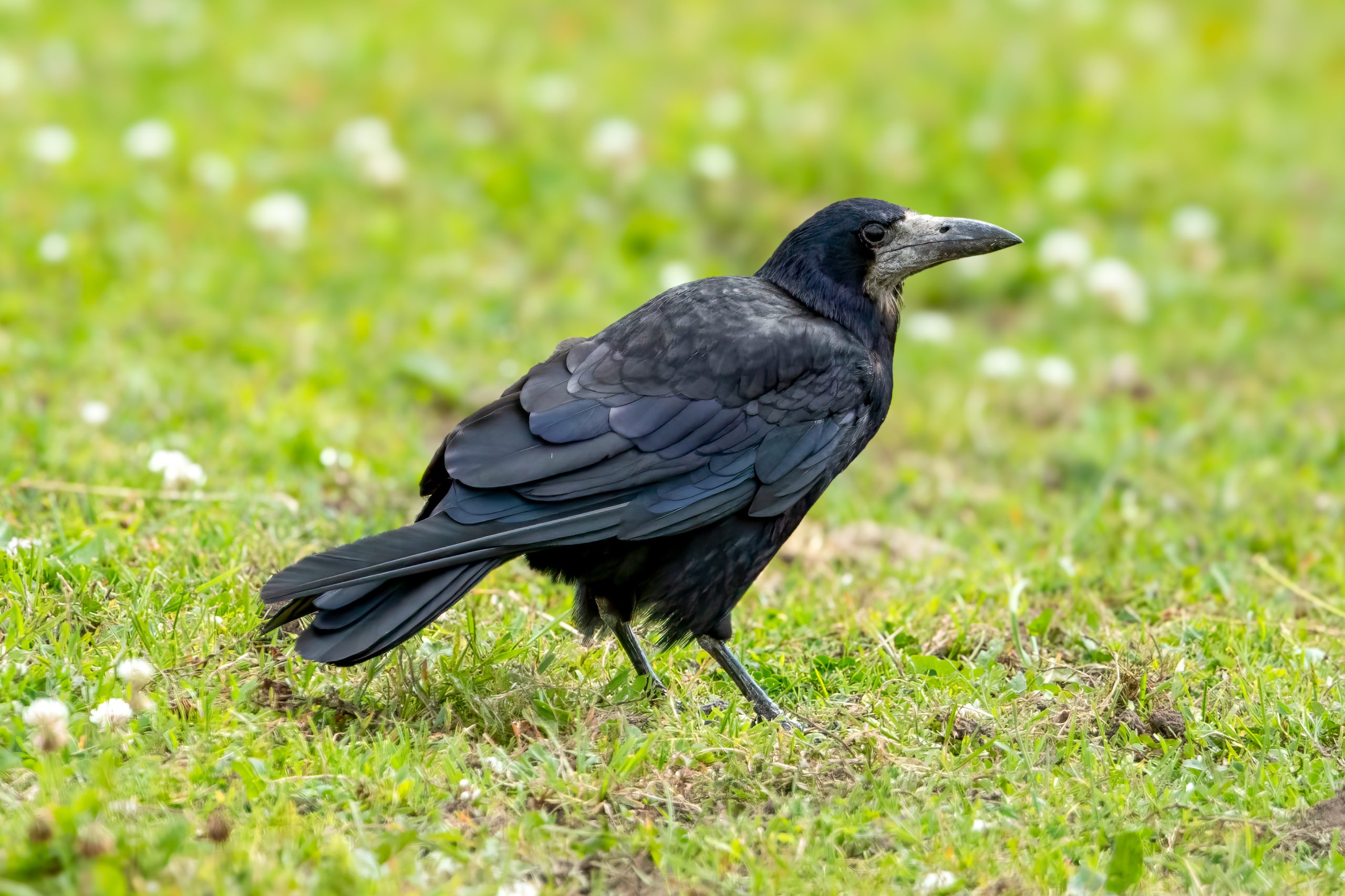
A 2026 assessment of rook (Corvus frugilegus) breeding colonies documented substantial regional declines across northern and western Poland. Surveys covering an area equivalent to about 37% of the country recorded 26,318 occupied nests. The overall density was 22.4 nests per 100 km², with 13,481 nests counted in Greater Poland in 2025, 536 in Lubusz in 2025, 3,811 in Pomerania in 2025 and 8,490 in Warmia and Masuria in 2023.
Where earlier comparable surveys were available, breeding numbers had fallen markedly. Northern Greater Poland declined by 42% between 2012 and 2025, the Leszno area by 62% between 2010 and 2025, Lubusz by 56% between 2004 and 2025 and Pomerania by 46% between 2012 and 2025. The authors also report a downward trend in Warmia and Masuria, with losses particularly apparent among rural colonies.
Most of the occupied nests were now associated with settlements. Cities contained 80.1% of the nests, villages 16.6% and islands in reservoirs 3.3%. Among the urban nests, 68.5% were in towns with no more than 20,000 inhabitants. Parks and scattered stands of trees were important nesting sites within settlements. Small colonies of up to 50 nests were the most numerous, but 60.8% of all nests were concentrated in large colonies containing 101–400 nests.
The researchers place these changes in the wider context of the rook’s decline in Poland and point to human pressure on colonies, including deliberate destruction of nesting sites. They conclude that the scale of the decline and continuing pressure on breeding colonies support stronger protection for the species and its nesting sites.
Population & status
Related news
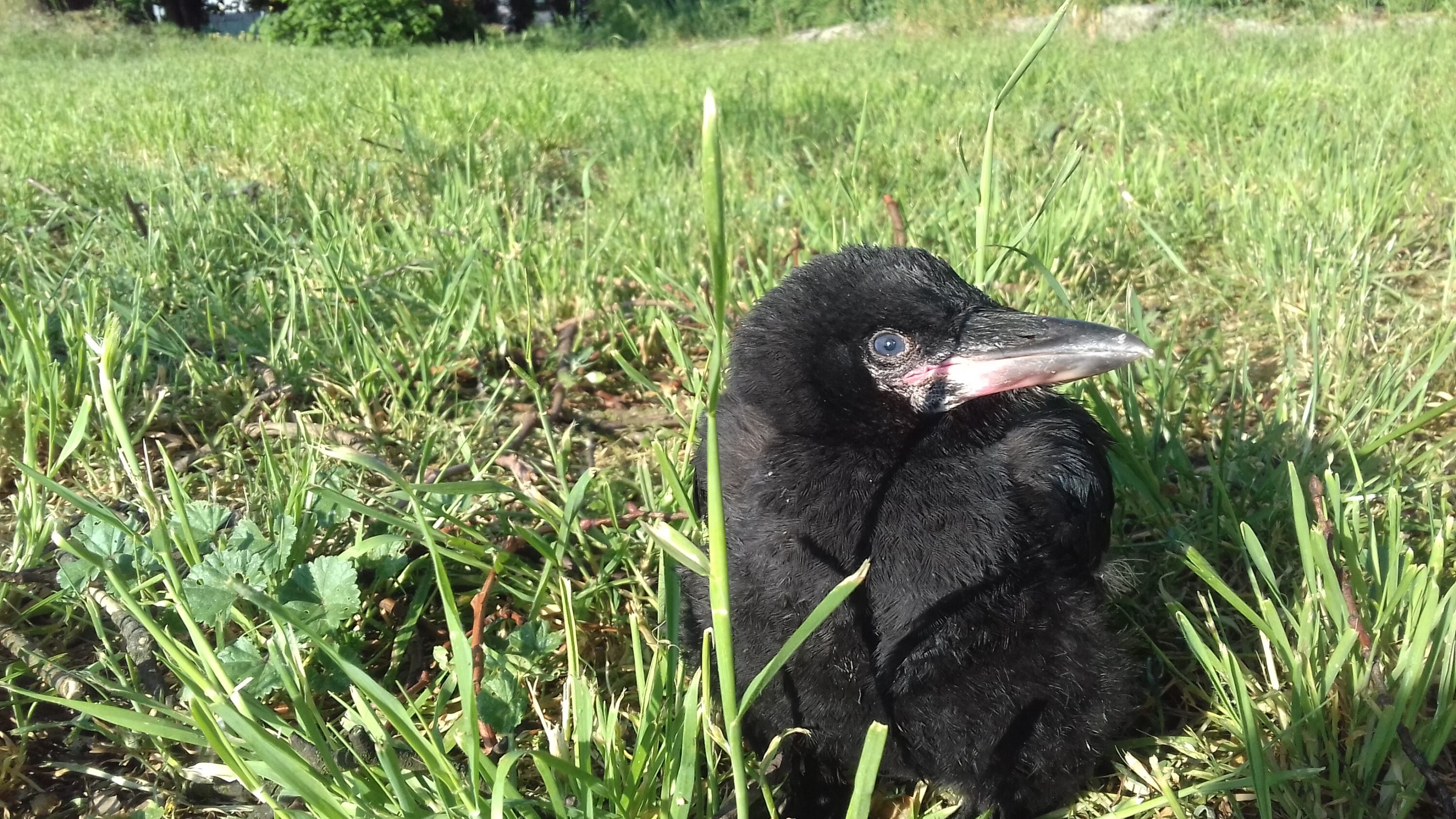
Rook Hind Limbs Grew Fastest Before Hatching, Forelimbs During Most Nestling Development
Measurements from rook embryos and nestlings revealed four shifts in body proportions: hind limbs had the highest relative…
Read story →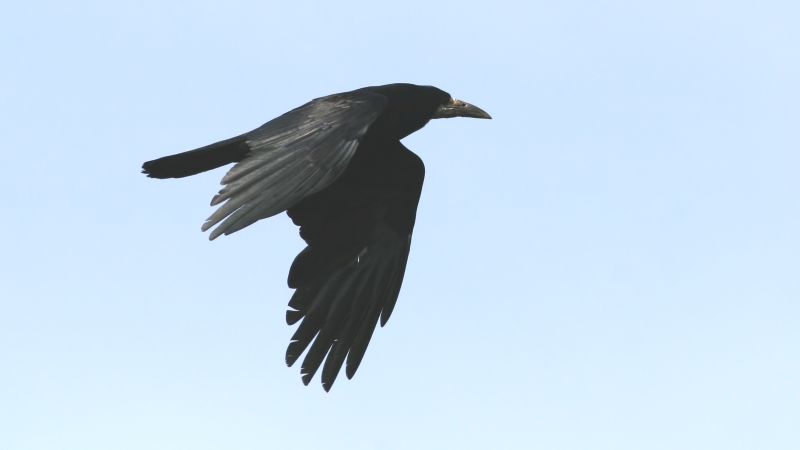
Wintering Eastern Rooks in Korea Shared Broadly Overlapping Breeding Origins
Stable isotopes and mitochondrial DNA indicated that eastern rooks wintering at four South Korean sites came from broadly…
Read story →
French Wildlife Culling Was Not Linked to Lower Reported Damage
A 2026 national evaluation of ten native species found no relationship between lethal-control effort and lower reported damage…
Read story →SPECIES IN THIS STORY
Species in this story
Independent research and conservation news archive
Did you find this information useful?
Wildlife Vagabond is independently built and maintained. Voluntary support helps cover source verification, hosting and continued work on research and conservation news.
Support Wildlife VagabondThe news archive will remain freely available.