
French Wildlife Culling Was Not Linked to Lower Reported Damage
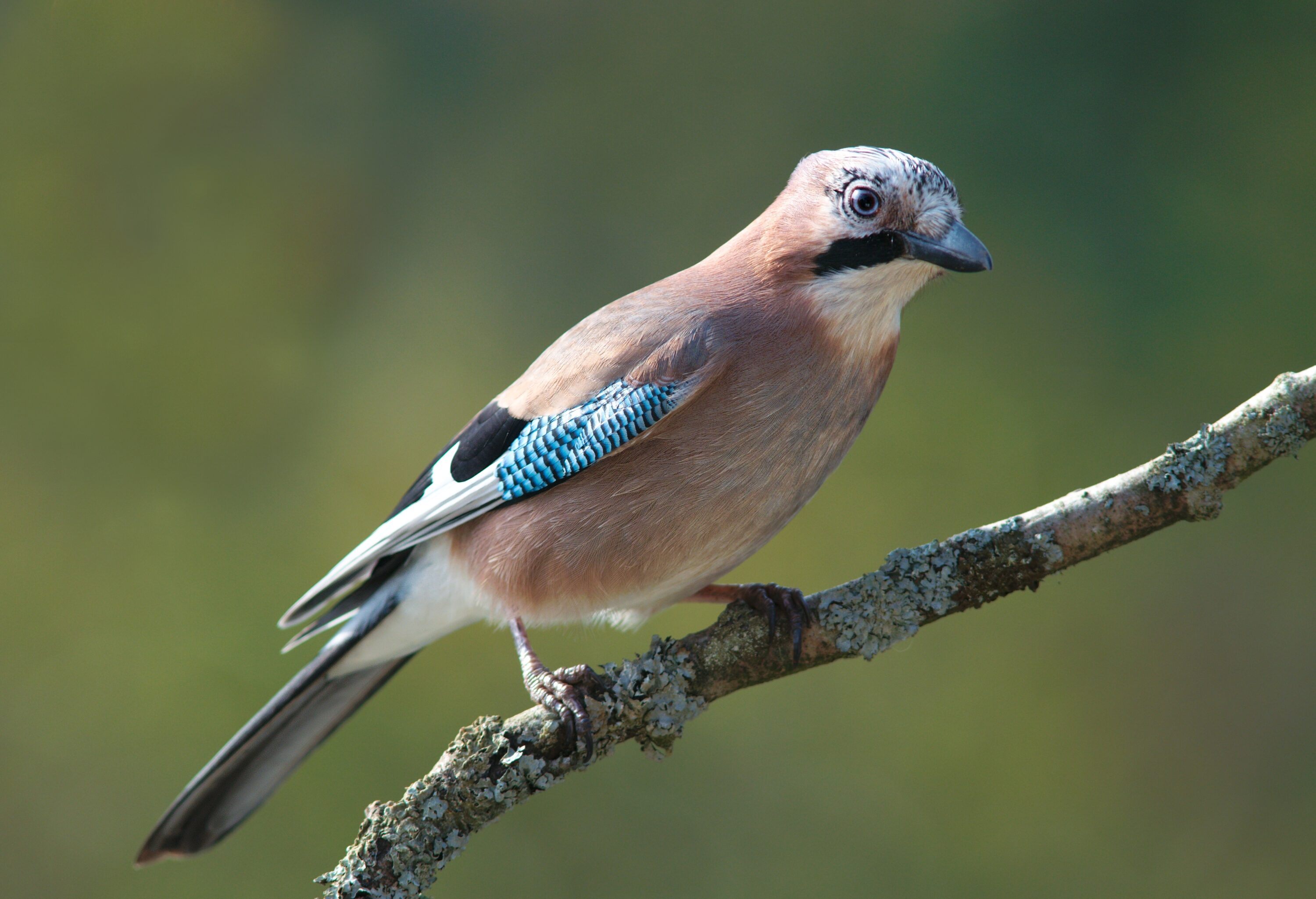
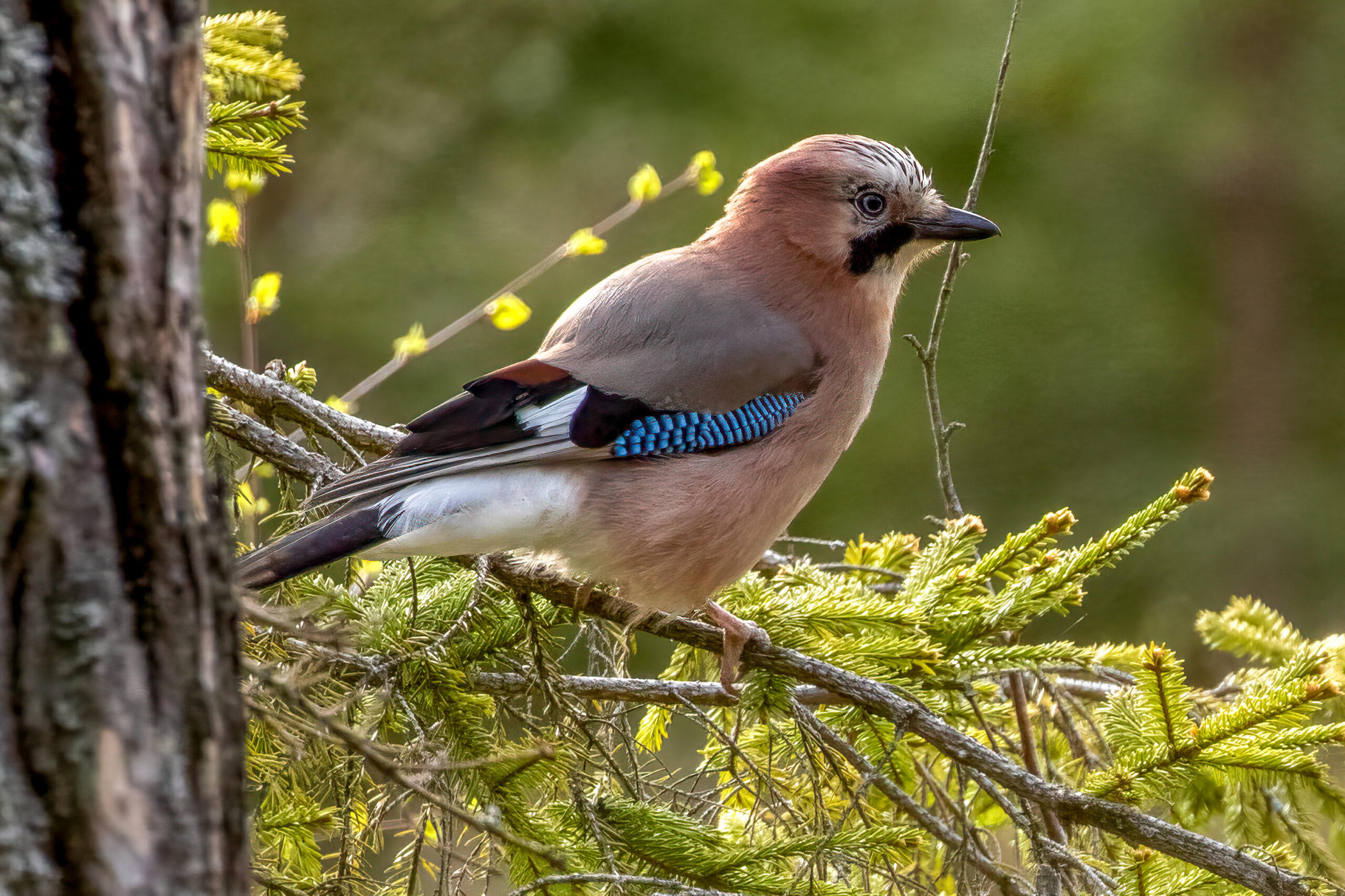
A national evaluation published on 9 March 2026 found no evidence that large-scale culling of native animals in France reduced the damage attributed to them. The researchers analysed seven hunting seasons in which 12.4 million animals from ten species were killed under rules for species considered likely to cause damage. Eurasian jay (Garrulus glandarius) was one of the five bird species included.
France’s ESOD system allows certain native species to be killed outside ordinary hunting seasons to prevent agricultural losses, protect property or address other stated risks. The study is the first national ecological and economic assessment of this policy. It compared official records of animals killed with declared damage and population information across the periods covered by two government decrees from 2015 to 2022.
Ten species and seven hunting seasons
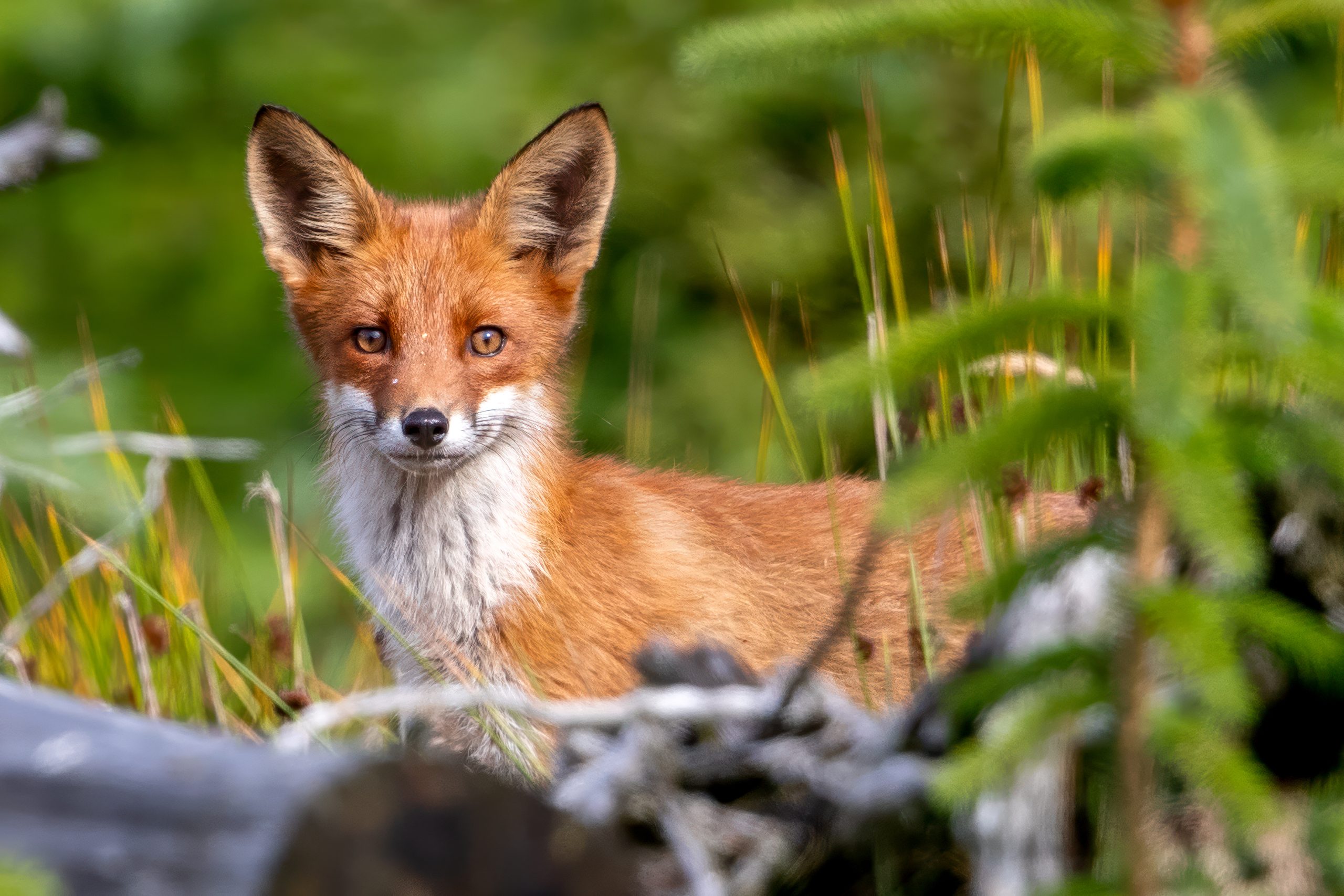
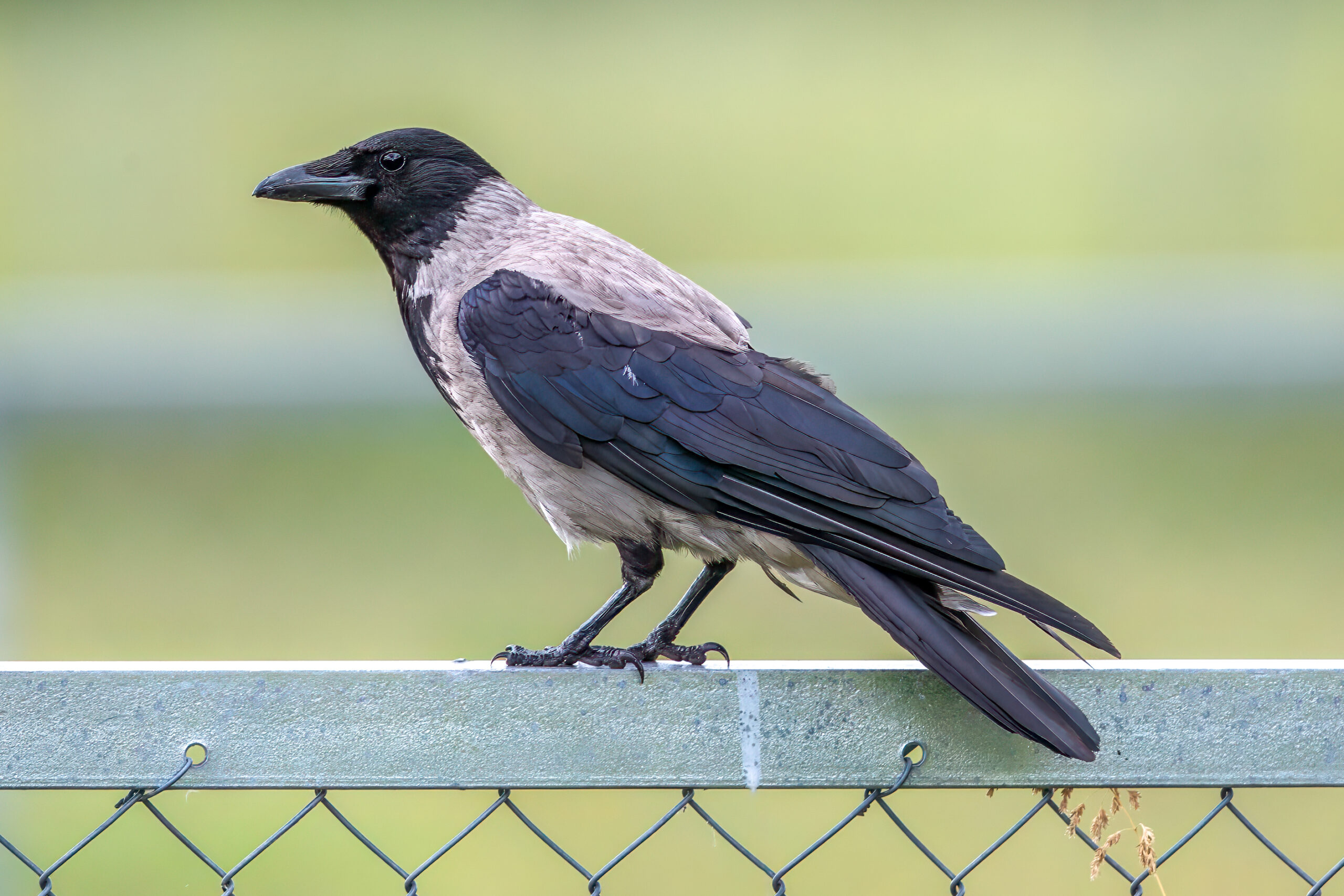
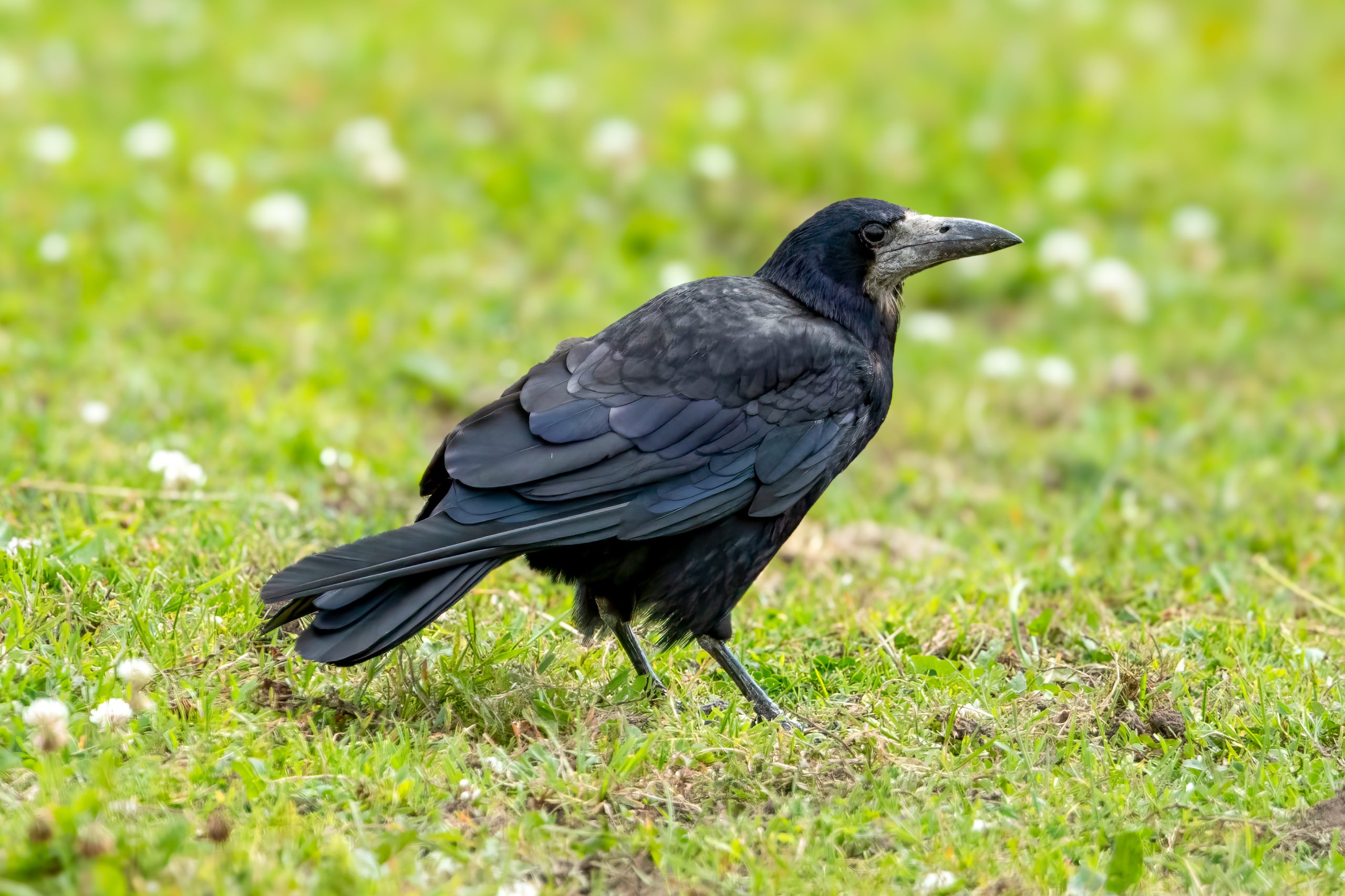
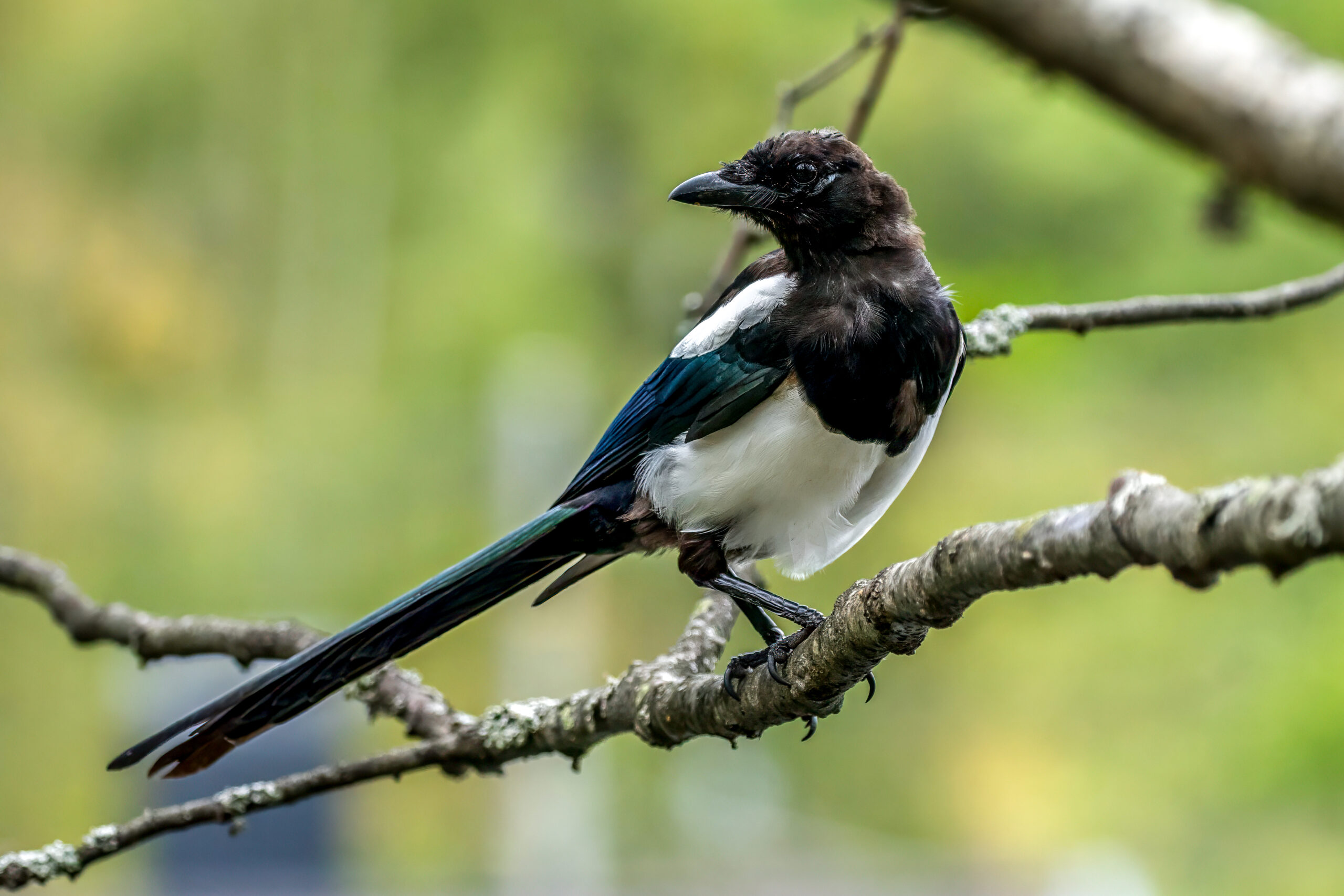
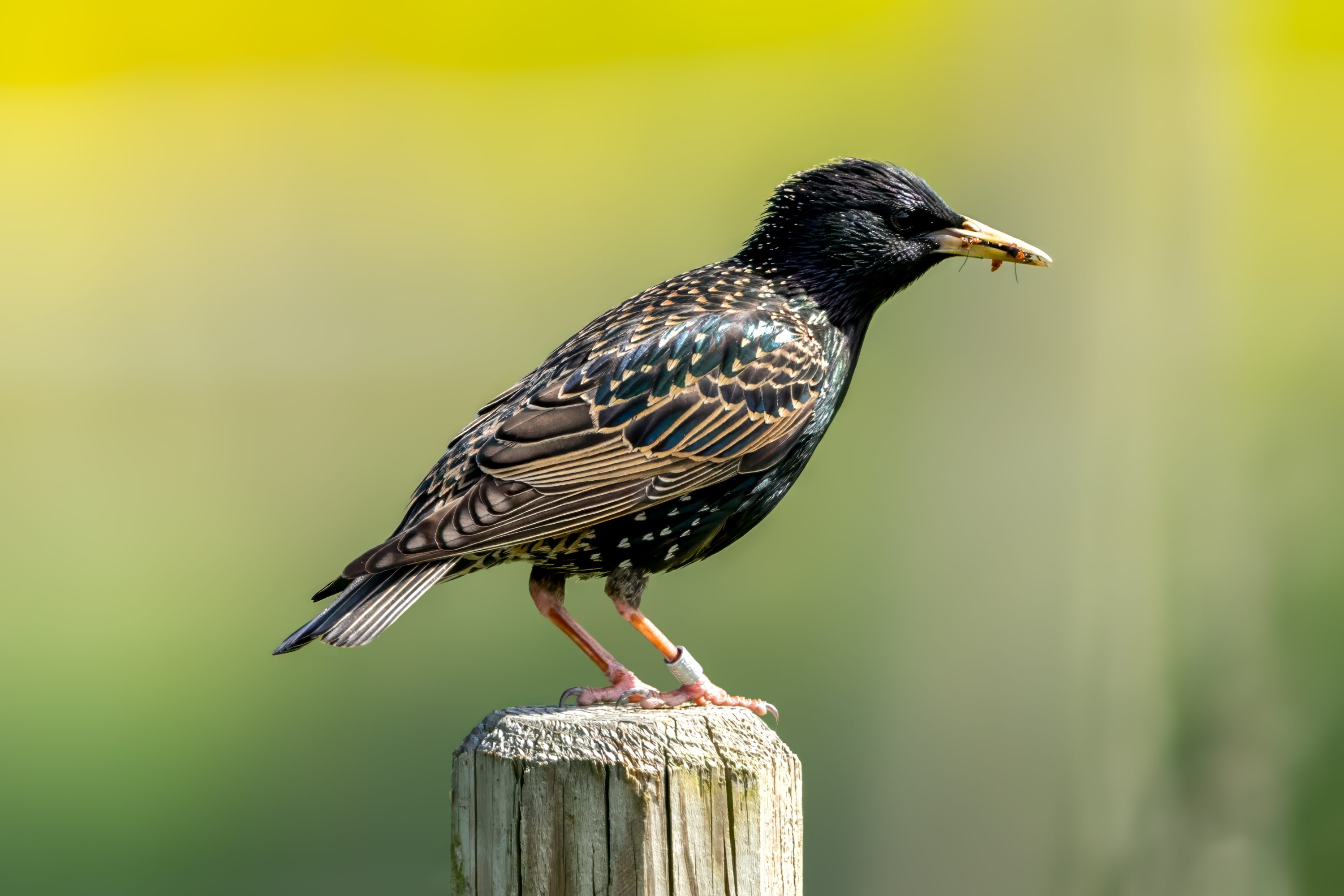
The analysis covered red fox (Vulpes vulpes), beech marten (Martes foina), pine marten (Martes martes), European polecat (Mustela putorius), least weasel (Mustela nivalis), carrion crow (Corvus corone), rook (Corvus frugilegus), Eurasian magpie (Pica pica), Eurasian jay and common starling (Sturnus vulgaris). Together, these records represented about 1.7 million animals killed per year. The damage figures came from declarations by farmers, agricultural producers and private individuals, who estimated the monetary value and identified the species they considered responsible. Reporting damage was not compulsory, and the declarations were not collected through one standardised form or independently verified.
The researchers tested whether stronger culling effort was followed by lower declared damage. They found no relationship, either when the species were assessed separately or when the records were combined. More animals killed did not correspond to a later reduction in reported losses. Conversely, reduced or suspended culling was not followed by an increase in the recorded damage.
Data from France’s common bird monitoring programme likewise showed no evidence that lethal-control effort reduced the spring breeding numbers of the five bird species. For Eurasian jay and common starling, abundance was actually higher where control effort was higher in the same season. The authors do not interpret this as culling increasing bird numbers; they discuss rapid population recovery, immigration and compensatory reproduction as possible reasons why the breeding populations remained resilient to current control levels.
Estimated costs exceeded declared damage
The team also estimated the economic cost of carrying out the controls. Using their standard valuation of labour, travel and equipment, annual control costs were estimated at €103–123 million. A reduced-cost scenario, with lower labour valuation and halved travel costs, gave €40–49 million, while a third scenario that assigned no monetary value to volunteer labour gave €21–25 million. Declared damage was valued at €8–23 million per year. Across the seven seasons, even the lowest-cost scenario exceeded the recorded damage; depending on the valuation, control costs were about 1.66 to eight times higher.
These calculations concern the cost of the control system, not a monetary valuation of the animals or of the ecological functions they may provide. They nevertheless allowed the researchers to compare the stated economic problem with the resources used to address it.
From broad lists to targeted prevention
The authors argue that efforts to reduce economic losses should focus more directly on preventing damage rather than assuming that larger culls will reduce it. They identify the development of effective alternative and potentially non-lethal methods as a priority.
The study does not claim that individual animals never cause local damage. It distinguishes those incidents from the effectiveness of killing large numbers of animals across whole departments. The national records did not show that greater killing reduced the following year’s reported damage.
The authors also note that targeted species can provide ecological functions that were not included in the damage accounting, including rodent predation by small carnivores and seed dispersal by corvids. Their broader conclusion is that control measures should be judged against measurable outcomes rather than assuming that a larger cull produces a larger benefit.
Management
Related news
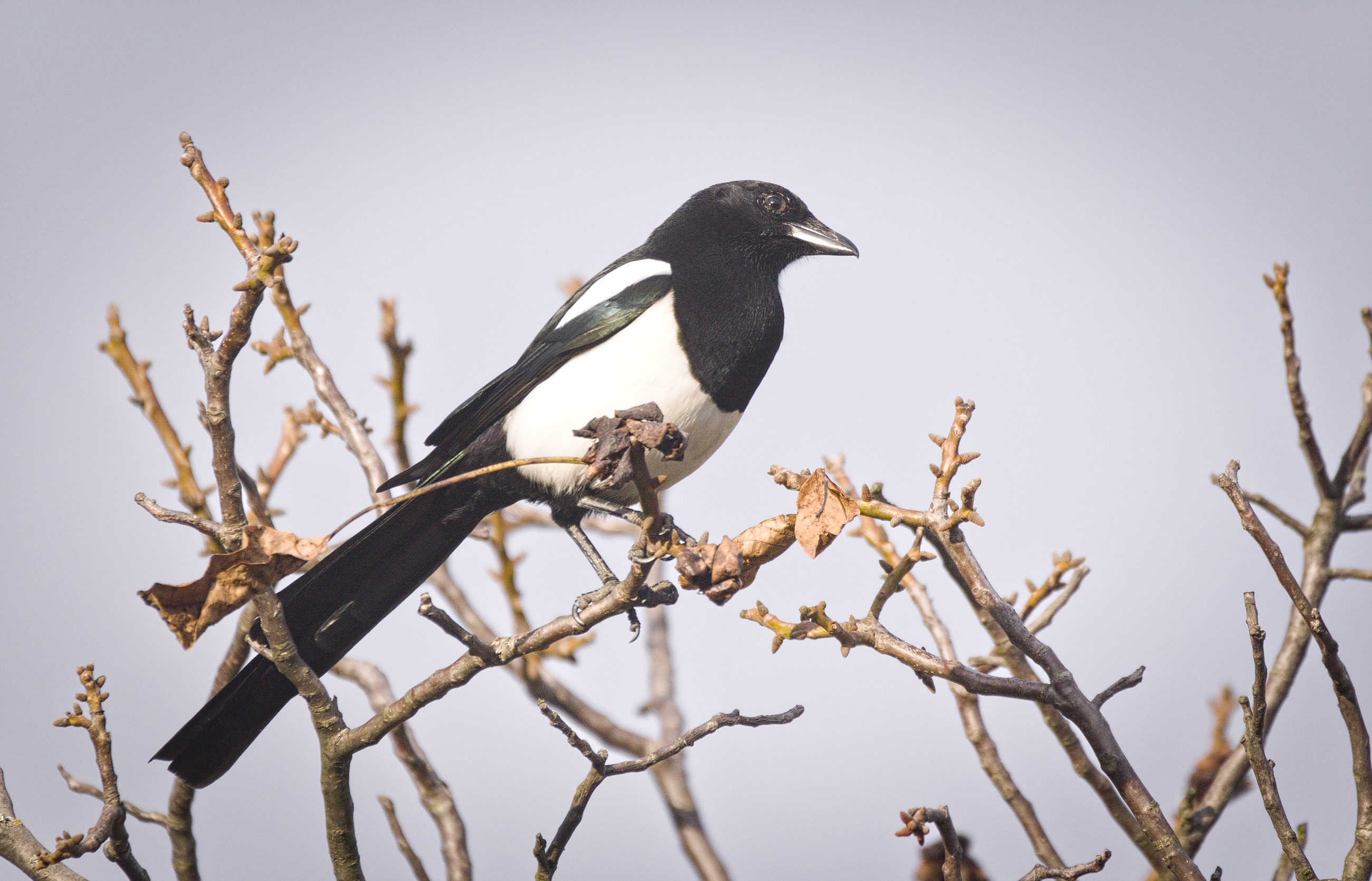
Magpies Dominated Predation on Artificial Pheasant Nests in Polish Urban Sites, Red Foxes in Farmland
Eurasian magpies were the main predator at destroyed artificial pheasant nests in Polish urban sites, while red foxes…
Read story →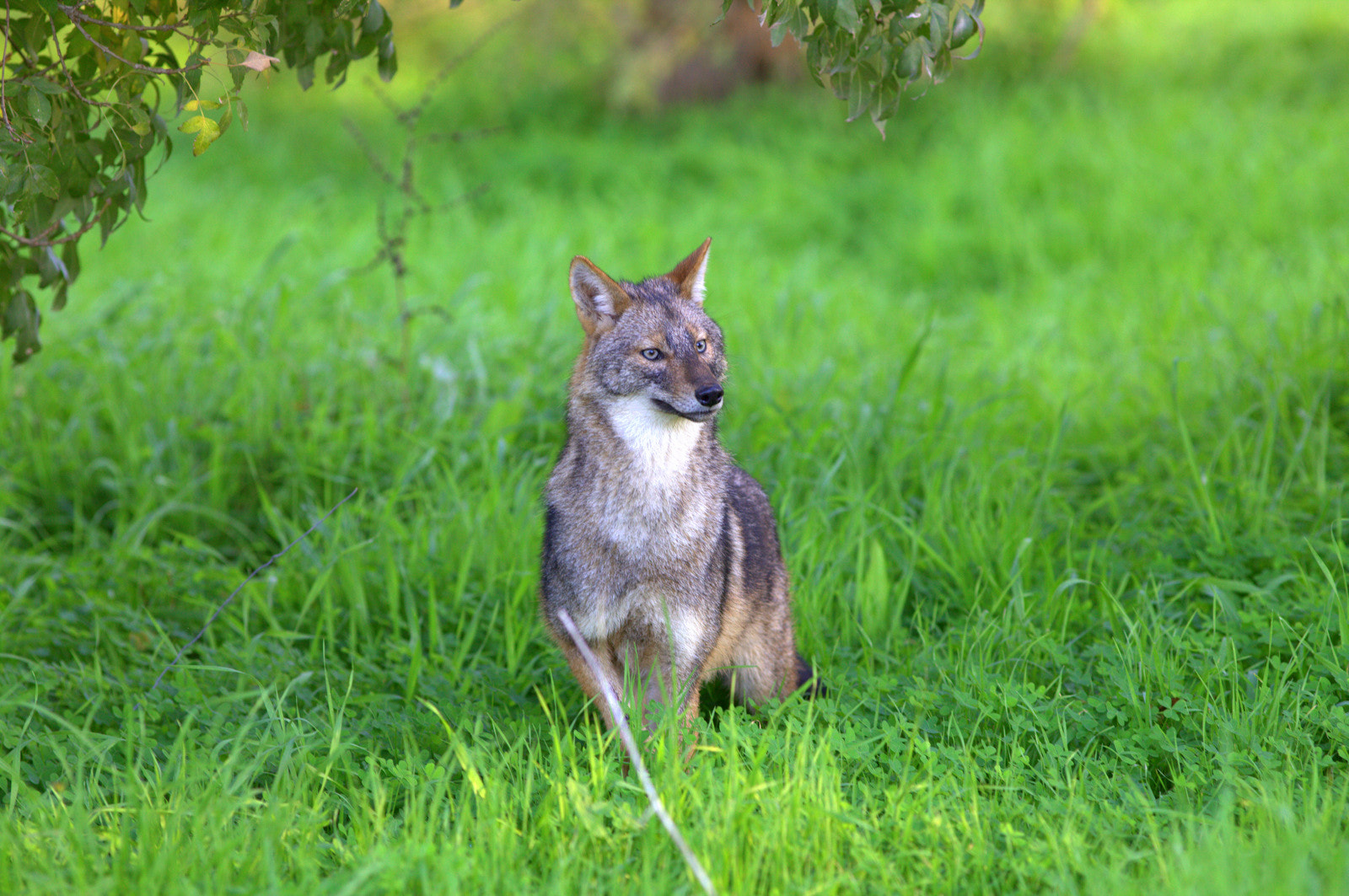
Similar Mammal Diversity, Different Activity Patterns in Grazed and Ungrazed Areas
Camera traps in four northern Israeli reserves found similar numbers of mammal species with and without livestock grazing.…
Read story →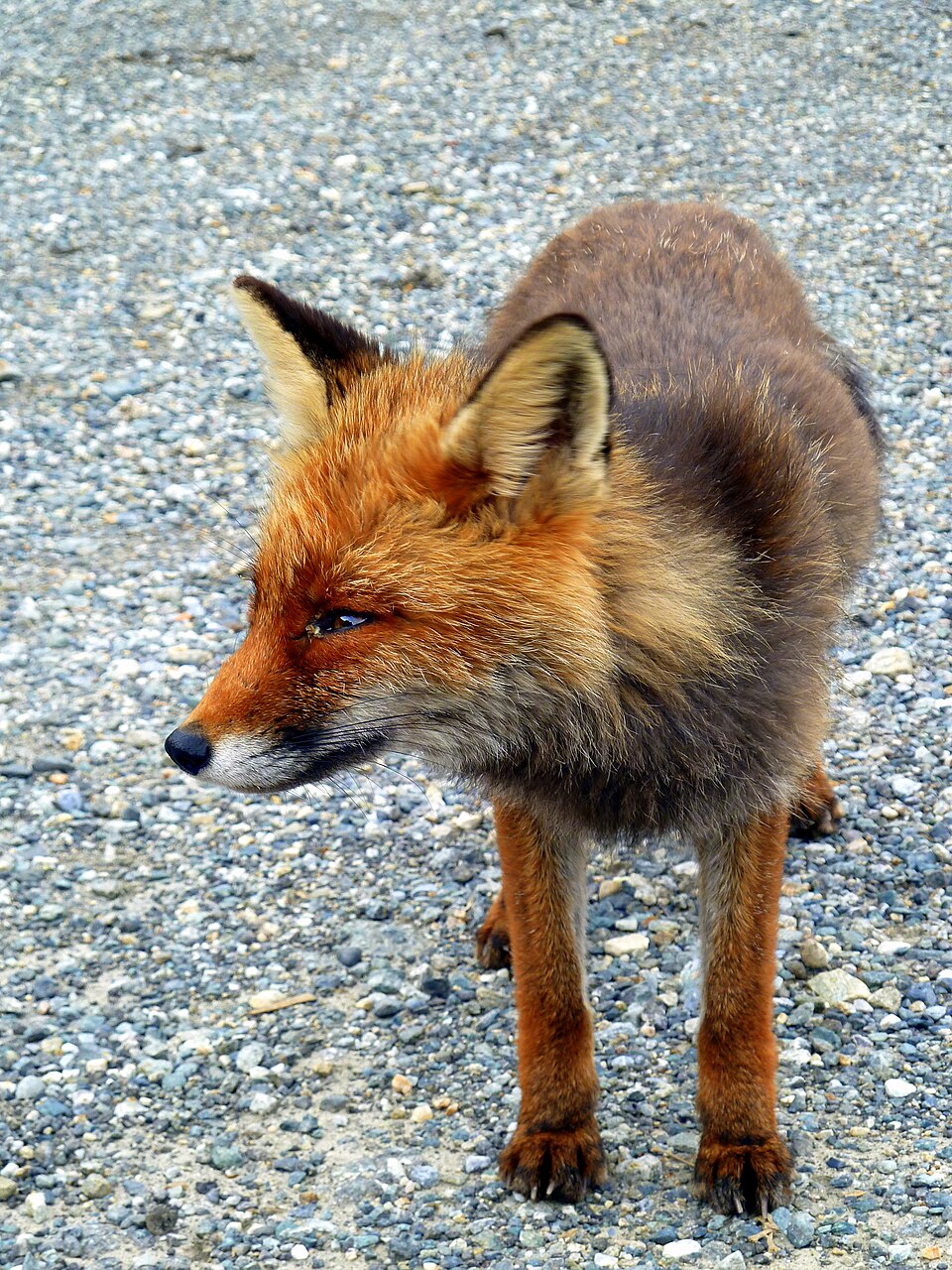
Wolf Kills Provided Plenty of Food for Red Foxes
Red foxes visited all 26 wolf-killed red deer monitored in Stelvio National Park. The amount of meat left…
Read story →SPECIES IN THIS STORY
Species in this story
Independent research and conservation news archive
Did you find this information useful?
Wildlife Vagabond is independently built and maintained. Voluntary support helps cover source verification, hosting and continued work on research and conservation news.
Support Wildlife VagabondThe news archive will remain freely available.