
Wintering Eastern Rooks in Korea Shared Broadly Overlapping Breeding Origins
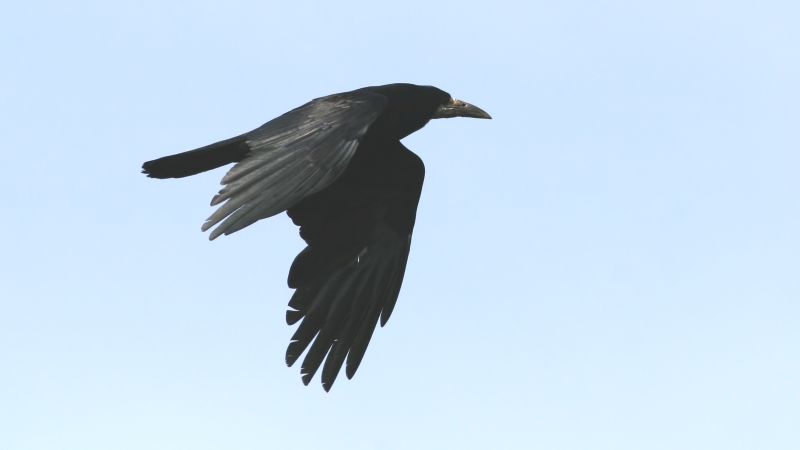
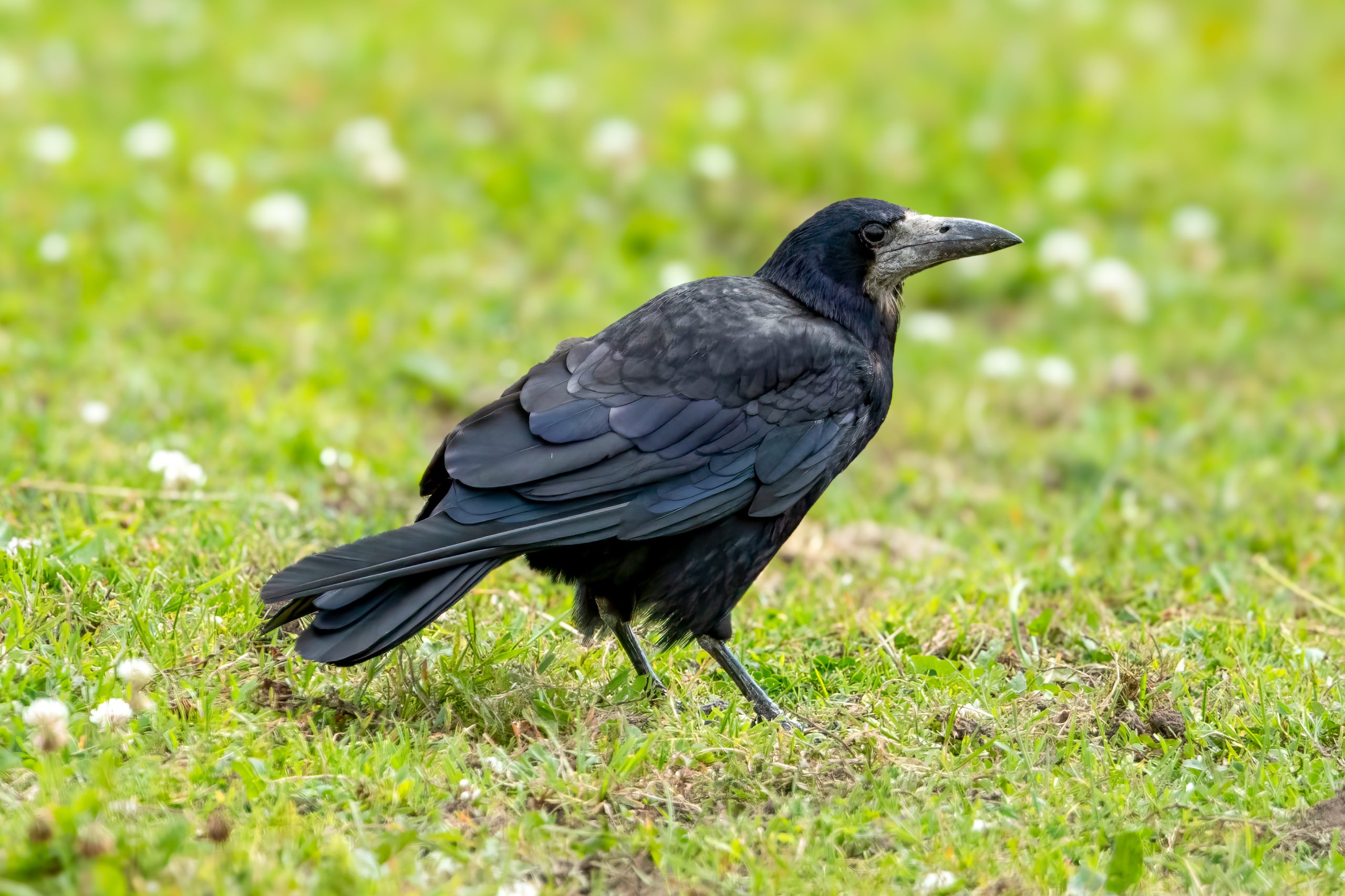
A 2026 study of the eastern subspecies of rook (Corvus frugilegus pastinator) found weak migratory connectivity among birds wintering at four widely separated sites in South Korea. In practical terms, birds using the same wintering site did not appear to come from one distinct breeding population; the probable breeding origins of the four winter groups overlapped broadly.
The researchers analysed feathers from 66 carcasses collected in Gyeonggi, Jeonbuk, Ulsan and Jeju between December 2021 and January 2025. Mitochondrial DNA was analysed from 36 of the birds.
Feather hydrogen provided a geographical clue to where birds had moulted
Hydrogen stable-isotope ratios in feathers vary geographically because the isotope composition of precipitation changes across latitude and region and is incorporated into growing feathers through food and water. Once a feather has finished growing, that chemical signature is largely fixed. Researchers can therefore compare its hydrogen-isotope value with an “isoscape” — a map of expected isotope values — to estimate a range of likely origins.
The isotope assignments for the Korean rooks overlapped strongly around the Mongolia–Russia and China–Russia border regions. Ulsan birds had higher feather hydrogen values than birds from Gyeonggi, which is consistent with relatively lower-latitude origins, but Ulsan did not clearly differ from Jeonbuk or Jeju. The broader pattern therefore did not separate the four wintering sites into distinct breeding populations.
Adults also consistently had higher isotope values than first-winter birds. The authors suggest that this may reflect age differences in the timing and location of moult: adults replace their plumage after breeding, whereas young birds retain some juvenile flight feathers grown earlier in life.
No clear evidence of chain migration
The researchers also asked whether winter latitude tracked breeding latitude. “Chain migration” would mean that birds breeding farther north also winter farther north, while more southerly breeders winter farther south. The isotope data showed no clear latitudinal relationship of this kind.
The geographical assignments are probabilistic rather than exact tracks of individual birds. The authors note that feather isotopes can be affected by diet, local isotope variation and moult strategy, and that the calibration linking feather hydrogen to precipitation has not been specifically validated for Asia. The maps should therefore be read as broad origin regions rather than precise breeding locations.
Mitochondrial DNA also showed extensive mixing
The genetic analysis supported the same overall picture. Differences among the wintering groups were small, and almost all genetic variation occurred within rather than between groups. Mitochondrial DNA is inherited mainly through the maternal line, so it provides information about maternal population history rather than the whole genome; the authors also caution that it may miss very fine-scale population differences.
Taken together, the isotope and genetic results support a highly mixed wintering population with broadly shared breeding origins rather than four separate migration systems.
Mixing changes the logic of local control
Large winter rook flocks can cause conflicts in Korean cities through noise and faecal contamination, and rooks may legally be controlled as harmful wildlife. The authors argue that weak migratory connectivity makes local lethal control less likely to produce a lasting reduction at one wintering site: birds arriving in later winters can be drawn from the same broad, mixed breeding population rather than from a closed regional source.
This management conclusion is an inference from the connectivity study, not a direct experiment comparing culling methods. The authors therefore give greater priority to non-lethal approaches such as making urban roosts less attractive, providing alternative roosting sites and using deterrents.
Ecology
Related news
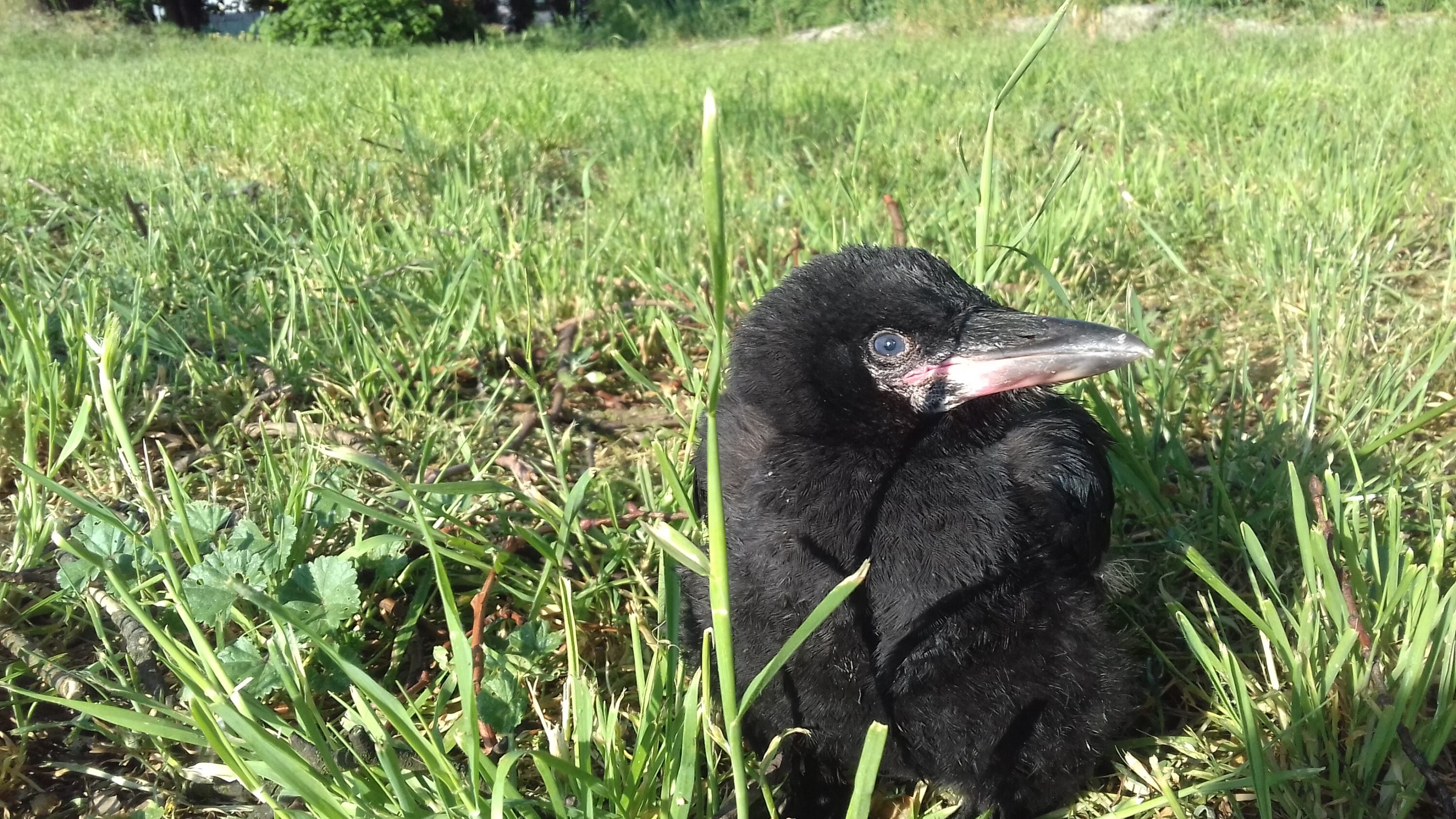
Rook Hind Limbs Grew Fastest Before Hatching, Forelimbs During Most Nestling Development
Measurements from rook embryos and nestlings revealed four shifts in body proportions: hind limbs had the highest relative…
Read story →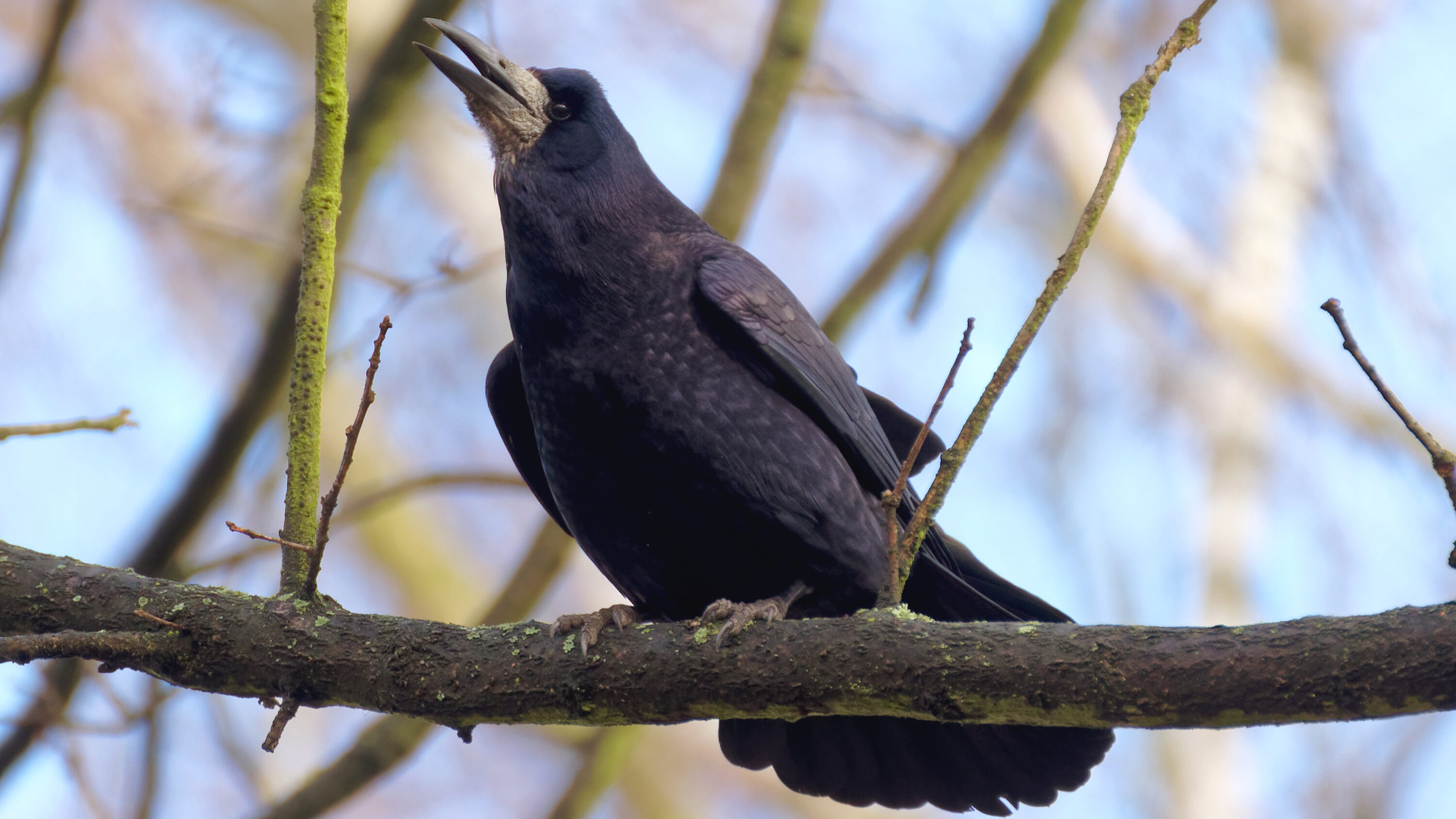
Rook Breeding Numbers Fell 42–62% in Several Regions of Northern and Western Poland
Surveys across northern and western Poland counted 26,318 occupied rook nests, while comparable regional datasets showed declines of…
Read story →
French Wildlife Culling Was Not Linked to Lower Reported Damage
A 2026 national evaluation of ten native species found no relationship between lethal-control effort and lower reported damage…
Read story →SPECIES IN THIS STORY
Species in this story
Independent research and conservation news archive
Did you find this information useful?
Wildlife Vagabond is independently built and maintained. Voluntary support helps cover source verification, hosting and continued work on research and conservation news.
Support Wildlife VagabondThe news archive will remain freely available.